









Oculoplastic Surgery

Best Eye Oculoplastic Surgery in Indore
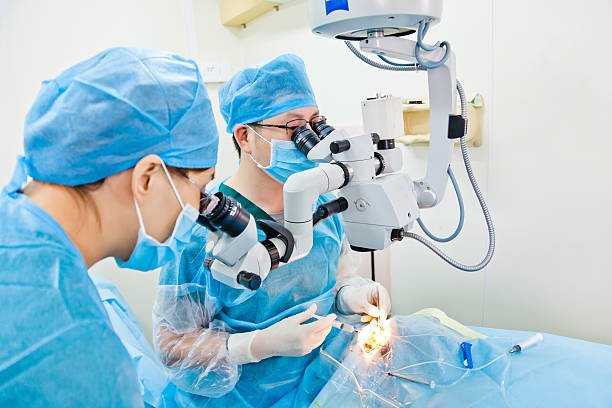
RETINA SPECIALITY HOSPITAL is a premier destination for world-class oculoplastic surgery in Indore. Our state-of-the-art facility and team of highly skilled surgeons are dedicated to providing exceptional care for patients with a wide range of ocular conditions.
- Emergency Cases: Our hospital is equipped to handle urgent oculoplastic emergencies around the clock.
- Opening Hours: 24hours
Oculoplastic Services
What is Oculoplastic Surgery ?
Oculoplastic surgery is a specialized branch of ophthalmology that focuses on the reconstruction and repair of the eyelids, orbit, and lacrimal system. It involves surgical procedures to address various aesthetic and functional issues related to the eye area.
Reasons for Oculoplastic Procedures:
Oculoplastic surgeries are performed to:
- Treat Eyelid Abnormalities: Correct drooping eyelids (ptosis), eyelid tumors, and other eyelid deformities.
- Improve Eyelid Aesthetics: Enhance the appearance of the eyelids through procedures like blepharoplasty (eyelid surgery).
- Restore Orbital Function: Repair orbital fractures, remove orbital tumors, and treat conditions like proptosis (bulging eye).
- Manage Lacrimal System Disorders: Address tear duct blockages, excessive tearing, and dry eye syndrome.
Common Oculoplastic Procedures: :-
- Blepharoplasty: Surgical removal of excess eyelid skin and fat to improve the appearance of the eyes.
- Ptosis Repair: Correction of drooping eyelids using various surgical techniques.
- Lid Tumor Excision: Removal of benign or malignant tumors from the eyelids.
- Orbital Decompression: Surgery to relieve pressure on the eye caused by orbital tumors or other conditions.
- Lacrimal Duct Surgery: Procedures to treat tear duct blockages or obstructions.
- Eyelid Reconstruction: Repair of eyelid defects caused by trauma, congenital anomalies, or disease.
Ptosis Surgery
Why Ptosis Surgery ?
Ptosis surgery is performed to:
- Improve vision by raising the drooping eyelid.
- Enhance facial appearance.
- Prevent complications such as amblyopia (lazy eye) in children.
Symptoms of Ptosis:
- Drooping eyelid.
- Difficulty opening the eye.
- Squinting or tilting the head to see better.
- Double vision.
How Ptosis Surgery is Performed :-
Ptosis surgery can be performed using various techniques, including:
- Muscle shortening: Tightening the levator palpebrae superioris muscle, which raises the eyelid.
- Frontalis suspension: Attaching the eyelid to the forehead muscle to lift it.
- Eyelid implant: Placing a small implant in the upper eyelid to elevate it.
Before and After Ptosis Surgery: :-
- Pre-operative consultation: A detailed evaluation will be conducted to assess your suitability for surgery.
- Surgery: The procedure is typically performed under local anesthesia with sedation or general anesthesia.
- Recovery: Most patients can resume normal activities within a few days.
Complications of Ptosis Surgery :-
- Undercorrection or overcorrection: The eyelid may not be raised to the desired height, or it may be raised too much.
- Asymmetrical eyelids: The eyelids may not be balanced.
- Dry eye syndrome: Difficulty producing tears.
- Infection: Risk of infection at the surgical site.
FAQs About Oculoplastic Surgery
It treats droopy eyelids, thyroid eye disease, orbital tumors, tear duct blockages, eyelid malpositions, and cosmetic concerns like under-eye bags.
No, the procedures are performed under local or general anesthesia, ensuring minimal discomfort during and after surgery.
Recovery typically takes 1-2 weeks, depending on the procedure. Most patients resume normal activities within a few days.
Healthy individuals with realistic expectations and functional or cosmetic eyelid concerns typically make excellent candidates for oculoplastic procedures.
Most patients return to work within one week and resume normal activities within two weeks after surgery.
Incisions are placed in natural eyelid creases, making scars typically invisible or extremely faint once fully healed.
Insurance covers medically necessary procedures like vision-obstructing ptosis, while purely cosmetic surgeries are typically not covered.
Functional corrections provide permanent results, while cosmetic improvements typically last 10-15 years or longer before aging effects return.
Yes, bilateral procedures are common, ensuring symmetry and requiring only one recovery period for better efficiency.
Risks include infection, bleeding, vision changes, or asymmetry, but serious complications are rare with experienced surgeons.
Initial improvements appear within two weeks, with final results emerging over 2-3 months as tissues heal completely.
Yes, combining procedures like upper and lower eyelid surgery or brow lifts is common and often more efficient.
Oculoplastic surgeons have specialized training in both ophthalmology and plastic surgery, ensuring vision safety and functional preservation.
Preparation includes stopping certain medications, arranging transportation, and planning recovery time per our detailed preoperative instructions.
- Schedule a consultation with our oculoplastic surgeons to discuss your specific needs and learn more about the treatment options available at RETINA SPECIALITY HOSPITAL.