








Cataracts are one of the most common age-related eye conditions affecting millions of people worldwide. Recognizing the early signs of cataract can make a significant difference in preserving your vision and quality of life. Understanding what are the early symptoms of cataract helps you seek timely medical intervention before the condition progresses.
Many people dismiss initial stage cataract symptoms as normal aging or simple eye strain. However, identifying these warning signs early can lead to better treatment outcomes and prevent unnecessary vision loss through timely cataract surgery in Indore or other treatment options.
Understanding Cataracts and Their Development
A cataract occurs when the natural lens of your eye becomes cloudy, affecting your ability to see clearly. The lens, which is normally clear, helps focus light onto the retina at the back of your eye.
How cataracts start in the eyes is a gradual process. Proteins in the lens begin to break down and clump together, creating cloudy areas that block or scatter light. This process typically develops slowly over years, making early detection challenging.
Types of Cataracts
Different types of cataracts develop in different parts of the lens:
- Nuclear Cataracts: Form in the center of the lens and are most common with aging
- Cortical Cataracts: Begin at the edges and work toward the center
- Posterior Subcapsular Cataracts: Develop at the back of the lens and progress faster
- Congenital Cataracts: Present at birth or develop during childhood
Understanding which type you may have helps determine the appropriate treatment approach, including advanced cataract surgery in Indore when necessary.
First Signs of Cataract You Should Not Ignore
Recognizing cataract warning signs early is crucial for maintaining good vision. Many people experience subtle changes that they attribute to aging or fatigue, but these could be early symptoms of cataract requiring attention.
1. Blurry Vision Cataract
One of the most common first signs of cataract is experiencing blurry or hazy vision. This blurry vision cataract symptom often starts mildly and progressively worsens over time.
You may notice that reading becomes more difficult, or distant objects appear less sharp than before. This blurriness doesn’t improve with new eyeglasses or contact lenses, which is a key indicator.
The cloudiness can affect one or both eyes, though cataracts typically don’t develop at the same rate in both eyes. This asymmetric progression can cause noticeable differences in vision between your eyes.
2. Cloudy Vision Cataract
Cloudy vision cataract symptoms manifest as a film or fog covering your field of vision. Many patients describe it as looking through a dirty windshield or frosted glass.
This cloudiness may be more noticeable in certain lighting conditions. Bright sunlight or artificial lights can make the cloudiness more apparent and uncomfortable.
The clouding tends to worsen gradually, making it difficult to notice day-to-day changes. Taking note of activities that have become more challenging can help identify this progression.
3. Difficulty Seeing at Night Cataract
Difficulty seeing at night cataract is a particularly troublesome symptom that affects daily activities. Night vision becomes increasingly poor, making driving after dark dangerous and challenging.
Signs of cataract in eyes include increased sensitivity to glare from oncoming headlights. These lights may appear to have halos around them, creating star-burst patterns that are distracting and uncomfortable.
Street lights and other bright lights at night may seem unusually bright or produce glare that wasn’t noticeable before. This symptom often prompts people to avoid night driving altogether.
4. Double Vision Cataract
Double vision cataract occurs when you see two images of a single object. This diplopia happens in one eye (monocular double vision) rather than both eyes, distinguishing it from other conditions.
The double images may appear side-by-side, on top of each other, or at an angle. This symptom can be particularly disorienting and affects your ability to read, watch television, or perform detailed tasks.
As cataracts progress, this double vision may evolve into more general blurriness. However, experiencing this symptom early is a clear indicator to consult an eye specialist.
Additional Early Warning Signs
Beyond the primary symptoms, several other cataract symptoms in early stage development deserve attention.
1. Increased Light Sensitivity
Vision changes due to cataract often include heightened sensitivity to bright lights. Sunlight may seem uncomfortably bright, requiring you to wear sunglasses more frequently.
Indoor lighting that previously felt comfortable may now seem too harsh. You might find yourself squinting more often or preferring dimmer environments.
This photophobia can significantly impact your daily activities and quality of life. It’s often one of the earlier symptoms people notice before other vision changes become apparent.
2. Fading or Yellowing of Colors
Colors may appear less vibrant or take on a yellowish tint. This subtle change in color perception is often one of the overlooked early symptoms of cataract that people notice only in retrospect.
Whites may appear more yellow or brown, and distinguishing between certain colors becomes more difficult. This is particularly noticeable when comparing the vision between your two eyes if one has progressed more than the other.
The yellowing occurs because the lens itself becomes discolored as proteins clump together. This affects how light passes through and how your brain interprets colors.
3. Frequent Prescription Changes
If you find yourself needing new eyeglasses or contact lens prescriptions more frequently than usual, this could indicate developing cataracts. Initial stage cataract symptoms can cause temporary improvements in near vision, a phenomenon called “second sight.”
However, this improvement is short-lived and followed by continued vision deterioration. Needing stronger prescriptions every few months is a red flag that warrants comprehensive eye examination.
4. Halos Around Lights
Seeing halos or rings around light sources, especially at night, is a common cataract warning sign. These halos result from light scattering as it passes through the cloudy lens.
The halos can make driving at night particularly hazardous. They create visual distractions that make it difficult to judge distances and see road signs clearly.
This symptom often appears alongside glare sensitivity and can significantly impact your comfort in various lighting conditions.
When to Consult a Doctor for Cataract
When to consult a doctor for cataract depends on the severity of symptoms and their impact on your daily life. Any noticeable changes in vision warrant professional evaluation.
Important Consultation Triggers:
- Vision changes affecting daily activities
- Difficulty reading or recognizing faces
- Problems with driving, especially at night
- Frequent changes in eyeglass prescription
- Vision not correctable with new glasses
- Double vision in one eye
- Sensitivity to light interfering with activities
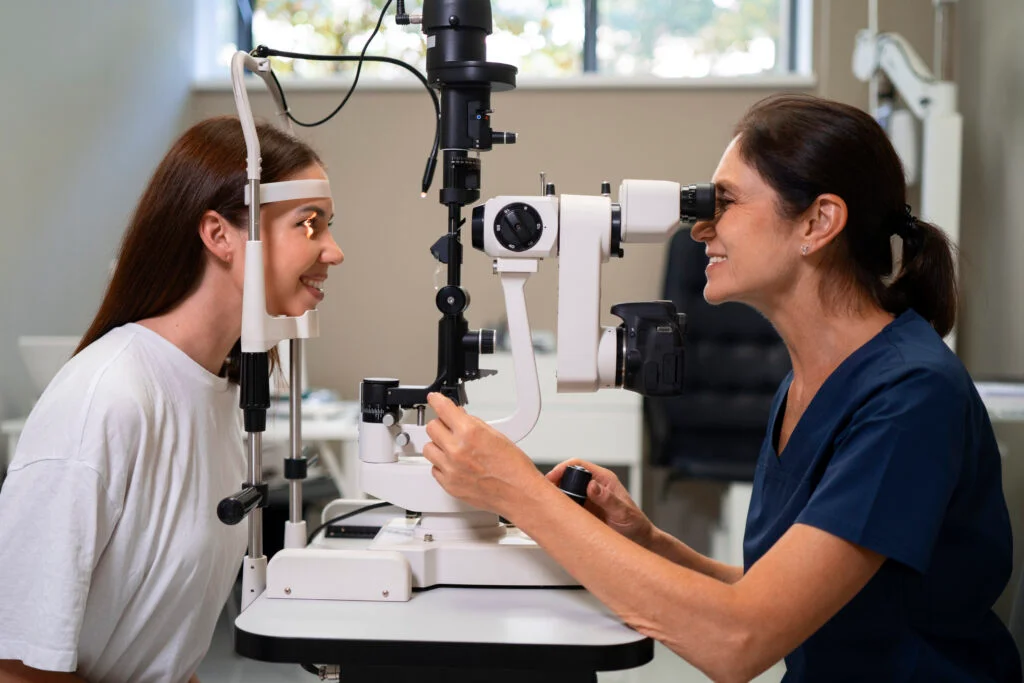
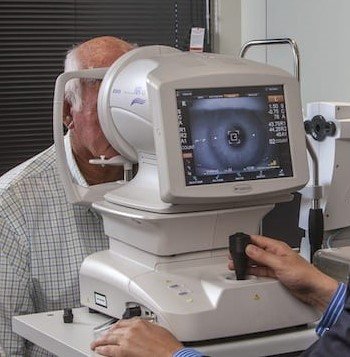
Schedule an appointment with an eye care professional if you experience any of these symptoms. Early detection through comprehensive eye examinations can help determine the best course of action.
Risk Factors for Developing Cataracts
Understanding your risk factors helps you stay vigilant about how to know if you have cataract early. Several factors increase the likelihood of developing cataracts.
Common Risk Factors:
- Age over 60 years
- Diabetes or high blood sugar
- Prolonged sun exposure without protection
- Smoking and alcohol consumption
- Family history of cataracts
- Previous eye injury or surgery
- Long-term use of corticosteroid medications
- High blood pressure
- Obesity
If you have multiple risk factors, regular eye examinations become even more critical for early detection.
Preventing Cataract Progression
While you cannot always prevent cataracts, certain lifestyle modifications may slow their progression. Protecting your eyes and maintaining overall health are key strategies.
Prevention Strategies:
- Wear UV-protective sunglasses outdoors
- Maintain healthy blood sugar levels
- Eat a diet rich in antioxidants
- Quit smoking and limit alcohol
- Manage chronic health conditions
- Schedule regular comprehensive eye exams
- Use proper lighting for reading and tasks
These preventive measures are particularly important if you’ve noticed first stage cataract symptoms in adults or have significant risk factors.
Treatment Options and Cataract Surgery in Indore
When cataracts begin to interfere with daily activities, treatment becomes necessary. Cataract eye surgery is the only effective treatment for removing cataracts and restoring clear vision.
1. Modern Cataract Surgery Techniques
Advanced cataract surgery in Indore utilizes state-of-the-art technology and techniques. Phacoemulsification, the most common method, uses ultrasound waves to break up the cloudy lens before removal.
The procedure typically takes less than 30 minutes per eye and is performed on an outpatient basis. Most patients experience significant vision improvement within days of surgery.
Premium intraocular lens options are available, including multifocal and toric lenses that can correct both cataracts and refractive errors simultaneously. These advanced lenses reduce or eliminate the need for glasses after surgery.
2. Success Rates and Recovery
Cataract treatment in Indore and worldwide has excellent success rates, with over 95% of patients achieving improved vision. Complications are rare, and the procedure has been refined over decades.
Recovery is typically quick, with most patients resuming normal activities within a few days. Follow-up care ensures optimal healing and vision outcomes.
The surgery is generally painless, performed under local anesthesia. Modern surgical techniques have made the procedure safer and more effective than ever before.
FAQ’s About Cataract Surgery
1. What are the early symptoms of cataract?
Early symptoms of cataract include blurry vision, cloudy vision, difficulty seeing at night, sensitivity to light, and seeing halos around lights.
2. How to know if you have cataracts early?
Regular eye examinations and noticing vision changes due to cataract-like blurriness not corrected by glasses help identify cataracts in early stages.
3. Can cataracts develop in younger people?
While uncommon, cataracts can develop in younger individuals due to injury, medications, diabetes, or genetic factors requiring cataract eye surgery treatment.
4. Is cataract surgery painful?
Advanced cataract surgery in Indore is performed under local anesthesia, making the procedure painless with only mild discomfort during recovery at home.
5. How long does cataract surgery recovery take?
Most patients recover from cataract surgery in Indore within a few days, with complete healing occurring over several weeks under proper care.
6. Can cataracts come back after surgery?
Cataracts cannot return after removal, but some patients develop posterior capsule opacification requiring simple laser treatment to restore clear vision again.
7. When is the right time for cataract surgery?
Surgery is recommended when cataract warning signs interfere with daily activities, reading, driving, or quality of life, regardless of cataract severity level.
8. Are both eyes operated on the same day?
Typically, cataract eye surgery is performed on one eye first, with the second eye treated weeks later to ensure proper healing.
Conclusion
Recognizing the early signs of cataract is the first step toward preserving your vision and maintaining your quality of life. From blurry vision cataract symptoms to difficulty seeing at night cataract challenges, these warning signs should never be dismissed as simple aging.
The good news is that cataracts are highly treatable. Cataract eye surgery has helped millions of people worldwide regain clear vision and independence. With advanced cataract surgery in Indore utilizing cutting-edge technology and experienced surgeons, you have access to world-class treatment options right in your city.
Remember that early symptoms of cataract like cloudy vision cataract, halos around lights, color changes, and light sensitivity are your body’s way of signaling that professional evaluation is needed. The sooner you address these cataract warning signs, the better prepared you’ll be to make informed decisions about your eye health.