









If you have diabetes, your blood sugar can quietly damage the tiny blood vessels inside your retina, the light-sensitive tissue at the back of your eye. This is diabetic retinopathy, and it is one of the leading causes of vision loss in adults with diabetes. It rarely causes symptoms early on, which is exactly why it is so dangerous, by the time you notice blurred or patchy vision, the disease has often already progressed.
The good news: diabetic retinopathy is manageable. With regular screening, good blood sugar control, and timely treatment from a retina specialist, most people can protect their sight for life.
What Is Diabetic Retinopathy?
Diabetic retinopathy is an eye complication caused by long-term high blood sugar. It develops when elevated glucose levels weaken and damage the blood vessels feeding the retina. Over time these vessels can leak fluid or blood, swell, or close off completely, starving parts of the retina of oxygen.
It can affect anyone with type 1 or type 2 diabetes. The longer you have had diabetes, and the less controlled your blood sugar has been, the higher your risk of developing this complication.
Stages of Diabetic Retinopathy
Diabetic retinopathy develops gradually, moving through recognizable stages. Understanding where a patient sits on this spectrum helps guide the right treatment at the right time.
| Stage | What Happens | Vision Impact |
| Mild Non-Proliferative (NPDR) | Small bulges (microaneurysms) form in retinal blood vessels | Usually none |
| Moderate NPDR | Some blood vessels feeding the retina become blocked | Mild blurring possible |
| Severe NPDR | Many vessels are blocked, depriving the retina of blood supply | Noticeable vision changes |
| Proliferative (PDR) | Fragile new blood vessels grow abnormally and can bleed | Floaters, vision loss, risk of retinal detachment |
Left unmanaged, proliferative diabetic retinopathy can lead to bleeding inside the eye or traction on the retina, sometimes requiring surgical treatment such as a vitrectomy.
Symptoms of Diabetic Retinopathy
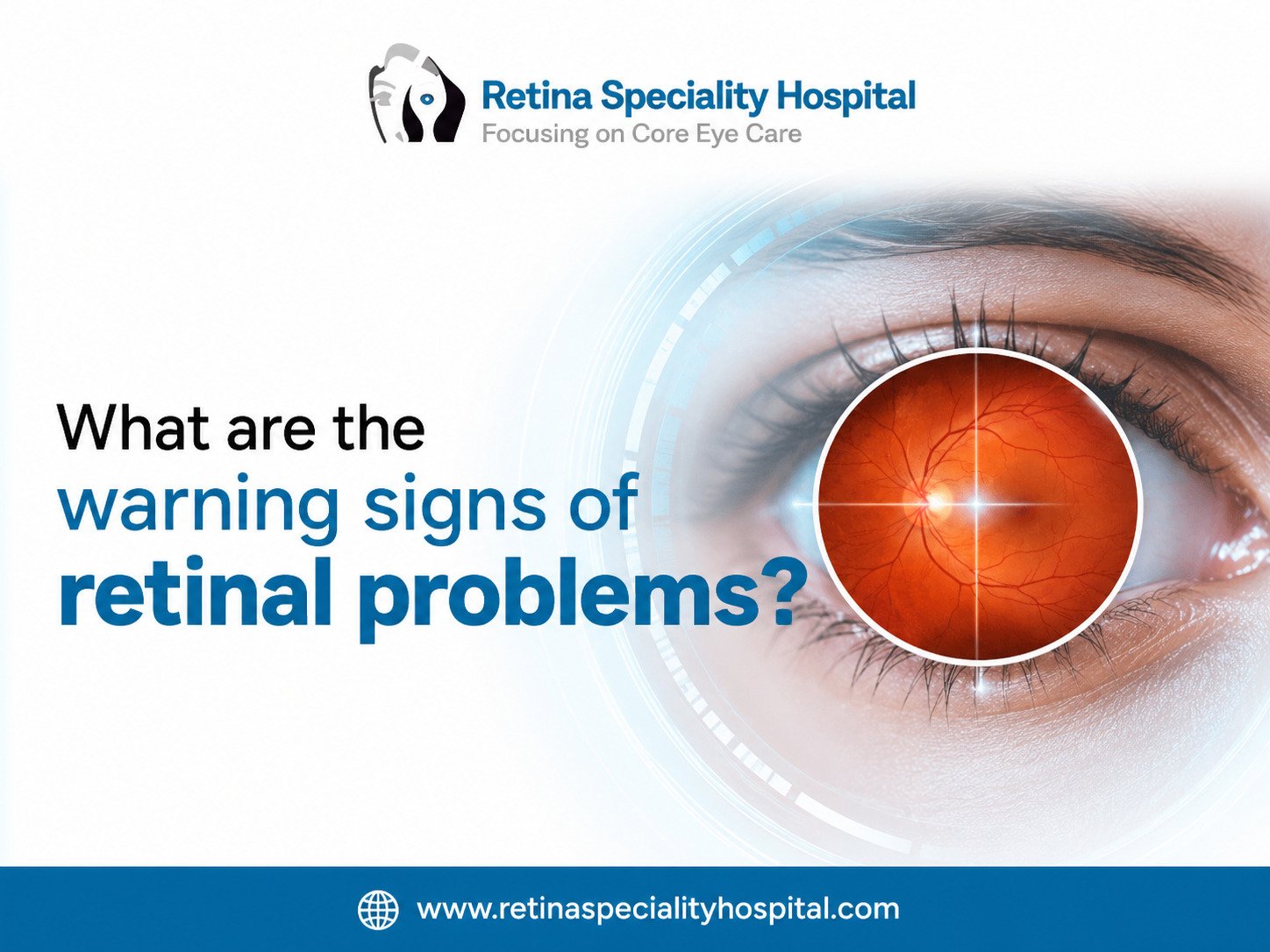
In the early stages, diabetic retinopathy usually causes no symptoms at all. This is why routine screening matters more than waiting for warning signs. As the condition advances, you may notice:
- Spots or dark strings floating in your vision (floaters)
- Blurred vision
- Vision that fluctuates from day to day
- Dark or empty patches in your field of vision
- Gradual or sudden loss of vision
If any of these symptoms appear suddenly, treat it as urgent and contact an eye specialist right away rather than waiting for your next routine visit.
How Is Diabetic Retinopathy Diagnosed?
Diabetic retinopathy is diagnosed through a comprehensive dilated eye exam, since the retina cannot be properly assessed through undilated pupils. Your ophthalmologist may also use:
- Optical Coherence Tomography (OCT): a detailed scan that measures retinal thickness and detects swelling. Learn more about OCT imaging.
- Fluorescein angiography: a dye-based imaging test that highlights leaking or blocked blood vessels.
- Fundus photography: wide-field imaging to document and track changes over time.
The American Academy of Ophthalmology recommends that people with type 1 diabetes begin annual screening five years after diagnosis, while those with type 2 diabetes should be screened at the time of diagnosis and every year after.
Treatment Options for Diabetic Retinopathy
Treatment depends on how advanced the disease is. The goal is always the same: stop further damage and preserve as much vision as possible.
- Blood sugar and blood pressure control: the foundation of every treatment plan, regardless of stage
- Anti-VEGF injections: medicines injected into the eye to reduce swelling and stop abnormal vessel growth
- Laser treatment: used to seal leaking vessels or shrink abnormal ones. Explore our laser treatment options.
- Vitrectomy surgery: recommended for advanced proliferative disease with bleeding or scar tissue. Read more about vitrectomy.
Because diabetic retinopathy can progress silently between visits, sticking to your doctor’s recommended follow-up schedule is just as important as the treatment itself.
How to Prevent Diabetic Retinopathy
You cannot always prevent diabetic retinopathy entirely, but regular eye exams, tight control of blood sugar and blood pressure, and early treatment can go a long way toward preventing severe vision loss. If you have diabetes, lower your risk with these steps:
Manage your diabetes
Build healthy eating and regular physical activity into your routine. Aim for at least 150 minutes of moderate activity, such as brisk walking, each week. Take your oral diabetes medication or insulin exactly as prescribed.
Monitor your blood sugar
Check and record your blood sugar level several times a day, more often if you are unwell or under stress. Ask your doctor how frequently you should be testing.
Ask about an A1C test
The glycosylated hemoglobin (A1C) test reflects your average blood sugar over the past two to three months. For most people with diabetes, the target is under 7%.
Pay attention to vision changes
Contact your eye specialist immediately if your vision suddenly changes, or becomes blurry, patchy, or dim. High blood pressure can compound retinal risk too, learn how in Can High Blood Pressure Damage Your Eyes?
Quick Checklist: See a Retina Specialist If You Notice
- New floaters, spots, or dark strings in your vision
- Blurred or fluctuating vision
- Dark or empty patches anywhere in your visual field
- Any sudden change in vision
- Diabetes with no eye exam in the past year
If you tick even one box, book a dilated eye exam without delay.
Frequently Asked Questions
1. Can diabetic retinopathy be cured?
There is no outright cure, but it can be effectively managed. With controlled blood sugar, regular monitoring, and treatments like anti-VEGF injections or laser therapy, most people can slow or stop its progression and protect their remaining vision.
2. Is diabetic retinopathy reversible?
Early-stage changes can sometimes stabilize or partially improve with tighter blood sugar control. However, damage from advanced stages, especially bleeding or scarring, is generally not reversible, which is why early detection matters so much.
3. How often should a diabetic get an eye exam?
Most people with diabetes should have a comprehensive dilated eye exam at least once a year. Your retina specialist may recommend more frequent visits if retinopathy is already present or progressing.
Don’t Wait to Protect Your Vision
Diabetic retinopathy rarely announces itself early, but consistent diabetes management and annual eye exams can prevent it from stealing your sight. If you have diabetes and haven’t had a dilated eye exam this year, or you’re noticing any changes in your vision, the retina specialists at Retina Speciality Hospital, Indore are ready to help. Call 0731-2553377 or book your eye examination today. Meet our retina specialists to get started.