







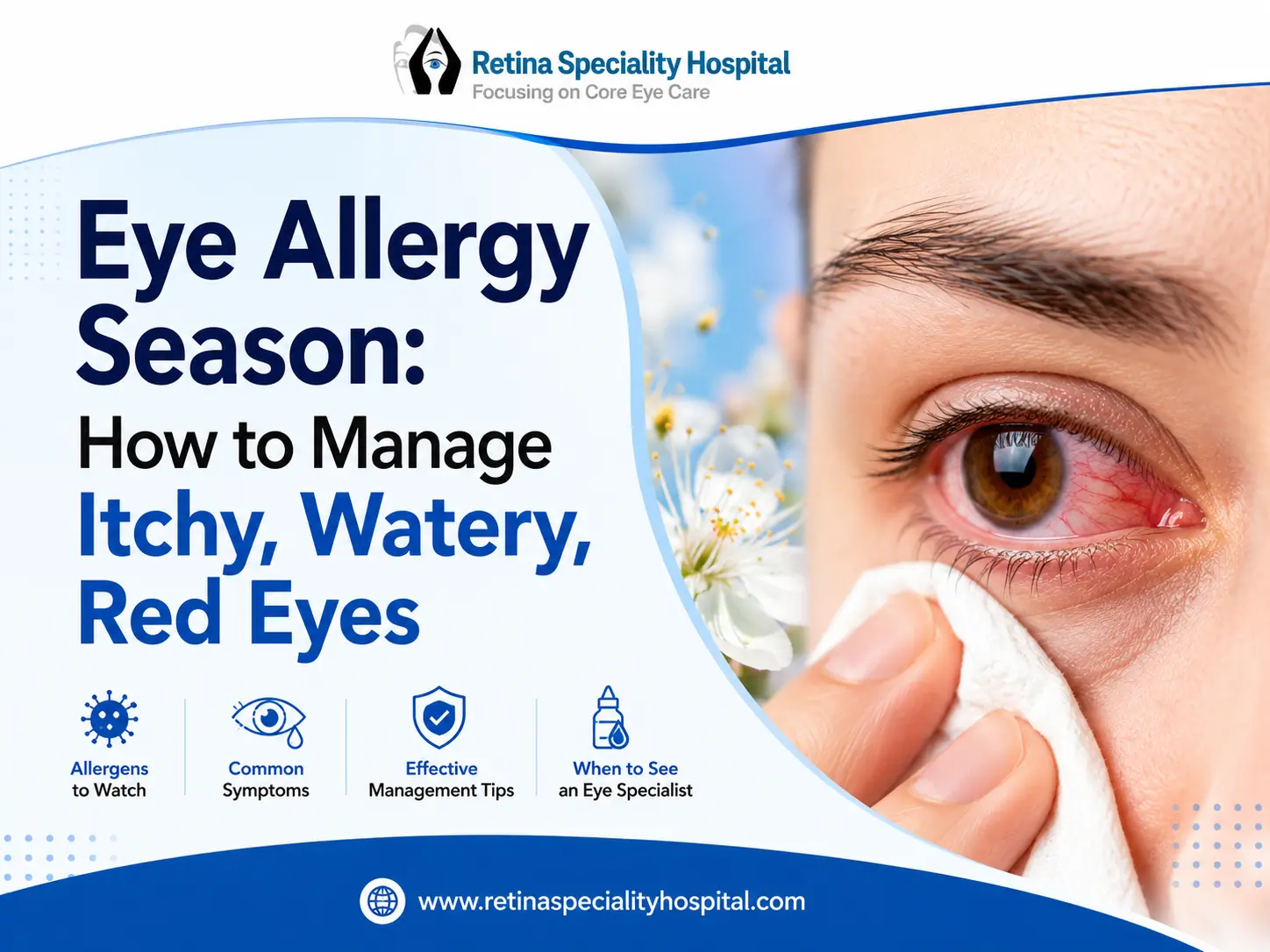
Eye allergies can turn a beautiful spring morning or dusty afternoon into an uncomfortable experience. Constant itching, watery eyes, redness, and irritation can make it difficult to work, drive, study, or enjoy outdoor activities. Eye Allergy Season is a common concern for children and adults alike, especially when pollen, dust, mold, and air pollution levels rise.
Although eye allergies are usually not dangerous, they can significantly affect your quality of life if left untreated. Understanding the causes, symptoms, prevention methods, and available treatments can help you protect your vision while keeping your eyes comfortable throughout the allergy season.
What Is Eye Allergy Season and Why Does It Affect Your Eyes?
Eye Allergy Season refers to periods when allergens in the environment become more common. During these times, your immune system may overreact to substances that are otherwise harmless.
Common eye allergy triggers include:
- Tree pollen
- Grass pollen
- Weed pollen
- Dust mites
- Mold spores
- Pet dander
- Air pollution
- Smoke
- Strong perfumes or chemicals
When these allergens come into contact with your eyes, your body releases histamine and other inflammatory chemicals. This reaction causes itching, redness, swelling, and excessive tearing.
People who already suffer from hay fever, asthma, or eczema are generally more likely to experience allergic eye symptoms.
Common Symptoms of Eye Allergy Season You Should Never Ignore
Recognizing symptoms early helps prevent worsening irritation.
Common signs include:
- Persistent itchy eyes
- Watery eyes
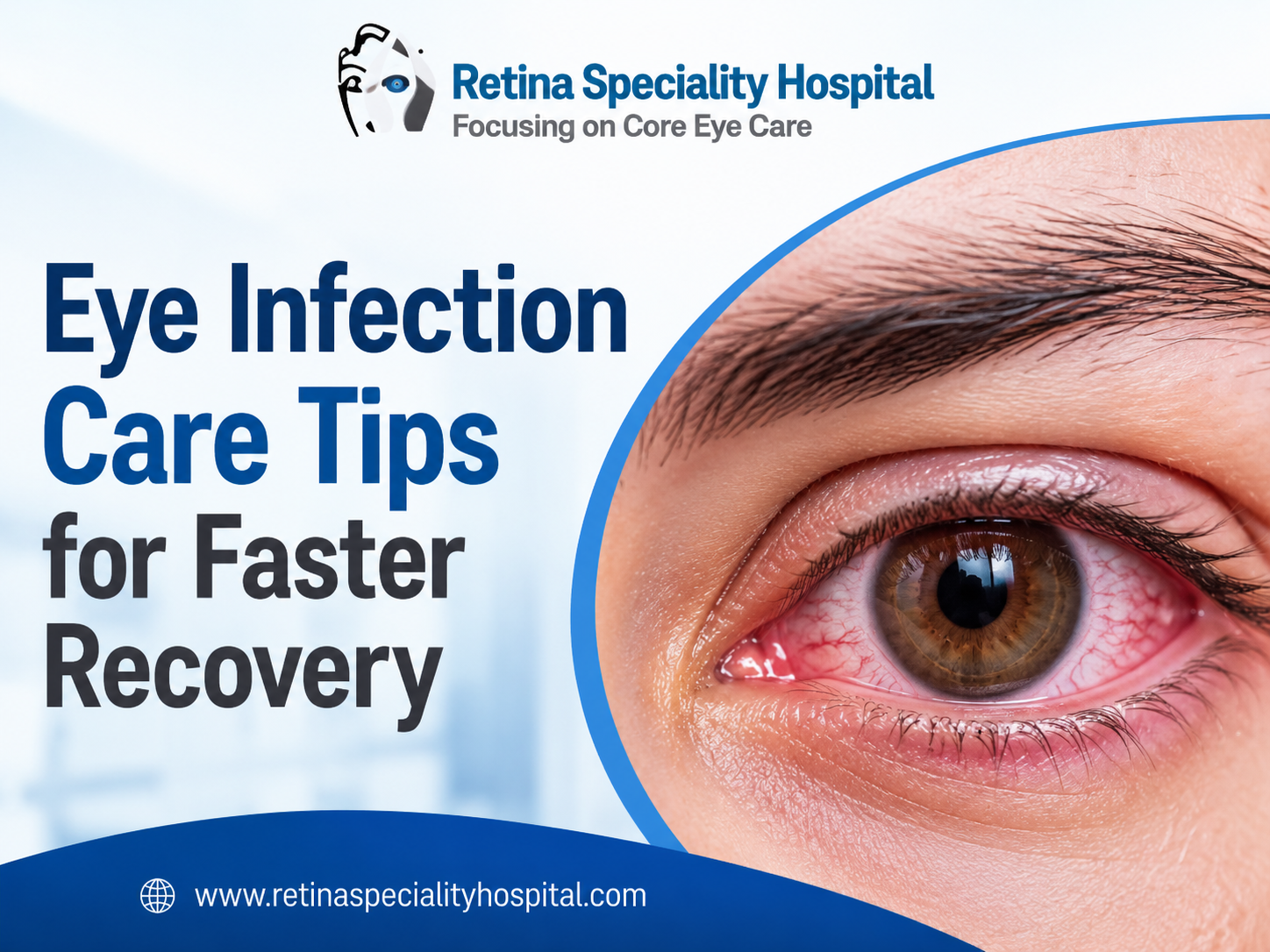
- Red or bloodshot eyes
- Burning sensation
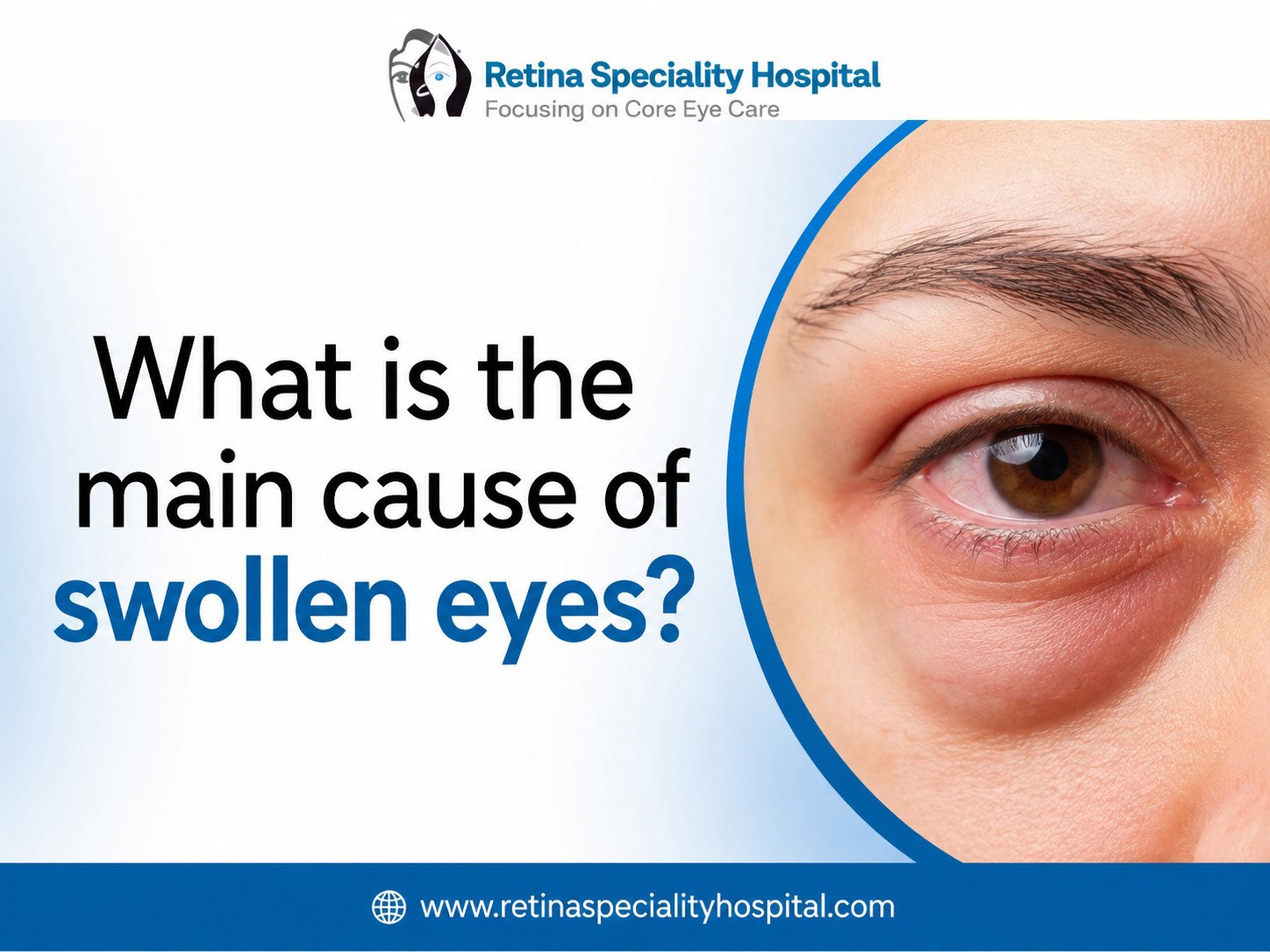
- Puffy eyelids
- Mild swelling around the eyes
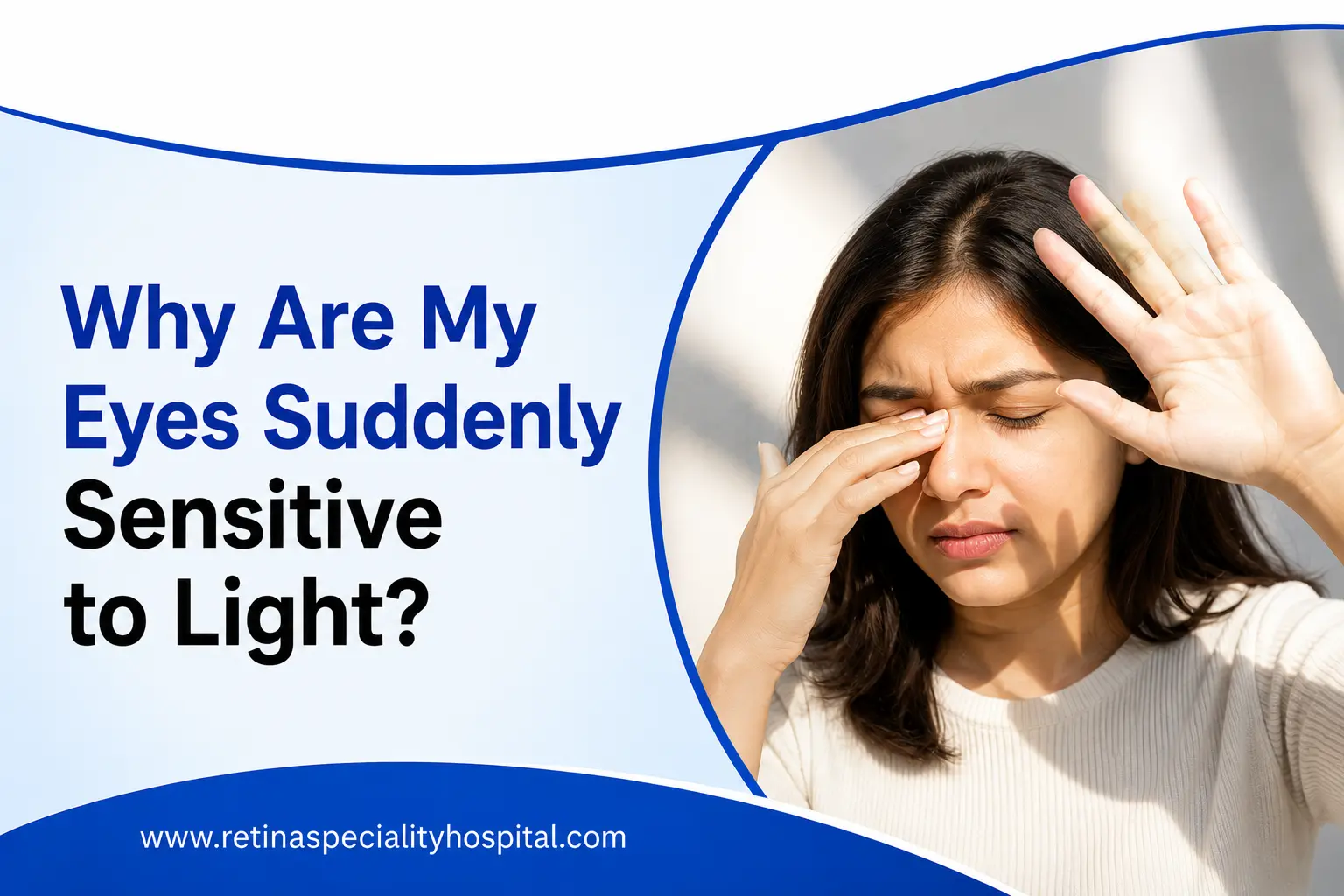
- Sensitivity to light
- Frequent blinking
- Stringy mucus discharge
Most allergy symptoms affect both eyes equally.
Unlike eye infections, allergies usually do not produce thick yellow or green discharge and are not contagious.
If you experience severe pain, sudden vision loss, or extreme light sensitivity, seek immediate evaluation by an eye doctor in Indore, as these symptoms may indicate another serious eye condition.
Who Is Most at Risk During Eye Allergy Season?
Anyone can develop eye allergies, but some individuals are at greater risk.
Higher-risk groups include:
- Children
- Teenagers
- People with seasonal allergies
- Individuals with asthma
- Contact lens wearers
- Outdoor workers
- Farmers
- Construction workers
- Gardeners
- People living in highly polluted cities
Children often rub their eyes excessively during allergy season, increasing the risk of irritation or infection. Parents should consult a Pediatric eye specialist in Indore if symptoms persist or frequently recur.
Eye Allergy Season: Common Triggers Around You
Understanding your triggers helps reduce flare-ups.
Outdoor Allergens
- Pollen
- Wind-blown dust
- Smoke
- Air pollution
Pollen counts usually peak during early morning hours and on windy days.
Indoor Allergens
- Dust mites
- Pet hair
- Mold
- Household cleaning chemicals
- Air fresheners
Keeping your home clean and well-ventilated can significantly reduce exposure.
How Eye Allergies Differ from Eye Infections
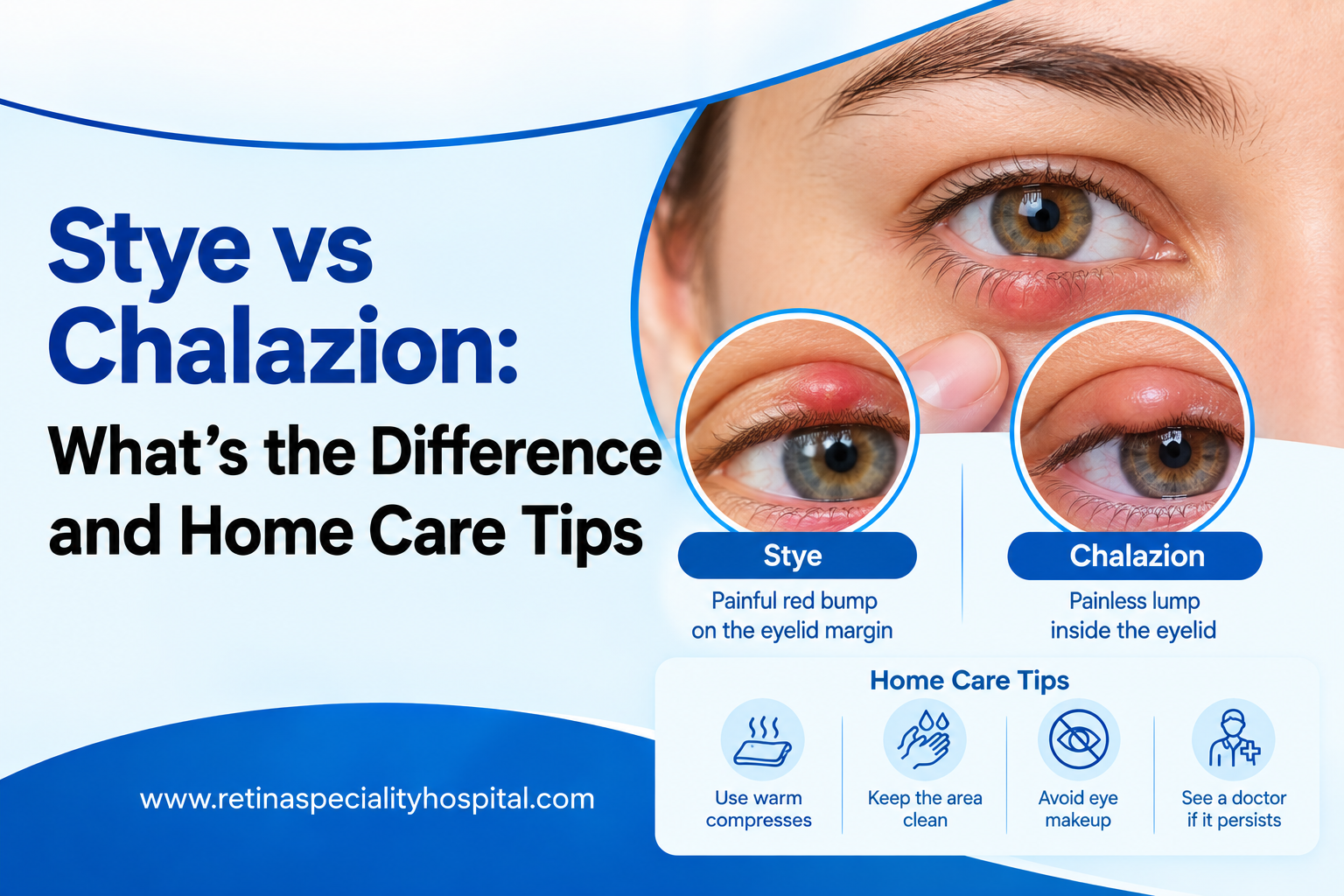
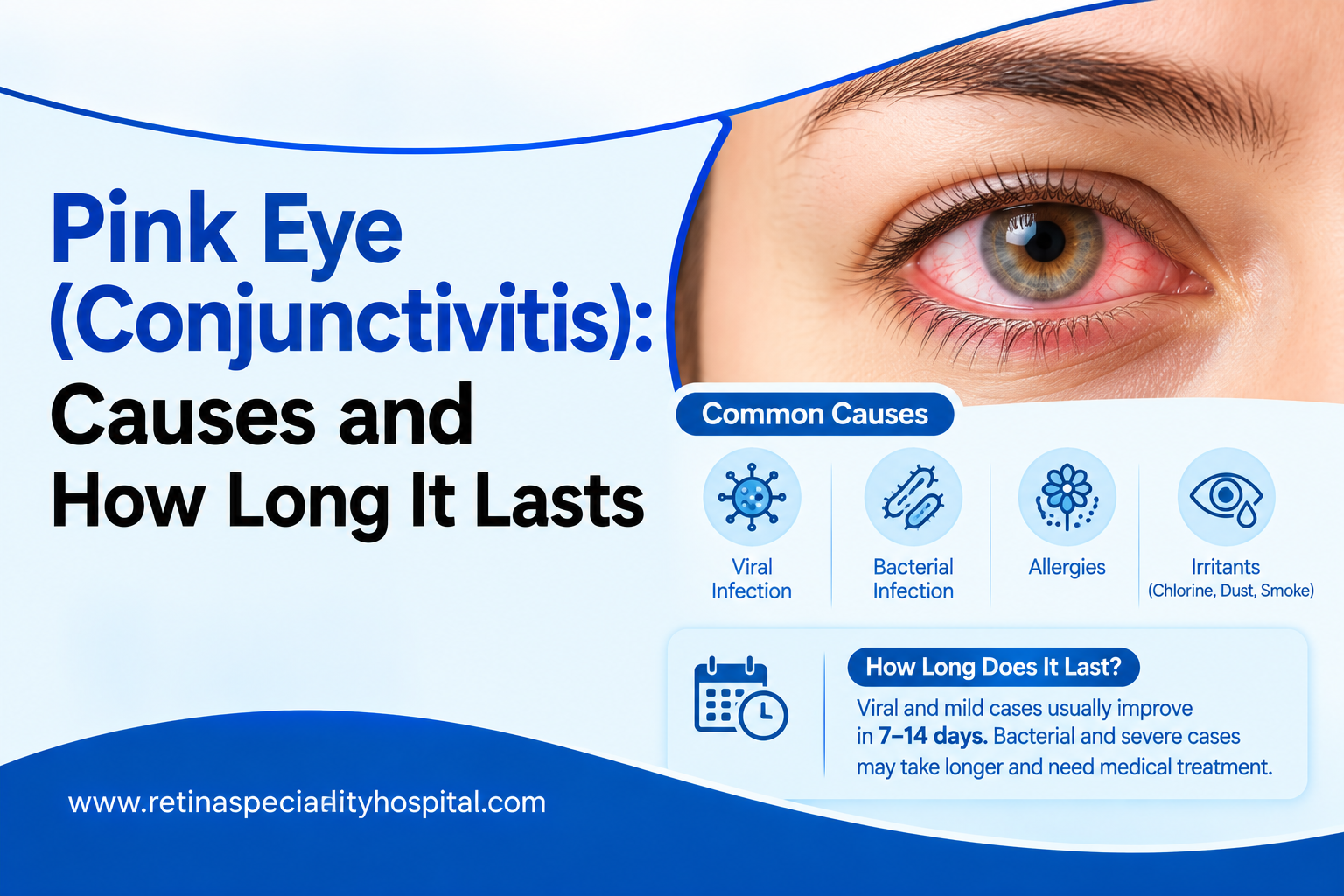
Many people confuse allergies with conjunctivitis (pink eye).
Eye allergies generally cause:
- Intense itching
- Clear watery discharge
- Both eyes affected
- Seasonal occurrence
Eye infections often cause:
- Thick discharge
- Pain
- Swollen eyelids
- One eye affected initially
- Contagious spread
Proper diagnosis ensures appropriate treatment and avoids unnecessary antibiotic use.
Simple Ways to Manage Eye Allergy Season at Home
Most mild allergies respond well to lifestyle modifications.
Avoid Rubbing Your Eyes
Rubbing releases even more histamine, making symptoms worse.
Use Cold Compresses
Applying a clean, cool cloth over closed eyelids reduces swelling and itching.
Artificial Tears
Lubricating eye drops help wash away allergens from the eye surface.
Keep Windows Closed
During high pollen days, use air conditioning instead of opening windows.
Wear Sunglasses Outdoors
Large wraparound sunglasses reduce pollen exposure.
Wash Your Face Frequently
Cleaning your face and eyelids after coming indoors removes pollen particles.
Shower Before Sleeping
This prevents allergens from transferring to your pillow.
Can Contact Lenses Make Eye Allergies Worse?
Yes.
Contact lenses collect allergens throughout the day, increasing irritation.
If you wear contact lenses:
- Switch to daily disposable lenses during allergy season.
- Remove lenses immediately if symptoms worsen.
- Never sleep while wearing contact lenses.
- Follow proper cleaning instructions.
Your eye specialist may recommend taking a short break from contact lenses until symptoms improve.
Can Eye Allergy Season Affect Children?
Absolutely.
Children often experience allergies without realizing what is causing the discomfort.
Warning signs include:
- Frequent eye rubbing
- Excessive blinking
- Watery eyes
- Avoiding sunlight
- Complaints of itchy eyes
- Difficulty concentrating in school
Persistent symptoms should be evaluated by a Pediatric eye specialist in Indore to rule out infections or other eye conditions.
Can Eye Allergies Damage Vision?
Most seasonal eye allergies do not permanently affect vision.
However, chronic untreated allergies may lead to:
- Corneal irritation
- Eye rubbing injuries
- Increased risk of infection
- Keratoconus progression in susceptible individuals
- Reduced quality of life
Early diagnosis and proper treatment help protect long-term eye health.
Patients undergoing advanced eye evaluations may sometimes require specialized investigations depending on associated symptoms. Diagnostic services such as an RNFL test in Indore are typically used for optic nerve assessment and are not routine tests for allergies, but your ophthalmologist may recommend them if there are additional vision concerns.
When Should You Visit an Eye Doctor?
Schedule an eye examination if you experience:
- Symptoms lasting more than one week
- Severe redness
- Eye pain
- Blurred vision
- Thick discharge
- Swelling that worsens
- Difficulty opening the eyes
- Symptoms affecting daily activities
Prompt evaluation by an experienced eye doctor in Indore helps distinguish allergies from infections, dry eye disease, corneal problems, or more serious conditions requiring specialized care.
For patients seeking advanced eye care, choosing a Top eye hospital in Indore for laser surgery also ensures access to comprehensive diagnostic facilities and experienced ophthalmologists under one roof.
Protect Your Eyes Throughout Eye Allergy Season
Eye Allergy Season may be common, but that does not mean you have to live with constant itching, watering, or redness. Most allergies can be effectively managed through allergen avoidance, proper eye hygiene, timely medical treatment, and regular eye examinations.
Ignoring persistent symptoms can lead to unnecessary discomfort and, in some cases, complications caused by excessive eye rubbing or delayed diagnosis. Whether your symptoms are mild or severe, early professional evaluation can provide lasting relief while protecting your vision.
Frequently Asked Questions (FAQs)
1. How long does Eye Allergy Season usually last?
The duration depends on the allergen. Tree pollen allergies usually occur during spring, grass pollen during late spring and summer, while weed pollen can continue into autumn. Indoor allergies such as dust mites may occur throughout the year.
2. Can eye allergies cause blurry vision?
Temporary blurry vision can occur because of excessive tearing, swelling, or mucus. However, persistent blurred vision should always be evaluated by an eye specialist to rule out more serious eye diseases.
3. Should I wear contact lenses during Eye Allergy Season?
If your symptoms are mild, your doctor may recommend daily disposable lenses. However, if allergies become severe, it is often better to temporarily stop wearing contact lenses until your eyes recover.
Don’t let Eye Allergy Season interfere with your comfort or vision. If you are experiencing persistent itchy, watery, or red eyes, schedule a comprehensive eye examination with Retina Speciality Hospital. Our experienced ophthalmologists provide personalized diagnosis and advanced eye care for patients of all ages. Whether you need expert consultation from an eye doctor in Indore, care from a Pediatric eye specialist in Indore, guidance on ROP screening in Indore, or access to advanced diagnostic services such as an RNFL test in Indore, our team is committed to protecting your vision with compassionate and comprehensive care.