







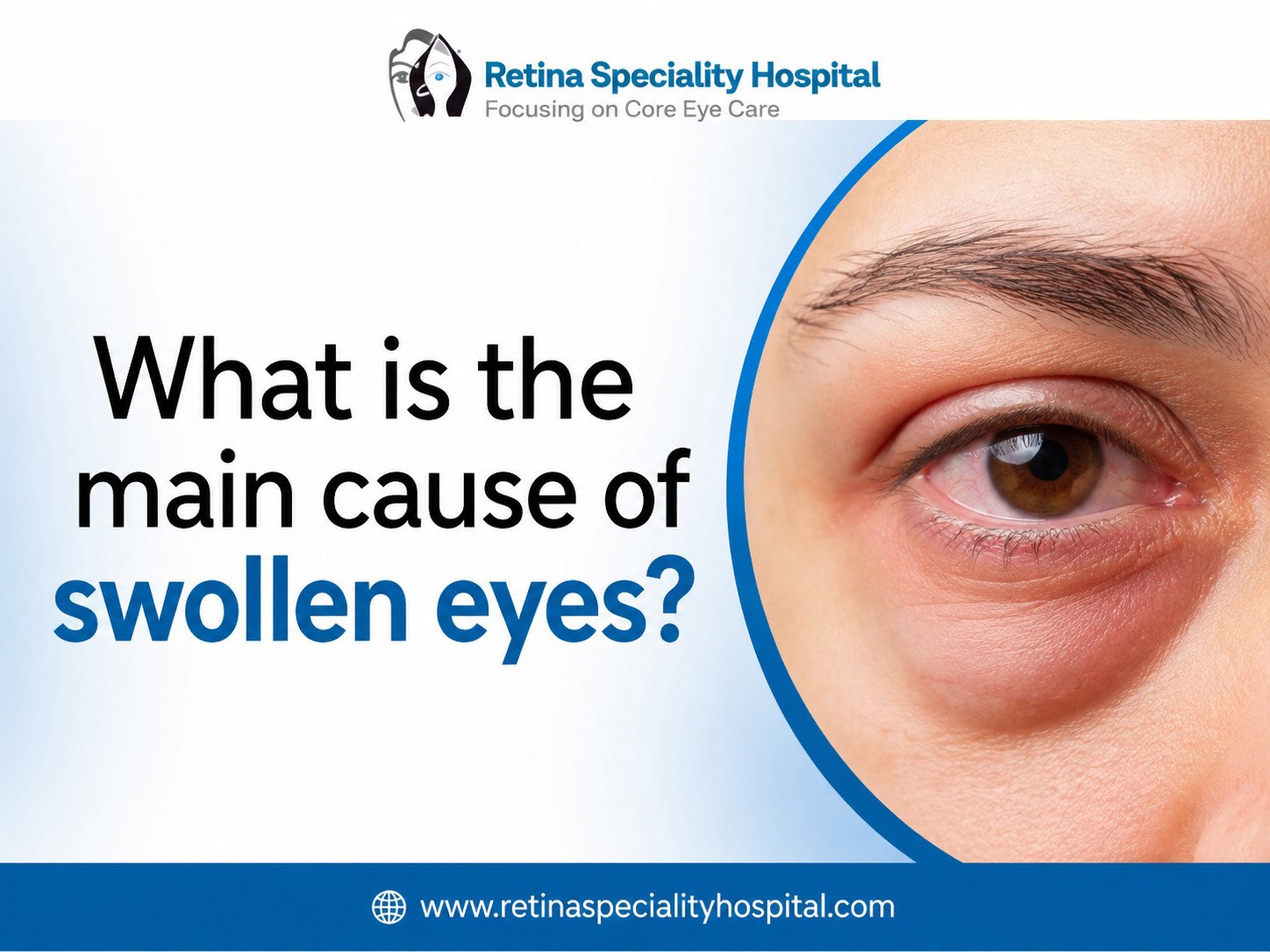
Swollen eyes are one of the most common eye concerns experienced by people of all ages. Studies show that allergies, infections, lack of sleep, and fluid retention are among the leading reasons behind eye puffiness and eyelid inflammation. In many cases, swollen eyes are temporary, but sometimes they can indicate an underlying medical condition that needs expert attention.
If you notice persistent swelling, redness, irritation, or discomfort around the eyes, consulting an Eye specialist in indore becomes important. Early diagnosis helps prevent complications and supports faster recovery through proper Eye Treatment in Indore.
Many patients visiting an Eye hospital in Indore often report symptoms such as itching, watery eyes, burning sensation, and under-eye swelling after waking up. These symptoms can result from allergies, infections, fatigue, or even lifestyle habits.
Understanding Swollen Eyes and Eyelid Puffiness
Swollen eyes occur when excess fluid builds up in the tissues surrounding the eyes. This condition may affect the upper eyelid, lower eyelid, or both. In some people, swelling appears only in one eye.
Common symptoms include:
- Eyelid irritation
- Redness and puffiness around eyes
- Itching sensation
- Watery eyes
- Burning feeling
- Eye discomfort
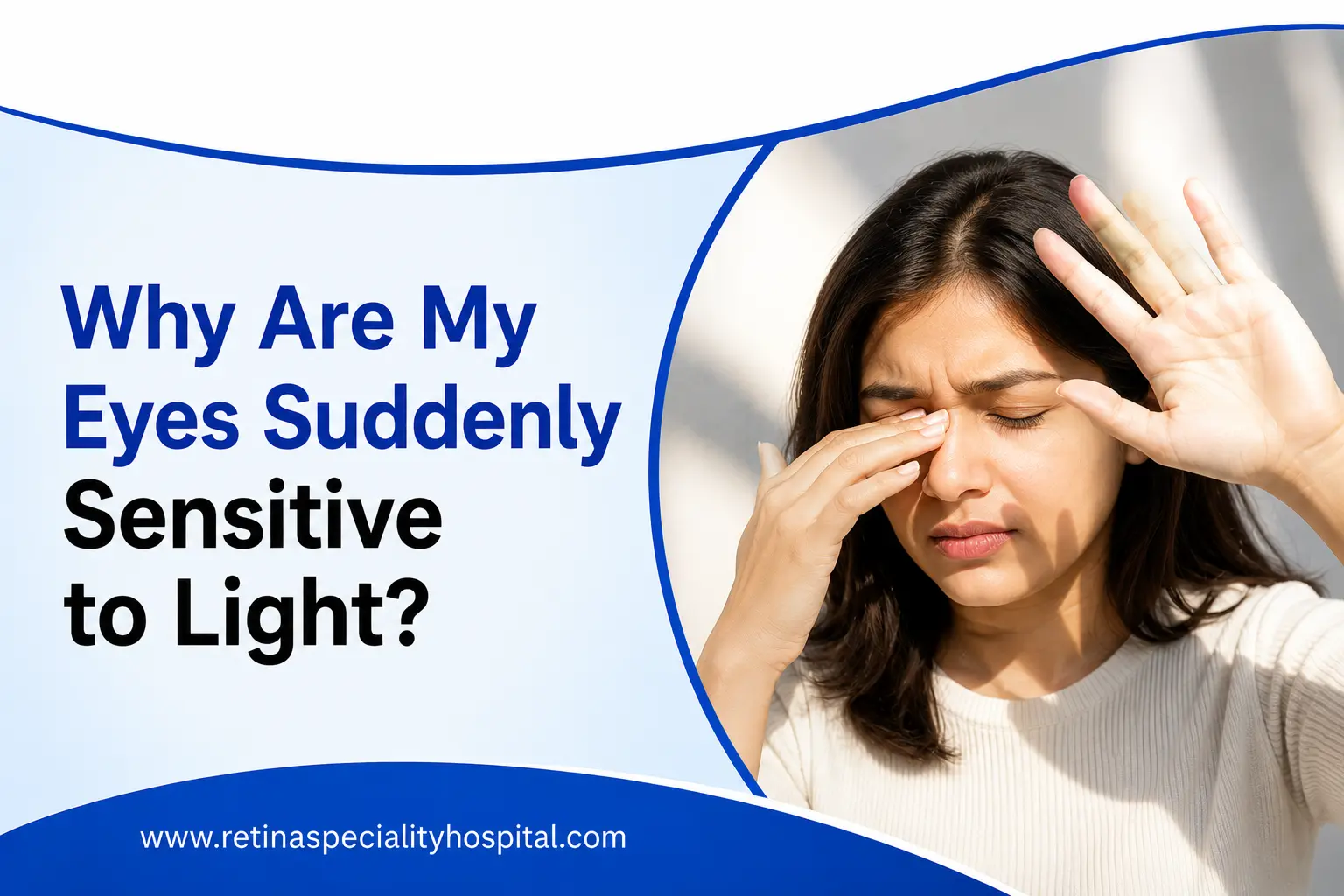
- Sensitivity to light
- Blurred vision in severe cases
Swelling can develop suddenly or gradually depending on the cause. Mild swelling may disappear within hours, while severe inflammation may require professional Eye Treatment in Indore.
Eye Treatment in Indore for Swollen Eyes and Eye Inflammation Causes
The main cause of swollen eyes varies from person to person. However, allergies remain one of the leading reasons worldwide. Environmental pollution, dust exposure, cosmetics, infections, and lack of sleep also contribute significantly.
Common Causes of Swollen Eyes
1. Allergies
Eye allergies occur when the immune system reacts to allergens like pollen, dust, smoke, or pet hair.
Common allergy symptoms include:
- Itchy eyes
- Watery eyes
- Swelling around eyelids
- Burning sensation
This is one of the top reasons patients seek help from an Eye specialist in Indore.
2. Fluid Retention in Eyes
Excess salt intake, dehydration, poor sleep, and hormonal changes can cause Fluid retention in eyes.
People often experience:
- Puffy eyes after waking up
- Mild under-eye swelling
- Morning eye heaviness
This explains the common long-tail search query: Why do eyes become swollen after waking up.
3. Eye Infections
Bacterial and viral infections may trigger inflammation.
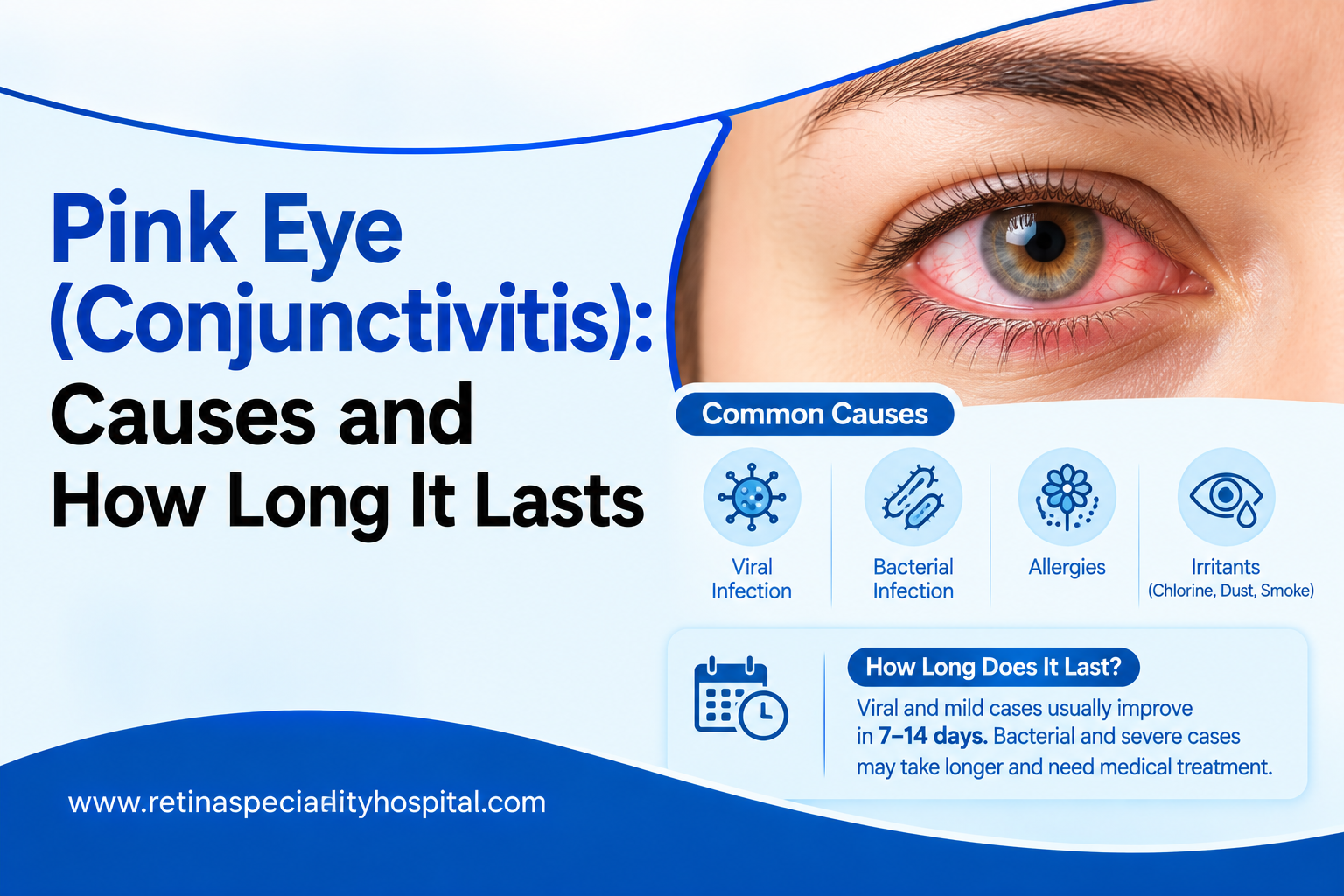
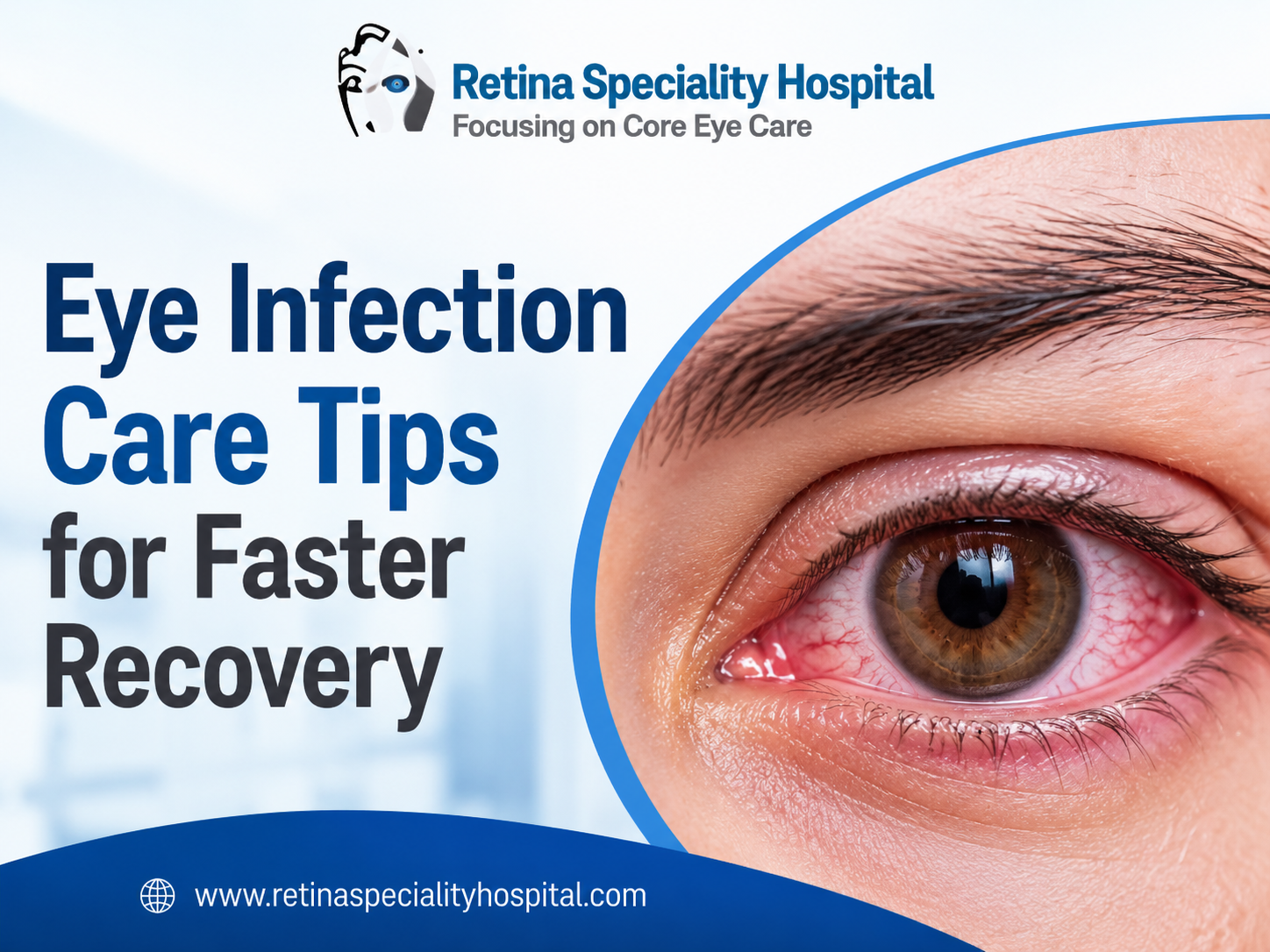
Common Eye infection signs include:
- Yellow discharge
- Redness
- Pain
- Warm eyelids
- Crusting around eyes
Conditions like conjunctivitis and blepharitis commonly cause swelling.
4. Lack of Sleep and Stress
Poor sleep quality affects blood circulation and fluid drainage around the eyes.
Symptoms include:
- Dark circles
- Puffy eyelids
- Eye fatigue
- Dry eyes
Lifestyle correction can significantly improve symptoms.
5. Sinus Problems
Sinus infections increase pressure around facial tissues and may cause swelling near the eyes.
Symptoms may include:
- Facial pain
- Nasal blockage
- Headache
- Puffy eyes
6. Crying
Emotional crying increases fluid accumulation around the eyelids temporarily.
Usually, swelling improves naturally after rest and hydration.
7. Cosmetic Reactions
Some skincare products and makeup items may trigger irritation.
This can result in:
- Burning sensation
- Skin redness
- Puffy eyelids
- Allergic inflammation
Symptoms That Need Immediate Medical Attention
Mild swelling usually improves on its own. However, certain symptoms require urgent care from an Eye Doctor in Indore.
Seek immediate medical help if you notice:
- Severe eye pain
- Sudden vision changes
- Fever
- Swelling in one eye only
- Pus discharge
- Difficulty opening the eye
- Injury-related swelling
These symptoms may indicate serious infections or deeper eye inflammation causes.
Causes of Swollen Eyelids and Eye Irritation
Upper Eyelid Swelling
Upper eyelid swelling commonly results from:
- Allergies
- Lack of sleep
- Infections
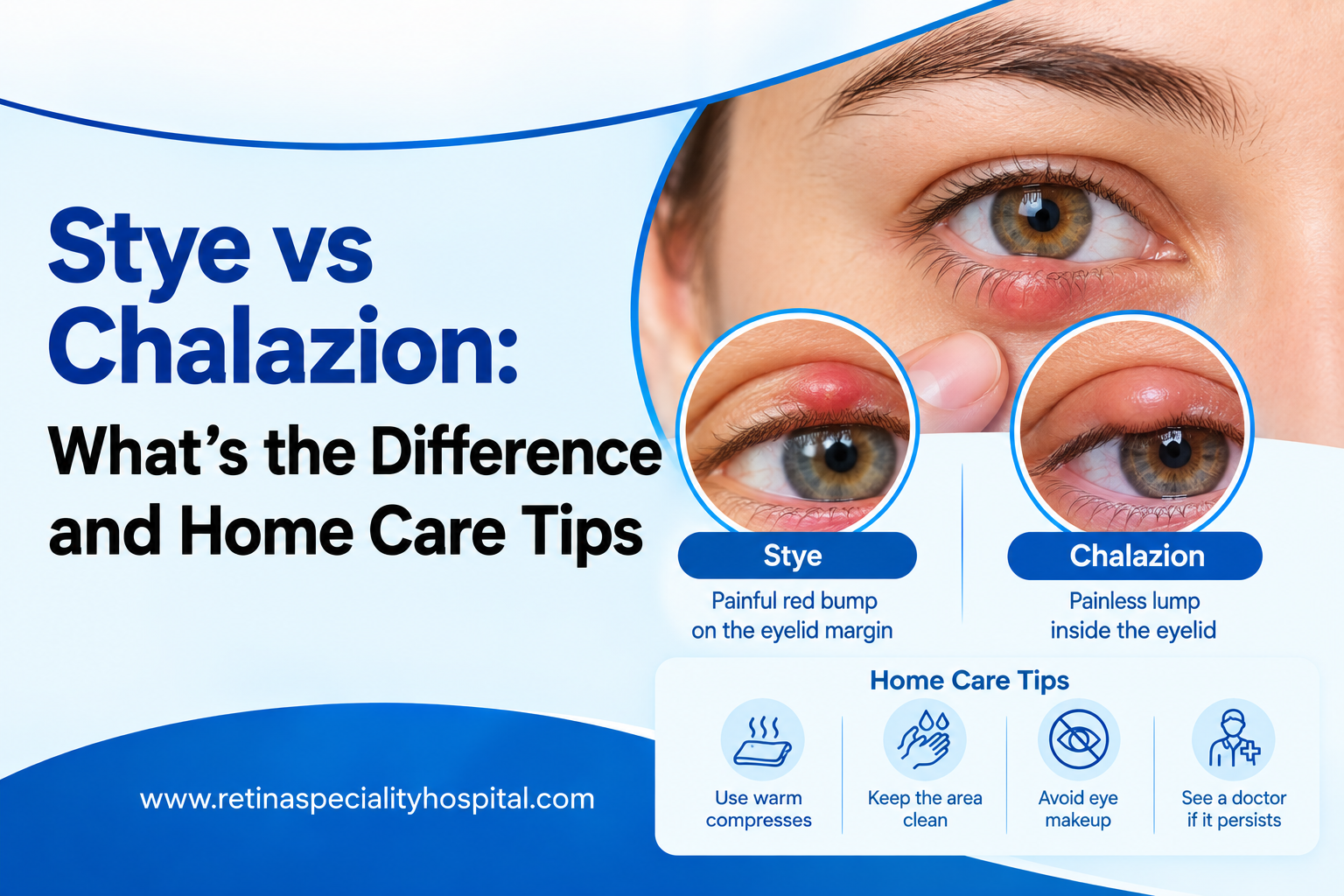
- Stye formation
Lower Eyelid Swelling
Lower eyelid swelling is often linked to:
- Water retention
- Fatigue
- Sinus pressure
- Aging
One Eye Swelling
The long-tail keyword What causes swelling in only one eye is often associated with:
- Stye
- Eye injury
- Insect bite
- Local infection
An eye examination at an Eye hospital in Indore can identify the exact cause.
Table: Common Swollen Eyes Causes and Treatments
| Cause | Symptoms | Treatment |
| Allergy | Itching, redness | Anti-allergy medication |
| Infection | Pain, discharge | Antibiotics |
| Lack of sleep | Puffy eyes | Rest and hydration |
| Fluid retention | Morning swelling | Reduce salt intake |
| Sinus infection | Facial pressure | Sinus treatment |
| Cosmetic irritation | Burning sensation | Stop product use |
Eye Allergy Symptoms and Their Impact on Eye Health
Allergies are one of the leading triggers of swollen eyes.
Common Eye allergy symptoms include:
- Itching
- Watering
- Burning
- Redness
- Puffiness
Repeated allergic reactions can affect eye comfort and daily activities.
Preventive steps include:
- Avoiding dust exposure
- Using protective eyewear
- Keeping surroundings clean
- Limiting pollen exposure
Under Eye Swelling and Lifestyle Factors
Lifestyle plays a major role in eye health.
Factors That Increase Under Eye Swelling
- Smoking
- Alcohol consumption
- Excess screen time
- Sleep deprivation
- Poor nutrition
Healthy lifestyle habits help reduce swelling naturally.
Nutritional Deficiencies Linked to Puffy Eyes
The question Which deficiency causes puffy eyes is commonly searched online.
Deficiencies linked to eye puffiness include:
- Vitamin K deficiency
- Iron deficiency
- Dehydration
- Protein deficiency
A balanced diet supports healthy skin and eye tissues.
Foods beneficial for eye health include:
- Green vegetables
- Citrus fruits
- Nuts
- Fish rich in omega-3
When Swollen Eyes Become Serious
Some eye conditions should never be ignored.
Warning signs include:
- Persistent swelling beyond 48 hours
- Vision problems
- Severe redness
- Light sensitivity
- Swelling spreading to the face
Early evaluation at an Eye hospital in Indore helps prevent complications.
Preventing Swollen Eyes Naturally
Simple daily habits can help reduce risk.
Prevention Tips
- Wash hands frequently
- Remove makeup before sleep
- Avoid expired cosmetics
- Sleep adequately
- Stay hydrated
- Manage allergies early
- Limit screen exposure
These steps reduce chances of Under eye swelling and irritation.
Expert Insights From Eye Care Specialists
According to eye care professionals, many cases of swollen eyes are preventable through healthy lifestyle habits and early allergy management.
Experts at an Eye hospital in Indore often recommend:
- Routine eye checkups
- Allergy control measures
- Proper hydration
- Reduced screen strain
- Timely treatment of infections
Early intervention improves recovery outcomes significantly.
Real Patient Case Study
A 34-year-old office worker visited an Eye specialist in Indore after experiencing repeated morning eye swelling and irritation for several weeks. The patient initially assumed lack of sleep was the only cause.
After a detailed examination, doctors identified allergic conjunctivitis combined with excessive screen exposure. The patient received lubricating eye drops, allergy medication, and lifestyle guidance.
Within two weeks:
- Swelling reduced significantly
- Eye redness improved
- Sleep quality improved
- Eye strain decreased
This case highlights the importance of early diagnosis and professional Eye Treatment in Indore.
FAQ’s About Eye Treatment
1. What is the most common reason for eye swelling?
The most common reason for swollen eyes is allergies caused by dust, pollen, pollution, or cosmetic products. Allergic reactions trigger irritation, itching, redness, and fluid buildup around the eyelids. Lack of sleep and dehydration can also contribute to temporary eye puffiness.
2. How do I stop my swollen eyes?
You can reduce swollen eyes by applying a cold compress, drinking enough water, getting proper sleep, and avoiding allergens. Mild swelling often improves naturally within one or two days. Persistent swelling or pain may require professional eye treatment from a specialist.
3. Do swollen eyes go back to normal?
Yes, swollen eyes usually return to normal once the underlying cause improves. Temporary swelling from allergies, crying, fatigue, or lack of sleep often disappears quickly. However, infections or severe inflammation may need proper medical treatment for complete recovery and comfort.
4. Which deficiency causes puffy eyes?
Vitamin deficiencies, especially low Vitamin K, iron deficiency, dehydration, and inadequate protein intake, can contribute to puffy eyes. Poor nutrition affects blood circulation and fluid balance around the eyes. Eating healthy foods and staying hydrated may help reduce eye puffiness naturally.
5. What causes swelling in only one eye?
Swelling in only one eye may occur due to a stye, eye infection, insect bite, allergy, injury, or blocked oil gland. One-sided swelling should not be ignored if it includes pain, redness, discharge, or vision changes. Medical evaluation helps identify the exact cause.
6. What is the best treatment for swollen eyes?
The best treatment depends on the cause of the swelling. Cold compresses, hydration, proper sleep, and allergy control help mild cases. Eye infections may require antibiotics, while severe inflammation needs medical care from an experienced eye specialist for safe recovery.
7. Why is my eye swollen but I don’t have a stye?
Eye swelling without a stye can result from allergies, sinus problems, irritation, fluid retention, infections, lack of sleep, or excessive eye rubbing. Puffiness may also develop after crying or prolonged screen use. Persistent swelling should be checked by an eye doctor.
8. How long does eyelid swelling last?
Mild eyelid swelling often improves within 24 to 48 hours, especially if caused by allergies, fatigue, or irritation. Infections or more serious inflammation may last longer and require treatment. Persistent swelling beyond a few days should be examined by an eye specialist.
Conclusion
Swollen eyes can develop for many reasons, including allergies, infections, fluid retention, poor sleep, stress, and irritation. While mild swelling often improves with simple home remedies, persistent symptoms should never be ignored. Early diagnosis helps prevent complications and ensures faster recovery.
Maintaining healthy habits like proper hydration, good sleep, reduced screen time, and regular eye hygiene can significantly reduce the risk of puffiness and inflammation. If you experience repeated swelling, redness, pain, or vision discomfort, consulting an experienced Eye specialist in indore is the safest approach.
Professional Eye Treatment in Indore provides accurate diagnosis and personalized treatment plans for every patient. Whether the issue is allergy-related, infection-based, or linked to lifestyle factors, timely care supports long-term eye health and comfort.
If you or your family members are struggling with swollen eyes, redness, or irritation, visit a trusted Eye hospital in Indore for expert guidance and advanced eye care support.