









Eye infections are more common than most people realize. According to global health data, conjunctivitis alone affects around 6 million people in India every year. Most eye infections are not dangerous when caught early, but ignoring them or treating them incorrectly can lead to serious complications, including permanent vision damage.
If your eyes are red, watery, itchy, or feel uncomfortable, you may be dealing with an eye infection. Getting the right guidance matters. Whether you are managing mild symptoms at home or looking for professional eye treatment in Indore, understanding how to care for your eyes during an infection makes a real difference in how quickly you recover.
What Causes Eye Infections and Why Early Care Matters
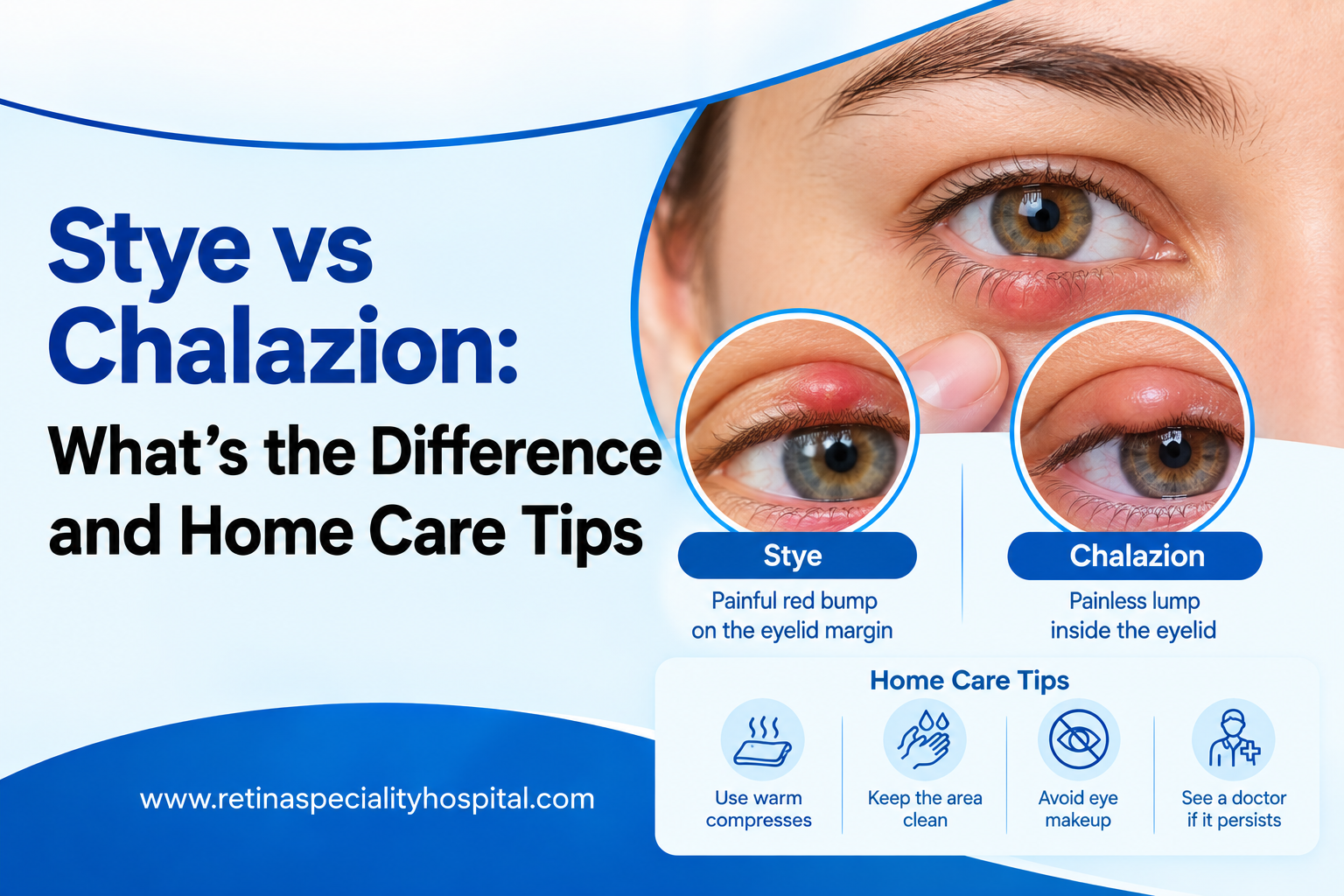
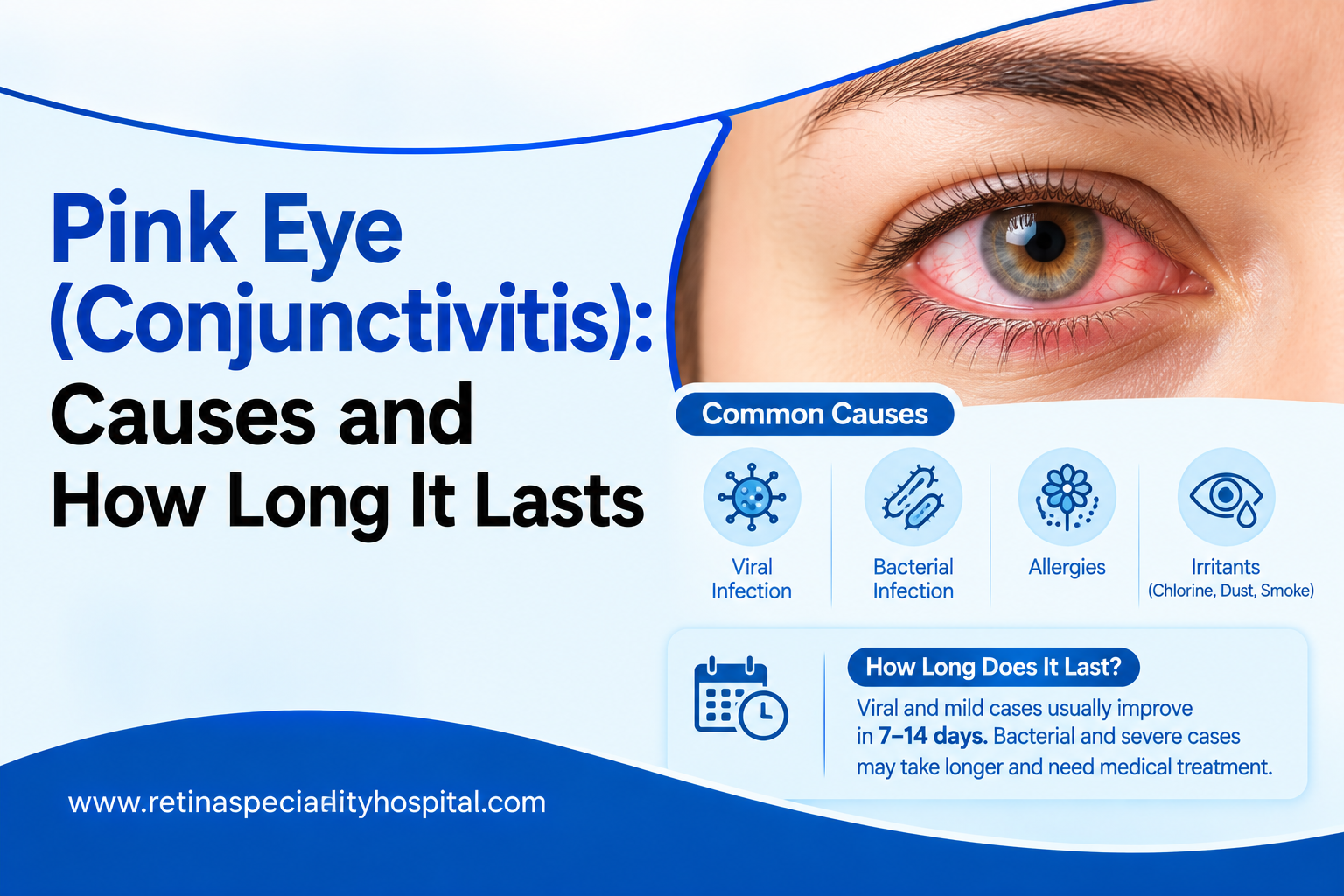
An eye infection happens when bacteria, viruses, or fungi enter the eye or surrounding tissue. The most common types include conjunctivitis (pink eye), styes, keratitis, and blepharitis. Each type has different symptoms and recovery timelines.
Common causes of eye infections include:
- Touching your eyes with unwashed hands
- Sharing towels, pillowcases, or eye makeup
- Wearing contact lenses for too long or without proper hygiene
- Swimming in contaminated water
- Exposure to dust, smoke, or airborne allergens
- Viral illness such as a cold spreading to the eyes
Early care matters because most eye infections are contagious and can worsen quickly if ignored. Bacterial infections in particular can spread to deeper eye tissue if not treated promptly by a qualified eye doctor in Indore.
Common Eye Infection Symptoms You Should Not Ignore
Recognizing symptoms early is the first step toward faster recovery. Many people mistake mild eye infections for tiredness or allergy flare-ups, which delays proper care.
Watch out for these signs:
- Redness in the white part of the eye
- Watery or thick discharge from the eye
- Crusty eyelids, especially in the morning
- Sensitivity to light
- A gritty or burning sensation
- Swelling around the eye or eyelid
- Blurred vision that does not clear when you blink
If you experience sudden vision loss, severe pain, or symptoms that worsen rapidly, visit an eye hospital in Indore without delay. These could signal a more serious infection that needs urgent attention.
Eye Infection Care Tips for Faster Recovery
The way you care for your eyes during an infection has a direct impact on how quickly you heal. These tips are based on standard eye care practice and are suitable for most common eye infections.
1. Keep Your Hands Clean at All Times
Washing your hands before and after touching your face or eyes is the single most effective way to prevent the infection from spreading or getting worse. Use soap and water for at least 20 seconds. Avoid rubbing your eyes, even when they feel itchy, as this pushes bacteria or viral particles deeper into the eye surface.
2. Avoid Sharing Personal Items
During an active infection, do not share towels, pillowcases, face cloths, or eye makeup with anyone. Eye infections, especially viral conjunctivitis, spread very easily through contact with contaminated surfaces. Wash your pillowcase daily during the infection period.
3. Do Not Wear Contact Lenses
If you wear contact lenses, stop using them as soon as you notice infection symptoms. Continuing to wear contacts during an infection increases irritation and slows healing. Switch to glasses until your eye doctor confirms the infection has cleared. Always clean and store lenses properly once you resume wearing them.
4. Clean Around Your Eyes Gently
Use a clean, damp cloth or sterile cotton pad to gently wipe away any discharge from your eyelids. Always wipe from the inner corner of the eye outward, and use a fresh pad for each eye. This prevents spreading the infection from one eye to the other.
5. Protect Your Eyes from Irritants
During recovery, avoid exposure to smoke, dust, wind, and bright sunlight. These irritants slow healing and increase discomfort. Wearing sunglasses outdoors during the recovery period helps shield sensitive eyes from additional irritation.
6. Follow Your Doctor’s Instructions Carefully
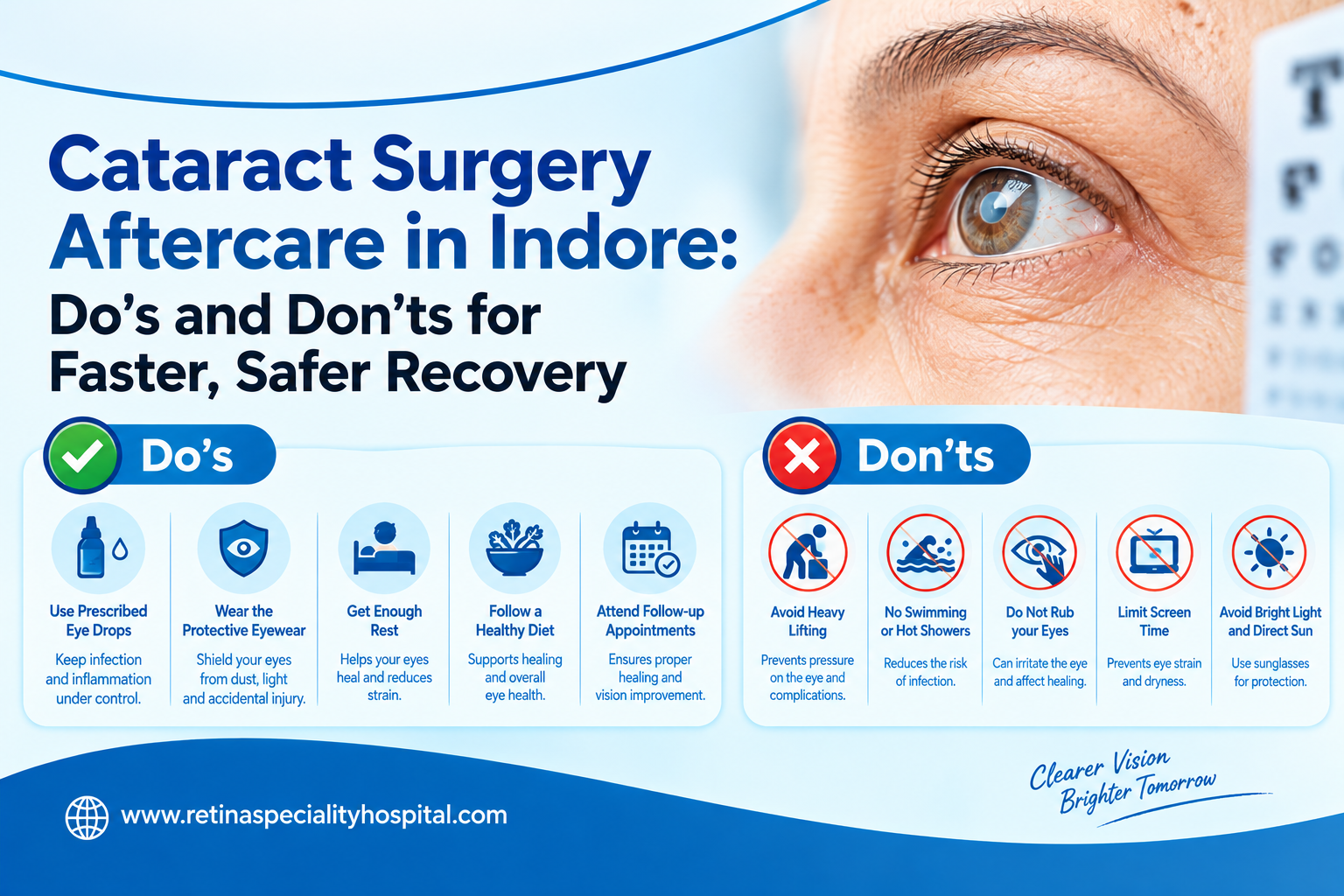
If you have been prescribed eye drops or ointment by an eye specialist in Indore, use them exactly as directed. Do not stop the course early just because symptoms seem to improve. Completing the full prescribed course is important to prevent the infection from returning.
Red Eyes After Bathing: Causes, Prevention, and When to See a Doctor
Many people experience red eyes after bathing or swimming. This is a common concern and is worth understanding separately.
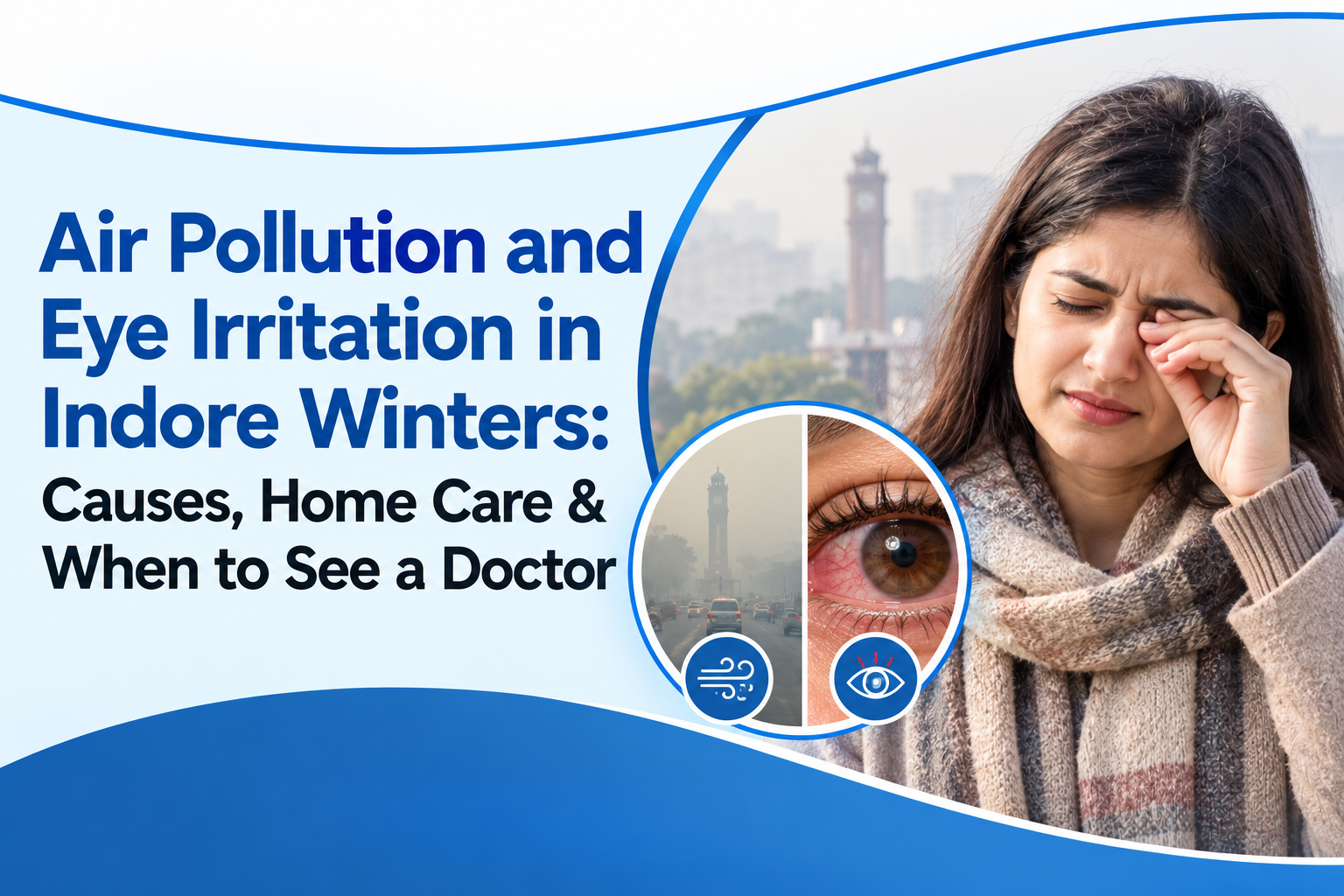
Red eyes after bathing are usually caused by exposure to chlorine in swimming pools, soap or shampoo entering the eye, or irritation from hard water. In most cases, this is not an infection but rather a chemical or physical irritant causing the eye surface to react.
How to prevent red eyes after bathing:
- Rinse your face with clean water after swimming or bathing
- Keep eyes closed when washing hair or applying face wash
- Wear goggles when swimming in chlorinated pools
- Use gentle, fragrance-free products near the eye area
However, if red eyes after bathing are accompanied by discharge, pain, or do not clear within a few hours, it is worth visiting a best eye specialist in Indore to rule out an underlying infection. Repeated irritation can sometimes make the eye more vulnerable to infection.
Eye Infection Recovery: What Helps and What Does Not
| What Helps Recovery | What Slows Recovery |
| Washing hands frequently | Rubbing or touching the eyes |
| Following prescribed treatment | Stopping medication early |
| Keeping the eye area clean | Sharing towels or makeup |
| Resting your eyes regularly | Wearing contact lenses |
| Wearing sunglasses outdoors | Ignoring worsening symptoms |
| Visiting a doctor promptly | Self-diagnosing and self-treating |
| Using clean cotton for eye cleaning | Using the same cloth for both eyes |
This table gives a clear picture of the habits that support faster healing versus those that delay it. Small daily choices during recovery make a significant difference to how quickly eye inflammation management is achieved.
Effective Ways to Reduce Eye Infection Symptoms Quickly
While professional treatment is always the most reliable route, there are several doctor-approved supportive steps that help reduce discomfort and speed up the healing process.
1. Rest Your Eyes More Than Usual
Screen time strains the eyes under normal conditions. During an infection, the eye surface is already inflamed and sensitive. Reducing time on phones, computers, and televisions gives your eyes more time to recover. Take regular breaks and allow your eyes to rest throughout the day.
2. Stay Well Hydrated
Your body needs adequate fluids to fight infection and maintain healthy tear production. Drinking enough water throughout the day supports overall eye health care and keeps the eye surface from drying out, which can worsen discomfort during an infection.
3 .Avoid Eye Makeup During Recovery
Mascara, eyeliner, and eyeshadow can harbor bacteria and introduce further irritants into an already infected eye. Avoid all eye makeup until your eye doctor confirms full recovery. Discard any makeup products that were used just before or during the infection to avoid re-infection.
4. Do Not Use Old or Expired Eye Drops
Using eye drops that have expired or have been open for longer than the recommended period can introduce bacteria directly into the eye. Always check expiry dates and follow the storage instructions on the packaging.
When to Visit an Eye Hospital in Indore
Most mild eye infections improve within a few days with proper care. However, certain signs indicate that professional attention is needed without delay.
See a doctor if you experience:
- Symptoms that do not improve after 48 to 72 hours
- Increasing pain or pressure in the eye
- Significant swelling of the eyelid
- Vision becoming blurred or distorted
- A greenish or thick yellowish discharge
- The infection spreading to both eyes
- High fever alongside eye symptoms
Visiting an eye hospital in Indore early is always a better decision than waiting. A qualified eye doctor in Indore can identify the exact type of infection, whether it is bacterial, viral, or fungal, and prescribe the most appropriate treatment. This approach prevents complications and shortens recovery time considerably.
Preventing Eye Infections Before They Start
Vision protection tips are just as important as treatment tips. Preventing an infection is always easier than recovering from one.
Simple habits that protect your eyes:
- Never touch your eyes with unwashed hands
- Clean your contact lenses and case thoroughly every day
- Replace your contact lens case every three months
- Avoid sharing eye makeup or applicators with others
- Wash your face thoroughly every night to remove dirt and pollutants
- Get regular eye check-ups at a trusted eye hospital in Indore
- Protect your eyes from dust and wind with appropriate eyewear
These habits significantly reduce the risk of bacterial and viral eye infections and support long-term eye health care.
Case Study: Faster Recovery Through Timely Care
A 32-year-old woman visited an eye clinic in Indore after experiencing redness, discharge, and irritation in her left eye for three days. She had been applying an old antibiotic eye drop she found at home, which had expired six months earlier. Her symptoms had not improved and were beginning to affect her right eye as well.
On examination, she was diagnosed with bacterial conjunctivitis. Because she had been using an ineffective and expired medication, the infection had not responded to treatment and was spreading. The doctor prescribed a fresh course of the appropriate antibiotic eye drops and advised her to stop wearing contact lenses, wash her pillowcases daily, and avoid touching her eyes.
Within four days of starting the correct treatment and following proper hygiene steps, both eyes had cleared completely. She was also advised on how to store and check the expiry of eye medications going forward.
This case shows how well-intentioned but incorrect self-treatment can delay recovery and make things worse. Timely professional eye treatment in Indore combined with consistent daily hygiene habits led to a full and quick recovery.
FAQ’s About Eye treatment in indore
1. How to recover fast from an eye infection?
Follow your doctor’s treatment plan, use prescribed medications, keep your eyes clean, avoid touching them, and get enough rest. Proper hygiene helps speed up recovery and prevents spreading infection.
2. How to speed up eye recovery?
Use medications as directed, avoid rubbing your eyes, stay hydrated, limit screen time, and wear protective eyewear if needed. Regular follow-up visits help ensure proper healing.
3. What is the 20 minute rule for eyes?
The 20-20-20 rule recommends that every 20 minutes, look at something 20 feet away for 20 seconds. This helps reduce digital eye strain and eye fatigue.
4. How fast can an eye infection heal?
Many mild eye infections improve within a few days to two weeks with proper treatment. Recovery time depends on the type of infection and overall eye health.
5. What are the 7 signs of infection?
Common signs include redness, pain, swelling, discharge, excessive tearing, blurred vision, and sensitivity to light. Seek medical care if symptoms worsen or persist.
6. What kills bacteria in the eye?
Bacterial eye infections are usually treated with antibiotic eye drops or ointments prescribed by a doctor. Proper treatment helps eliminate bacteria and prevent complications.
7. What is the main reason for eye infection?
Eye infections are commonly caused by bacteria, viruses, fungi, poor hygiene, contaminated contact lenses, allergies, or exposure to infected individuals and environments.
8. How to know if an eye infection is cured?
An eye infection is usually considered healed when redness, pain, discharge, swelling, and irritation disappear, and vision returns to normal. A doctor can confirm complete recovery.
9. Can honey help treat eye infections?
Honey has natural antibacterial properties, but it should not be used in the eyes without medical guidance. Improper use may cause irritation or worsen the infection. Always consult an eye specialist.
Conclusion
Eye infections are uncomfortable and can affect your daily life, but most cases resolve quickly when handled correctly. The key is to act early, maintain clean habits, and follow professional guidance rather than relying on guesswork or expired medications.
Good hygiene, proper eye care routines, and avoiding common mistakes such as wearing contact lenses during an infection or sharing personal items can cut your recovery time significantly. Understanding the difference between simple irritation and a genuine infection also helps you make faster decisions about when to seek care.
If you are in Indore and dealing with persistent or worsening eye infection symptoms, the right support is close by. A trusted best eye specialist in Indore can diagnose your condition accurately and set you on the fastest path to recovery. Your vision is worth protecting, and getting the right eye treatment in Indore at the right time makes all the difference.
Do not let an eye infection drag on. Early attention today means clearer, healthier vision tomorrow.