







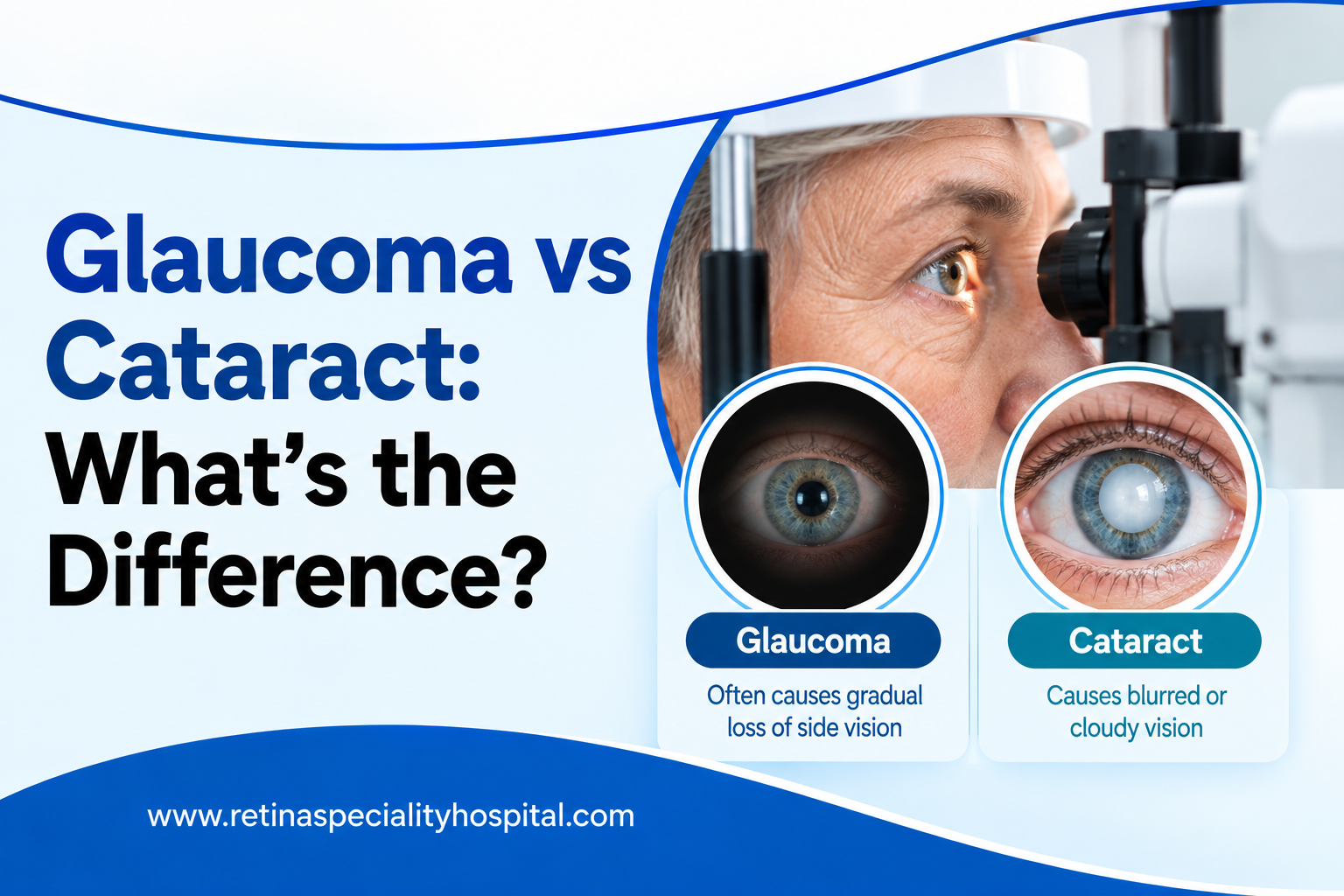
Glaucoma and cataract are both common age-related eye conditions, but they affect completely different parts of the eye and have very different outcomes. Cataract clouds the natural lens and causes blurry vision that can be fully corrected with surgery. Glaucoma, on the other hand, damages the optic nerve due to increased eye pressure and causes vision loss that cannot be reversed.
Many patients at Retina Speciality Hospital, a leading eye hospital in Indore, confuse the two because both are more common after age 60 and both can cause blurred vision. This guide breaks down exactly how glaucoma and cataract differ, so you know what to watch for and which specialist to see.
What Is a Cataract?
A cataract develops when the naturally clear lens inside your eye becomes cloudy. Light cannot pass through cleanly anymore, making vision look hazy, foggy, or as if you’re looking through a dirty window.
Cataracts form gradually as proteins in the lens break down and clump together with age. Other causes include diabetes, prolonged steroid use, smoking, or a previous eye injury. The good news is that cataract-related vision loss can be completely reversed through a simple, well-established surgery.
What Is Glaucoma?
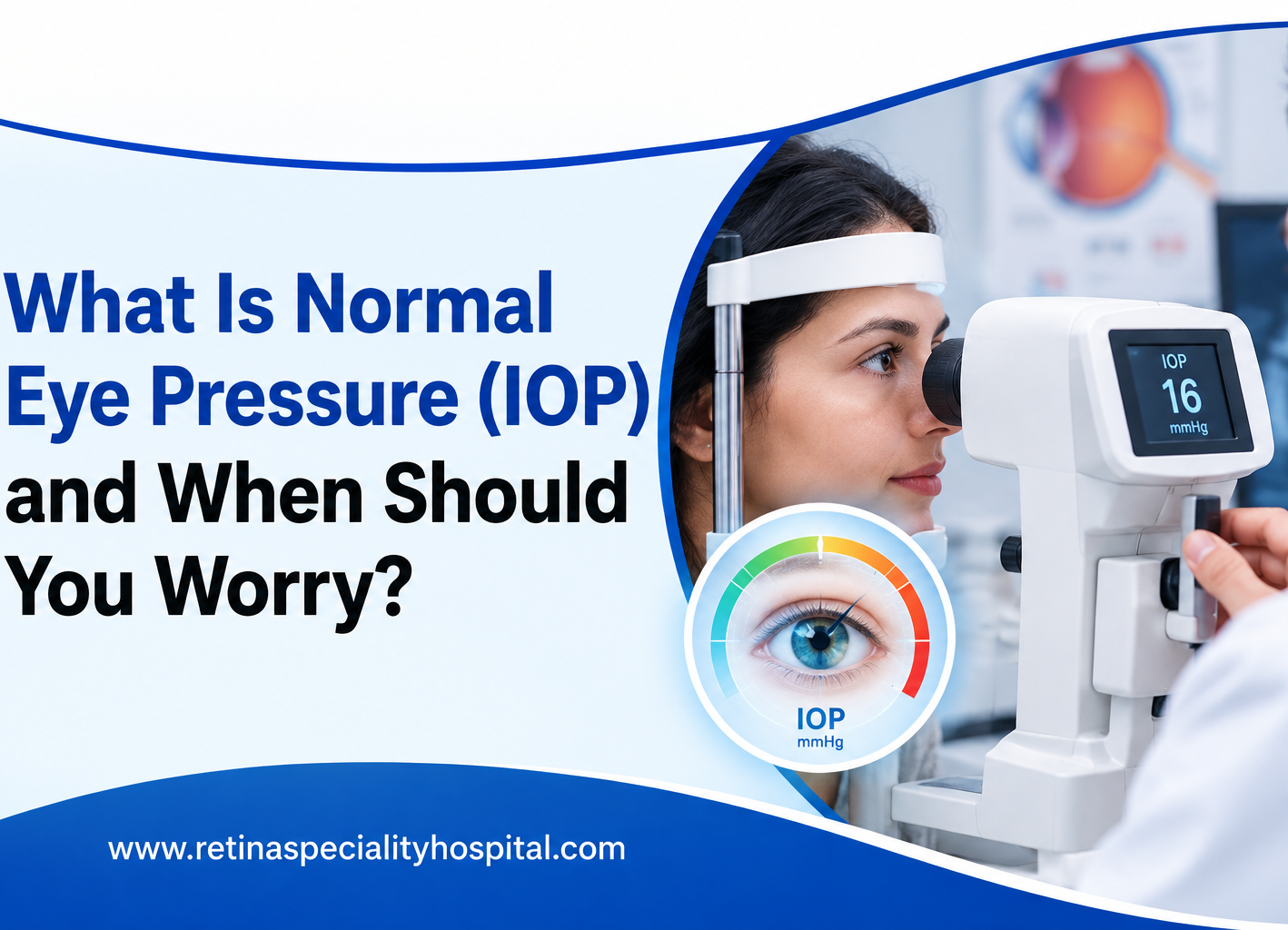
Glaucoma is a group of conditions that damage the optic nerve, the structure responsible for carrying visual signals from your eye to your brain. This damage is usually caused by increased intraocular pressure (IOP), though some patients develop glaucoma even at normal pressure.
Unlike cataract, glaucoma-related vision loss is permanent and cannot be reversed once it occurs. This is exactly why early detection through routine glaucoma screening in Indore is so important, since treatment can only preserve the vision you still have.
Glaucoma vs Cataract: Key Differences at a Glance
| Feature | Cataract | Glaucoma |
| Affected part of eye | Lens | Optic nerve |
| Main cause | Protein clumping in the lens with age | Increased eye pressure damaging the nerve |
| Onset | Slow and gradual | Slow (open-angle) or sudden (angle-closure) |
| Pain | Usually painless | Usually painless, except during an acute attack |
| Vision loss | Reversible with surgery | Irreversible, only progression can be slowed |
| Common symptoms | Blurry, foggy, or dim vision; glare from lights | Gradual peripheral vision loss; halos; in acute cases, severe pain |
| Diagnosis | Slit lamp exam | Tonometry, OCT, visual field test |
| Treatment | Cataract surgery (lens replacement) | Eye drops, laser treatment, or surgery |
| Can it be cured | Yes, with surgery | No, only managed and controlled |
Symptoms: How to Tell Them Apart
Cataract symptoms usually include:
- Blurry or cloudy vision
- Colors appearing faded or yellowish
- Increased sensitivity to glare, especially while driving at night
- Frequent changes in your glasses prescription
- Difficulty reading in dim light
Glaucoma symptoms usually include:
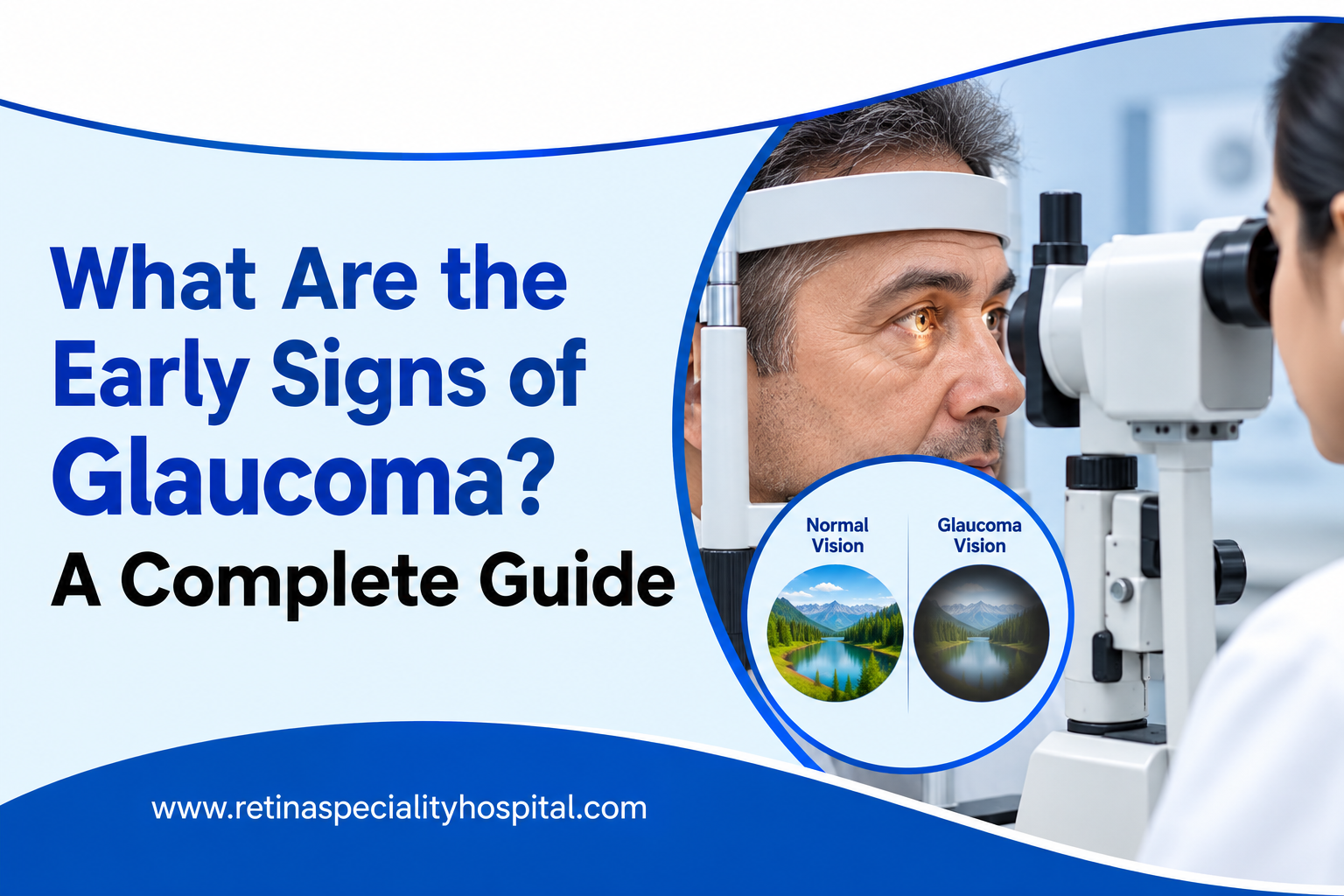
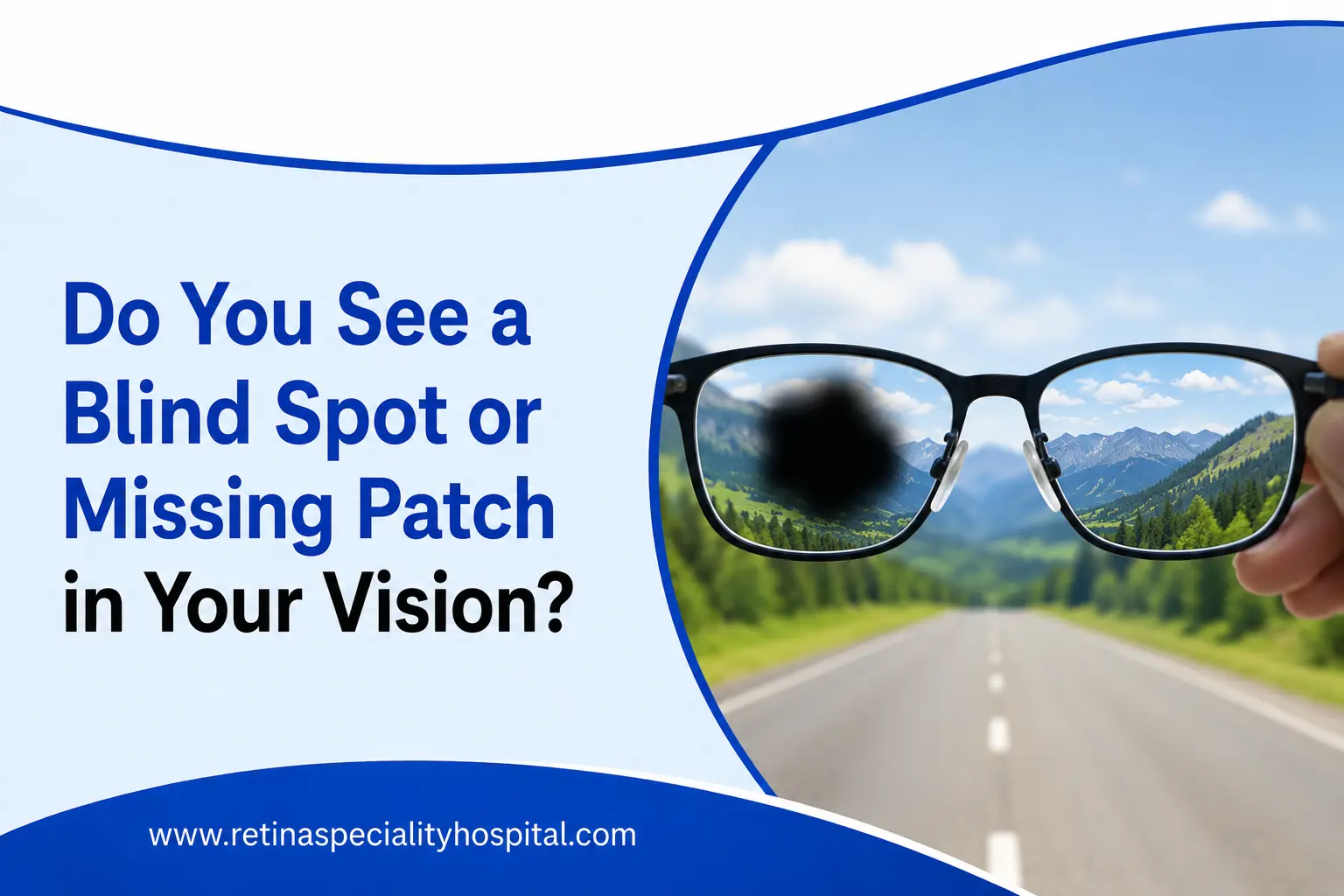
- Gradual loss of side (peripheral) vision that often goes unnoticed at first
- Seeing halos or rings around lights
- In acute angle-closure attacks: sudden eye pain, redness, nausea, and rapidly blurred vision
If you notice sudden, severe eye pain with nausea and vomiting, treat it as an emergency and visit an eye hospital immediately rather than waiting.
Can You Have Both Glaucoma and Cataract Together?
Yes, and it’s actually quite common. Both conditions become more frequent with age, so many patients over 60 develop cataract and glaucoma at the same time. Having one does not directly cause the other, but they do share age as a common risk factor.
If you have both conditions, your cataract specialist in Indore and glaucoma doctor in Indore will coordinate your treatment plan carefully. In many cases, cataract surgery can be performed safely even if you have glaucoma, and combined surgical approaches are sometimes used to manage both conditions together.
Treatment Approach: Cataract vs Glaucoma
Cataract treatment is straightforward once vision starts interfering with daily activities like reading, driving, or watching television:
- Cataract surgery (phacoemulsification) is the only effective treatment
- The cloudy natural lens is removed and replaced with a clear artificial lens (IOL)
- It is typically a quick, outpatient procedure performed under local anesthesia
- Vision improvement is usually noticeable within a few days
Glaucoma treatment focuses on controlling eye pressure to prevent further nerve damage, since existing damage cannot be reversed:
- Prescription eye drops to lower intraocular pressure
- Laser treatment such as Selective Laser Trabeculoplasty (SLT)
- Minimally invasive glaucoma surgery (MIGS) or drainage surgery for advanced cases
- Regular monitoring through OCT scans and visual field tests
Why Early Diagnosis Matters for Both Conditions
The biggest similarity between glaucoma and cataract is this: early detection dramatically changes the outcome. Cataract, if left untreated for years, can become “mature” and harder to operate on safely. Glaucoma, if left undetected, can silently destroy peripheral vision before you notice anything is wrong.
Routine eye checkups at a well-equipped eye hospital in Indore, especially after age 40, remain the most reliable way to catch either condition early.
Key Takeaways
- Cataract clouds the eye’s lens; glaucoma damages the optic nerve
- Cataract-related vision loss is reversible with surgery; glaucoma-related vision loss is permanent
- Both conditions become more common with age and can occur together
- Cataract usually causes blurry, glare-sensitive vision; glaucoma often causes gradual peripheral vision loss
- Regular eye exams remain the best way to catch both conditions early
Faqs about Glaucoma vs Cataract
1. Which is more serious, glaucoma or cataract?
Glaucoma is generally considered more serious because the vision loss it causes is permanent, while cataract-related vision loss can be fully corrected with surgery. However, both conditions can lead to significant vision impairment if left untreated.
2. Is cataract surgery safe for someone with glaucoma?
Yes, cataract surgery is generally safe for glaucoma patients, and your eye surgeon will take extra precautions to protect your optic nerve and manage your eye pressure during the procedure. In some cases, combined cataract and glaucoma surgery is recommended.
3. Can cataract cause glaucoma?
In rare cases, an advanced or swollen cataract can push against the eye’s drainage angle and trigger a specific type called phacomorphic glaucoma. This is uncommon but is one reason cataracts shouldn’t be left untreated for too long.
4. Does glaucoma affect near vision or distance vision?
Glaucoma primarily affects peripheral (side) vision first, while central and near vision are usually preserved until the disease is quite advanced. This is different from cataract, which typically blurs overall vision, including reading and close-up tasks.
5. Can lifestyle changes prevent glaucoma or cataract?
While neither condition can be completely prevented, healthy habits such as managing diabetes and blood pressure, wearing UV-protective sunglasses, avoiding smoking, and attending regular eye exams can lower your risk and support early detection.
Not sure whether your blurry vision is due to cataract, glaucoma, or both? Book a eye evaluation at Retina Speciality Hospital, a trusted eye hospital in Indore. Our cataract and glaucoma specialists will diagnose the exact cause and recommend the right treatment, whether that’s cataract surgery, glaucoma management, or a combined approach.