








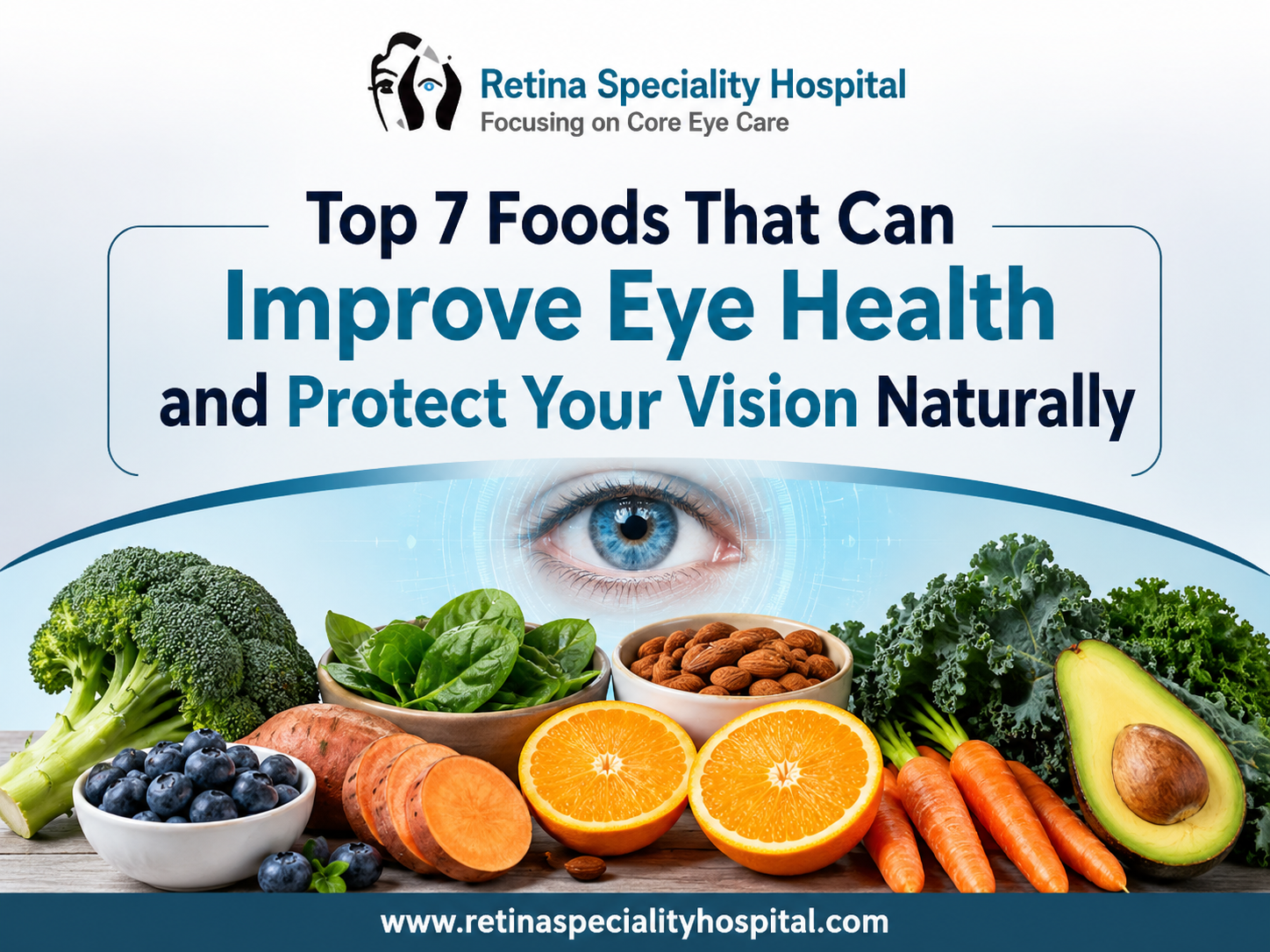
What you eat has a direct impact on your eye health. Studies show that nearly 80% of visual impairment worldwide is preventable or treatable, and diet plays a significant role in that prevention. Nutrients found in everyday foods help protect the retina, reduce the risk of cataracts, and slow down age-related vision loss.
Many people only think about their eyes when something goes wrong. But building strong eye health through daily food choices is one of the most practical steps anyone can take. Alongside regular visits to a trusted eye specialist in Indore, eating the right foods gives your eyes the support they need at every age.
Why Diet Matters for Your Eye Health
The eyes are among the most metabolically active organs in the body. They require a constant supply of specific nutrients to function properly and to protect the delicate tissues of the retina and lens from daily oxidative stress.
Oxidative stress occurs when free radicals, which are unstable molecules produced by factors like UV exposure, pollution, and normal body processes, damage cells over time. Antioxidant-rich foods help neutralize these free radicals before they can harm eye tissue.
Deficiencies in key nutrients are directly linked to conditions like macular degeneration, cataracts, dry eye syndrome, and night blindness. A diet that includes eye-friendly foods consistently reduces the risk of these conditions developing or progressing.
Regular consultations with a best eye specialist in Indore can also identify nutritional deficiencies early through a thorough eye examination, allowing for timely dietary adjustments.
The Top 7 Foods That Support Healthy Eyes
1. Carrots and Orange Vegetables
Carrots are one of the most well-known foods for healthy eyes, and for good reason. They are rich in beta-carotene, a form of vitamin A that the body converts as needed. Vitamin A is essential for maintaining the surface of the eye and for supporting good night vision.
A deficiency in vitamin A is one of the leading causes of preventable blindness in children globally. Including carrots, sweet potatoes, pumpkin, and other orange-coloured vegetables in your diet helps maintain adequate vitamin A levels throughout life.
Why they help:
- Beta-carotene supports the production of rhodopsin, a pigment in the eyes that helps you see in low light
- Vitamin A keeps the cornea moist and healthy
- These vegetables also contain antioxidants that protect eye cells from damage
2. Leafy Green Vegetables
Spinach, kale, fenugreek leaves, and other dark leafy greens are among the best foods for eye health available. They are packed with two powerful antioxidants called lutein and zeaxanthin.
These two nutrients are found in high concentrations in the macula, which is the central part of the retina responsible for sharp, detailed vision. Research consistently shows that diets high in lutein and zeaxanthin are associated with a significantly lower risk of age-related macular degeneration and cataracts.
Key benefits:
- Lutein and zeaxanthin act as a natural filter against harmful blue light
- They protect the macula from oxidative damage
- Regular intake supports long-term retinal health
People who struggle to eat enough greens and are concerned about their retinal health can speak with an eye doctor in Indore about whether additional support is needed.
3. Fatty Fish
Salmon, mackerel, sardines, and tuna are excellent sources of omega-3 fatty acids, particularly DHA (docosahexaenoic acid). DHA is a structural component of the retina and makes up a large portion of the fatty acids found in retinal cells.
A diet low in omega-3s is linked to dry eye syndrome, where the eyes do not produce enough quality tears to stay properly lubricated. This is an increasingly common problem, especially among people who spend long hours on screens.
Why fatty fish matters for your eyes:
- DHA supports the structural integrity of retinal cells
- Omega-3s help regulate the production and quality of tears
- Regular intake may reduce the risk of age-related macular degeneration
If fresh fish is not easily available, canned varieties in water or olive oil are a convenient alternative that retains most of the nutritional value.
4. Eggs
Eggs are one of the most nutrient-dense eye nutrition foods you can eat. The yolk contains lutein, zeaxanthin, vitamin A, and zinc, all in forms that the body absorbs very efficiently.
Zinc plays a particularly important role in eye health. It helps vitamin A produce melanin, a protective pigment in the eye. Zinc is also concentrated in the retina and supports the overall health of the back of the eye.
Nutritional highlights of eggs for eye health:
- High bioavailability of lutein and zeaxanthin compared to plant sources
- Zinc supports retinal function and protects against night blindness
- Vitamin A in egg yolk directly supports corneal health
Eggs are also affordable and easy to include in daily meals, making them a practical choice for supporting natural eye care through diet.
5. Citrus Fruits and Bell Peppers
Vitamin C is a powerful antioxidant that plays a protective role in the eye. It is found in high concentrations in the lens of the eye, where it helps protect against oxidative damage that contributes to cataract formation.
Oranges, lemons, amla (Indian gooseberry), guava, and bell peppers are among the richest sources of vitamin C in everyday diets. Amla in particular is one of the highest natural sources of vitamin C available and is widely consumed across India.
How vitamin C protects your vision:
- It neutralizes free radicals in the lens and surrounding tissues
- Regular intake is associated with a lower risk of cataracts
- Vitamin C also supports the health of blood vessels in the eye
Including a variety of citrus fruits and colourful vegetables as part of a diet for better eyesight is a simple and effective daily habit.
6. Nuts and Seeds
Almonds, walnuts, sunflower seeds, and flaxseeds are excellent sources of vitamin E and omega-3 fatty acids. Vitamin E is another important antioxidant that protects eye cells from damage caused by free radicals.
Research suggests that vitamin E may slow the progression of age-related macular degeneration and cataracts, particularly in people who are already at risk. Including a small handful of mixed nuts or seeds each day is an easy way to boost vitamin E intake.
Best dry fruits and seeds for eye health:
- Almonds are rich in vitamin E, which protects the lens
- Walnuts provide omega-3s that support retinal health
- Sunflower seeds offer both vitamin E and zinc
- Flaxseeds are one of the best plant-based sources of omega-3 fatty acids
This connects directly to the long-tail keyword focus: improving your vision naturally with dry fruits and seeds is a well-supported nutritional approach.
7. Legumes and Pulses
Lentils, chickpeas, kidney beans, and other legumes are rich in zinc and bioflavonoids. Zinc helps vitamin A travel from the liver to the retina to produce melanin, which is a protective pigment in the eyes.
Bioflavonoids help protect the retina and may reduce the risk of cataracts and macular degeneration. For vegetarians and those who do not eat fish or meat regularly, legumes provide an important source of these eye-protective nutrients.
Why legumes belong in your eye-health diet:
- Zinc in legumes supports retinal function and helps prevent night blindness
- They are affordable and widely available across India
- A daily serving of dal or pulses is one of the easiest ways to support long-term eye health nutrition
Nutrients and Their Eye Health Benefits: Quick Reference Table
| Nutrient | Key Food Sources | Eye Health Benefit |
| Vitamin A / Beta-Carotene | Carrots, sweet potato, pumpkin | Night vision, corneal health |
| Lutein and Zeaxanthin | Spinach, kale, eggs | Macular protection, blue light filter |
| Omega-3 Fatty Acids | Salmon, sardines, flaxseeds, walnuts | Retinal structure, dry eye relief |
| Vitamin C | Amla, oranges, bell peppers, guava | Lens protection, cataract prevention |
| Vitamin E | Almonds, sunflower seeds, walnuts | Antioxidant protection for eye cells |
| Zinc | Eggs, legumes, sunflower seeds | Supports vitamin A function, retinal health |
| Bioflavonoids | Lentils, chickpeas, berries | Retinal protection, cataract risk reduction |
This table gives a clear overview of how nutrients for healthy eyes map to specific food sources. Including a variety of these foods across your weekly meals covers most of the key nutritional bases for long-term vision protection.
How to Build an Eye-Healthy Diet Every Day
Eating for your eye health does not require an expensive or complicated diet. A few simple daily choices make a meaningful difference over time.
Practical tips for everyday eye nutrition:
- Add a serving of leafy greens like spinach or methi to at least one meal a day
- Include an egg at breakfast several times a week
- Eat a small handful of almonds or walnuts as a daily snack
- Use amla or fresh citrus as part of your morning routine
- Add dal or legumes to your lunch or dinner regularly
- Choose orange vegetables like carrots or sweet potato a few times a week
- Include fish in your meals two to three times a week if possible
These habits, maintained consistently over months and years, build a strong nutritional foundation that supports long-term vision health and reduces the risk of age-related eye conditions.
Diet Alone Is Not Enough: Why Regular Eye Check-ups Matter
Good nutrition supports eye health, but it does not replace professional eye care. Many serious eye conditions, including glaucoma, diabetic retinopathy, and early macular degeneration, have no noticeable symptoms in their early stages.
Regular eye examinations at a trusted eye hospital in Indore allow for early detection of these conditions before they affect your vision significantly. A qualified eye specialist in Indore can assess the health of your retina, lens, and optic nerve in ways that no diet change can reveal.
The combination of a nutrient-rich diet and regular professional eye care is the most effective strategy for protecting your vision as you age.
Case Study: Dietary Changes Supporting Better Eye Health
A 55-year-old man came to an eye clinic in Indore for a routine check-up. He had mild early-stage macular degeneration detected in one eye. He reported eating a diet low in vegetables and fruits, with very little fish or nuts included.
His eye doctor explained the role of lutein, zeaxanthin, omega-3 fatty acids, and vitamin C in slowing the progression of macular degeneration. He was guided to include spinach, eggs, walnuts, and amla in his daily diet and advised to return for a follow-up in six months.
At his six-month review, his macular examination showed no further progression. His overall diet had improved considerably, and he reported feeling less eye strain at the end of the day. He also started wearing UV-protective sunglasses regularly, another recommendation from his eye specialist.
While dietary changes alone cannot reverse macular degeneration, this case illustrates how foods that help prevent eye diseases and vision loss can work alongside professional eye treatment in Indore to support better outcomes. It also highlights the value of routine check-ups in catching conditions early enough to make a meaningful difference.
FAQ’s About Eye Treatment in Indore
1. What are the top 5 foods to improve eyesight?
The top foods for eye health include carrots, spinach, kale, fish rich in omega-3, and eggs. These foods contain nutrients that support healthy vision and help protect the eyes.
2. How to get 20/20 vision back?
Not everyone can naturally regain 20/20 vision. Treatment depends on the cause of vision loss and may include glasses, contact lenses, medication, or corrective eye procedures.
3. How to improve vision in 7 days by eating?
Healthy foods support eye health, but vision usually does not improve dramatically in seven days. Consistent nutrition, hydration, and healthy habits provide the best long-term benefits.
4. What is the best thing to eat for eyesight?
Leafy green vegetables like spinach and kale are among the best foods for eyesight because they contain lutein and zeaxanthin, nutrients that help protect the retina.
5. How to fix blurry vision naturally?
Blurry vision may improve by resting your eyes, staying hydrated, eating nutritious foods, and reducing screen strain. However, persistent blurry vision should be evaluated by an eye specialist.
6. What causes blurry vision?
Blurry vision can result from refractive errors, dry eyes, eye infections, cataracts, diabetes, retinal disorders, or prolonged screen use. An eye examination can identify the exact cause.
7. Can I improve my eyesight naturally?
Healthy eating, regular exercise, proper sleep, and eye protection can support eye health. However, natural methods cannot correct all vision problems such as nearsightedness or cataracts.
8. Can eyesight get better?
Yes, eyesight can improve when underlying issues such as dry eyes, infections, or nutritional deficiencies are treated. The outcome depends on the specific eye condition.
9. Which foods are not good for eyesight?
Foods high in sugar, processed snacks, fried foods, and excessive fast food may negatively affect eye health over time and increase the risk of certain vision problems.
10. What fruit is best for eye health?
Citrus fruits like oranges, lemons, and sweet limes are excellent for eye health because they contain vitamin C, which supports healthy blood vessels and eye tissues.
Conclusion
Your eyes work hard every single day, and what you feed your body has a direct effect on how well they hold up over time. The seven foods covered in this guide, including leafy greens, eggs, fatty fish, nuts, citrus fruits, orange vegetables, and legumes, are all widely available, affordable, and practical to include in daily Indian meals.
Each of these foods brings specific nutrients that protect different parts of the eye, from the retina and lens to the cornea and blood vessels. Building your meals around a variety of these foods creates a strong nutritional base for long-term vision health.
It is also important to remember that diet is one piece of a larger picture. Screen time, UV exposure, sleep, and underlying health conditions like diabetes all affect eye health too. A proactive approach that combines good nutrition with regular visits to a qualified eye doctor in Indore gives your eyes the best possible protection.
Whether you are looking to maintain strong vision as you age or are already noticing early changes, getting professional guidance from a best eye specialist in Indore is always a smart move. Combine that with the right foods on your plate, and you are taking real, effective steps toward protecting one of your most important senses.