








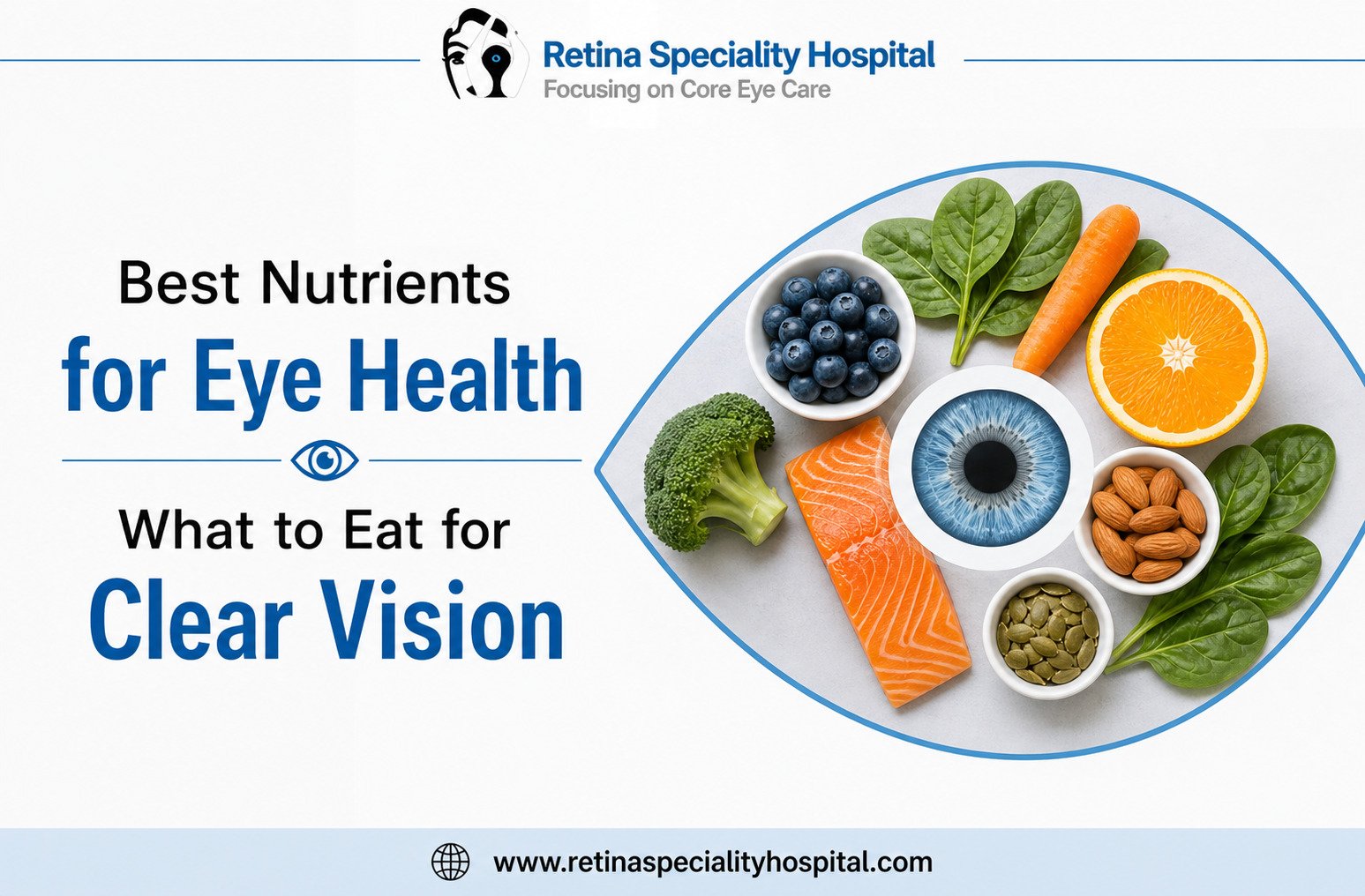
The World Health Organization reports that at least 2.2 billion people worldwide live with vision impairment. More than 1 billion of these cases were entirely preventable. Eye treatment in Indore is more accessible today than ever before, but the smartest protection starts with what you eat every day. The right eye health nutrition reduces your risk of cataracts, dry eyes, and age-related macular degeneration before these conditions even develop.
This guide covers the most important nutrients for clear vision, the best foods to include in your daily diet, and when to consult an eye specialist in Indore for professional care.
Why Nutrition is the Foundation of Good Eye Health
Your eyes work every single moment of the day. They need a constant supply of vitamins, antioxidants, and minerals to protect the retina, lens, cornea, and the blood vessels that feed them. Without this nutritional support, these structures become vulnerable to damage much earlier in life.
A well-planned diet for healthy eyes is one of the most affordable and effective tools in preventive eye care. Most of the foods for better eyesight that experts recommend are already part of traditional Indian meals. Specialists at every leading eye hospital in Indore include nutritional guidance as a regular part of long-term patient care.
Essential Vitamins for Eyes: What Your Body Actually Needs
Understanding which vitamin can reduce eye problems is the foundation of a smart eye care diet. Here are the essential vitamins for eyes that ophthalmologists recommend most consistently:
Vitamin A is the single most important nutrient for vision. It supports night vision, keeps the surface of the eye moist, and prevents a condition called xerophthalmia, which can lead to permanent blindness. Carrots, sweet potatoes, and dark leafy greens are rich sources.
Lutein and Zeaxanthin are powerful antioxidants for eye protection. They filter harmful blue light and build up a protective layer in the retina called the macular pigment. Spinach, kale, and egg yolks contain the highest natural concentrations of both.
Omega-3 Fatty Acids reduce inflammation throughout the eye and support the tear film that keeps eyes moist and comfortable. Salmon, sardines, flaxseeds, and walnuts are among the best sources available.
Vitamin C protects the tiny blood vessels inside the eye and is directly linked to a lower risk of cataracts in long-term studies. Amla, oranges, guava, and bell peppers are all excellent daily sources.
Vitamin E protects eye cells from oxidative stress caused by free radicals. Almonds, sunflower seeds, and avocados provide consistent amounts of this protective vitamin.
Zinc helps Vitamin A produce melanin, a pigment that protects the eye. Pumpkin seeds, chickpeas, and lean meat are reliable zinc sources in most Indian diets.
10 Best Foods for Eye Health That Help Prevent Cataracts
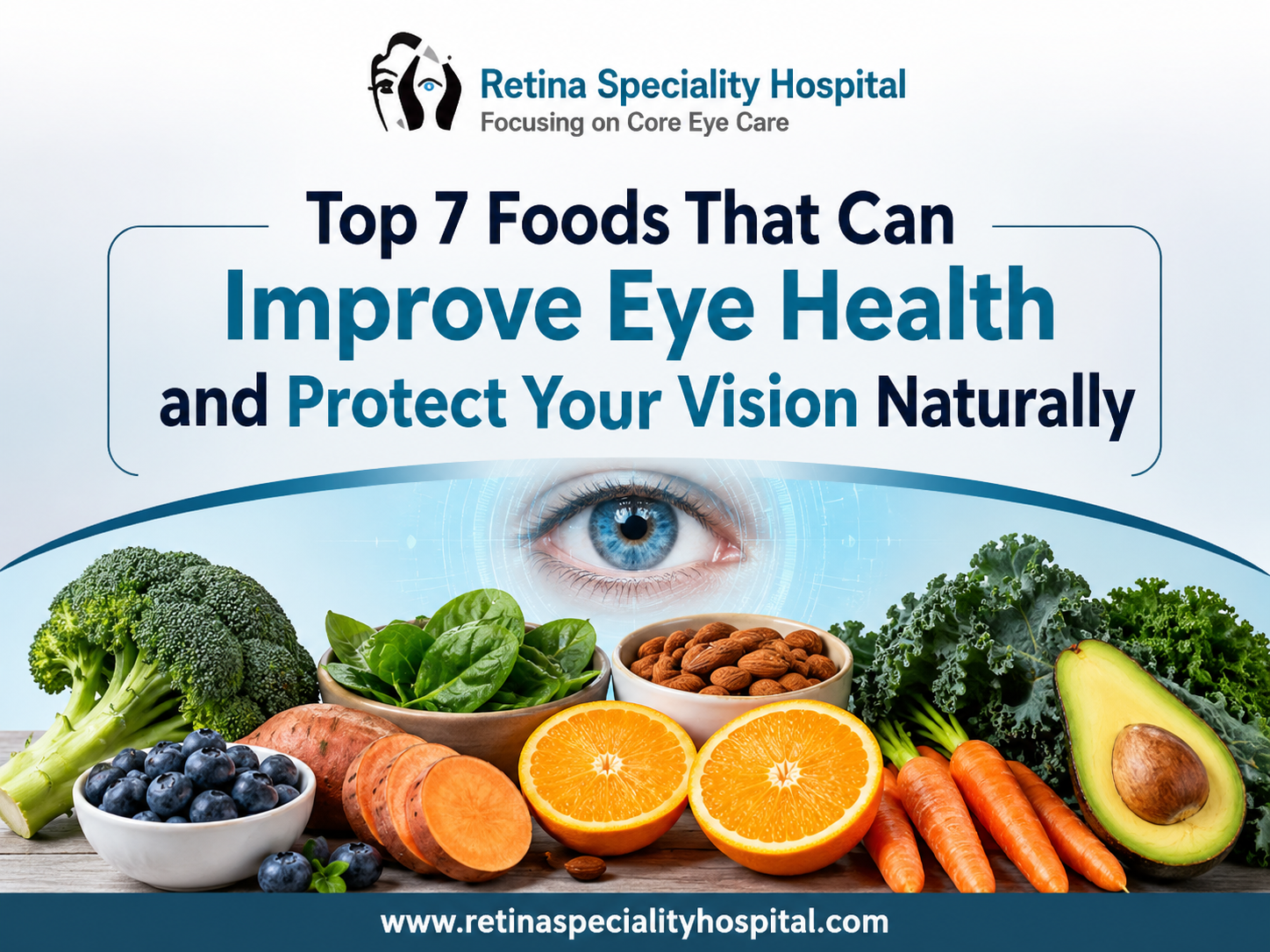
The 10 best foods for eye health that help prevent cataracts are those highest in antioxidants, anti-inflammatory compounds, and vision-specific vitamins. Here is a clear reference table:
| Food | Key Nutrient | Eye Benefit |
| Carrots | Vitamin A | Night vision and surface protection |
| Spinach | Lutein, Zeaxanthin | Reduces macular degeneration risk |
| Salmon | Omega-3 Fatty Acids | Prevents dry eyes and inflammation |
| Eggs | Lutein, Zinc | Retina health and improved contrast |
| Amla / Oranges | Vitamin C | Protects blood vessels, lowers cataract risk |
| Almonds | Vitamin E | Shields eye cells from oxidative damage |
| Pumpkin Seeds | Zinc | Supports Vitamin A absorption in retina |
| Kale | Lutein, Zeaxanthin | Filters blue light naturally |
| Walnuts | Omega-3 Fatty Acids | Reduces dry eye symptoms |
| Sweet Potato | Vitamin A, Vitamin C | Overall surface and low-light vision support |
Including these fruits and vegetables for eyesight regularly gives your eyes the full spectrum of nutrients they need to stay healthy over the long term.
Eye Care Diet Plan: A Practical Daily Guide
Following a diet plan for maintaining healthy eyes and clear vision does not require expensive changes. Here is a simple and realistic daily plan based on commonly available Indian foods:
- Morning: 8 to 10 soaked almonds with a glass of fresh amla juice or orange juice
- Lunch: Palak dal or spinach sabzi with 2 eggs and roti or rice
- Dinner: Grilled fish or sardines with roasted carrots and sweet potato
- Snack: A small bowl of mixed seeds including pumpkin seeds and walnuts
This daily pattern naturally covers which foods help improve vision and eye health without relying on costly supplements. Patients at our eye hospital in Indore who follow this kind of plan regularly report better eye comfort and reduced fatigue.
How to Improve Eye Health with Daily Nutrition: Smart Habits to Add
Knowing the right foods is only one part of the picture. How to improve eye health with daily nutrition also involves consistency and a few supporting habits:
- Drink at least 8 glasses of water daily to maintain natural tear production.
- Reduce processed foods and excess sugar, which increase inflammation and oxidative stress.
- Avoid smoking, as it directly reduces blood flow to the retina and speeds up macular degeneration.
- Get at least 7 hours of sleep every night so your eyes can recover and repair.
These habits work alongside a strong eye care diet plan to give your eyes the best possible environment to stay healthy.
Case Study: Nutrition Made the Difference for One Indore Patient
Sunita, a 38-year-old homemaker from Indore, came to a local eye hospital in Indore with increasing eye fatigue, mild blurry vision in the evenings, and persistent dryness. Her eye examination showed no structural damage or disease. A detailed diet review found her meals were consistently low in Vitamin A, Lutein, and Omega-3 fatty acids. She was guided to add spinach, eggs, flaxseeds, and amla to her daily meals. No supplements were prescribed. After just seven weeks, Sunita reported a clear reduction in evening blurriness, noticeably less dryness, and significantly lower eye fatigue by the end of the day. Her case is a straightforward example of what are the best nutrients for improving eyesight naturally working in practice. Small, consistent food changes made a measurable difference without any medication.
Frequently Asked Questions
Q1. Which vitamin can reduce eye problems?
Vitamins A, C, and E reduce the most common eye problems. They protect the retina, cornea, and blood vessels from oxidative damage and lower the risk of cataracts and macular degeneration.
Q2. Which diet is good for eye health?
A diet rich in leafy greens, fatty fish, eggs, carrots, citrus fruits, and nuts is best for eye health. It provides Lutein, Omega-3s, Vitamin A, C, E, and Zinc that eyes need daily.
Q3. Can I improve my eye vision naturally?
You cannot reverse refractive errors naturally. However, proper nutrition, hydration, and screen habits improve eye comfort, reduce strain, and slow down age-related vision decline over time.
Q4. What is the best thing to eat for eyesight?
Spinach and eggs together are among the very best choices. Spinach provides Lutein and Zeaxanthin while eggs add Zinc and additional Lutein in a form the body absorbs easily.
Q5. Which badam is best for eyes?
Mamra almonds are considered the best for eye health. They are rich in Vitamin E and healthy fats that protect eye cells from oxidative damage and support comfortable daily vision.
Q6. What are 10 foods that can improve your eyesight?
Carrots, spinach, salmon, eggs, amla, almonds, kale, walnuts, sweet potatoes, and pumpkin seeds are the top 10. Each provides specific nutrients that protect and support different parts of the eye.
Q7. What vitamin is good for blurry vision?
Vitamin A is most directly linked to blurry vision, especially in low light. Low levels reduce the eye’s ability to produce the pigment needed for clear focus. Carrots and sweet potatoes help restore levels.
Q8. How to get 20/20 vision back naturally?
Natural methods cannot restore 20/20 vision lost due to refractive errors. However, proper nutrition, regular eye rest, hydration, and a visit to an eye doctor in Indore help maintain the best possible vision.
Q9. Which fruit is best for eyes?
Amla is the best fruit for eye health in India. It has one of the highest natural concentrations of Vitamin C, which protects eye blood vessels and has been shown to reduce the risk of cataracts.
Conclusion
Clear, healthy vision is something you build every day through the food you choose and the habits you maintain. Nutrients like Vitamin A, Lutein, Omega-3s, Zinc, and Vitamins C and E are the foundation your eyes need to stay strong through every stage of life. A simple, consistent eye care diet plan using everyday Indian foods covers all of these without complexity or high cost. Combined with regular check-ups at a reliable eye doctor in Indore, good nutrition gives your eyes the strongest possible protection for the long term. If you have any concerns about your vision or eye comfort, booking a consultation with a qualified eye specialist in Indore is always the right next step.