






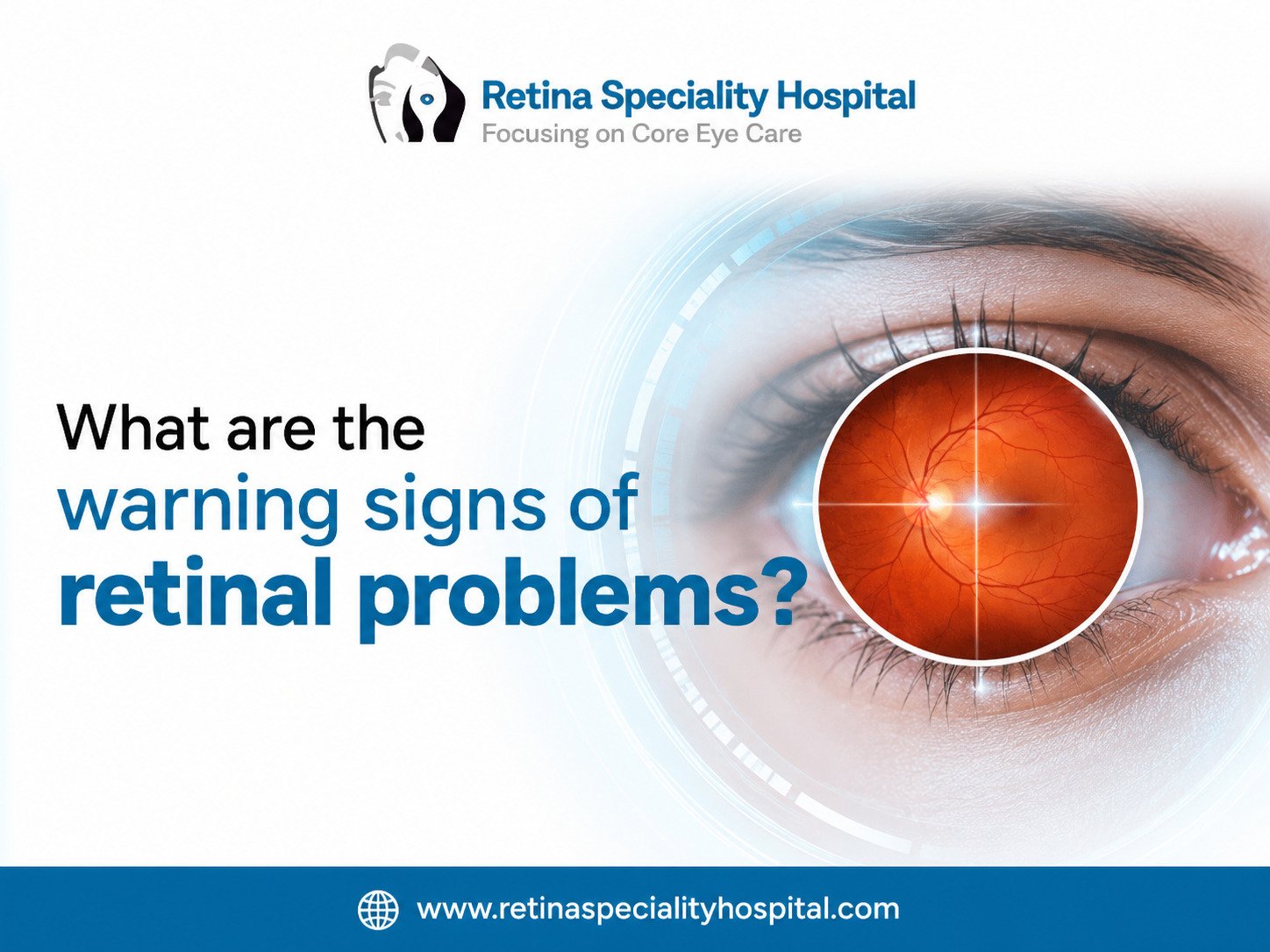
Vision problems often develop slowly, but some retinal conditions can damage eyesight within hours or days. According to eye health studies, early diagnosis of retinal disease significantly improves the chance of protecting vision. Many people ignore mild symptoms like blurred vision, occasional shadows, or tiny floating spots in the eyes until the condition becomes serious.
The retina is a thin layer of tissue at the back of the eye that sends visual signals to the brain. Any damage to this delicate structure can affect daily life, reading ability, driving, and overall independence. Understanding the warning signs of retinal disease helps patients seek timely care from an Eye specialist in indore before permanent vision loss occurs.
People searching for Retina treatment in Indore should know that early attention to symptoms may help preserve eyesight. This guide explains the most common retinal warning signs, risk factors, eye retina disorders, and when patients should consult an Eye Doctor in Indore or a Best Eye specialist in indore.
Understanding Retinal Problems and Why They Matter
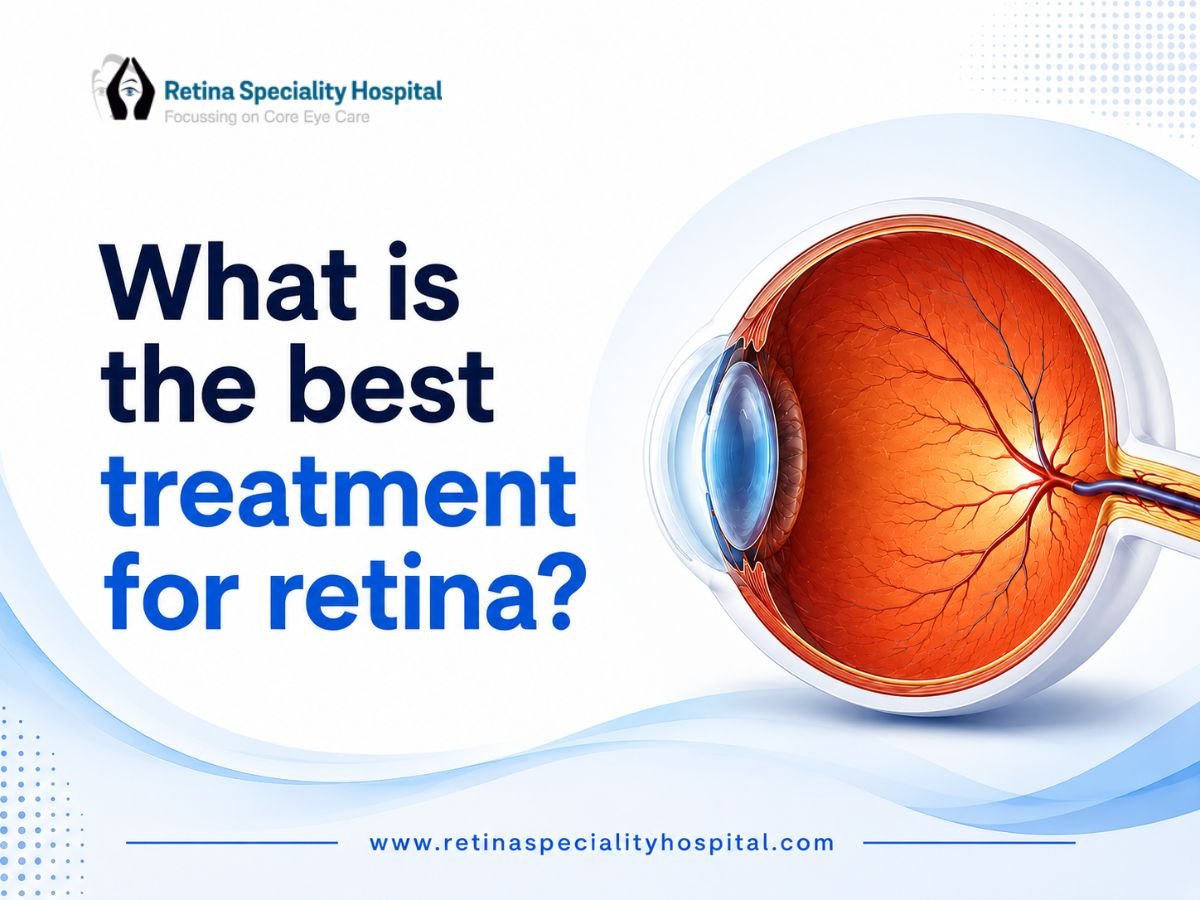
The retina plays a major role in vision quality. It captures light and converts it into signals that travel to the brain. When retinal tissue becomes damaged, patients may experience visual distortion, blind spots, or severe loss of sight.
Many retinal conditions progress silently. Some patients notice only mild symptoms at first, while others experience sudden changes. Common retinal problems include:
- Retinal detachment
- Diabetic retinopathy
- Macular degeneration
- Retinal tears
- Retinal vein blockage
- Age-related retinal disorders
People looking for retina treatment support should understand that early diagnosis is one of the biggest factors in preserving vision.
What Are the Early Warning Signs of Retinal Problems
Recognizing retinal disease warning signs early can help prevent serious complications. Below are some symptoms that should not be ignored.
Blurred Vision
Persistent or sudden blurred vision may indicate retinal swelling or damage. Many retinal diseases affect the sharpness and clarity of vision.
Patients may notice:
- Difficulty reading
- Trouble focusing
- Distorted straight lines
- Hazy central vision
This symptom is common in diabetic retinal disease and age-related retinal conditions.
Eye Floaters
Small dark spots, threads, or cobweb-like shapes moving across vision are called Eye floaters. While occasional floaters are common with age, a sudden increase can indicate retinal tears or bleeding inside the eye.
Seek urgent evaluation if floaters appear suddenly with:
- Flashes
- Shadows
- Reduced side vision
People searching for Signs of retinal detachment you should not ignore should pay special attention to this symptom.
Flashes of Light in Eyes
Many patients describe flashes of light in eyes as lightning streaks or camera flashes. These flashes occur when the retina is being pulled or irritated.
This symptom may indicate:
- Retinal tear
- Retinal detachment
- Vitreous changes
Ignoring repeated flashes may increase the risk of severe retinal damage.
Sudden Vision Loss
Sudden vision loss is considered an eye emergency. Vision may become dark, blurry, or partially blocked within minutes or hours.
Possible causes include:
- Retinal detachment
- Blocked retinal blood vessels
- Severe retinal bleeding
Immediate evaluation from an Eye hospital in Indore is important when sudden changes occur.
Retinal Detachment Symptoms
The retina can separate from the back wall of the eye, causing permanent damage if untreated. Common Retinal detachment symptoms include:
- Curtain-like shadow over vision
- Sudden increase in floaters
- Bright flashes
- Loss of side vision
- Distorted images
These symptoms require urgent retinal evaluation.
Common Causes of Retinal Damage
Several factors increase the risk of retinal disease. Understanding these risks helps patients protect their eyesight.
1. Aging
Retinal tissue naturally weakens with age. Older adults have a higher risk of retinal tears and macular disorders.
2. Diabetes
High blood sugar damages retinal blood vessels over time. Diabetic retinopathy is one of the leading causes of vision loss worldwide.
3. Eye Injuries
Trauma can damage retinal tissue and increase the chance of retinal detachment.
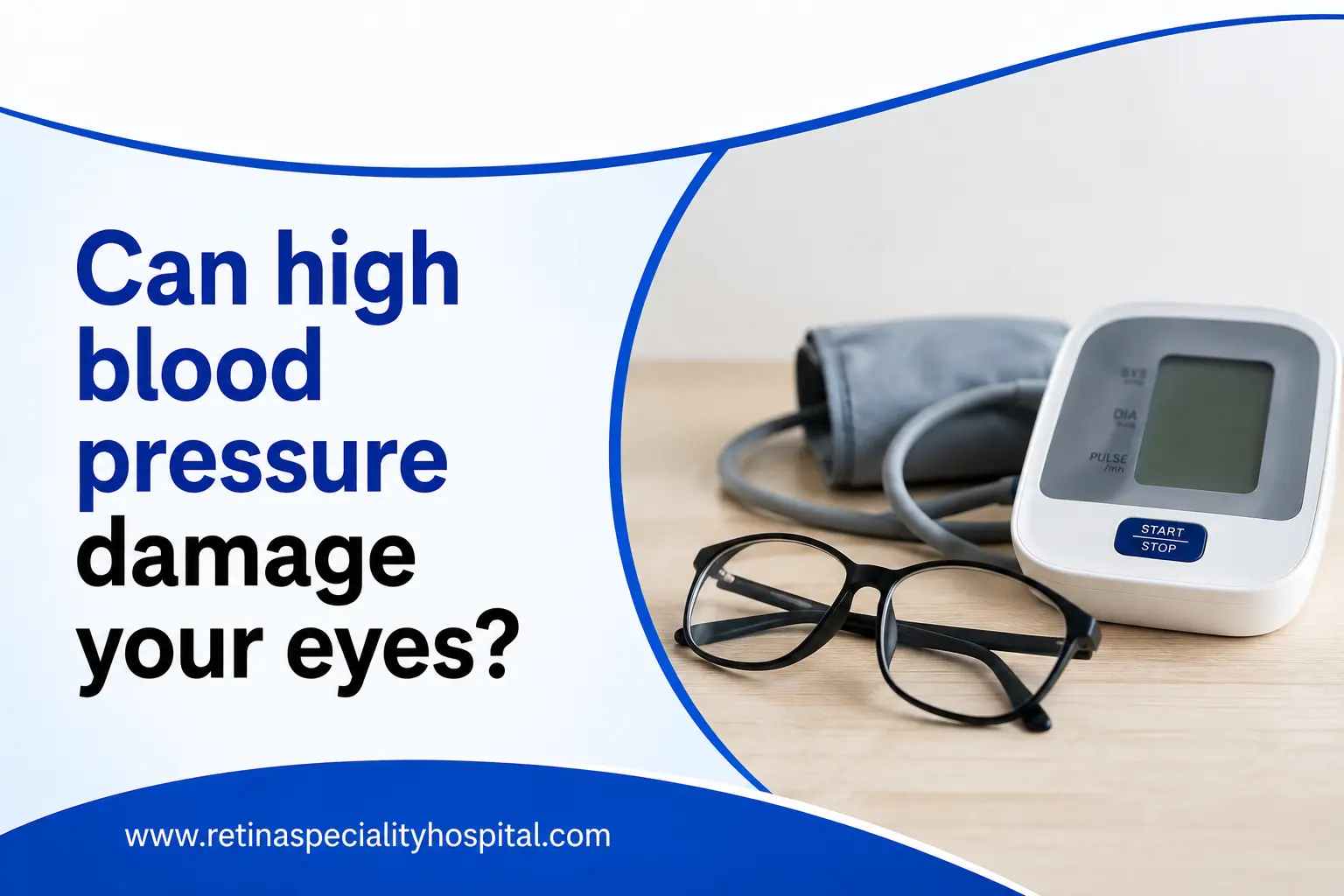
4. High Blood Pressure
Poor blood circulation affects retinal blood vessels and may lead to retinal swelling or bleeding.
5. Family History
Some retinal diseases have a genetic connection. Family history may increase long-term risk.
Symptoms of Retinal Damage in Adults
Adults with retinal disease often experience gradual visual changes. These symptoms may affect work, reading, driving, and daily activities.
Common symptoms include:
- Difficulty seeing at night
- Distorted vision
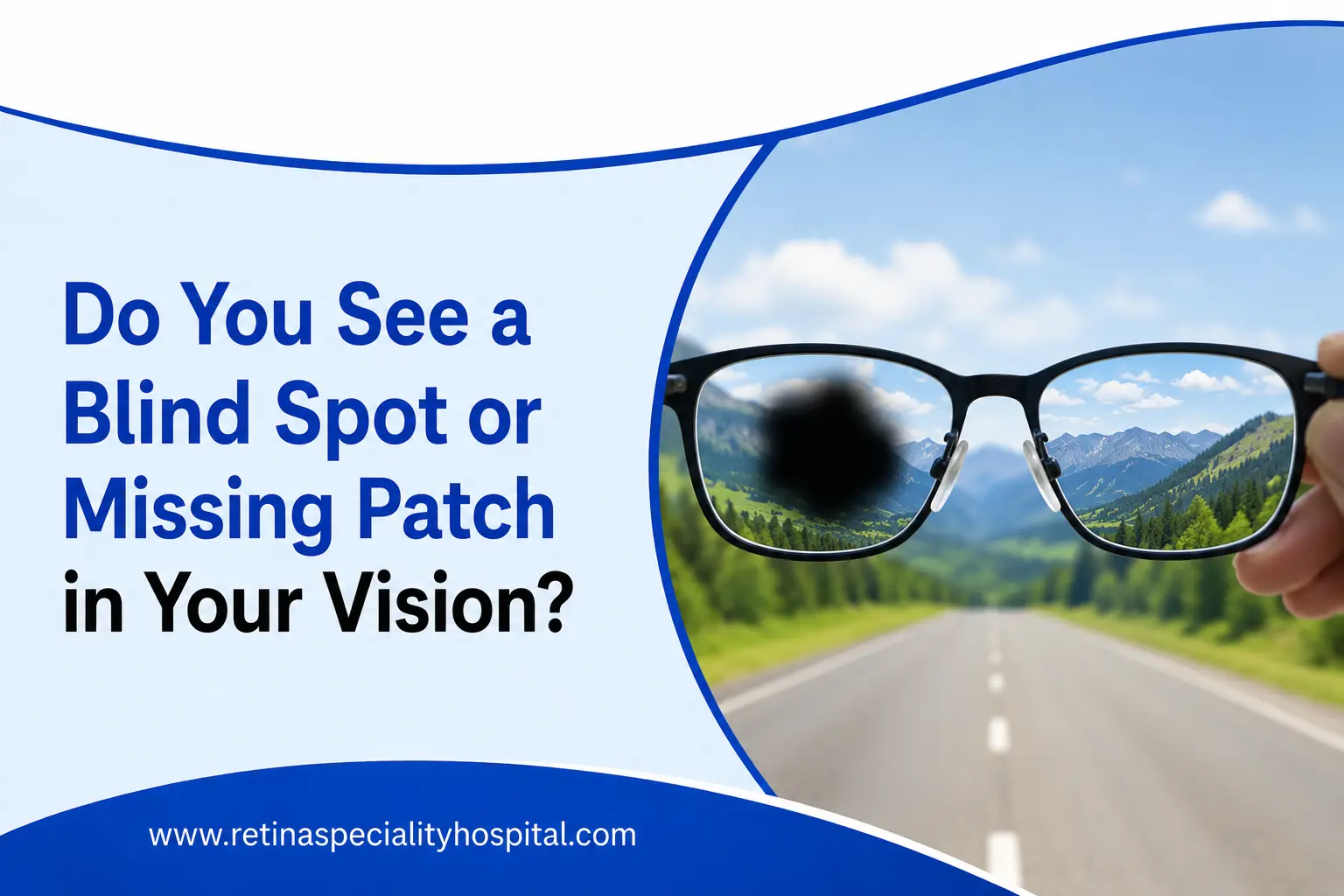
- Dark spots in vision
- Reduced peripheral vision
- Colors appearing faded
- Vision that changes suddenly
Patients searching for Common retina disease symptoms and treatment options should understand that retinal symptoms vary depending on the specific condition.
Warning Signs and Possible Retinal Concerns
| Warning Sign | Possible Retinal Concern | Urgency Level |
| Blurred vision | Retinal swelling or degeneration | Moderate |
| Eye floaters | Retinal tear or bleeding | High |
| Flashes of light in eyes | Retinal traction | High |
| Sudden vision loss | Retinal emergency | Emergency |
| Peripheral shadow | Retinal detachment | Emergency |
| Distorted straight lines | Macular disease | Moderate |
| Loss of side vision | Retinal detachment | Emergency |
When to See a Retina Specialist for Vision Changes
Many people delay eye examinations because symptoms seem temporary. However, retinal disease may worsen silently.
You should consult a retinal expert if you experience:
- Sudden vision changes
- Frequent flashes
- New floaters
- Eye trauma
- Diabetes-related vision problems
- Distorted images
Patients searching for When to see a retina specialist for vision changes should understand that timing matters. Delayed diagnosis may increase the risk of permanent vision loss.
Importance of Regular Retina Checkups
Routine retinal examinations can detect eye retina disorders before symptoms become severe.
A retinal exam may help identify:
- Diabetic retinal changes
- Early macular degeneration
- Retinal tears
- Blood vessel abnormalities
- Pressure-related retinal damage
People looking for Retina specialist care should consider periodic retinal screening, especially if they have diabetes, high blood pressure, or a family history of eye disease.
How Lifestyle Factors Affect Retinal Health
Several everyday habits influence retinal wellness. Healthy lifestyle choices support long-term vision quality.
Helpful habits include:
- Managing blood sugar levels
- Wearing protective eyewear
- Eating nutrient-rich foods
- Staying physically active
- Avoiding smoking
- Getting regular eye examinations
Patients often ask how to maintain retinal health naturally. Prevention and early monitoring remain essential.
Difference Between Normal Vision Changes and Retinal Problems
Not every vision issue indicates retinal disease. Mild eye strain from screens or temporary dryness may improve with rest.
However, retinal problems often involve:
- Sudden symptoms
- Persistent distortion
- Flashes or floaters
- Vision shadows
- Rapid visual decline
Any symptom that worsens quickly should be evaluated by a professional providing Retina and Retinal Disease Treatment in Indore.
Most Common Retinal Diseases
Understanding common retinal conditions helps patients identify early symptoms faster.
1. Diabetic Retinopathy
Caused by diabetes-related blood vessel damage.
2. Macular Degeneration
Affects central vision and is more common in older adults.
3. Retinal Detachment
Occurs when the retina separates from supporting tissue.
4. Retinal Tear
Small breaks in the retina that may progress if untreated.
5. Retinal Vein Occlusion
Blood flow blockage that affects retinal circulation.
These conditions are among the most common causes of vision impairment in adults.
Why Early Detection Improves Vision Outcomes
Retinal diseases are easier to manage when detected early. Patients who ignore symptoms often experience more severe visual damage.
Benefits of early diagnosis include:
- Better visual preservation
- Reduced disease progression
- Improved daily functioning
- Lower risk of permanent blindness
This is why experts recommend routine retinal evaluations for individuals with risk factors.
Real Patient Experience From Retina Care in Indore
A middle-aged office worker experienced mild Eye floaters for several weeks but ignored the symptoms because vision seemed mostly normal. One morning, he noticed a dark shadow moving across one eye along with flashes of light in eyes.
After visiting an Eye hospital in Indore, retinal evaluation showed early retinal detachment. Because the condition was identified quickly, doctors were able to protect much of his remaining vision. The patient later shared that ignoring the early warning signs could have resulted in permanent damage.
This example highlights why patients should never ignore sudden visual symptoms.
FAQ’s About Retina Treatment
1. What are the first signs of retina problems?
The first signs of retinal problems often include blurred vision, flashes of light, dark spots, distorted images, or sudden increase in floaters. Some patients may also notice difficulty seeing at night or reduced side vision. Early eye evaluation helps detect retinal disease before complications worsen.
2. What is the most common cause of retinal damage?
Diabetes is one of the most common causes of retinal damage because high blood sugar can weaken retinal blood vessels over time. Aging, high blood pressure, eye injuries, and genetic eye disorders also increase the risk of developing serious retinal conditions and vision problems.
3. How do I check if I have retinal damage?
A retinal examination by an eye specialist is the best way to check for retinal damage. Doctors examine the back of the eye using advanced imaging and vision tests. Symptoms like flashes, floaters, or sudden vision changes should never be ignored by patients.
4. How to avoid retina damage?
Protecting retinal health involves managing diabetes, controlling blood pressure, wearing protective eyewear, eating healthy foods, and avoiding smoking. Regular eye checkups also help detect early retinal disease. Prompt medical attention for vision changes can reduce the risk of severe retinal complications.
5. How often should I get my retina checked?
Most adults should have routine eye examinations every one to two years. People with diabetes, high blood pressure, previous eye injuries, or family history of retinal disease may require more frequent retinal evaluations to detect problems early and protect long-term visual health.
6. How serious is the retina problem?
Retinal problems can become serious if left untreated because the retina controls vision signals sent to the brain. Conditions like retinal detachment or diabetic retinopathy may lead to permanent vision loss. Early diagnosis improves the chances of protecting eyesight and maintaining daily visual function.
7. How to have a healthy retina?
Maintaining a healthy retina involves balanced nutrition, regular exercise, controlling blood sugar, staying hydrated, and protecting the eyes from injury. Routine eye checkups are also important. Healthy lifestyle habits support better blood circulation and help reduce the risk of retinal diseases over time.
8. What are the most common retinal diseases?
Common retinal diseases include diabetic retinopathy, retinal detachment, retinal tears, macular degeneration, and retinal vein blockage. These conditions may cause blurred vision, floaters, flashes, or vision loss. Early retinal examinations help identify these diseases before permanent damage develops in the eyes.
Conclusion
Retinal health plays a major role in maintaining clear and comfortable vision throughout life. Many retinal diseases begin with subtle symptoms such as blurred vision, small floaters, or mild flashes. Unfortunately, patients often delay eye examinations until the condition becomes more serious. Early diagnosis remains one of the best ways to reduce the risk of long-term visual complications.
Understanding the warning signs of retinal disease helps patients make informed decisions about eye care. Symptoms like Sudden vision loss, increasing floaters, distorted vision, or side vision loss should never be ignored. Individuals with diabetes, high blood pressure, aging-related eye changes, or a family history of retinal disorders should prioritize regular retinal evaluations.
If you are experiencing any symptoms related to Retinal problems, consult an experienced Best Eye specialist in Indore for timely guidance and comprehensive retinal evaluation. Professional support for Retina treatment in Indore can help detect vision-threatening conditions early and support long-term eye health.