








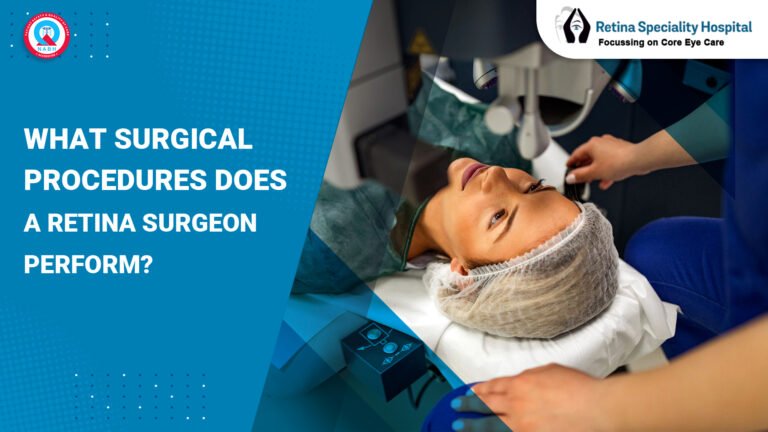
If you or a loved one has been diagnosed with a retinal condition, you may be told you need surgery, and that can feel overwhelming without knowing what to expect. A retina surgeon is a specialized ophthalmologist trained to diagnose and surgically treat diseases of the retina, from retinal detachment and macular holes to retinoblastoma and retinopathy of prematurity.
Understanding which procedure treats which condition can make the path ahead far less intimidating. Here’s a clear breakdown of the surgeries a retina surgeon commonly performs.
What Does a Retina Surgeon Treat?
Retina surgeons manage a wide range of conditions affecting the light-sensitive tissue at the back of the eye, including retinoblastoma, retinal detachment, macular hole, retinitis pigmentosa, diabetic retinopathy, retinal tear, and retinopathy of prematurity (ROP). Each condition has its own surgical approach, summarized below.
| Condition | Primary Surgical Treatment | Goal of Surgery |
| Retinoblastoma | Tumor removal surgery | Remove the tumor, preserve the eye where possible |
| Retinal detachment | Scleral buckle, pneumatic retinopexy, or vitrectomy | Reattach the retina before vision loss becomes permanent |
| Macular hole | Vitrectomy with gas tamponade | Close the hole and restore central vision |
| Retinitis pigmentosa | Retinal implant (telescopic lens) | Slow progression, improve residual vision |
| Diabetic retinopathy | Vitrectomy, often with laser or injections | Clear bleeding, prevent further vision loss |
| Retinal tear | Laser retinopexy | Seal the tear before it progresses to detachment |
| ROP | Laser or scleral buckling | Flatten the retina, prevent detachment in infants |
Retinoblastoma Surgery
Retinoblastoma is a rare tumor of the retina that most often affects young children. Surgery aims to remove the tumor while preserving as much of the eye, and vision, as possible. Depending on the tumor’s size and stage, treatment may combine surgery with other approaches such as laser therapy or chemotherapy, always guided by a specialist in ocular oncology.
Retinal Detachment Surgery
Retinal detachment is a serious condition in which the retina separates from the supportive tissue behind it, usually because of a retinal tear or hole that lets fluid seep underneath. Left untreated, it can lead to permanent vision loss within days. This is why sudden vision loss should never wait for a routine appointment.
Depending on the severity of the detachment, a retina surgeon may recommend:
- Scleral buckle surgery: a flexible band placed around the eye to relieve pressure on the retina
- Pneumatic retinopexy: a gas bubble injected into the eye to push the retina back into place
- Vitrectomy: removal of the vitreous gel to give the surgeon direct access to repair the retina
Macular Hole Surgery
Macular hole surgery repairs a break or tear in the macula, the part of the retina responsible for sharp, detailed central vision, such as reading or recognizing faces. The procedure, typically a vitrectomy with gas tamponade, aims to close the hole and restore as much central vision as possible.
Diabetic Retinopathy Surgery
Diabetic retinopathy develops when high blood sugar damages the blood vessels in the retina. If untreated, it can lead to permanent vision loss. In advanced stages, a retina surgeon may recommend a vitrectomy to clear blood or scar tissue from the eye. Surgery is often combined with other treatments such as laser therapy or anti-VEGF injections for the best outcome.
Retinitis Pigmentosa Surgery
Retinitis pigmentosa is an inherited condition that gradually breaks down the retina’s light-sensing cells. While there is no cure, surgery involving tiny telescopic lens implants can sometimes improve functional vision and help slow the impact of progressive vision loss.
Retinal Tear Surgery
A retinal tear can progress to a full detachment if left untreated. Retinal tear surgery, most often performed using a laser to seal the edges of the tear, stops fluid from spreading underneath the retina and prevents the tear from worsening.
Retinopathy of Prematurity (ROP) Surgery
ROP affects premature infants whose retinal blood vessels haven’t finished developing. When screening detects advanced disease, surgery, typically laser treatment or scleral buckling, flattens the retina and reduces the risk of detachment. Learn more about how at-risk infants are monitored through ROP screening.
How Is the Right Procedure Decided?
Your retina surgeon chooses a procedure based on:
- The specific condition and how advanced it is
- Imaging results, including OCT scans that map the retina in detail
- Your overall eye health and general health history
- Whether the issue is affecting one or both eyes
Because retinal conditions can progress quickly, especially detachment and advanced diabetic retinopathy, getting evaluated promptly by a specialist matters more than trying to identify the exact procedure yourself.
Quick Checklist: When to See a Retina Surgeon
- Sudden flashes of light or a shower of new floaters
- A curtain or shadow spreading across your vision
- Distorted or wavy central vision
- Known diabetes with worsening or blurred vision
- A family history of retinal disease
If any of these apply to you, don’t wait, book an evaluation with a retina specialist promptly.
Frequently Asked Questions
1. Is retina surgery painful?
Most retina surgeries are performed under local or regional anesthesia, so you won’t feel pain during the procedure. Some mild discomfort, irritation, or pressure is normal during recovery and is usually managed well with prescribed medication.
2. How long does it take to recover from retina surgery?
Recovery time depends on the procedure. Laser treatments often allow a return to normal activity within a day or two, while vitrectomy or scleral buckle surgery may require several weeks of restricted activity and follow-up visits to monitor healing.
3. Can vision be fully restored after retinal detachment surgery?
It depends on how much of the retina, particularly the macula, was affected before surgery and how quickly treatment was received. Vision often improves significantly, but the outcome is best when detachment is treated early, before the central retina is involved.
Talk to a Retina Specialist About Your Options
Retina surgeons are highly trained specialists equipped to treat a wide range of conditions that threaten your sight, and getting evaluated quickly gives you the best chance of a good outcome. If you’ve been diagnosed with a retinal condition or are experiencing symptoms like floaters, flashes, or vision loss, the team at Retina Speciality Hospital, Indore is here to help. Call 0731-2553377 or book your consultation today. Meet our retina specialists to learn more about your treatment options.