







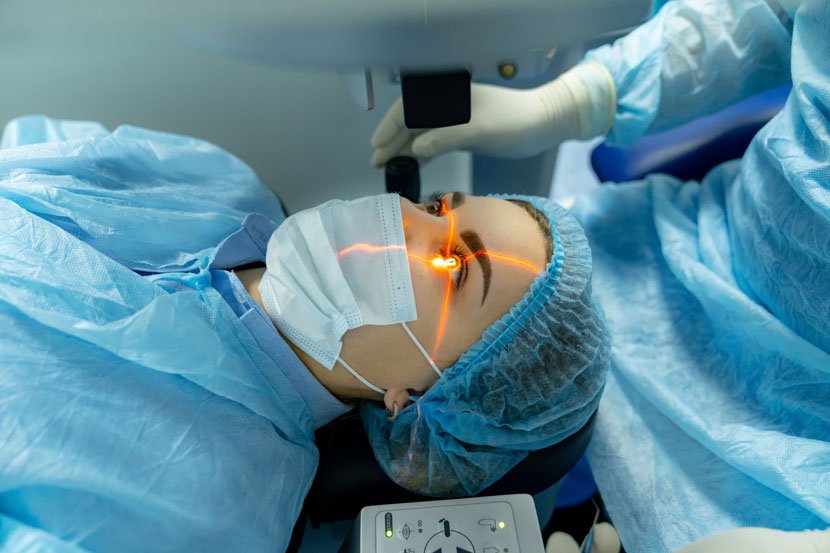
Laser eye surgery has transformed the lives of millions, but no surgical procedure is without risk. The US Food and Drug Administration reports that while overall patient satisfaction with LASIK exceeds 95%, approximately 1 in 5 patients experiences at least one side effect in the months following surgery. In India, the rapid expansion of refractive surgery centres has made laser eye surgery in Indore more accessible than ever, but accessibility without proper screening and surgical expertise increases the likelihood of preventable complications. Understanding the real risks of laser eye treatment in Indore before you commit to surgery is not pessimism, it is responsible decision-making.
What Are the Most Common LASIK Complications?
Most patients who experience side effects after laser eye surgery in Indore encounter mild, temporary issues rather than serious or permanent complications. Knowing which issues are common helps patients prepare realistically and respond appropriately if symptoms arise.
The most frequently reported LASIK surgery side effects are:
- Dry eyes after LASIK: The most common complication by a significant margin. The laser severs corneal nerve fibres that regulate tear production, causing reduced tear secretion for weeks to months post-surgery
- Vision fluctuations post-surgery: Variable focus quality throughout the day, particularly in the first four to eight weeks, as the cornea stabilizes its new shape
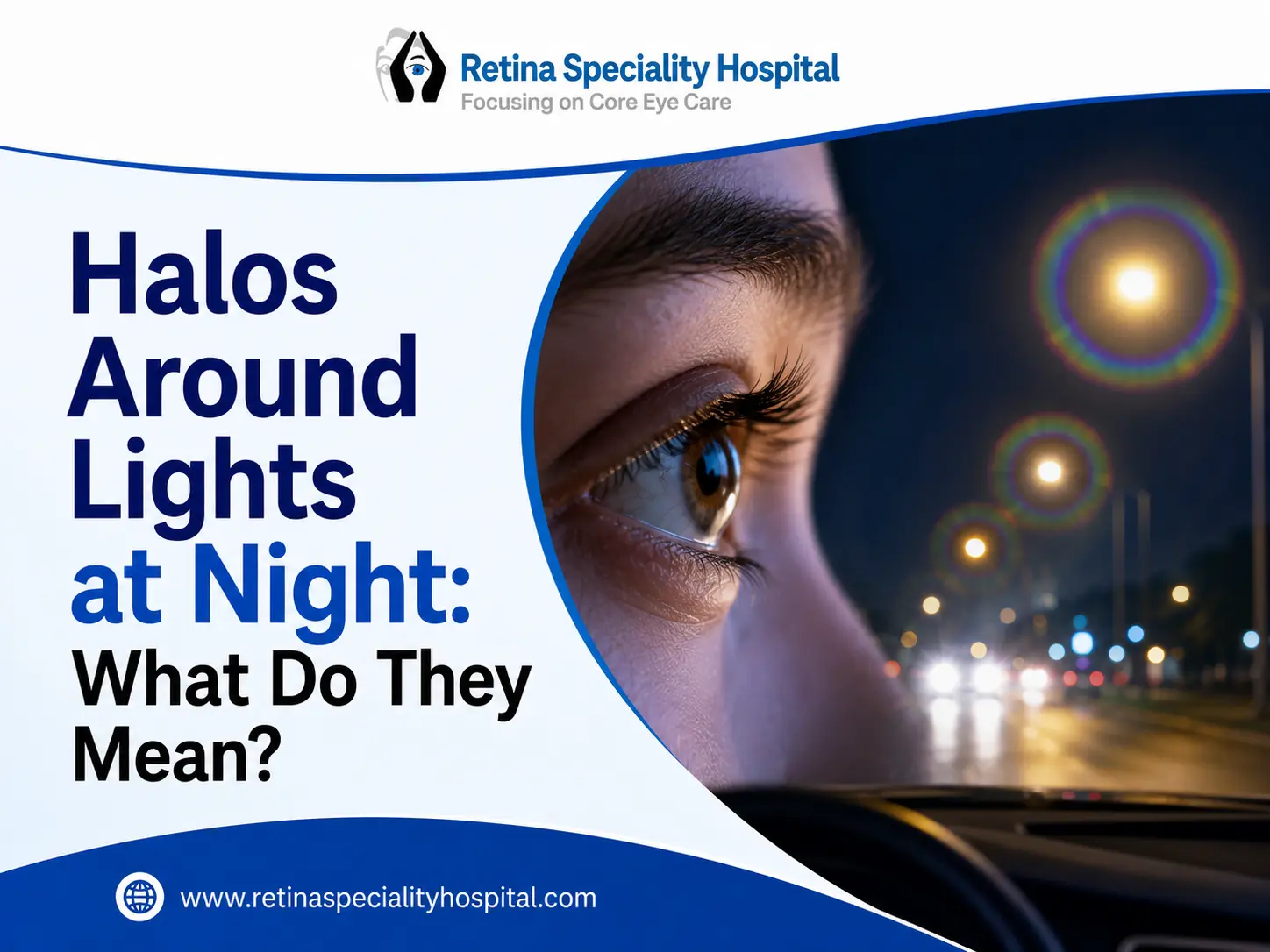
- Night vision problems including halos and glare: Rings of light around headlights or bright sources at night, caused by the transition zone at the edge of the laser treatment area
- Sensitivity to light (photophobia): Common in the first two to four weeks and usually resolves without intervention
- Mild undercorrection or overcorrection: The laser removes slightly more or slightly less tissue than calculated, leaving a residual refractive error
Understanding these issues in advance allows patients to distinguish a normal recovery experience from a genuine complication requiring clinical attention.
Can LASIK Cause Dry Eyes Permanently?
Dry eyes after LASIK are the most widely discussed refractive surgery side effect and the one that causes the most post-operative distress. The good news is that permanent dry eye syndrome caused by LASIK is rare. The important qualification is that it does happen in a small percentage of patients.
During LASIK, the excimer laser creates a corneal flap and reshapes the underlying stromal tissue. This process cuts the superficial corneal nerves responsible for triggering the blink reflex and stimulating the lacrimal gland to produce tears. For most patients, these nerve connections regenerate within three to six months.
Risk factors that increase the likelihood of prolonged dry eye after laser eye surgery:
- Pre-existing dry eye syndrome before surgery
- High myopic correction requiring deeper laser ablation
- Older age, particularly over 45 years
- Female gender, especially post-menopausal women
- Environmental factors including low humidity and high air conditioning exposure
Patients at the top laser eye surgeon in Indore practice undergo a dedicated dry eye assessment before surgery. Those with moderate to severe pre-existing dry eye may be advised to consider alternative procedures such as PRK or SMILE, which carry a lower post-operative dry eye risk profile.
Is Infection Possible After LASIK?
Infection risk after eye surgery is one of the most feared complications among patients, though it is among the least common after LASIK. The incidence of post-LASIK infectious keratitis (corneal infection) is estimated at 0.02 to 0.1% by peer-reviewed literature, making it significantly rarer than infection rates seen after contact lens wear.
The corneal flap interface created during LASIK represents a theoretical entry point for bacteria and fungi. This is why strict antibiotic drop protocols in the days before and after advanced laser eye treatment in Indore are non-negotiable.
Signs of post-LASIK infection that require same-day assessment:
- Rapidly increasing eye pain after Day 2, particularly after an initial period of improvement
- Yellow or cloudy discharge from the operated eye
- Increasing redness and eyelid swelling
- Sudden worsening of vision
- White or grey spot visible on the cornea
Early identification and treatment of post-LASIK infection with targeted antibiotic drops resolves most cases without permanent visual impact. Delayed treatment significantly worsens outcomes.
Can Night Vision Problems Occur After Laser Eye Surgery?
Night vision problems including halos and glare are among the most commonly reported LASIK complications in the first three to six months after surgery. They are caused by the optical transition zone at the periphery of the laser treatment area, where the treated cornea meets the untreated tissue.
When the pupil dilates in low-light conditions, it may extend beyond the edge of the treatment zone. Light entering through this transition creates diffraction artifacts, perceived by the patient as halos around lights, starburst patterns, and increased glare from oncoming headlights.
Who is at higher risk of night vision problems after LASIK:
- Patients with naturally large pupil diameter in darkness
- Those with high pre-operative myopia or astigmatism
- Patients treated with older generation laser platforms with smaller optical zones
- Individuals who drive frequently at night as a professional requirement
Modern laser eye treatment in Indore using wavefront-guided or topography-guided LASIK platforms significantly reduces the incidence of night vision complications compared to older standard laser platforms. For most patients, halos and glare reduce substantially within three to six months as the cornea heals and the neural adaptation to the new optical system completes.
What Is a Flap-Related Complication in LASIK?
Corneal flap complications represent one of the more serious categories of laser eye surgery risks, though their incidence is low in experienced surgical hands. The corneal flap is a thin disc of corneal tissue lifted during LASIK to allow laser access to the stroma beneath.
Flap-related issues include:
- Flap displacement: The flap shifts from its correct position, most commonly from eye rubbing in the first 24 to 48 hours after surgery. This is why patients are given protective eye shields and are specifically instructed never to rub their eyes after LASIK
- Flap striae (wrinkles): Microscopic folds develop in the flap, causing optical distortion and reduced visual quality
- Epithelial ingrowth: Cells from the eye surface grow underneath the flap at the interface, potentially causing corneal haze
- Incomplete flap creation: In rare cases, the microkeratome or femtosecond laser creates a flap of incorrect thickness or diameter, requiring immediate surgical management
The shift from mechanical microkeratome flap creation to femtosecond laser flap creation at dedicated best laser eye treatment in Indore centres has substantially reduced the incidence of flap-related complications over the past decade.
Can Overcorrection or Undercorrection Happen After LASIK?
Refractive surgery side effects related to inaccurate correction are among the most common reasons for patient dissatisfaction after laser eye surgery. They occur because the corneal healing response after laser ablation varies between individuals, and the laser’s tissue removal calculation is based on population averages rather than the precise biological response of each individual cornea.
Undercorrection means the patient retains a residual refractive error — they still need glasses or contact lenses for some tasks, though the prescription is typically much lower than before surgery.
Overcorrection means the laser removed too much tissue, shifting the patient from myopia (nearsightedness) toward hyperopia (farsightedness). This is less common than undercorrection and can be more challenging to manage in older patients whose accommodation is already reduced.
Both can be addressed with a LASIK enhancement procedure, provided sufficient corneal tissue remains and the corneal profile is suitable for a second treatment. This determination is made by the top laser eye surgeon in Indore using post-operative corneal topography mapping.
How Often Do Serious Complications Occur After Laser Eye Surgery?
The overall serious complication rate for LASIK in properly screened candidates is extremely low. Published data provides the following benchmarks:
| Complication | Estimated Incidence | Typically Reversible? |
| Dry eyes after LASIK | 20 to 40% short-term | Yes, in most cases |
| Night vision problems (halos, glare) | 15 to 20% short-term | Yes, within 3 to 6 months |
| Undercorrection | 2 to 5% | Yes, with enhancement |
| Overcorrection | 1 to 2% | Often, with enhancement |
| Corneal flap complications | Less than 1% | Usually, with prompt treatment |
| Infection after LASIK | 0.02 to 0.1% | Yes, with early treatment |
| Permanent significant vision loss | Less than 0.1% | Rarely |
| Corneal ectasia (progressive thinning) | 0.04 to 0.6% | Partially, with treatment |
Corneal ectasia is the most serious long-term LASIK surgery danger. It occurs when the cornea is too thin to withstand the structural changes made by the laser and begins to progressively bulge and thin over time. This is why pre-operative corneal thickness measurement and topography screening at every laser eye treatment in Indore facility is an absolute clinical requirement before any patient is approved for LASIK.
How Can Risks Be Minimized Before and After Laser Eye Surgery?
The single most effective risk reduction strategy is thorough pre-operative screening. A significant proportion of LASIK complications occur in patients who were not ideal candidates but proceeded with surgery regardless.
Pre-operative risk reduction:
- Full corneal topography and pachymetry (thickness measurement) to exclude thin or irregular corneas
- Dedicated dry eye assessment and treatment before surgery if dry eye is present
- Pupil size measurement in low light to predict night vision risk
- Full refractive stability check confirming prescription has not changed for 12 months
- Systemic health review to exclude autoimmune conditions that impair corneal healing
Post-operative risk reduction:
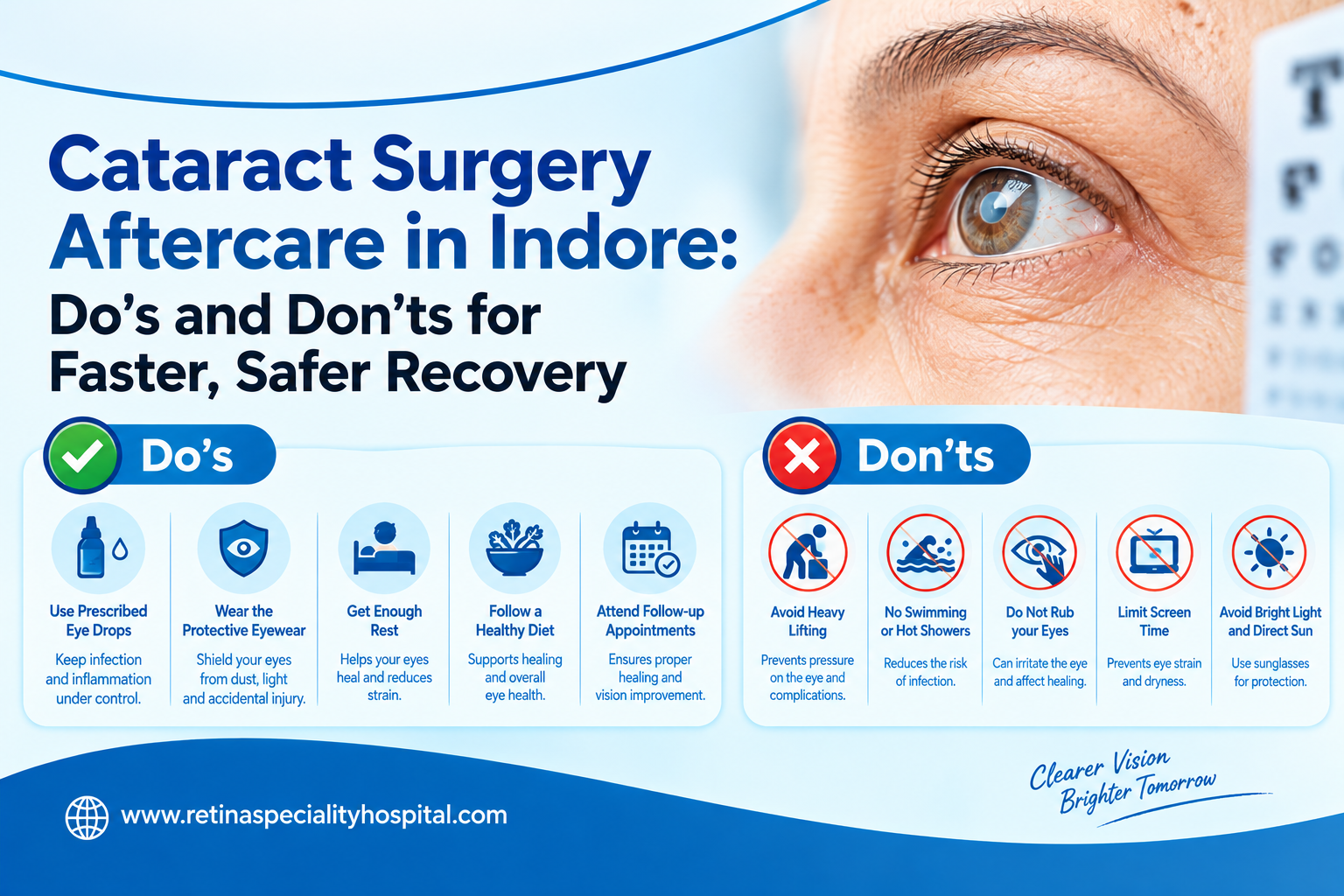
- Never rub the eyes for a minimum of four weeks after surgery
- Use all prescribed antibiotic and anti-inflammatory drops on the exact schedule given
- Wear protective eye shields during sleep for five to seven nights
- Attend every follow-up appointment at the advanced laser eye treatment in Indore clinic
- Report any worsening symptoms immediately rather than waiting for the next scheduled visit
- Wear UV-protective sunglasses outdoors for a minimum of one year post-surgery
Choosing a surgeon and facility that performs comprehensive candidacy screening, uses current-generation laser technology, and provides structured post-operative care is the most powerful risk mitigation available to any patient considering laser eye surgery in Indore.
Case Study
Vikram came to Retina Specialty Hospital, Indore requesting LASIK for his prescription of -5.50 in both eyes with mild astigmatism. He had been wearing contact lenses for 12 years and was highly motivated to achieve glasses-free vision for his professional work.
Pre-operative screening findings:
During corneal topography mapping, the top laser eye surgeon in Indore identified a borderline thin cornea in the right eye with a subtle inferior steepening pattern — an early warning sign for increased ectasia risk. This finding was not visible on basic slit-lamp examination alone and would not have been detected without dedicated topography screening.
Decision: Standard LASIK was not recommended for the right eye. Vikram was offered SMILE (Small Incision Lenticule Extraction) as an alternative, which does not create a corneal flap and carries a significantly lower ectasia risk for patients with borderline corneal profiles.
Surgical outcome:
| Parameter | Pre-surgery | 6 Months Post-surgery |
| Right eye visual acuity | 6/60 (corrected to 6/6) | 6/6 unaided |
| Left eye visual acuity | 6/60 (corrected to 6/6) | 6/6 unaided |
| Corneal thickness right eye | Borderline | Stable, no thinning |
| Dry eye score | Mild pre-existing | Mild, managed with drops |
| Night vision complaints | None | Mild transient halos, resolved by Month 3 |
| Patient satisfaction | Pre-surgery anxiety | 9/10 at 6-month review |
Vikram’s experience: “The surgeon found something on my scan that three other clinics had not checked for. I would have had standard LASIK elsewhere without knowing my right cornea was borderline. The extra time spent on screening gave me the right surgery for my eyes, not just the popular one.”
FAQ’s About Laser eye treatment in Indore
Q1. What are the common risks of LASIK eye surgery?
Common risks include dry eyes, halos, glare, light sensitivity, and undercorrection. Most are temporary and resolve within three to six months.
Q2. Is laser eye surgery safe or dangerous for vision?
LASIK is generally safe with less than one percent serious complications. Proper patient screening ensures high safety and excellent long-term visual outcomes.
Q3. What are the long-term side effects of LASIK surgery?
Long-term effects are rare but may include corneal ectasia or mild regression. Regular eye exams help detect and manage changes early.
Q4. How can I reduce the risks of laser eye treatment?
Choose experienced surgeons, ensure stable prescription, complete pre-surgery tests, follow instructions, avoid rubbing eyes, and attend all follow-up appointments regularly.
Q5. Who should avoid laser eye surgery and why?
Patients with thin corneas, keratoconus, unstable vision, dry eyes, autoimmune diseases, or pregnancy should avoid LASIK and consider alternative procedures instead.
Q6. Can LASIK complications be corrected after surgery?
Most complications like undercorrection, dry eyes, or flap issues are treatable with enhancements, medications, or minor procedures when detected early.
Q7. What is corneal ectasia and how common is it after LASIK?
Corneal ectasia is progressive corneal weakening causing vision distortion. It occurs rarely, around 0.04 to 0.6 percent, preventable with proper screening.
Q8. What percentage of LASIK patients are unhappy with the results?
Around one to five percent of patients report dissatisfaction due to dry eyes, glare, or residual vision issues after LASIK procedures.
Conclusion
Laser eye surgery is a safe and highly effective solution for vision correction when performed on the right candidate by an experienced surgeon. While most side effects are temporary and manageable, understanding potential risks helps you make informed decisions. Proper pre-operative screening, advanced technology, and strict post-operative care significantly reduce complications. Choosing a trusted centre for laser eye treatment in Indore ensures better outcomes and long-term satisfaction. If you follow medical advice, avoid eye strain, and attend regular follow-ups, LASIK can deliver life-changing results with minimal risk and a high level of visual freedom for years to come.