








Most people apply sunscreen before stepping outside but rarely think about protecting their eyes from the same harmful radiation. The World Health Organization estimates that up to 20% of cataract cases worldwide are directly caused by UV radiation eye exposure, making sunlight one of the leading preventable causes of vision loss globally. In India, where UV Index levels regularly reach 10 to 12 during summer months, the risk of eye damage from sun exposure is among the highest in the world. Patients seeking eye treatment in Indore increasingly present with UV-related conditions that could have been prevented with consistent, simple protective measures adopted years earlier.
Why Are UV Rays Harmful to Your Eyes?
The human eye is not designed for unprotected, prolonged exposure to ultraviolet radiation. UV rays are divided into three categories: UVA, UVB, and UVC. UVC rays are absorbed by the atmosphere and do not reach the eye. UVA and UVB rays, however, penetrate directly into ocular tissue and cause measurable cumulative damage over a lifetime.
Ultraviolet radiation eye safety is important because UV damage to the eye is additive. Each unprotected exposure adds to the total lifetime dose, and the effects are not always immediately visible. Conditions that develop from chronic UV exposure include:
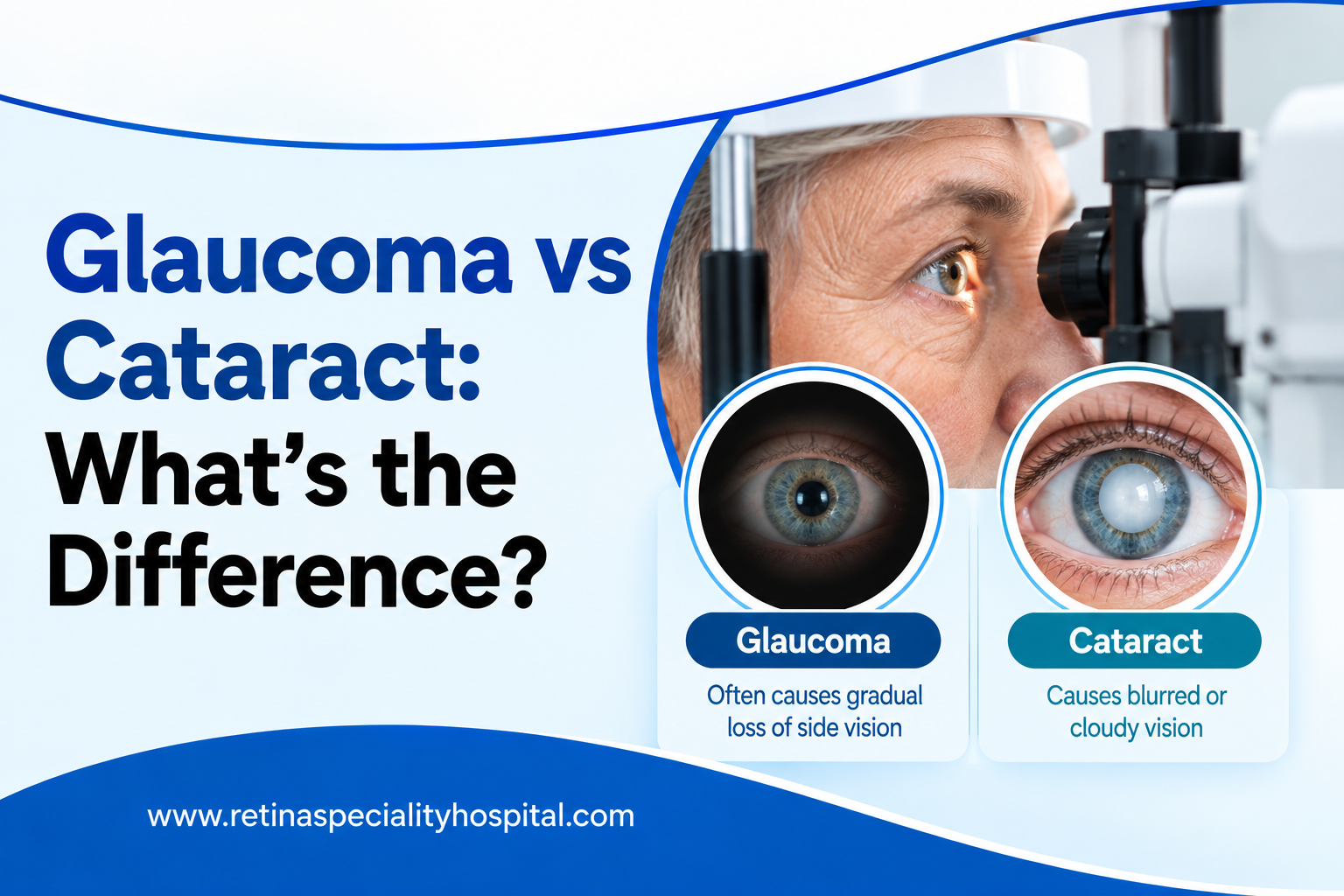
- Cataracts: Clouding of the eye’s natural lens, accelerated by UVB exposure
- Pterygium: A fleshy tissue growth on the white of the eye that can extend onto the cornea and distort vision
- Photokeratitis: Essentially sunburn of the cornea, causing intense pain, redness, and temporary vision loss
- Macular degeneration: Long-term UV and high-energy visible light exposure is associated with damage to the central retina
- Conjunctival melanoma: A rare but serious UV-related cancer of the eye surface
How to Protect Eyes From UV Rays Naturally
Natural protection from UV damage begins with understanding when and where UV exposure is highest, and adjusting outdoor habits accordingly.
High-risk UV exposure times and environments:
- UV intensity peaks between 10 AM and 4 PM, regardless of season
- Reflective surfaces multiply UV exposure significantly: snow reflects up to 80% of UV rays, sand up to 25%, and water up to 10%
- High altitudes increase UV intensity by approximately 10% for every 1000 metres gained
- Urban environments with glass facades and concrete surfaces create significant UV reflection at eye level
Natural UV eye protection habits:
- Seek shade during peak UV hours, particularly between 11 AM and 2 PM
- Wear a wide-brimmed hat of at least 7.5 centimetres to reduce direct overhead UV reaching the eyes by up to 50%
- Position yourself so the sun is behind you rather than in front during outdoor activities
- Avoid looking toward reflective surfaces such as water, sand, or snow without protective eyewear
These natural measures reduce UV load but do not eliminate it. Protective eyewear for outdoors remains the most reliable and consistent form of UV eye protection available.
Best Sunglasses to Block UV Rays for Eyes
Choosing the right sunglasses is the most important practical decision in UV protection for eyes. Not all sunglasses provide genuine UV protection. Lens darkness does not indicate UV filtering ability. A dark lens without UV coating can actually increase UV damage by causing the pupil to dilate, allowing more radiation to enter the eye.
What to look for in UV blocking sunglasses:
- UV 400 rating: Blocks all UV rays up to 400 nanometres, covering both UVA and UVB completely
- Wraparound frame design: Prevents UV entry from the sides and above, which standard frames allow
- Lens size: Larger lenses provide more coverage of the periocular tissue and reduce peripheral UV exposure
- Polarized lenses: Reduce horizontal glare from reflective surfaces, improving visual comfort and clarity
Polarized sunglasses’ benefits extend beyond UV filtering. Polarized lenses specifically block horizontally oriented reflected light from water, roads, and snow, making them particularly valuable for driving, water sports, and outdoor work in high-glare environments.
UV protection comparison by lens type:
| Lens Type | UVA Blocking | UVB Blocking | Glare Reduction | Recommended For |
| UV 400 rated lens | 100% | 100% | Partial | Daily outdoor use |
| Polarized UV 400 lens | 100% | 100% | High | Driving, water, sports |
| Standard tinted lens (no UV coating) | Low | Low | Partial | Not recommended |
| Photochromic UV 400 lens | 100% | 100% | Moderate | Mixed indoor/outdoor use |
| Contact lenses with UV block | Partial | Partial | None | Supplement only, not primary |
Patients at an eye specialist in Indore frequently present with pterygium and early cataracts after decades of wearing fashion sunglasses without UV 400 certification. The certification label is not a marketing feature. It is a clinical requirement.
How UV Rays Affect Eyes Differently at Different Life Stages
UV eye damage is a lifelong process that begins in childhood and compounds with every decade of unprotected exposure. Understanding the age-specific risk profile of eye damage from sun exposure helps patients prioritize protection at every stage of life.
Children (under 18): The crystalline lens in a child’s eye is more transparent than an adult lens and filters significantly less UV radiation. Research estimates that 50% of a person’s lifetime UV dose is received before the age of 18. Children spending time outdoors in India during summer months require UV 400 sunglasses and wide-brimmed hats as standard protective equipment, not optional accessories.
Working-age adults (18 to 50): Cumulative UV damage continues but is less visible at this stage. Pterygium, pinguecula, and early lens changes are the most common findings in this group presenting for eye treatment in Indore. Consistent UV protection during this phase significantly slows cataract progression later in life.
Older adults (50 and above): UV-related conditions become clinically significant. Cataracts, macular changes, and pterygium requiring treatment are common presentations. Post-cataract surgery patients should maintain UV 400 sunglasses as intraocular lenses vary in their built-in UV filtering capacity.
Tips to Avoid Sun Damage to Eyes While Outdoors
Practical eye care in sunlight requires more than sunglasses alone. A layered approach combining eyewear, physical shading, and behavioural habits provides the most complete protection.
Daily outdoor UV protection checklist:
- Put on UV 400 sunglasses before stepping outside, even on overcast days
- Wear a wide-brimmed hat alongside sunglasses for combined protection
- Apply broad-spectrum sunscreen around the eye area to protect periocular skin from UV-related cancer
- Choose outdoor seating under shade structures rather than in direct sunlight
- Carry sunglasses as consistently as you carry a phone, treating UV protection as a daily non-negotiable
- Replace sunglasses if the frame no longer wraps close to the face or lenses show scratching that compromises clarity
Activities requiring heightened UV protection:
- Driving: Dashboard and windscreen reflection creates significant UV exposure at eye level
- Swimming and water sports: Water surface reflection multiplies UV load substantially
- Snow and high-altitude activities: Reflective surfaces and reduced atmospheric UV filtering combine for extreme exposure
- Outdoor occupational work: Construction, agriculture, and outdoor teaching require wraparound protective eyewear as standard
What Are the Best Ways to Protect Eyes From Sunlight Year-Round
Many people reduce eye protection during winter or on cloudy days based on the false assumption that UV radiation is only a summer risk. This misunderstanding is one of the most common contributors to cumulative UV eye damage seen at an eye hospital in Indore.
Year-round UV eye protection facts:
- Up to 80% of UV rays penetrate cloud cover, making overcast days genuinely hazardous for unprotected eyes
- Winter UV Index levels in India remain at moderate to high levels across most of the country
- Snow and ice reflect up to 80% of UV radiation, creating the highest per-unit-time UV exposure of any surface
- UV exposure at midday in December in central India is comparable to early morning UV levels in summer
Seasonal protection recommendations:
- Summer (March to September): UV 400 wraparound sunglasses plus wide-brimmed hat, worn outdoors at all times
- Monsoon (June to September): UV protection still required on bright days between cloud cover
- Winter (October to February): UV 400 sunglasses required during midday hours, particularly at higher elevations
- Indoor environments near windows: UVA rays penetrate standard window glass, so light sensitivity and proximity to large windows warrants consideration
How to Prevent UV-Related Eye Problems With Regular Eye Examinations
Preventing UV eye damage is most effective when professional monitoring is part of the protection strategy. Many UV-related eye conditions develop silently over years before producing noticeable symptoms. By the time patients notice significant vision change, meaningful structural damage has already occurred.
Regular eye examinations at an eye doctor in Indore allow early detection of:
- Early nuclear or cortical cataract changes from cumulative UV exposure
- Pterygium growth that is encroaching on the cornea before vision is affected
- Retinal pigment changes associated with long-term high-energy light exposure
- Conjunctival lesions that may represent UV-related dysplasia requiring monitoring
The American Academy of Ophthalmology recommends a comprehensive baseline eye examination by age 40 for all adults, with annual examinations for those over 60 or with known UV exposure risk factors. Patients in high-UV environments such as Indore benefit from examinations beginning earlier, particularly if they have worked outdoors or lived without consistent UV eye protection.
Case Study
Ramesh visited Retina Specialty Hospital, Indore with a three-year history of progressive blurring in his right eye and a visible whitish growth on the inner corner of his right eye that had been gradually increasing in size.
Background: Ramesh had worked outdoors in Indore for over 25 years without consistent UV eye protection. He occasionally wore basic tinted sunglasses purchased without UV certification.
Clinical findings at first examination:
- Right eye pterygium extending 3 millimetres onto the corneal surface, causing induced astigmatism
- Early nuclear cataract in both eyes consistent with UV-accelerated lens changes
- Left eye pterygium at grade 1, not yet affecting vision
Treatment provided:
- Surgical pterygium excision with conjunctival autograft on the right eye
- Prescription UV 400 wraparound sunglasses fitted post-operatively
- Wide-brimmed hat and outdoor UV protection education provided
- Cataract monitoring schedule established with six-monthly review
Outcome metrics:
| Parameter | At First Visit | 6 Months Post-Treatment |
| Right eye visual acuity | 6/18 | 6/9 |
| Right eye astigmatism | +1.75 induced | +0.25 residual |
| Pterygium recurrence | Not applicable | None detected |
| Left eye pterygium grade | Grade 1 | Stable, no progression |
| UV protection compliance | Non-existent | Daily UV 400 sunglasses worn |
Ramesh’s words: “I never thought sunglasses were medical equipment. I thought they were just for fashion. The surgeon showed me the difference between what I had been wearing and what actually protects. I have not left home without proper sunglasses since the surgery.”
Frequently Asked Questions: UV Ray Eye Protection
Q1. How can I protect my eyes from UV rays naturally?
Seek shade during peak UV hours, wear a wide-brimmed hat, and position the sun behind you during outdoor activities.
Q2. What are the best sunglasses to block UV rays for eyes?
Choose UV 400 rated, wraparound frame sunglasses. Polarized lenses add glare reduction for driving and water activities.
Q3. How do I prevent UV-related eye problems long term?
Wear UV 400 sunglasses daily, attend regular eye examinations, and protect eyes even on cloudy or winter days outdoors.
Q4. Are UV rays harmful to eyes on cloudy days?
Yes. Up to 80% of UV rays penetrate cloud cover. Eye protection is required outdoors regardless of weather conditions.
Q5. What eye conditions are caused by UV exposure?
UV rays cause cataracts, pterygium, photokeratitis, macular degeneration, and conjunctival melanoma through cumulative long-term exposure.
Q6. Do children need UV eye protection?
Yes. Children receive approximately 50% of their lifetime UV dose before age 18 and require UV 400 sunglasses outdoors.
Q7. Are polarized sunglasses better than regular UV sunglasses?
Polarized UV 400 lenses block harmful rays and reduce surface glare, making them superior for driving, water, and high-glare environments.
Q8. Can UV rays damage eyes through windows indoors?
Yes. UVA rays penetrate standard window glass. People sitting near large windows for extended periods benefit from UV protective lens coatings.
Conclusion
UV eye damage is silent, cumulative, and almost entirely preventable. Every year of unprotected sun exposure adds to a lifetime total that eventually manifests as cataracts, pterygium, or retinal changes that require clinical treatment. The good news is that consistent use of UV 400 sunglasses, wide-brimmed hats, and shade-seeking habits during peak UV hours reduces risk dramatically at any age. Combining daily protective habits with regular eye examinations at an eye hospital in Indore gives your eyes the complete protection they need from both immediate and long-term UV-related damage.