








Your eyes process over 80% of all sensory information your brain receives every single day. Yet most people in India do not get enough vitamin A rich fruits to support healthy vision long term. According to the World Health Organization, vitamin A deficiency remains a leading cause of preventable blindness worldwide. If you are looking for advanced eye treatment in Indore or simply want to protect your sight at home, the food on your plate plays a bigger role than most people realize.
This guide explains how to include fruits in your daily diet for better eyesight, which fruits matter most, and how a good nutrition plan works alongside professional care from a top eye doctor in Indore.
Why Fruits Matter for Retinal Health and Vision Improvement
The retina is a thin layer of tissue at the back of your eye. It converts light into signals that your brain reads as images. It contains photoreceptor cells that depend on a steady supply of nutrients to stay healthy.
Antioxidants for eye protection, such as lutein, zeaxanthin, and vitamins C and E, filter harmful blue light and reduce oxidative stress on these fragile cells. Research published in the Archives of Ophthalmology shows that a diet high in antioxidant-rich foods is linked to a lower risk of age-related macular degeneration (AMD) and cataracts.
These are conditions that top eye surgeons in Indore see regularly in clinical practice. Starting a fruit-rich diet early is one of the most effective steps you can take for long-term eye protection.
Which Fruit is Best for the Eyes? Top Choices Backed by Science
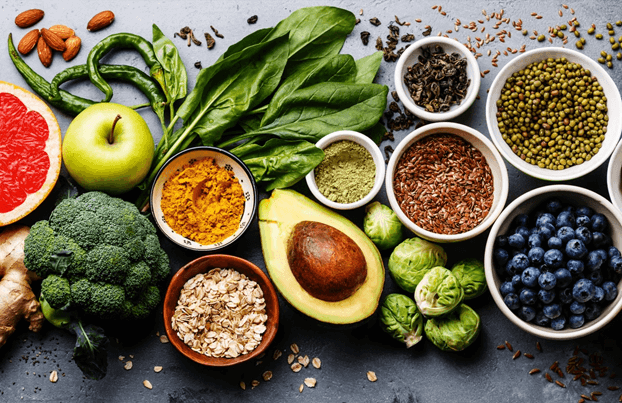
Not all fruits are equal when it comes to eye nutrition. The best choices combine lutein and zeaxanthin sources with high vitamin content. Here are the fruits that deliver the most benefit for your vision.
- Papaya – High in beta-carotene, which the body converts to vitamin A. Supports night vision and prevents dry eyes.
- Mango – Contains zeaxanthin and vitamin C. Protects the lens and reduces cataract risk. A top answer to which fruit is best for the eyes.
- Oranges and citrus – Rich in vitamin C, which protects blood vessels in the eye and slows AMD progression.
- Blueberries – Contain anthocyanins that improve night vision and reduce eye fatigue from long screen hours.
- Kiwi – One of the highest vitamin C fruits available. Supports collagen production in the cornea.
- Guava – Provides more vitamin C per serving than an orange. Common in Indian diets and very affordable.
- Amla (Indian gooseberry) – An exceptional vitamin A rich fruit used in Ayurveda for centuries to support eye health naturally.
| Fruit | Key Nutrient | Eye Benefit | Best For |
| Papaya | Beta-carotene, Vitamin A | Night vision, dry eye prevention | Vitamin A rich fruits |
| Mango | Zeaxanthin, Vitamin C | Cataract protection, retinal support | Lutein and zeaxanthin sources |
| Orange | Vitamin C, Flavonoids | Slows AMD, protects blood vessels | Antioxidants for eye protection |
| Blueberry | Anthocyanins | Night vision, reduces digital eye fatigue | Screen fatigue relief |
| Amla | Vitamin C, Tannins | Corneal health, retinal nourishment | Indian diet staple |
| Kiwi | Vitamin C, Lutein | Collagen support, pressure balance | Nutrients for retinal health |
| Guava | Vitamin C, Lycopene | Oxidative stress reduction | Vitamin A rich fruits |
How Many Fruits Should I Eat Daily for Eye Health?
The Indian Council of Medical Research recommends at least 2 to 3 servings of fruit per day for an adult. For eye health specifically, spacing these throughout the day helps maintain consistent antioxidant levels in the bloodstream.
A practical approach works well here. Eat one vitamin A rich fruit such as papaya or mango at breakfast. Follow with a citrus fruit like orange at mid-morning. Add a smaller portion of berries or amla in the afternoon.
This creates a natural, sustained supply of nutrients for retinal health throughout the day without any drastic change to your current meals.
What is the Best Time to Eat Fruits for Eyesight?
Timing matters more than most people expect. Eating fruits in the morning on an empty stomach helps the body absorb fat-soluble nutrients such as beta-carotene more efficiently.
Pairing fruits with a small amount of healthy fat, such as a handful of nuts or a spoon of peanut butter, further improves the absorption of lutein and zeaxanthin. Avoid eating fruits immediately after a heavy meal, as digestion competition can reduce nutrient uptake.
Mid-morning and mid-afternoon are ideal windows for a fruit snack that supports your vision improvement foods goals throughout a busy day.
Simple Ways to Add Eye-Healthy Fruits to Your Meals Every Day
Knowing which fruits to eat is only half the picture. You also need simple, realistic habits to include them consistently in your daily diet plan for better eye health. Here are practical ideas that work well for Indian households.
- Blend amla with water and honey for a morning shot of vitamin C and antioxidants.
- Add sliced papaya or mango to your breakfast plate alongside your regular meal.
- Replace processed snacks with a small bowl of guava or orange slices at 11 am.
- Make a fruit chaat with kiwi, mango, and a pinch of rock salt for a tasty, eye-friendly nutrition snack.
- Add blueberries to oatmeal, yogurt, or a smoothie for an easy daily lutein boost.
- Keep a pre-cut fruit box in the refrigerator to remove the barrier of daily preparation.
Can Fruit Juices Help Improve Vision?
Whole fruits are always preferred over juices. Juicing removes the dietary fiber that slows sugar absorption and preserves many phytonutrients found in the fruit pulp and skin.
However, cold-pressed juices without added sugar can still deliver a useful dose of vitamin C and antioxidants. If you prefer drinking fruit, choose fresh-squeezed orange juice, amla juice, or a blend of carrot and guava. Avoid packaged juices, which often contain added sugar and very few nutrients.
As a rule: juice can complement a diet for better vision, but it cannot replace whole fruit in your daily routine.
Are Raw Fruits Better Than Eye Health Supplements?
Whole fruits provide nutrients in a complex natural matrix alongside fiber, water, and hundreds of plant compounds that work together. Supplements isolate individual nutrients, which can be beneficial in cases of deficiency but rarely match the full benefit of whole foods.
A large-scale study called AREDS2 (Age-Related Eye Disease Study 2) found that specific supplements can slow AMD progression in high-risk patients. However, for healthy individuals, eating fruits that improve eyesight naturally remains the most evidence-based daily strategy.
Your top eye doctor in Indore can advise whether supplements are necessary for your specific eye condition.
Which Fruit Combinations Are Best for Eyes?
Combining fruits with complementary nutrients multiplies their benefits. Some powerful pairings for eye-friendly nutrition include the following options.
- Mango and orange – Zeaxanthin from mango with vitamin C from orange for synergistic antioxidant protection.
- Papaya and amla – Double vitamin A and C for retinal nourishment and corneal strength combined.
- Blueberries and kiwi – Anthocyanins plus vitamin C for a strong anti-inflammatory effect on the macula.
- Guava and banana – Vitamin C and potassium together support the fluid pressure balance inside the eye.
Can Diet Improve Weak Eyesight Naturally?
A nutrient-rich diet can meaningfully support eye health, reduce the risk of conditions like macular degeneration and cataracts, and relieve symptoms like dryness and screen fatigue. However, diet cannot reverse refractive errors such as myopia or hyperopia.
These conditions require corrective lenses or eye surgery in Indore from a qualified specialist. Think of your diet as ongoing protection and maintenance for your eyes. If you already have a diagnosed eye condition, professional care from a top eye surgeon in Indore is essential alongside good nutrition. These two approaches work together for the best long-term outcomes for your vision.
What Foods Should Be Avoided for Eye Health?
Just as some foods protect your eyes, others can accelerate damage over time. Limit or avoid the following for better long-term vision health.
- Deep-fried and trans-fat foods that increase inflammation in blood vessels supplying the retina.
- Excess sugar and refined carbohydrates are linked to a higher risk of diabetic retinopathy.
- Excessive salt intake, which raises blood pressure and stresses ocular blood vessels over time.
- Alcohol in large quantities, which depletes vitamin A and zinc critical for normal retinal function.
- Processed packaged snacks with artificial additives that generate oxidative stress in eye tissue.
How Long Does It Take to See Results from an Eye-Healthy Diet?
Most people notice a reduction in eye dryness, less fatigue after screen time, and improved clarity in low light within 4 to 8 weeks of consistent dietary change. Long-term protection against conditions like AMD and cataracts builds over months and years of sustained healthy eating.
This is why starting early matters so much. Combining a fruit-rich healthy diet for eyesight with regular check-ups at an advanced eye treatment in Indore clinic gives you the most complete approach to protecting your vision for life.
CASE STUDY:
A 52-year-old software professional in Indore visited our clinic with persistent dry eyes, blurred evening vision, and discomfort after 6 hours of daily screen work. Initial examination revealed early-stage macular stress with suboptimal serum vitamin A levels.
Our retina team recommended a structured fruit-first nutrition plan alongside prescribed lubricating eye drops. The daily plan included amla juice each morning, papaya at breakfast, and a fresh orange at mid-morning. After 6 weeks, the patient reported a significant reduction in evening blurriness. Dryness episodes dropped from daily to occasional.
At the 8-week follow-up, serum vitamin A normalized and macular stress markers improved on imaging. The patient continues with dietary maintenance and annual retinal scans at our eye treatment in Indore clinic as part of ongoing preventive care.
FAQ’s About Eye Treatment
Q1. Which fruit is best for the eyes?
Papaya, mango, and oranges are top fruits for eye health due to vitamin A, C, and antioxidants.
Q2. How many fruits should I eat daily for eye health?
Eat 2 to 3 servings of varied fruits daily, spaced across morning and afternoon, for steady antioxidant support.
Q3. What is the best time to eat fruits for eyesight?
Morning on an empty stomach improves beta-carotene absorption; mid-morning and afternoon snacks work well too.
Q4. Can fruit juices help improve vision?
Fresh juices like amla or orange provide vitamins, but whole fruits are always preferred for full nutritional benefit.
Q5. Are raw fruits better than supplements?
Yes, whole fruits offer a broader nutrient range than isolated supplements and are the preferred daily strategy.
Q6. Which fruit combinations are best for eyes?
Mango and orange, papaya and amla, and blueberries with kiwi are powerful pairings for synergistic eye protection.
Q7. Can diet improve weak eyesight naturally?
Diet supports retinal health and reduces disease risk but cannot correct refractive errors needing professional eye care.
Q8. What foods should be avoided for eye health?
Avoid fried foods, excess sugar, refined carbs, high salt, and alcohol as they damage retinal blood vessels over time.
Q9. How long does it take to see results?
Most people notice reduced dryness and screen fatigue within 4 to 8 weeks of consistent fruit-rich dietary improvement.
Conclusion
Your eyes deserve the same daily care you give the rest of your body. Including vitamin A rich fruits like papaya, mango, amla, and oranges in your diet is one of the simplest and most effective steps toward better vision. These fruits supply antioxidants for eye protection, support retinal health, and reduce the risk of conditions like cataracts and macular degeneration over time.
A good diet works best when paired with regular professional check-ups. If you are seeking advanced eye treatment in Indore, consult a top eye doctor in Indore today and take the first step toward lifelong healthy vision.