








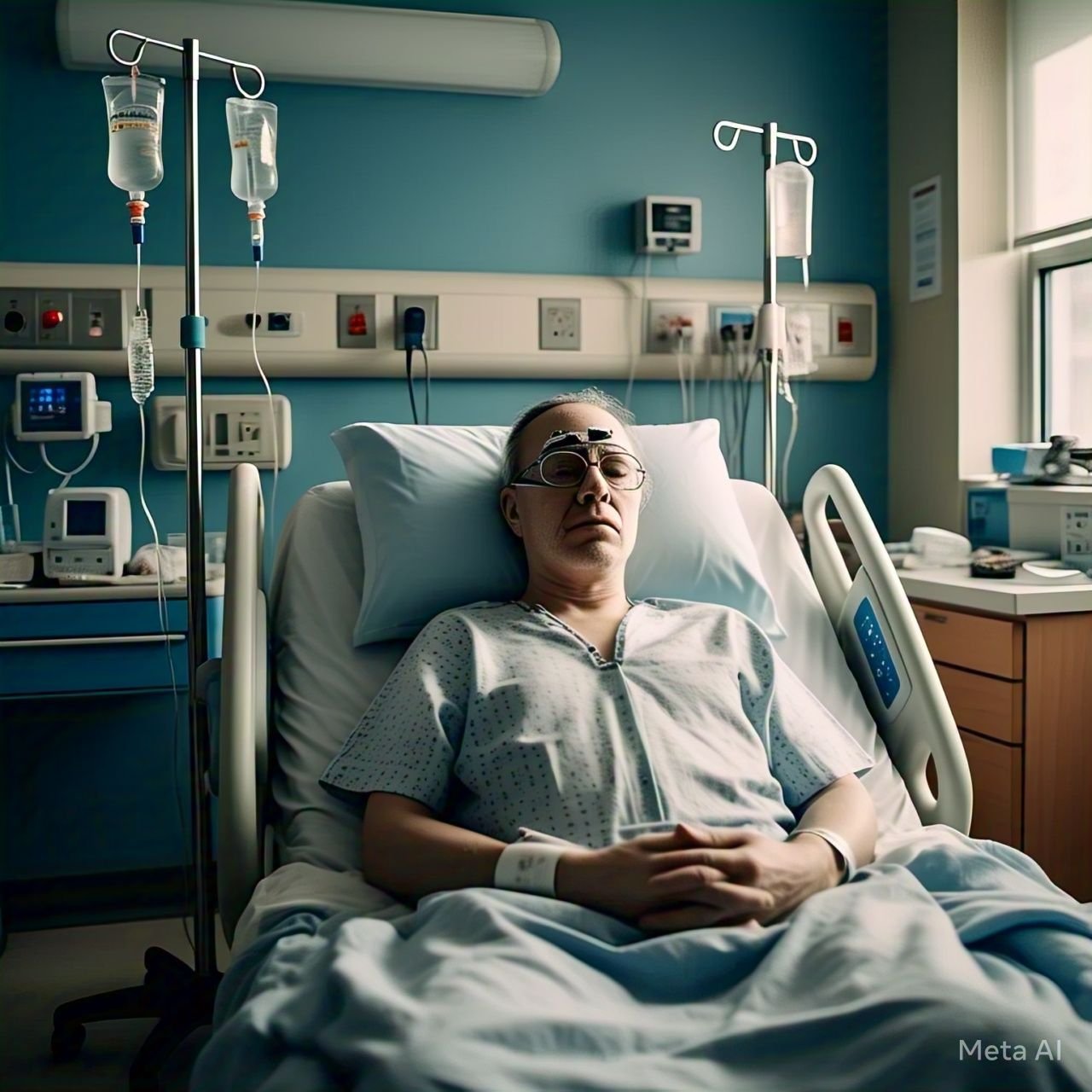
Retinal surgery recovery involves patience, proper care and following your doctor’s instructions. Whether you’ve had vitrectomy or scleral buckling, these tips can dramatically speed up your healing.
Rest and positioning are important. Many patients are required to remain face down for days to assist the retina in reattaching properly. Avoid strenuous activity, heavy lifting or bending that could strain your eye.
Protect your eye from dust, water, and bright light. Wear the prescribed shield, especially at night. Use the prescribed eye drops regularly to prevent infection and control inflammation.
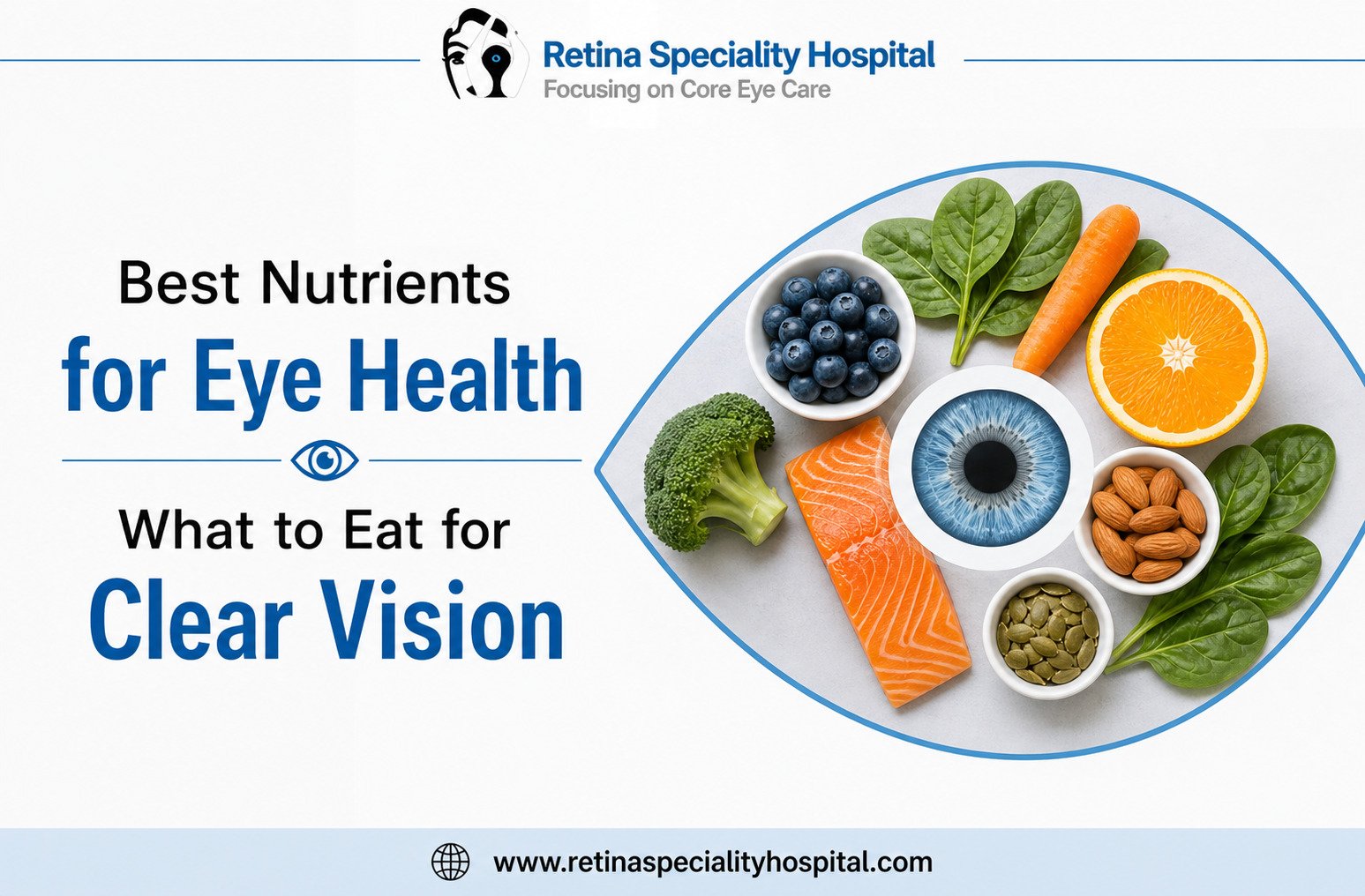
Diet and hydration Diet and hydration play a supporting role Foods rich in antioxidants such as leafy greens, carrots and fish support retinal healing. Stay well hydrated and avoid smoking, which constricts circulation.
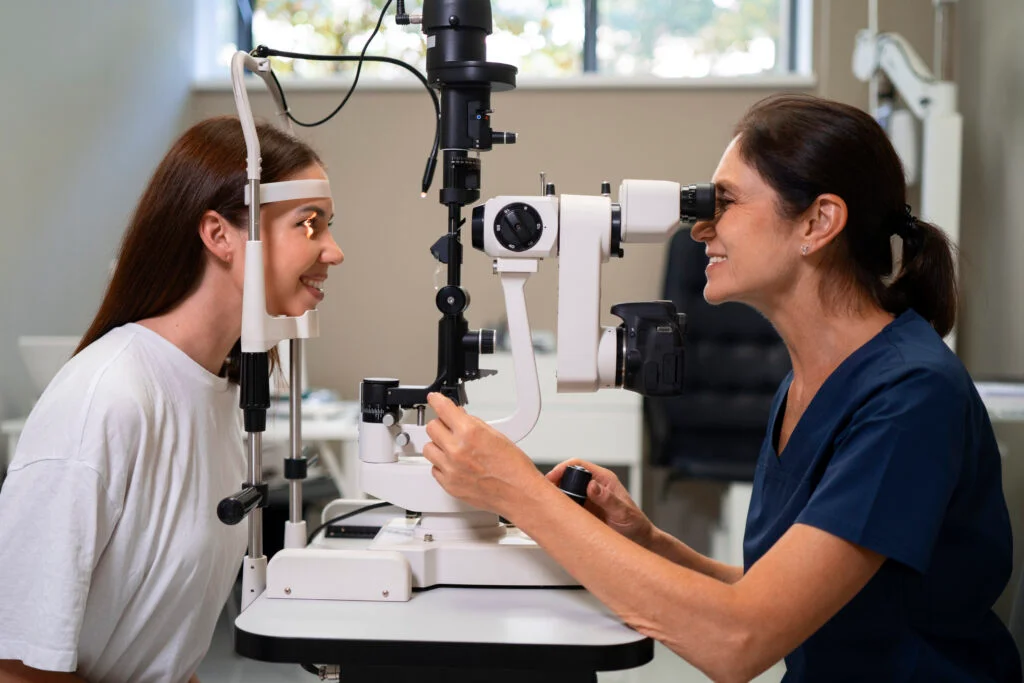
Make sure to attend all follow-up appointments. Eye Treatment in Indore patients are served by specialised retinal care centres with comprehensive post-operative care and monitoring to detect any complication at early stages.
No screens or reading for the first few days. Call your surgeon immediately if you have sudden changes in vision, increased pain, or floaters.
Most patients regain significant vision within weeks of surgery with proper rest, medication compliance and expert care.
1. Follow Your Doctor’s Instructions Carefully
Your surgeon will provide specific post-operative care instructions. Following these guidelines strictly is key to a smooth recovery. This includes:
- Taking prescribed medications on time.
- Using prescribed eye drops to prevent infection and inflammation.
- Keeping follow-up appointments with your retina specialist doctor.
2. Maintain Proper Head Positioning
In some cases, your doctor may advise you to maintain a specific head position to help the retina heal correctly, especially after procedures like a vitrectomy or gas bubble placement. Adhering to this recommendation can significantly impact your recovery speed.
3. Avoid Strenuous Activities
Refrain from heavy lifting, bending over, or any activity that may increase eye pressure. Activities like jogging, swimming, or even excessive screen time should be avoided for the first few weeks post-surgery.
4. Protect Your Eyes
- Wear Protective Eyewear: Sunglasses help shield your eyes from bright light and UV rays.
- Avoid Rubbing or Touching Your Eyes: This minimizes the risk of infection or damage to the healing retina.
- Keep Your Eyes Clean: Gently clean around the eyes with a sterile cloth as advised by your doctor.
5. Follow a Healthy Diet for Faster Healing
A nutrient-rich diet can speed up recovery. Include:
- Leafy greens & colorful vegetables: Packed with antioxidants that aid healing.
- Omega-3 fatty acids: Found in fish, flaxseeds, and walnuts to support eye health.
- Hydration: Drink plenty of water to keep your body and eyes well-hydrated.
6. Attend Regular Eye Check-Ups
Routine check-ups at the best eye hospital in Indore ensure your recovery is on track. If you experience sudden vision changes, increased pain, or redness, visit an eye check-up hospital near me immediately to prevent complications.
7. Be Patient and Rest Well
Healing takes time, so allow your body ample rest. Avoid unnecessary strain, get plenty of sleep, and engage in relaxing activities that don’t stress your eyes.
Frequently Asked Questions (FAQs)
1. How long does it take to recover from retinal surgery?
Most patients recover within 2–6 weeks, depending on the procedure type and individual healing. Full visual recovery can take 3–6 months. Regular follow-ups with your eye specialist ensure complications are detected early and recovery progresses smoothly.
2. What activities should I avoid after retinal surgery?
Avoid heavy lifting, strenuous exercise, swimming, and bending below the waist. Screen time and reading should be limited initially. Always follow your surgeon’s specific activity restrictions, as guidelines vary based on the type of retinal procedure performed.
3. Is face-down positioning always required after retinal surgery?
Not always — it depends on the surgery type. Procedures involving a gas bubble typically require face-down positioning to keep the bubble pressing against the retina. Your surgeon will specify duration and positioning requirements based on your individual case.
4. What are the signs of complications after retinal surgery?
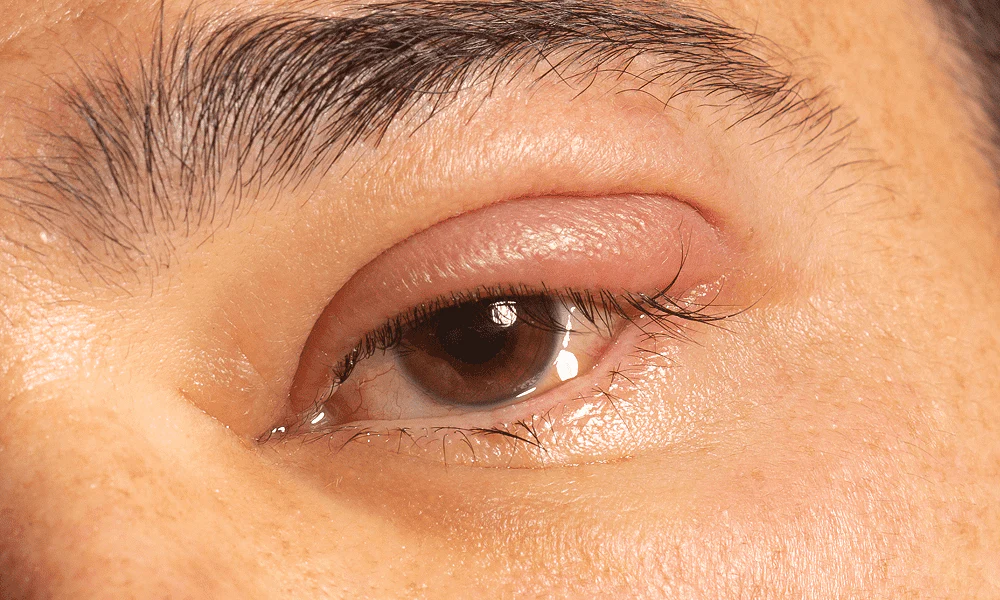
Watch for sudden vision loss, increased floaters, flashes of light, severe eye pain, redness, or swelling. These may signal infection, re-detachment, or elevated eye pressure. Contact your eye doctor immediately if any of these symptoms appear post-surgery.
5. Can I watch TV or use my phone after retinal surgery?
Limited screen use is generally allowed after a few days, but prolonged use causes eye strain and may slow recovery. Take frequent breaks using the 20-20-20 rule. Always consult your surgeon about when it’s safe to resume normal screen habits.
6. How should I sleep after retinal surgery?
Sleep on the side or face-down as directed by your surgeon, particularly if a gas bubble was used. Use a special face-down pillow for comfort. Maintaining the correct position consistently is crucial for successful retinal reattachment and faster healing.
7. When can I drive after retinal surgery?
Driving is not permitted until your vision stabilizes and your doctor gives clearance — usually several weeks post-surgery. A gas bubble in the eye disqualifies you from flying and driving. Always wait for official medical approval before resuming driving.
8. What eye drops are used after retinal surgery?
Antibiotic drops prevent infection, steroid drops reduce inflammation, and pressure-lowering drops may be prescribed if needed. Use all drops exactly as directed and at scheduled intervals. Never skip doses, as consistent use is vital for preventing post-operative complications and infections.
9. Will my vision fully return after retinal surgery?
Vision recovery varies by patient, surgery type, and how quickly the detachment was treated. Many patients regain functional vision, though some may notice lasting changes. Early treatment significantly improves outcomes. Timely Eye Treatment in Indore from a retinal specialist enhances recovery chances greatly.
10. What foods help healing after retinal surgery?
Foods rich in omega-3 fatty acids, vitamins C and E, zinc, and antioxidants support eye healing. Include salmon, spinach, carrots, nuts, and citrus fruits in your diet. Staying well-hydrated and avoiding processed foods also promotes faster recovery after retinal procedures.
Conclusion
Recovering from retinal surgery requires patience and proper care. By following your doctor’s guidance, protecting your eyes, and maintaining a healthy lifestyle, you can ensure a smooth healing process. If you’re seeking expert care for retina treatment in Indore, always choose a trusted hospital with experienced specialists.
For professional retinal care and post-surgical support, visit Retina Specialty Hospital today.