








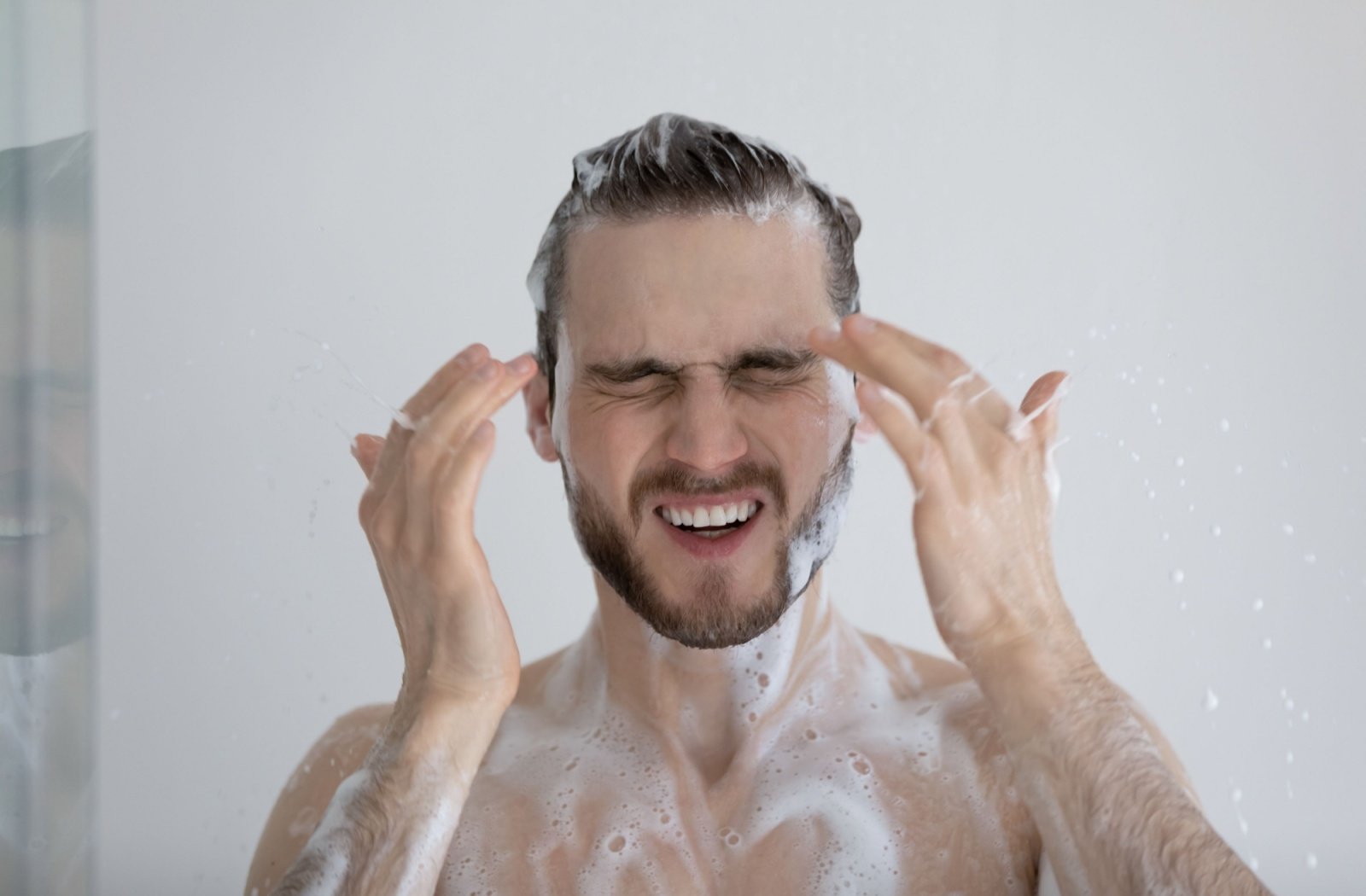
Most people assume a shower refreshes the eyes. The reality is quite different. According to the World Health Organization, municipal tap water contains residual chlorine levels between 0.2 and 1.0 mg/L, enough to disrupt the tear film on contact. A 2023 survey by the Indian Council of Medical Research found that over 38% of urban adults in central India report recurring eye discomfort directly linked to daily bathing routines. If shower water consistently leaves your eyes burning, red, or watery, understanding the cause is the first step toward lasting relief at an eye hospital in Indore.
What Makes Shower Water Harmful to Sensitive Eyes?
Tap water is not pure water. It carries a mixture of disinfectants, dissolved minerals, and trace compounds that are safe to drink in regulated amounts but directly irritating to the eye’s delicate surface.
The eye is protected by a three-layer tear film: an outer oily layer, a middle watery layer, and an inner mucin layer. Each layer has a specific function in keeping the eye moist, clear, and infection-free. When shower water contacts this film, several chemicals work against it simultaneously.
The three main water-based irritants are:
- Chlorine: Added to municipal water for disinfection. It strips the lipid layer of the tear film, causing burning and water impurities causing eye redness
- Calcium and magnesium ions: Present in hard water, these minerals deposit on the corneal surface and trigger inflammatory responses
- pH imbalance: Healthy tears have a pH of approximately 7.4. Tap water pH ranges from 6.5 to 8.5. Water outside the eye’s preferred pH range directly causes eye surface irritation from minerals and mild chemical stress
Why Do My Eyes Burn After Taking a Shower?
Burning after a shower is the most reported symptom, and it has a specific biological explanation. When chlorinated or mineral-heavy water contacts the corneal epithelium, it triggers a chemical irritation response similar to mild acid or alkali exposure.
The corneal nerve endings, which are among the densest sensory nerve clusters in the human body, detect this chemical change immediately. The burning sensation is essentially your cornea signaling that its protective surface has been temporarily compromised.
Common reasons eyes burn after bathing:
- Chlorine concentration is higher than usual (varies by season and supply zone)
- Hot shower steam accelerates evaporation of the natural tear film before water even contacts the eye
- Shampoo or conditioner residue washes into the eye during rinsing
- Pre-existing dry eyes after shower means there is less protective tear film to begin with
- Contact lens wear earlier that day leaves the corneal surface slightly more sensitive
How Does Hard Water Affect Your Eyes During a Shower?
Indore’s municipal water supply is classified as moderately to highly hard, with total dissolved solids (TDS) commonly measuring between 300 and 600 mg/L. This means every shower exposes your eyes to a measurable mineral load.
Hard water effects on eyes are different from chlorine irritation. Rather than chemical burning, minerals cause:
| Effect | Cause | Typical Duration |
| Gritty sensation | Calcium deposits on corneal surface | 30 to 60 minutes |
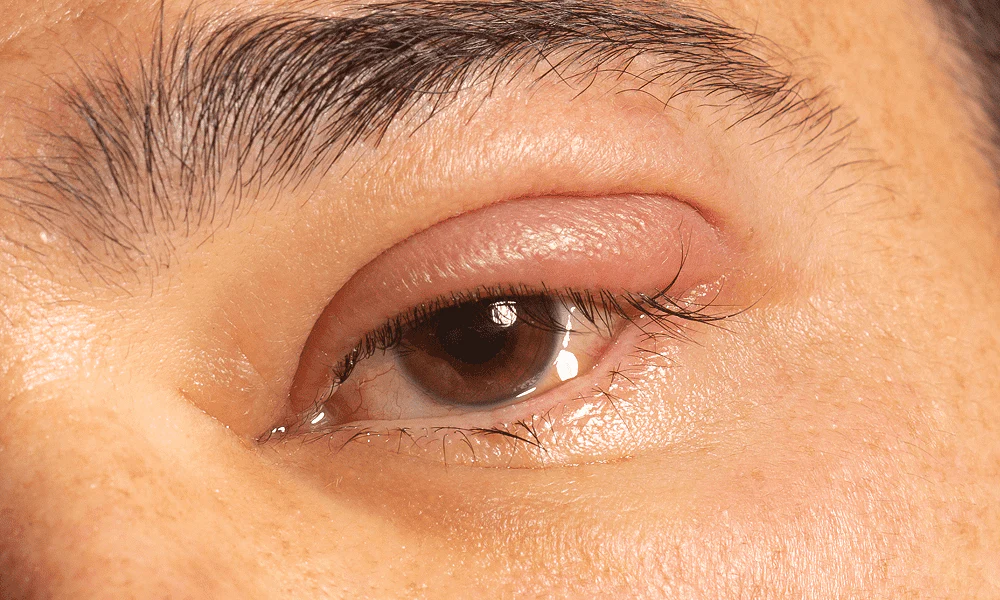
| Eye redness after bath | Inflammatory response to mineral ions | 20 to 45 minutes |
| Crusty eyelids after shower | Mineral film drying on eyelid margins | Until eyelids are cleaned |
| Blurred vision briefly | Lipid layer disruption by magnesium ions | 10 to 20 minutes |
| Worsened dry eye symptoms | Mineral interference with mucin layer | Hours, in chronic cases |
People with sensitive eyes and water exposure problems often find that hard water exposure is cumulative. Daily exposure over weeks gradually weakens tear film stability, making eyes more reactive each morning.
Is Chlorine in Shower Water Damaging Your Eyes?
Chlorine in shower water and eye discomfort are directly connected. Chlorine is a reactive chemical. Even at levels considered safe for drinking, it reacts with the proteins and lipids in the tear film, degrading them faster than the eye can replenish them.
Research published in the journal Contact Lens and Anterior Eye found that chlorine exposure of just 3 minutes caused measurable tear film instability in subjects with moderate dry eye syndrome. For healthy eyes, the effect was transient. For eyes already compromised by dry eye or pH imbalance in water and eye sensitivity, even brief chlorine contact extended recovery time significantly.
Simple measures that reduce chlorine contact:
- Keep eyes closed while water runs over the face and hair
- Rinse the face last, after shampoo and body wash are fully rinsed
- Use a filtered showerhead designed to reduce chlorine levels
- Apply preservative-free lubricating drops immediately after showering
How to Prevent Eye Irritation From Shower Water
Prevention is straightforward once you understand the cause. The goal is to minimize chemical contact with the eye surface and support rapid tear film recovery after exposure.
Practical daily steps:
- Switch to a sulfate-free, fragrance-free shampoo to eliminate the second-largest irritant in the shower
- Keep shower temperature at warm rather than hot steam from hot water accelerates tear film evaporation
- Install a shower filter that removes chlorine, heavy metals, and sediment
- Use preservative-free lubricating drops before and after showering if you have diagnosed dry eye
- Rinse eyes with clean, room-temperature distilled or filtered water if irritation occurs after showering
- Avoid rubbing eyes during or after the shower rubbing introduces physical trauma to an already chemically stressed surface
If symptoms persist despite these measures, eye treatment in Indore at a specialist clinic can identify whether an underlying condition like meibomian gland dysfunction or corneal sensitivity is amplifying the reaction.
When Should Shower-Related Eye Irritation Concern You?
Mild, short-lived redness that clears within 30 minutes is a normal chemical response. These signs, however, indicate something more than water irritation:
- Redness lasting more than 2 hours after showering
- One eye consistently more affected than the other
- Yellow or green discharge forming after showering
- Sharp or stabbing eye pain rather than a dull burn
- Vision that remains blurred 30 minutes after the shower
- Increasing sensitivity to light indoors after bathing
Any combination of two or more of these symptoms warrants a slit-lamp examination at an eye hospital in Indore. Conditions like corneal inflammation, early keratitis, or blocked tear ducts can masquerade as simple water sensitivity.
How to Treat Eye Irritation Caused by Shower Water
Treatment depends on severity and underlying cause. Here is a structured approach used at eye surgery in Indore specialist centres:
For mild, occasional irritation:
- Preservative-free artificial tears applied immediately after showering
- Cool compress over closed eyes for 5 to 10 minutes
- Avoid all eye rubbing for at least 30 minutes post-shower
For moderate, recurring irritation:
- Antihistamine drops if an allergic component is present
- Meibomian gland warm compress therapy each morning before showering
- Omega-3 fatty acid supplementation to strengthen the lipid tear layer
- Review of all shampoo and skincare products for known eye irritants
For chronic or worsening irritation:
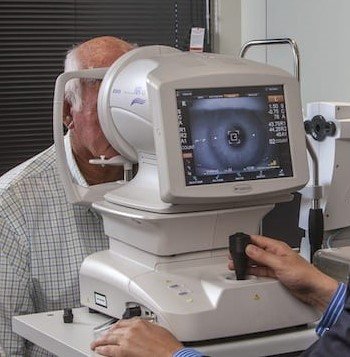
- Full dry eye panel including tear film breakup time testing
- Corneal topography to assess surface irregularities
- Punctal plug insertion in cases of severe evaporative dry eye
- Prescription anti-inflammatory drops in cases of confirmed corneal inflammation
Self-treating with over-the-counter vasoconstrictor redness drops is not recommended. These mask symptoms while the underlying condition worsens, and they create a rebound redness cycle that becomes harder to break over time.
Case Study:
Gita Patel visited Retina Eye Hospital, Indore after eight months of persistent red eyes every morning following her shower. She had tried three different over-the-counter redness drops with no lasting improvement.
Background: Meena showered with hot water using a standard shampoo containing sulfates. Her home water TDS reading was 540 mg/L, classifying it as hard water. She had no prior diagnosed eye condition.
Clinical Findings:
| Parameter | At First Visit | After 6 Weeks of Treatment |
| Tear film breakup time | 4 seconds (abnormal, normal is 10+) | 11 seconds |
| Corneal staining | Moderate punctate staining | Clear |
| Meibomian gland function | Grade 2 dysfunction | Grade 0 (normal) |
| Reported redness frequency | Daily | Occasional (once per week) |
| Morning dry eye score | 22/25 | 5/25 |
Treatment Plan:
- Switched to sulfate-free, fragrance-free shampoo
- Installed chlorine-reducing shower filter
- Twice-daily preservative-free lubricating drops
- Warm eyelid compress each morning before showering
- Omega-3 supplementation 1000 mg daily
Outcome: Within six weeks, Meena’s tear film breakup time normalized, corneal staining cleared completely, and she reported morning eye redness on only one day out of seven. She no longer requires redness drops.
Her words: “I had no idea my shampoo and hard water were causing this. Changing two small things in my routine made a bigger difference than months of eye drops.”
FAQ’s Eye Irritation From Shower Water
Q1. Why do my eyes go red when I take a bath?
Redness during or after bathing is caused by chlorine in tap water, mineral deposits from hard water, or shampoo chemicals contacting the eye surface. These disrupt the tear film and trigger a vascular response — blood vessels on the eye’s surface dilate, creating visible redness. It usually clears within 30 minutes. Daily or prolonged redness needs assessment at an eye hospital in Indore.
Q2. Is hard water harmful for sensitive eyes in the shower?
Yes. Hard water contains calcium and magnesium ions that deposit on the corneal surface and degrade the mucin layer of the tear film. For people with pre-existing dry eye or corneal sensitivity, daily exposure to hard water cumulatively worsens symptoms. A chlorine and mineral-reducing shower filter combined with preservative-free lubricating drops significantly reduces this impact.
Q3. How do I prevent eye irritation from shower water long-term?
Use a sulfate-free shampoo, keep shower temperature moderate, install a shower filter, apply lubricating drops after showering, and keep eyes closed while rinsing your hair. If symptoms persist after these changes, a tear film evaluation at a specialist eye treatment in Indore clinic can identify whether an underlying condition is amplifying your sensitivity.
Q4. Can shower water cause a corneal infection?
Tap water is not sterile and can carry microorganisms including Acanthamoeba, which causes a serious corneal infection. Contact lens wearers are at greatest risk. Never wear contact lenses in the shower, and if you experience pain, discharge, or worsening vision after shower water enters your eye, seek same-day care at an eye hospital in Indore.
Q5. Why does only one eye get irritated after a shower?
One-sided irritation usually reflects unequal water and shampoo exposure based on head angle during rinsing. It can also indicate a blocked tear duct on one side, reducing drainage of irritants, or an early unilateral corneal issue. Consistent one-sided symptoms warrant a specialist evaluation.
Q6. Does showering worsen dry eye syndrome?
Yes, particularly hot showers. Steam and heat accelerate evaporation of the tear film’s protective lipid layer. People with diagnosed dry eye syndrome often notice their worst symptoms in the morning after a hot shower. Switching to warm water and using lubricating drops immediately after showering is the most effective routine change.
Q7. What is the best eye drop to use after a shower?
Preservative-free lubricating drops (artificial tears) are the safest and most effective option after shower-related irritation. Avoid drops labeled “gets the red out” as these contain vasoconstrictors that mask symptoms without treating the cause and create rebound redness with regular use.
Q8. Can I wash my eyes with tap water if they are irritated?
Rinsing with tap water provides brief relief but does not address the chemical cause of irritation, and tap water itself contains the chlorine and minerals responsible for the reaction. Room-temperature distilled or filtered water is a better rinse option. For persistent irritation, preservative-free saline solution is safer and more pH-compatible with the eye surface than tap water.
conclusion
Shower-related eye irritation is more common than most people realize, especially in areas with hard or chlorinated water like Indore. While mild redness or burning may resolve quickly, repeated exposure can weaken your tear film and worsen dry eye symptoms over time. Simple changes such as using a shower filter, switching to gentle products, and applying lubricating eye drops can make a significant difference. However, persistent or severe symptoms should never be ignored. Early evaluation at a trusted eye hospital in Indore helps identify underlying issues and ensures proper treatment, protecting your eye health and preventing long-term complications.