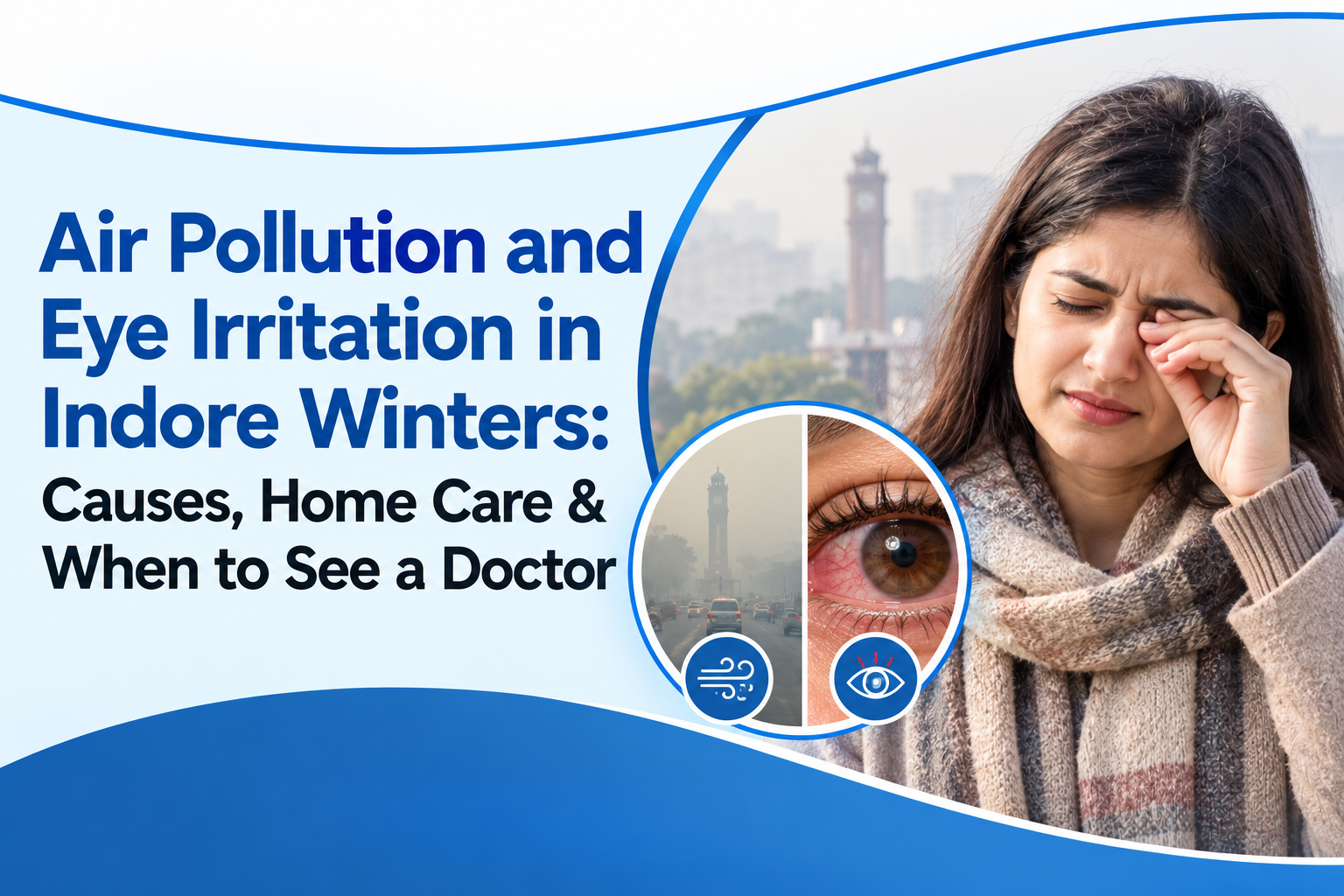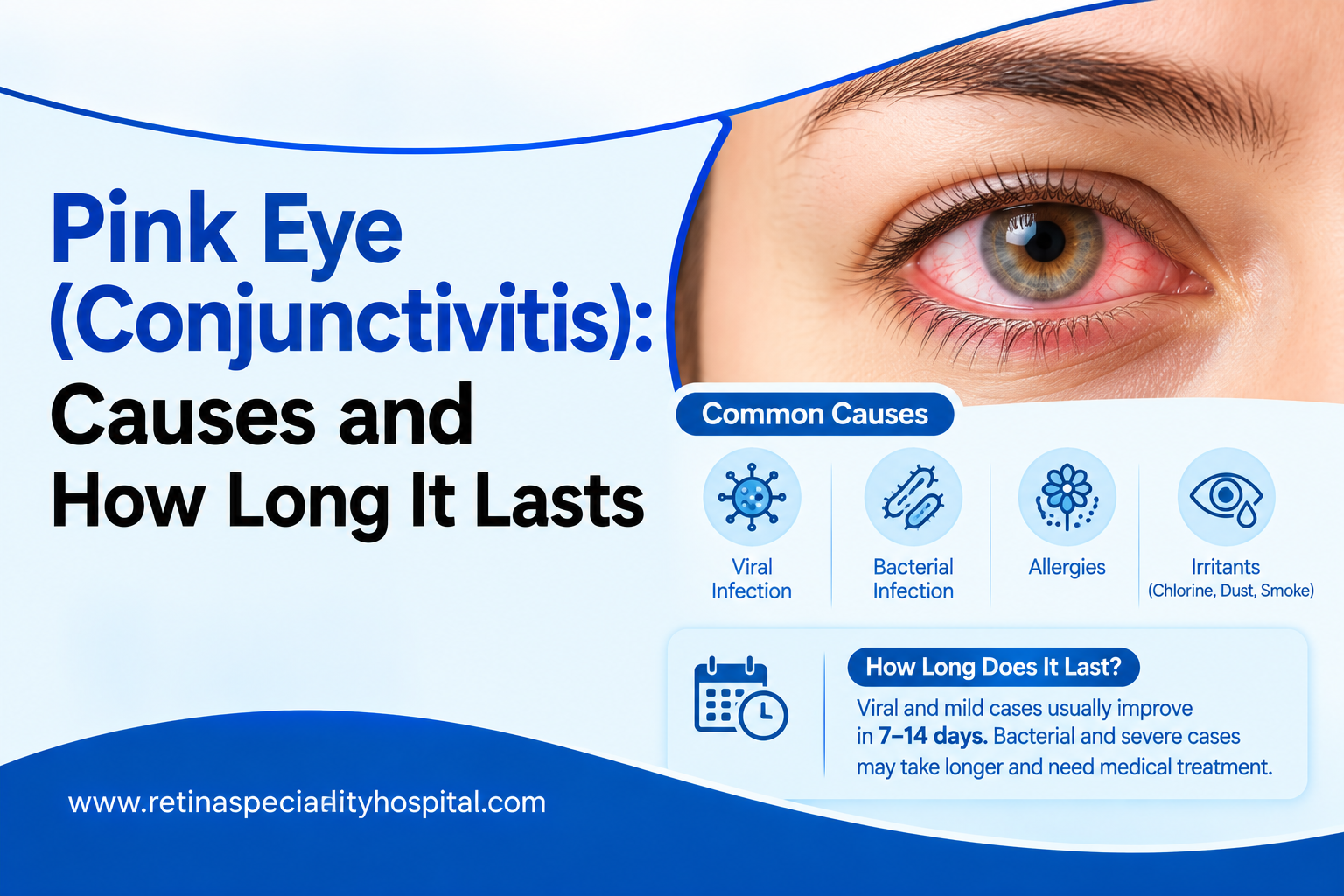









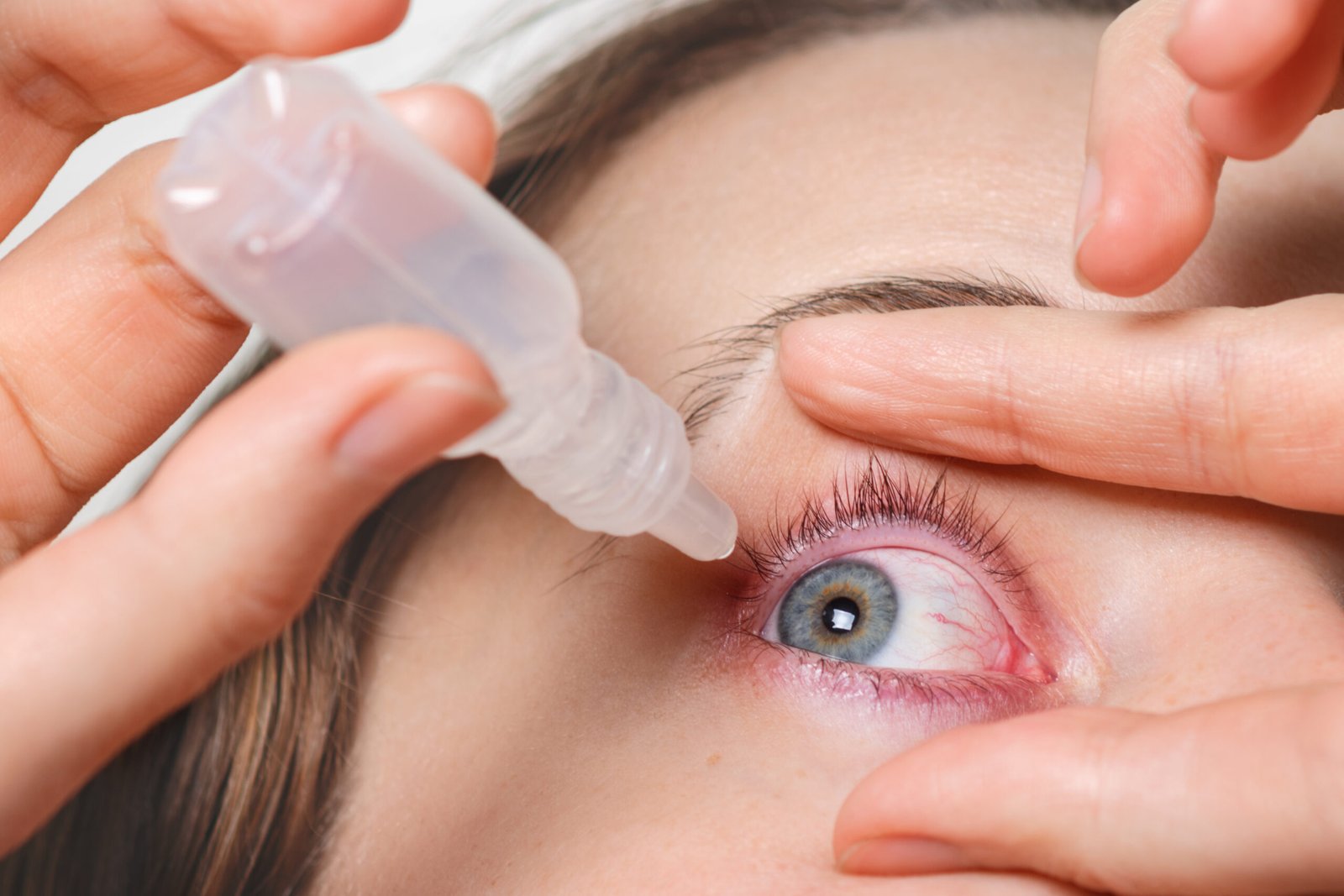
Getting red eyes in a bath is quite common and usually nothing to worry about. Most often, the culprit is contact with soap, shampoo or body wash. These products contain chemicals that irritate the delicate conjunctiva (the clear membrane that covers your eyes) and cause redness and a burning sensation.
Another culprit is hard water. Eye irritation can result when the natural tear film of the eye is disturbed by water containing high levels of minerals such as calcium and magnesium. Warm baths also dilate the tiny blood vessels in your eyes ( get wider ) , which makes your eyes look visibly red. Hot steam does the same thing.
Chlorine (in treated water supplies) can remove the protective moisture layer of your eyes and cause an increase in sensitivity. This reaction is far more common in people with dry eyes, allergies or contact lens habits.Simple steps like keeping your eyes closed when rinsing, using tear-free products and splashing cool water on afterwards can help a lot. If the redness lasts more than 30 minutes, is painful or affects your vision it’s worth getting a specialist’s opinion. People suffering from repeated irritation can consult professionals for Eye Treatment in Indore and get diagnosed for any underlying issue such as chronic dry eye, allergic conjunctivitis, etc. which makes your eyes extra sensitive to even the daily activities like bathing.
Understanding the Red Eye Effect
When your eyes become red after bathing, it’s usually due to a combination of factors related to the bathing environment and the properties of water. Here are some of the main reasons:
- Chlorine Exposure Many municipal water supplies contain chlorine, which is used to disinfect water. While chlorine is essential for safe drinking water, it can irritate the eyes, causing them to become red and sometimes itchy.
- Temperature Changes Hot showers or baths can cause the blood vessels in your eyes to dilate, leading to increased blood flow and a red appearance. This is similar to how your skin might appear flushed after a hot bath.
- Soap and Shampoo Irritation If soap or shampoo gets into your eyes during bathing, it can cause irritation and redness. Even mild products can disrupt the natural tear film that protects your eyes.
- Dehydration of the Eyes Extended exposure to water, especially when swimming or keeping your eyes open underwater, can wash away the natural tear film that protects your eyes, leading to dryness and irritation.
- Steam and Humidity The steam and increased humidity in a bathroom during a hot shower can sometimes cause eye irritation, particularly in people with sensitive eyes.
While these causes are generally harmless and temporary, persistent or severe redness might indicate a more serious condition. In such cases, it’s advisable to consult an eye specialist in Indore or visit an eye hospital in Indore for a proper diagnosis.
Eye Care in Indore: A Growing Concern
As we discuss eye health, it’s important to note the growing emphasis on quality eye care in Indore. The city has seen a significant increase in the number of eye care hospitals in Indore, catering to various eye-related issues.
For those seeking the best eye care hospital in Indore, there are several options available. These hospitals are equipped with modern technology and staffed by experienced professionals, offering a wide range of services from routine check-ups to complex surgeries.
Services Offered by Top Eye Hospitals in Indore
- Comprehensive Eye Examinations Regular eye check-ups are crucial for maintaining good eye health. The best eye doctors in Indore recommend annual examinations to detect any potential issues early.
- LASIK and Refractive Surgeries For those looking to reduce their dependence on glasses or contact lenses, best eye laser treatment in Indore is available at several reputable hospitals.
- Cataract Surgery Advanced cataract surgery techniques are offered at many eye care centres in Indore, providing quick recovery and excellent visual outcomes.
- Retina Treatment For patients with retinal disorders, retina treatment in Indore is available at specialized centers. These ultra-modern hospitals in Indore offer state-of-the-art diagnostic and treatment options.
- Cornea Treatments Cornea specialists in Indore provide expert care for various corneal conditions, including transplants and advanced surface treatments.
- Pediatric Eye Care Many hospitals offer specialized care for children, including ROP screening in Indore (Retinopathy of Prematurity), which is crucial for premature infants.
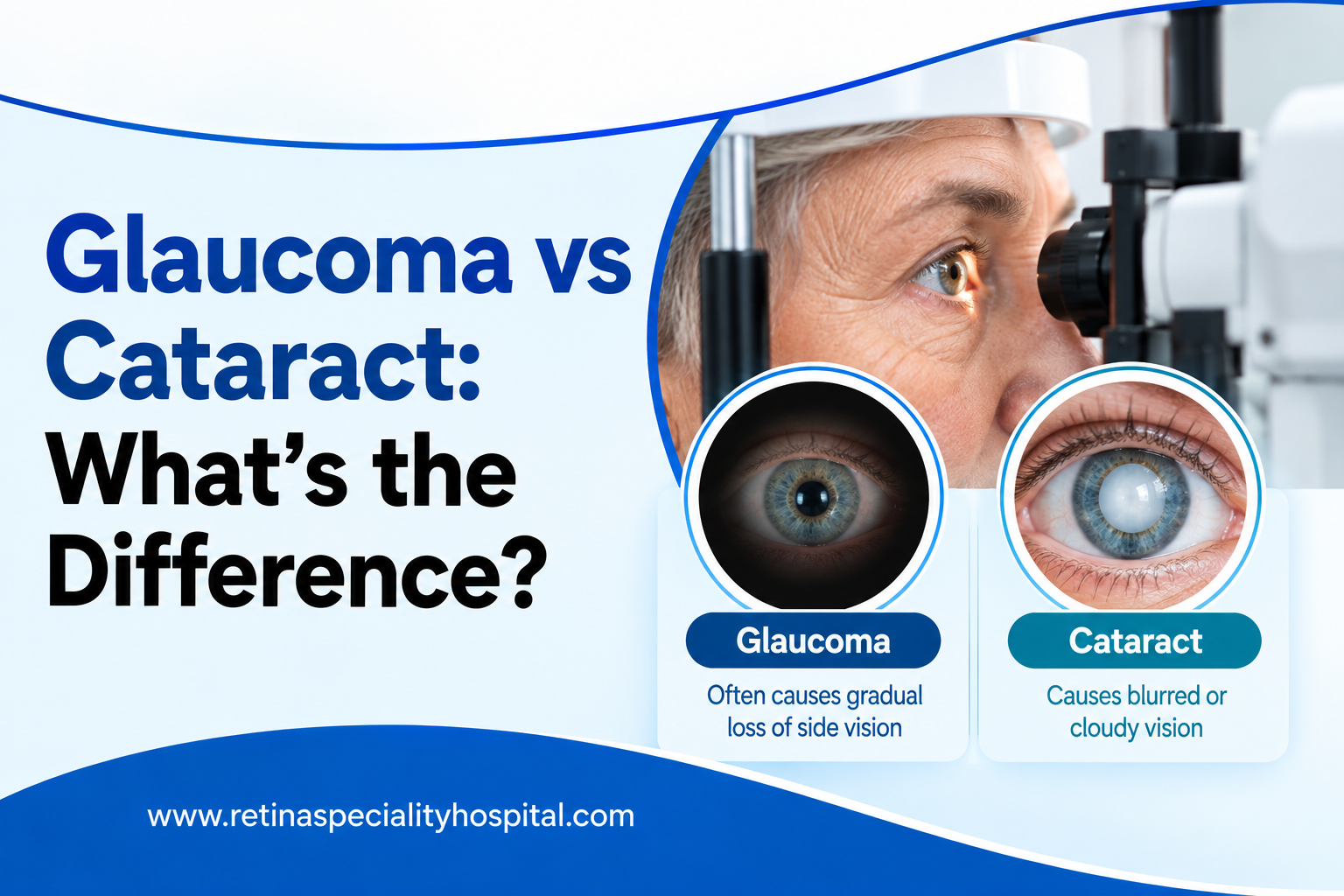
- Glaucoma Management Advanced glaucoma diagnostics and treatments are available at several eye vision hospitals in Indore.
- Oculoplasty Services For those requiring cosmetic or reconstructive eye surgeries, oculoplasty services are offered at select hospitals.
Advanced Diagnostic Technologies
The best eye hospitals in Indore are equipped with cutting-edge diagnostic technologies, including:
- Optical Coherence Tomography (OCT) Optical tomography in Indore allows for detailed imaging of the retina and optic nerve, crucial for diagnosing various eye conditions.
- Fundus Angiography Fundus angiography in Indore helps in the detailed examination of the retinal blood vessels, essential for diagnosing conditions like diabetic retinopathy.
- Visual Field Testing Advanced perimetry machines help in detecting and monitoring conditions like glaucoma.
Specialized Treatments
- Vitreoretinal Surgeries For complex retinal conditions, best vitrectomy hospitals in Indore offer advanced surgical solutions.
- Trauma Care Best Eye Trauma Treatment in Indore is available at specialized centers, catering to emergencies and complex injuries.
- Retinal Disorder Management Retinal disorder treatment in Indore encompasses a wide range of conditions, from age-related macular degeneration to diabetic retinopathy.
Why Choose Indore for Eye Care?
Indore has emerged as a hub for quality eye care in central India. Here’s why:
- Expert Professionals: The city boasts some of the top retina specialists in Indore and other subspecialties.
- Advanced Technology: Modern technology eye hospitals in Indore are at par with international standards.
- Comprehensive Care: From primary care to tertiary services, Indore offers a complete spectrum of eye care.
- Affordable Options: Quality eye care is available at various price points, making it accessible to a wider population.
- Research and Innovation: Some hospitals in Indore are involved in cutting-edge research, bringing the latest treatments to patients.
Preventive Eye Care
While professional care is crucial, preventive measures can go a long way in maintaining eye health:
- Protect your eyes while bathing: Use goggles while swimming and avoid getting soap or shampoo in your eyes.
- Maintain good hygiene: Wash your hands regularly and avoid touching or rubbing your eyes unnecessarily.
- Stay hydrated: Proper hydration helps maintain the natural tear film of your eyes.
- Use protective eyewear: When working with chemicals or in dusty environments, wear appropriate eye protection.
- Follow a healthy diet: A diet rich in vitamins A, C, E, and omega-3 fatty acids can contribute to better eye health.
- Take regular breaks: If you work with screens, follow the 20-20-20 rule: every 20 minutes, look at something 20 feet away for 20 seconds.
- Avoid smoking: Smoking increases the risk of various eye diseases.
FAQs
1. Why do my eyes turn red after showering?
Soap, shampoo chemicals, steam, and hard water minerals irritate the eye’s surface membrane, causing blood vessels to dilate. This creates visible redness. It usually resolves within 20–30 minutes after washing your face with clean, cool water.
2. Is it normal for eyes to get red in the shower?
Yes, it’s very common. Mild, temporary redness from water or soap exposure is normal. However, if redness is frequent, painful, or accompanied by discharge or blurred vision, consult an eye specialist for proper evaluation.
3. Can hot water cause red eyes?
Absolutely. Hot water produces steam that dilates blood vessels in and around your eyes. The heat also dries out your tear film, reducing natural lubrication and leaving eyes red, irritated, and uncomfortable after bathing.
4. Does hard water affect your eyes?
Yes. Hard water contains high levels of calcium and magnesium that disrupt your natural tear film. Regular exposure can lead to chronic dryness, redness, and irritation, especially in people with pre-existing sensitive eyes or dry eye syndrome.
5. Can shampoo cause eye redness?
Yes. Even “mild” shampoos contain surfactants and preservatives that irritate ocular tissue on contact. Always use tear-free formulas and keep eyes tightly shut when rinsing your hair to minimize chemical exposure to the eye surface.
6. How do I stop my eyes from going red in the shower?
Close eyes tightly while rinsing, use gentle tear-free products, avoid very hot water, and splash cool water on your eyes afterward. Wearing protective goggles during hair-washing can also significantly reduce irritation and post-bath redness.
7. Why do my eyes sting after bathing?
Stinging happens when soap or shampoo chemicals contact the cornea or conjunctiva, disrupting natural pH balance. Tap water chlorine and mineral content also contribute. Rinsing with sterile saline or preservative-free eye drops helps soothe the stinging quickly.
8. Can bathing worsen dry eye syndrome?
Yes. Steam and chemical exposure during bathing can further deplete the already compromised tear film in dry eye patients. If bathing consistently worsens your symptoms, consulting an ophthalmologist for a tailored dry eye management plan is strongly recommended.
9. When should I see a doctor for red eyes after bathing?
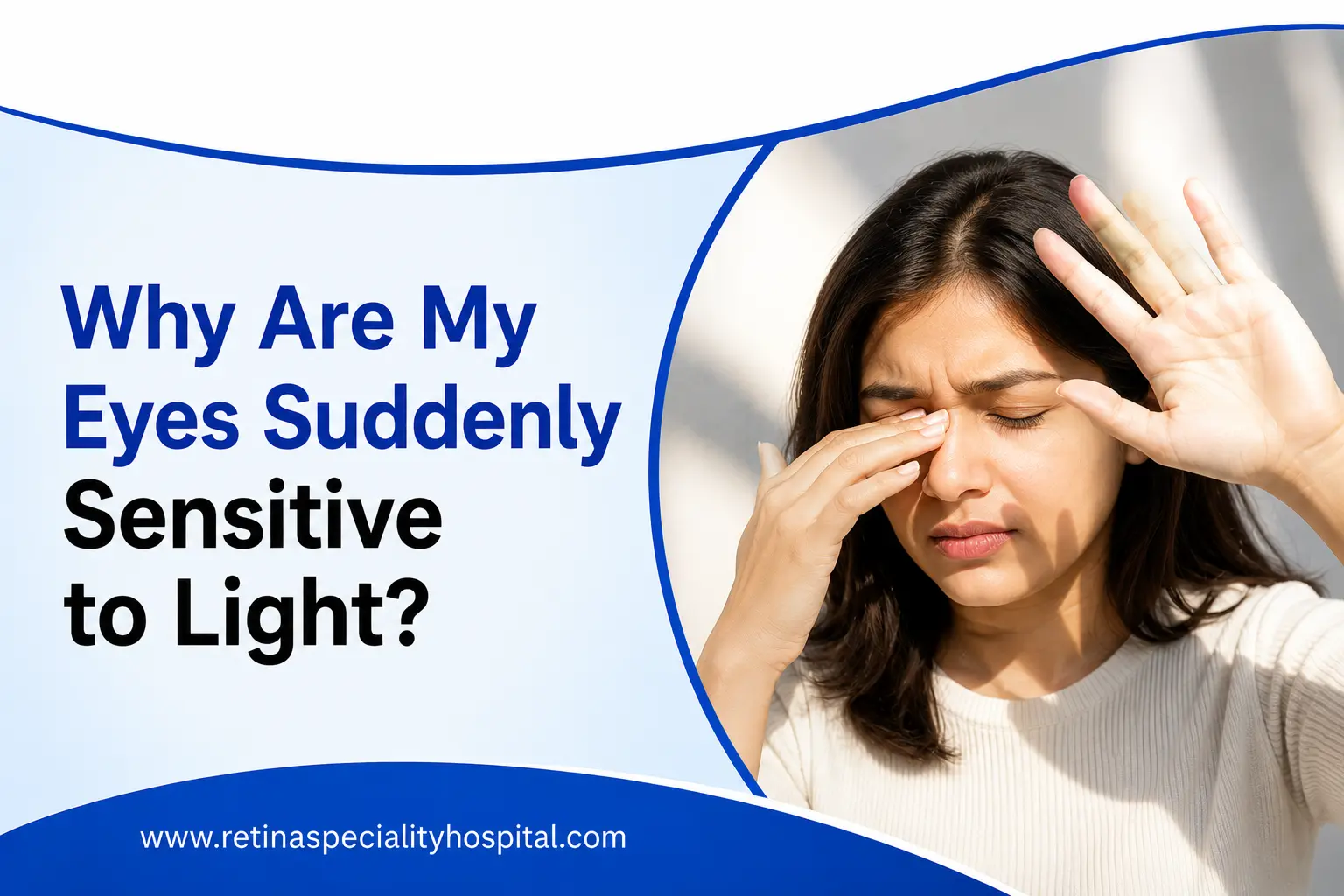
See a doctor if redness lasts more than an hour, is accompanied by pain, discharge, light sensitivity, or vision changes. These symptoms may indicate infection, chemical injury, or an underlying condition needing medical attention.
10. Are there long-term effects of repeated eye irritation from bathing?
Repeated chemical irritation can gradually weaken the tear film and conjunctival surface over time, potentially worsening dry eye or allergic conditions. Preventive habits and periodic eye check-ups help protect long-term ocular health effectively.
Conclusion
While red eyes after bathing are usually a temporary and harmless occurrence, they serve as a reminder of the importance of eye health. Regular check-ups and prompt attention to any persistent eye issues are crucial for maintaining good vision and overall eye health.
For residents of Indore and surrounding areas, the city offers a wealth of options for quality eye care. From routine examinations to complex surgeries, the eye care hospitals in Indore are equipped to handle a wide range of eye health needs.
Don’t let eye problems cloud your vision of life. Whether you’re experiencing persistent redness, need a routine check-up, or are considering advanced eye treatments, Retina Speciality Hospital is here to help. As a leading eye care centre in Indore, we offer comprehensive eye care services using the latest technology and techniques. Our team of experienced specialists is dedicated to providing personalized care tailored to your unique needs. Take the first step towards clearer, healthier vision today. Contact Retina Speciality Hospital to schedule your consultation and experience the difference that expert eye care can make in your life. Your eyes deserve the best – choose Retina Speciality Hospital for all your eye care needs.