








Your cornea is the clear, dome-shaped front surface of the eye that helps focus light and plays a vital role in producing sharp vision. When the cornea becomes scarred, swollen, cloudy, or damaged due to disease or injury, everyday activities like reading, driving, or recognizing faces can become increasingly difficult. In such cases, a Corneal Transplant may be the most effective treatment to restore vision and improve quality of life.
Modern corneal transplant techniques are safer and more precise than ever before. Depending on the condition, surgeons may replace only the damaged layers of the cornea rather than the entire tissue, allowing for faster healing and better visual outcomes. Understanding who needs this surgery, what the procedure involves, and what recovery looks like can help patients make informed decisions about their eye health.
What Is a Corneal Transplant?
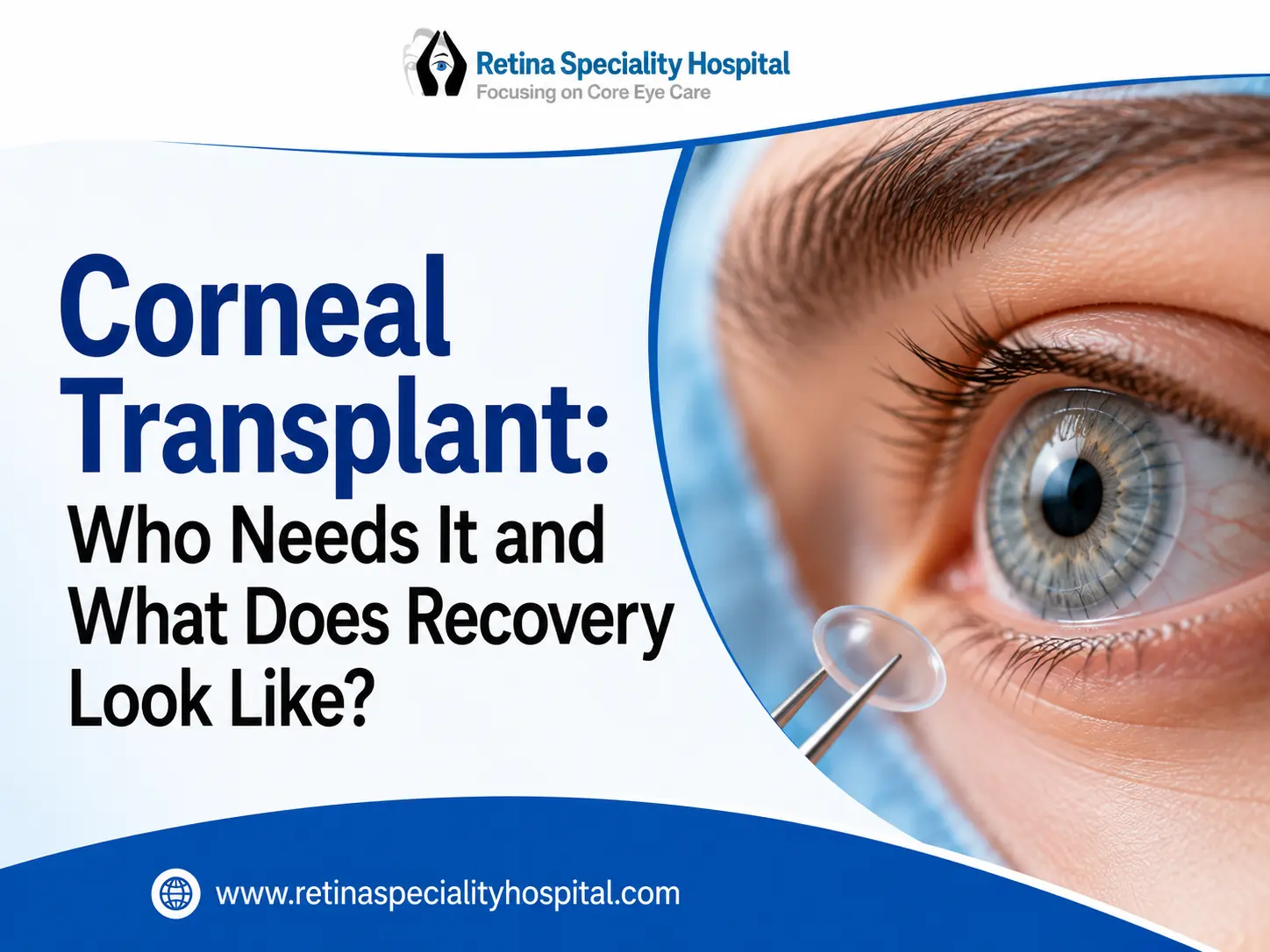
A Corneal Transplant, also known as keratoplasty, is a surgical procedure in which damaged or diseased corneal tissue is replaced with healthy donor corneal tissue. The purpose of the surgery is to restore clear vision, relieve pain, and improve the structural integrity of the eye.
There are different types of corneal transplants depending on which layer of the cornea is affected. Advances in eye surgery now allow surgeons to replace only the diseased portion of the cornea whenever possible, preserving healthy tissue and supporting quicker recovery.
If you have persistent vision problems related to the cornea, consulting a Corneal specialist in Indore can help determine whether a transplant or another treatment option is appropriate.
Who Needs a Corneal Transplant?
Not everyone with blurry vision requires a corneal transplant. The surgery is recommended when other treatments, such as medications, contact lenses, or less invasive procedures, cannot restore vision or relieve symptoms.
Common conditions that may require a Corneal Transplant include:
- Keratoconus in advanced stages
- Corneal scarring after injury
- Corneal ulcers causing permanent damage
- Fuchs’ endothelial dystrophy
- Corneal swelling (edema)
- Corneal infections that leave scars
- Failed previous corneal transplant
- Chemical burns affecting the cornea
- Congenital corneal disorders
An experienced Best cornea doctor in Indore will perform a detailed eye examination to determine whether surgery is the most suitable option.
Symptoms That May Indicate You Need a Corneal Transplant
Certain symptoms suggest significant corneal damage that should never be ignored.
These include:
- Persistent blurred vision
- Increasing glare around lights
- Cloudy vision
- Eye pain that does not improve
- Light sensitivity
- Frequent eye redness
- Difficulty wearing contact lenses
- Corneal swelling
- Distorted vision
These symptoms can have several causes, making an early diagnosis essential. Consulting an experienced eye doctor in Indore helps identify the underlying problem before vision deteriorates further.
Common Eye Conditions Treated with Corneal Transplant
Keratoconus
Keratoconus causes the cornea to become thinner and bulge outward into a cone shape. While many patients benefit from glasses, specialty contact lenses, or corneal cross-linking, advanced cases may eventually require a transplant.
Fuchs’ Endothelial Dystrophy
This inherited condition affects the inner layer of the cornea, leading to swelling and gradual vision loss.
Corneal Scarring
Serious eye injuries, infections, or previous surgeries can leave scars that permanently reduce vision.
Corneal Infections
Severe bacterial, viral, or fungal infections sometimes damage the cornea beyond repair, making transplantation necessary.
Types of Corneal Transplant Procedures
The type of surgery depends on which layers of the cornea are damaged.
Penetrating Keratoplasty (PK)
This traditional procedure replaces the full thickness of the cornea and is generally recommended when all layers are severely damaged.
Deep Anterior Lamellar Keratoplasty (DALK)
DALK replaces the front layers of the cornea while preserving the healthy inner layer. It is commonly performed for keratoconus and superficial corneal scars.
Endothelial Keratoplasty (DSEK/DMEK)
These advanced procedures replace only the damaged inner endothelial layer and typically offer:
- Faster healing
- Smaller surgical incision
- Better structural strength
- Reduced risk of complications
- Quicker visual recovery
A Top cornea surgeon in Indore will recommend the most appropriate surgical technique after evaluating your corneal condition.
What Does Recovery Look Like After a Corneal Transplant?
Recovery after a Corneal Transplant varies depending on the type of surgery performed and individual healing.
Immediately after surgery, patients may notice:
- Mild discomfort
- Blurred vision
- Watering
- Light sensitivity
- Foreign body sensation
These symptoms usually improve gradually with prescribed treatment.
Unlike cataract surgery, vision after a corneal transplant often improves slowly over several weeks or months as the eye heals.
Tips for a Smooth Recovery After Corneal Transplant
Following your surgeon’s instructions plays a major role in achieving the best possible outcome.
Important recovery tips include:
- Use prescribed eye drops exactly as directed.
- Avoid rubbing or touching your eyes.
- Wear protective glasses outdoors.
- Avoid swimming until your doctor approves.
- Do not lift heavy objects during the early recovery period.
- Keep dust, smoke, and chemicals away from your eyes.
- Attend every scheduled follow-up appointment.
- Eat a healthy diet rich in vitamins and antioxidants.
- Stay well hydrated.
- Report any unusual symptoms immediately.
Proper post-operative care significantly improves the chances of long-term graft success.
Possible Risks and Complications of Corneal Transplant
Like every surgical procedure, a Corneal Transplant carries some risks. Fortunately, modern surgical techniques and careful follow-up have greatly improved success rates.
Potential complications include:
- Infection
- Bleeding
- Increased eye pressure
- Swelling of the graft
- Astigmatism
- Delayed healing
- Graft rejection
- Cataract development in some patients
Prompt diagnosis and treatment often help manage these complications effectively.
Signs of Corneal Transplant Rejection
Although corneal transplants have a high success rate, the body’s immune system can occasionally recognize the donor tissue as foreign.
Seek immediate medical attention if you notice:
- Increasing redness
- Eye pain
- Sudden decrease in vision
- Increased sensitivity to light
- Persistent swelling
Early treatment often helps reverse graft rejection if addressed promptly.
How Successful Is a Corneal Transplant?
Modern Corneal Transplant procedures are among the most successful forms of tissue transplantation.
Success depends on several factors, including:
- The underlying eye condition
- Overall eye health
- Type of transplant performed
- Patient age
- Proper medication use
- Regular follow-up care
Many patients experience significant improvement in vision and enjoy long-lasting results when post-operative instructions are carefully followed.
Choosing the Best cornea doctor in Indore and an experienced surgical team can further improve treatment outcomes.
Can Vision Return to Normal After a Corneal Transplant?
Many patients achieve excellent vision after healing, although the final result depends on the original disease and overall eye health.
Some individuals may still require:
- Prescription glasses
- Contact lenses
- Minor vision correction procedures
The goal of surgery is to restore the clearest and most comfortable vision possible while preserving the health of the eye.
Can Corneal Problems Be Prevented?
Not every corneal disease can be prevented, but many causes of corneal damage are avoidable.
Protect your eyes by:
- Wearing protective eyewear during sports and industrial work.
- Treating eye infections promptly.
- Following proper contact lens hygiene.
- Never sleeping in contact lenses unless advised.
- Managing diabetes and autoimmune conditions.
- Scheduling routine eye examinations.
- Seeking medical care after any eye injury.
Early diagnosis often prevents minor corneal conditions from progressing to the point where transplantation becomes necessary.
When Should You Consult a Corneal Specialist?
You should schedule an eye examination if you experience:
- Persistent blurred vision
- Increasing glare
- Chronic eye pain
- Recurrent corneal infections
- Cloudy vision
- Corneal injury
- Difficulty wearing contact lenses
- Progressive keratoconus
An experienced eye doctor in Indore can perform a comprehensive examination and determine whether medications, minimally invasive treatments, or surgery is the best solution.
Patients looking for comprehensive corneal care should choose an Eye hospital for cornea treatment in Indore equipped with advanced diagnostic technology and experienced corneal surgeons capable of managing both routine and complex cases.
Conclusion
A Corneal Transplant offers hope for people whose vision has been affected by corneal disease, injury, or inherited conditions. With advances in microsurgical techniques, improved donor tissue preservation, and specialized post-operative care, the procedure has become safer and more successful than ever before.
The key to achieving the best results is early diagnosis, timely treatment, and careful follow-up. If you are experiencing persistent blurry vision, corneal scarring, or other symptoms affecting your eyesight, consulting a qualified Corneal specialist in Indore can help you explore the most appropriate treatment options before the condition worsens.
Frequently Asked Questions (FAQs)
1. How long does it take to recover from a Corneal Transplant?
Recovery depends on the type of transplant performed. While mild discomfort improves within a few weeks, complete visual recovery may take several months, and in some cases up to one year.
2. Is a Corneal Transplant painful?
The procedure itself is performed under anesthesia, so patients do not feel pain during surgery. Mild discomfort, watering, or light sensitivity after the procedure is common and usually improves with prescribed medication.
3. How long does a transplanted cornea last?
Many corneal grafts remain healthy for decades. Long-term success depends on the underlying eye condition, regular follow-up visits, proper use of medications, and early treatment of any signs of graft rejection.
If blurred vision, corneal scarring, or persistent eye discomfort is affecting your daily life, don’t delay seeking expert care. Retina Speciality Hospital offers advanced diagnosis and personalized treatment for a wide range of corneal conditions. Whether you need an experienced Corneal specialist in Indore, consultation with the Best cornea doctor in Indore, treatment from a Top cornea surgeon in Indore, or comprehensive care at an Eye hospital for cornea treatment in Indore, our dedicated team is committed to helping you regain clearer vision and improve your quality of life. Book your consultation today and take the first step toward healthier eyes.