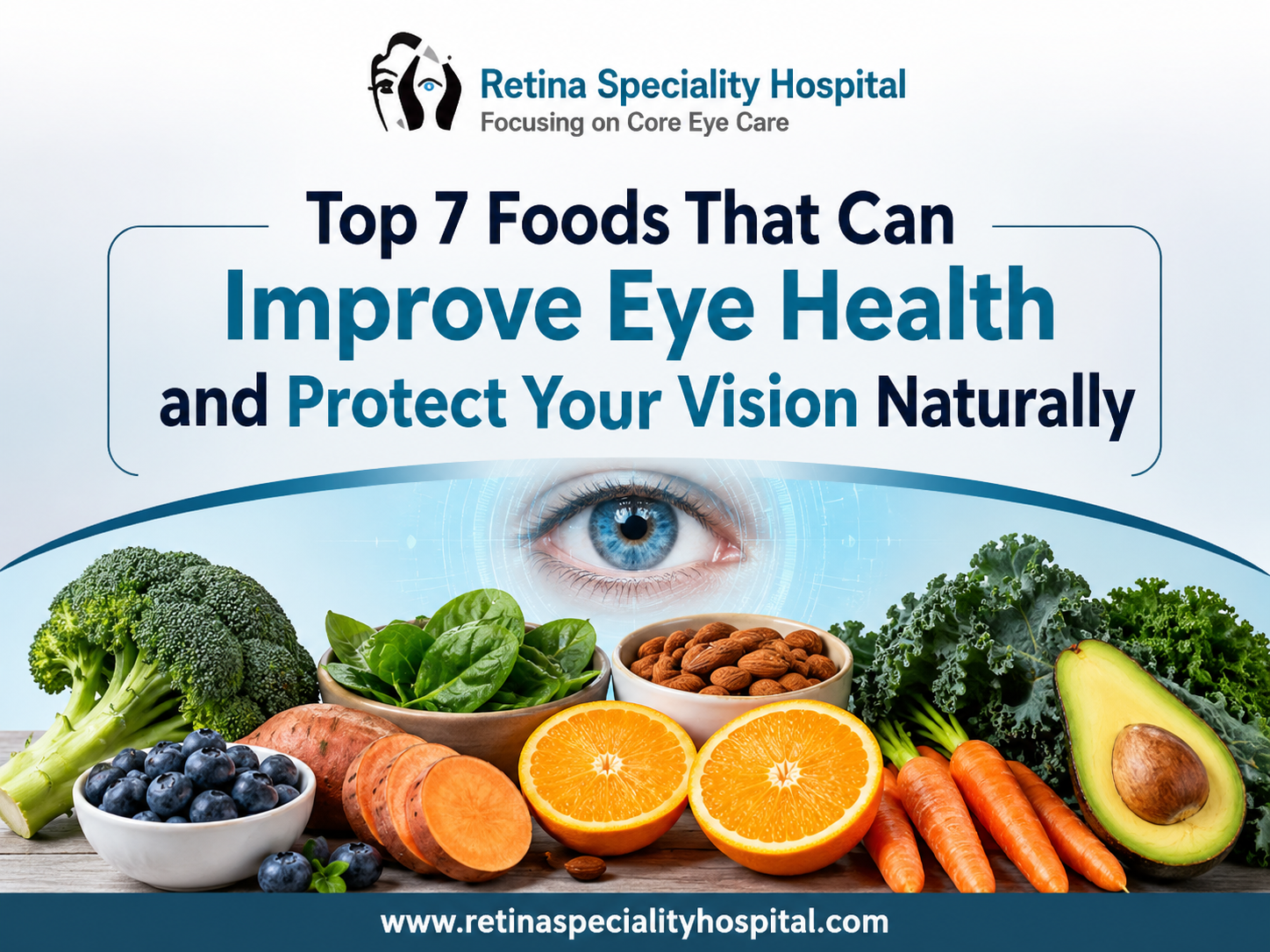









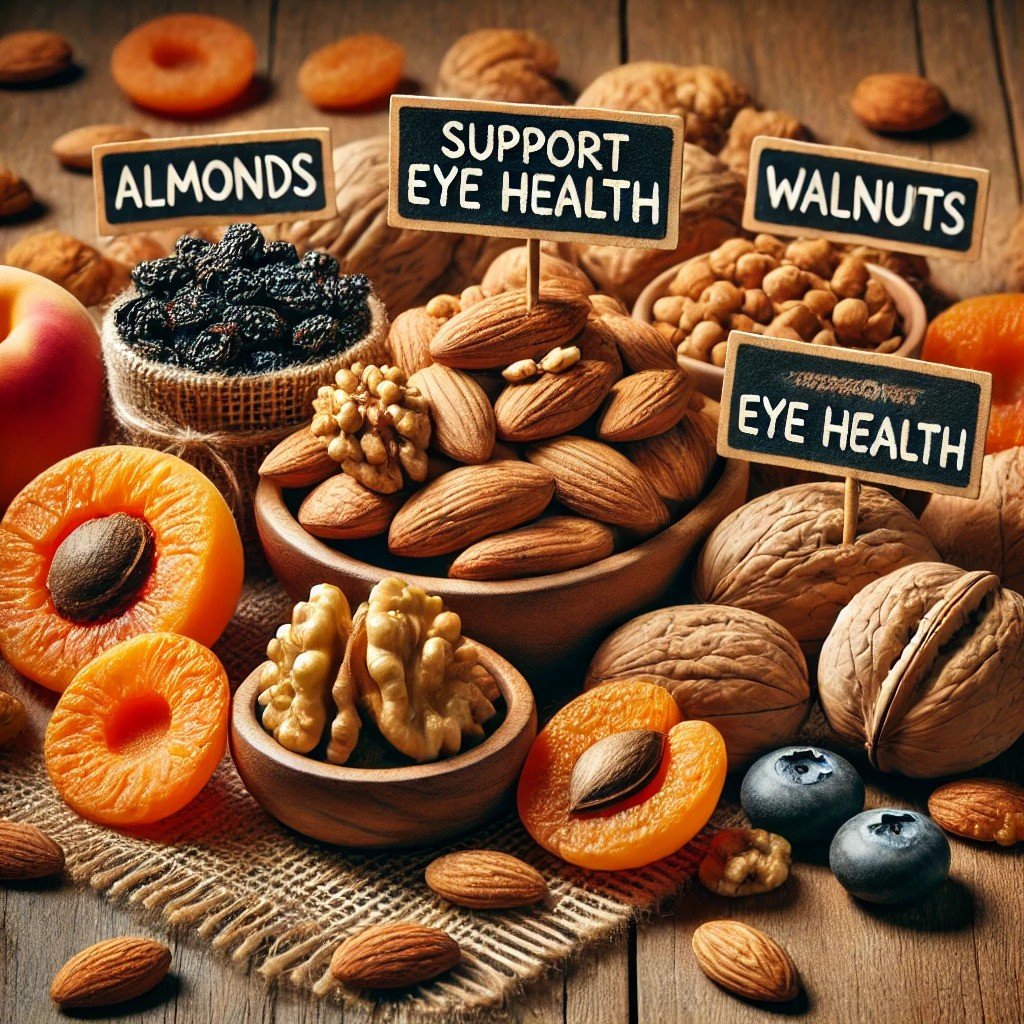
Proper nutrition is the start of good eye health and dry fruits are some of the best natural sources of eye-nourishing nutrients. Almonds are a good source of vitamin E, which helps protect eyes from oxidative stress and damage related to ageing. Walnuts contain omega-3 fatty acids, which are helpful to the retina and can reduce the risk of dry eyes.
Pistachios are packed with lutein and zeaxanthin, antioxidants that help filter out harmful blue light and protect the macula. The polyphenols in raisins combat the free radicals that kill eye cells. Cashews provide zinc, a mineral that helps Vitamin A make protective eye pigment. Dried apricots are a great source of beta-carotene, which the body converts to Vitamin A, important for night vision.
Dates are rich in antioxidants that help to reduce inflammation in the eyes and dried figs improve blood flow in general, including to the eyes. Taking care of your eyes is always advisable when you are suffering from vision problems or discomfort. Apart from a healthy diet, you should also visit an expert for proper Eye Treatment in Indore.
Eating a handful of these dried fruits daily can naturally improve eyesight, slow down the ageing process of the eyes and gradually reduce the chances of developing conditions like cataracts and macular degeneration.
The Importance of Nutrition for Eye Health
Our eyes require a variety of nutrients to function optimally and stay protected from age-related conditions like macular degeneration, cataracts, and vision loss. Vital nutrients include vitamins A, C, and E, as well as antioxidants like lutein and zeaxanthin, which are commonly found in dry fruits. Including certain dry fruits in your diet can supply these essential nutrients, supporting the eye’s structural and functional health over time.
Almonds: A Nutrient Powerhouse for Eyes
Almonds are among the best-known dry fruits for eye health. Rich in vitamin E, almonds protect cells from damage, including those in the eyes, by neutralizing free radicals. Studies suggest that daily consumption of almonds helps lower the risk of age-related macular degeneration, keeping vision sharp as we age. Additionally, their omega-3 fatty acids reduce inflammation, which can prevent common eye strain and dryness.
Walnuts: Eye-Boosting Omega-3s
Walnuts contain high levels of omega-3 fatty acids, which have been linked to reduced inflammation and improved eye health. These fatty acids are vital in preventing dry eye syndrome and may reduce the risk of eye-related diseases. Walnuts also supply antioxidants like vitamin E, lutein, and zeaxanthin, which help shield the eyes from damage caused by blue light exposure, commonly from screens and digital devices.
Cashews: Supporting Eye Cell Health with Zinc
Cashews, often overlooked for their eye health benefits, are a good source of zinc. This essential mineral aids in the functioning of enzymes responsible for creating melanin, a protective pigment for the eyes. Adequate zinc intake helps prevent night blindness and cataract formation, making cashews a valuable addition to an eye-healthy diet.
Pistachios: A Vision-Enhancing Snack Rich in Lutein and Zeaxanthin
Pistachios are packed with lutein and zeaxanthin, two powerful antioxidants that play a protective role in eye health. These compounds act as a natural shield, filtering harmful UV rays and reducing the risk of macular degeneration. With the presence of vitamin E and omega-3s, pistachios contribute to maintaining sharp vision and protecting the retina from damage.
Raisins: Sweet Boosters for Eye Health
Raisins are often prized for their natural sweetness and high antioxidant content. These small dried grapes contain polyphenols, which reduce oxidative stress and inflammation in the eyes. Additionally, raisins offer essential vitamins and minerals that protect the blood vessels within the eyes, reducing the risk of retina-related complications.
How to Incorporate Dry Fruits into Your Diet for Optimal Eye Health
To maximize the eye benefits of these dry fruits, aim to incorporate a variety into your daily routine. Adding a handful of almonds, walnuts, cashews, pistachios, or raisins to breakfast or snacking on them throughout the day provides steady nutrition. Consuming these dry fruits regularly, alongside other antioxidant-rich foods, ensures a balanced diet that supports eye health effectively.
FAQs
1. Which dry fruit is best for improving eyesight?
Almonds are considered the best dry fruit for eyes. They are packed with Vitamin E and antioxidants that protect eye cells from oxidative damage, strengthen the retina, and help maintain clear, healthy vision when consumed regularly.
2. Can eating dry fruits daily improve eye vision?
Yes, eating dry fruits daily can gradually support better vision. Nutrients like Vitamin E, omega-3, lutein, and beta-carotene found in dry fruits nourish the retina and reduce the risk of vision-related conditions over time.
3. Are walnuts good for eyes?
Walnuts are excellent for eye health. They contain omega-3 fatty acids and antioxidants that protect the retina, reduce eye inflammation, prevent dry eyes, and lower the risk of age-related macular degeneration when consumed regularly.
4. Do almonds help in reducing eye weakness?
Almonds contain Vitamin E that fights free radicals responsible for eye weakness. Regular soaked almond consumption supports retinal health, slows age-related eye deterioration, and contributes to sharper, clearer vision over a consistent period.
5. Which dry fruit contains the most Vitamin A for eyes?
Dried apricots are the richest dry fruit source of beta-carotene, which the body converts into Vitamin A. This nutrient is essential for night vision, preventing dryness, and maintaining a healthy cornea and overall eye function.
6. Are pistachios beneficial for eye health?
Yes, pistachios are highly beneficial for eyes. They are rich in lutein and zeaxanthin, two powerful antioxidants that protect the macula from harmful blue light and significantly reduce the risk of cataracts and macular degeneration.
7. How many almonds should I eat daily for good eyesight?
Consuming 5 to 8 soaked almonds daily is generally recommended for eye health benefits. Soaking removes tannins and improves nutrient absorption, making Vitamin E and antioxidants more bioavailable and effective for supporting long-term vision wellness.
8. Can dry fruits prevent cataracts?
Dry fruits rich in antioxidants like Vitamin E, lutein, and zeaxanthin — such as almonds and pistachios — may help reduce cataract risk. However, they support prevention, not cure. Professional Eye Treatment in Indore is advised for existing conditions.
9. Are raisins good for eye health?
Raisins contain polyphenolic antioxidants that protect eyes from free radical damage. They help prevent conditions like macular degeneration and maintain overall eye cell health. Including raisins in your daily diet can naturally contribute to long-term vision protection.
10. What foods should I combine with dry fruits for better eye health?
Combine dry fruits with leafy greens, carrots, citrus fruits, and fish for maximum eye benefit. These foods together provide Vitamins A, C, E, omega-3, and zinc — a complete nutritional profile that strongly supports and maintains healthy eyesight.
Conclusion
Dry fruits like almonds, walnuts, cashews, pistachios, and raisins offer a potent mix of vitamins, minerals, and antioxidants that support and protect our eyes from age-related conditions. By making these nutrient-dense foods a part of your daily diet, you’re taking proactive steps towards maintaining strong, healthy vision. If you’re concerned about your eye health or want personalized advice, consider scheduling an appointment with Retina Speciality Hospital to explore more ways to care for your eyesight.