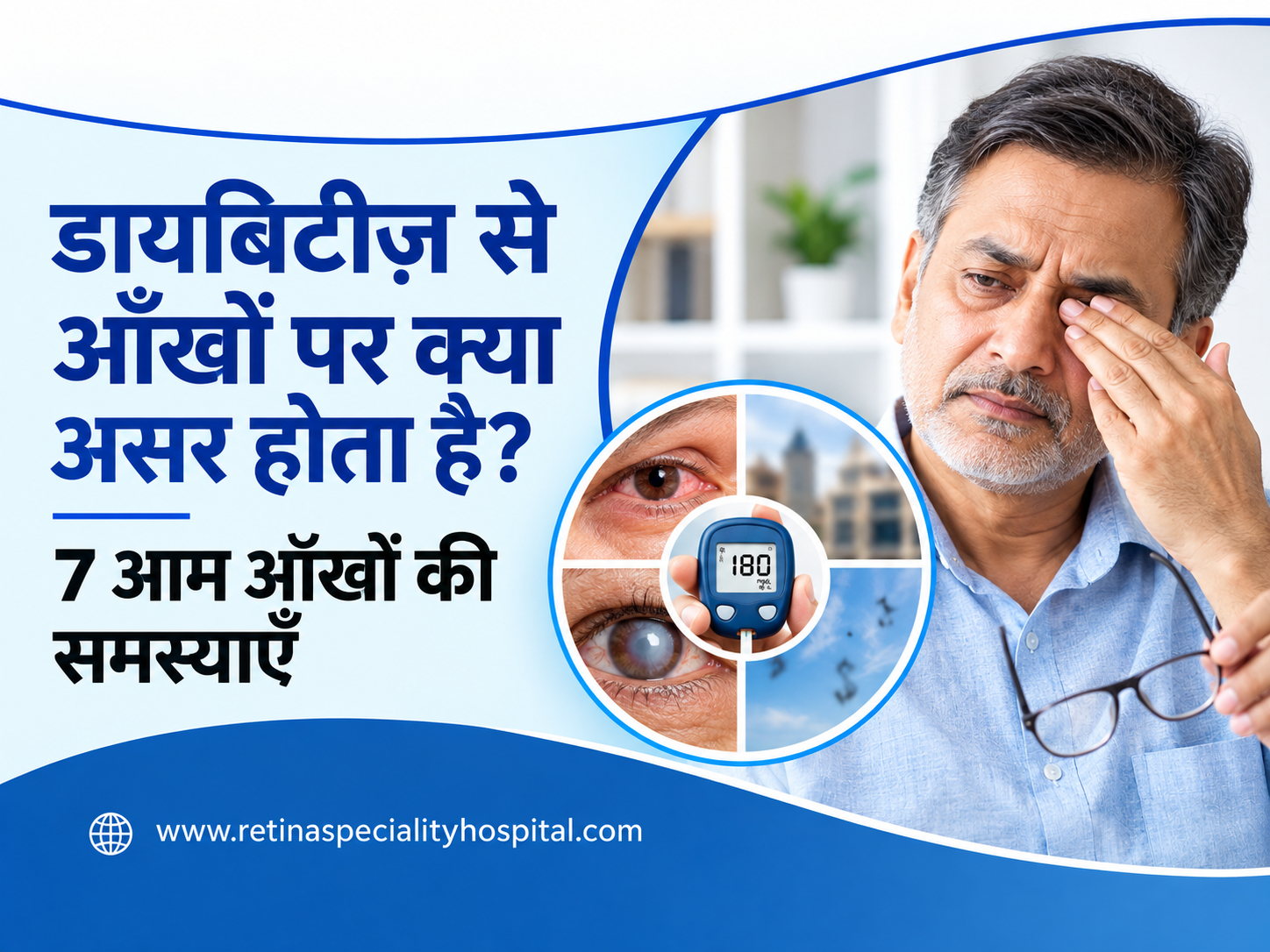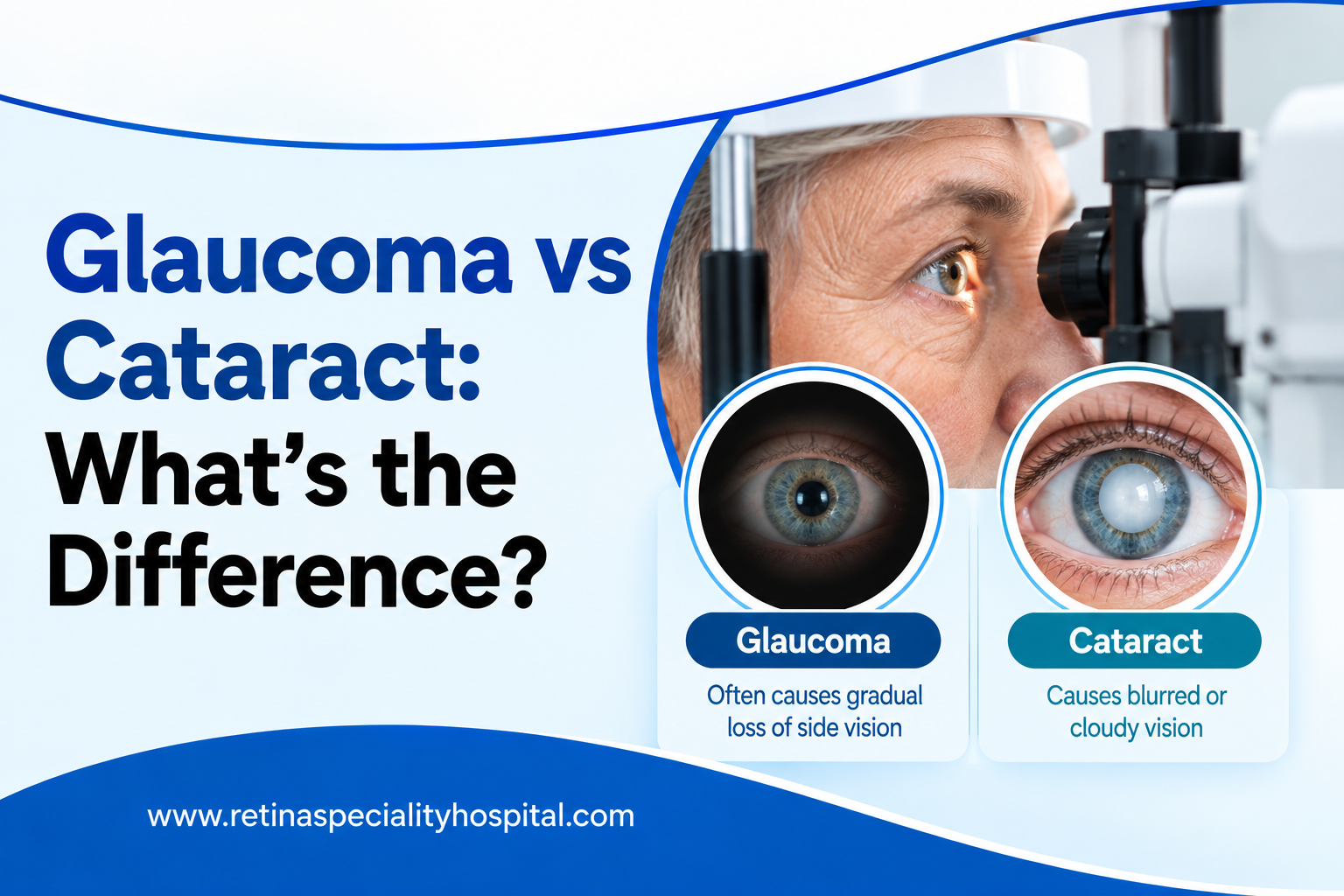








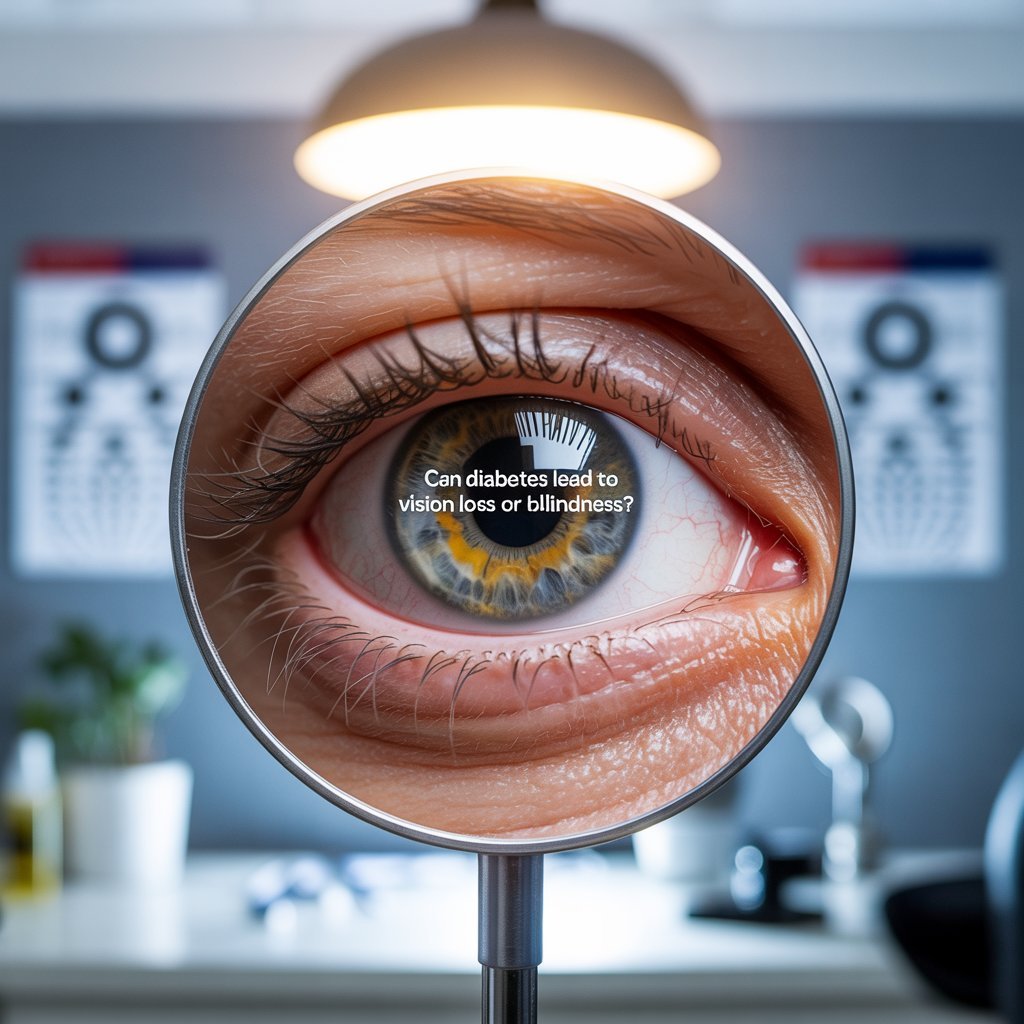
Yes, diabetes can cause serious vision problems and if left untreated can cause permanent blindness. High blood sugar damages the tiny blood vessels in the retina. This condition is called diabetic retinopathy. Over time these vessels begin to ooze, swell or grow abnormally, distorting or blocking vision altogether.The early stages often show no symptoms, so regular eye exams are absolutely critical. As the disease progresses, patients may experience blurred vision, floaters, dark spots, or sudden vision loss. Diabetes also increases your risk for cataracts, glaucoma and macular oedema all of which can rob your sight silently.The good news is that early detection and prompt treatment can help prevent more serious vision loss. Laser therapy, injections and surgery have dramatically changed the outcomes.
If you are suffering from advanced complications then getting Eye Surgery in Indore from a qualified ophthalmologist can be life-changing as the city has great facilities and experienced specialists.But the best defence is still controlling blood sugar, blood pressure and regular eye screenings. Diabetes does not mean blindness but awareness, discipline and timely medical attention make all the difference in protecting your precious sight.
How Diabetes Affects the Eyes
Diabetes doesn’t just impact your blood sugar—it can seriously affect the tiny blood vessels in your eyes. This can lead to a condition called diabetic retinopathy, which, if left untreated, may cause vision loss or even blindness.
The good news? If caught early, it can be managed—and in many cases, vision can be preserved or improved with laser treatment for diabetic eye disease in Indore.
What Is Diabetic Retinopathy?
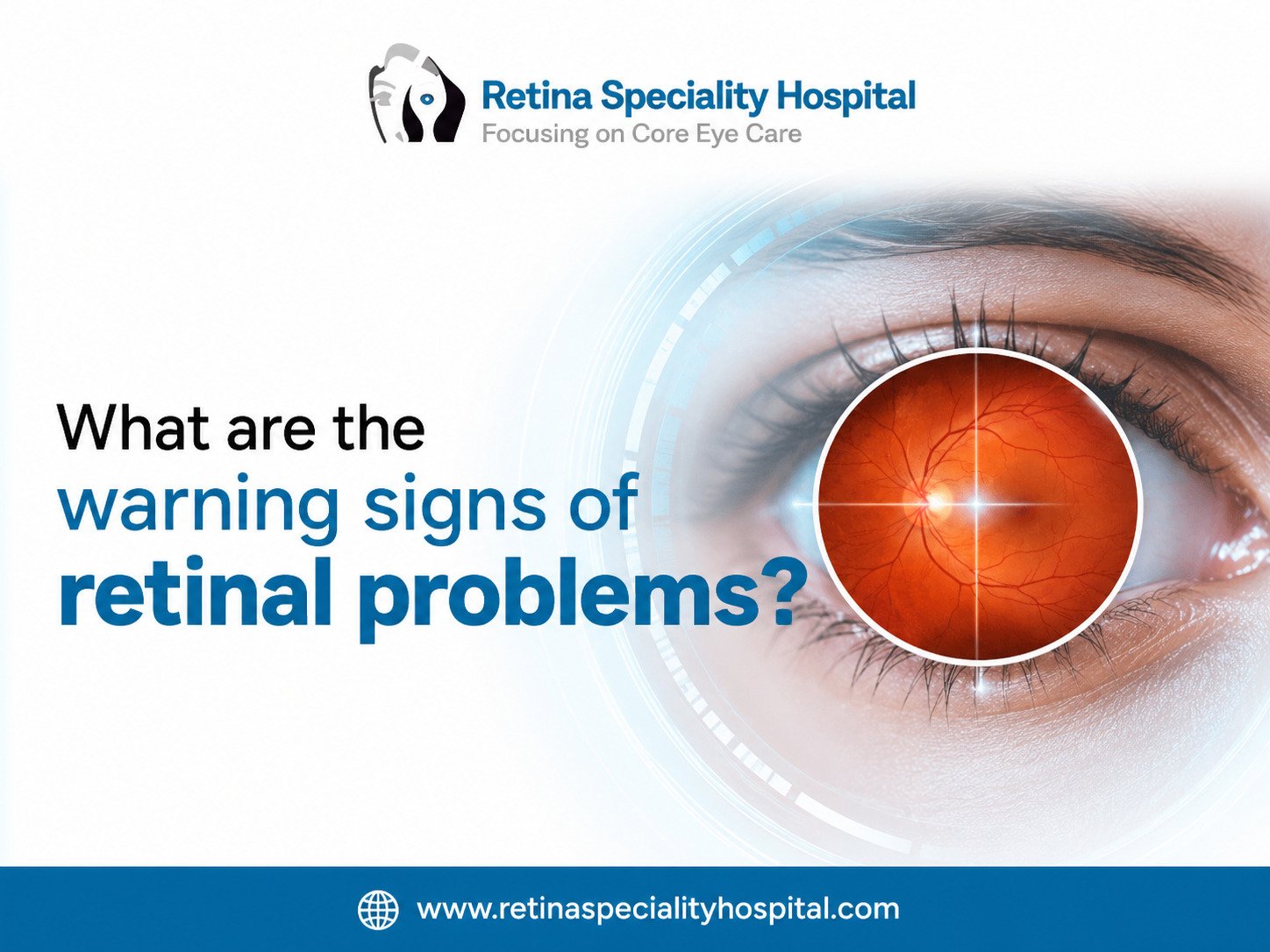
Diabetic retinopathy is a condition where high blood sugar damages the retina, the light-sensitive tissue at the back of the eye. It typically develops slowly and may not show symptoms in early stages. But over time, it can cause:
- Blurred vision
- Dark or empty areas in your vision
- Difficulty seeing at night
- Vision loss in advanced stages
This is why regular eye checkups at a trusted eye care hospital in Indore are essential for people with diabetes.
Is Blindness Inevitable?
No, absolutely not. While diabetes increases your risk of vision loss, blindness is not inevitable. With early diagnosis, careful monitoring, and effective treatment—especially laser treatment for diabetic retinopathy—many people maintain healthy vision for years.
Laser Treatment: How It Helps
Laser therapy is a safe, proven method to seal leaking blood vessels in the retina and prevent further damage. If your retina specialist recommends this, it usually means the disease is progressing but can still be controlled.
- Minimally invasive procedure
- Quick recovery time
- Helps slow or stop vision loss
If you’re looking for the best hospital for diabetic retinopathy in Indore, be sure to choose one with advanced retinal laser equipment and experienced specialists.
Who Should You See?
If you have diabetes, you should see a retina specialist for diabetes in Indore at least once a year—or more often if your doctor advises. These specialists are trained to detect early signs of damage, even before you notice symptoms.
For accurate diagnosis and personalized care, visit a top eye hospital in Indore that offers:
- Diabetic eye exams
- Retinal imaging and OCT scans
- Laser treatment by expert surgeons
Take Charge of Your Vision
Your eyes deserve attention—especially when managing diabetes. Don’t wait for symptoms. Schedule a comprehensive diabetic eye exam today. Early treatment can make all the difference.
FAQs
1. Can diabetes cause blindness?
Yes, uncontrolled diabetes can lead to blindness through diabetic retinopathy, where damaged retinal blood vessels leak or grow abnormally. Early detection and proper blood sugar management can significantly reduce the risk of permanent vision loss.
2. What is diabetic retinopathy?
Diabetic retinopathy is an eye complication caused by damage to blood vessels in the retina due to prolonged high blood sugar. It progresses through stages and can cause severe vision impairment or blindness if left untreated.
3. How early can diabetes affect your eyes?
Diabetes can begin affecting the eyes within a few years of diagnosis, sometimes even earlier in undiagnosed cases. Since early stages are symptom-free, annual dilated eye exams are strongly recommended for all diabetic patients.
4. What are the first signs of diabetic eye disease?
Early signs include blurred vision, difficulty reading, floaters, dark spots, and colors appearing washed out. Many people notice no symptoms initially, making routine eye screenings vital for catching changes before permanent damage occurs.
5. Can diabetic vision loss be reversed?
In early stages, vision loss may partially improve with better blood sugar control. However, advanced damage is often irreversible. Timely treatment through laser therapy, injections, or surgery offers the best chance of preserving remaining vision.
6. How often should diabetics get eye exams?
Diabetics should have a comprehensive dilated eye exam at least once a year. Those with existing eye complications may need more frequent monitoring. Early intervention is the most effective strategy for preventing diabetes-related blindness.
7. Does type 2 diabetes affect eyes differently than type 1?
Both types can cause diabetic retinopathy and vision complications. However, type 1 patients are at higher lifetime risk due to longer disease duration. In both cases, blood sugar control is the most important preventive measure.
8. What treatments are available for diabetic eye disease?
Treatments include laser photocoagulation, anti-VEGF injections, corticosteroid implants, and vitrectomy surgery. The choice depends on the disease stage and individual health factors. Consulting an experienced ophthalmologist ensures the most appropriate and timely treatment plan.
9. Can glasses correct diabetic vision problems?
Glasses may temporarily help with fluctuating vision caused by blood sugar changes. However, they cannot treat underlying retinal damage. Medical or surgical intervention is required for conditions like macular edema, retinal detachment, or advanced retinopathy.
10. Is cataract surgery safe for diabetic patients?
Yes, cataract surgery is generally safe for diabetics but requires careful pre-surgical planning and blood sugar control. Diabetics may face a slightly higher risk of post-operative complications, so choosing an experienced specialist for Eye Surgery in Indore is highly recommended.
Conclusion:
Diabetes may pose a risk to your vision, but it doesn’t have to define your future. With expert care, regular monitoring, and advanced treatments like diabetic retinopathy laser treatment in Indore, you can protect your sight. Trust your eyes to a leading eye care hospital in Indore with experienced retina specialists who truly understand what’s at stake.Need help deciding your next step? Contact the Top eye hospital in Indore today and take the first step toward protecting your vision.