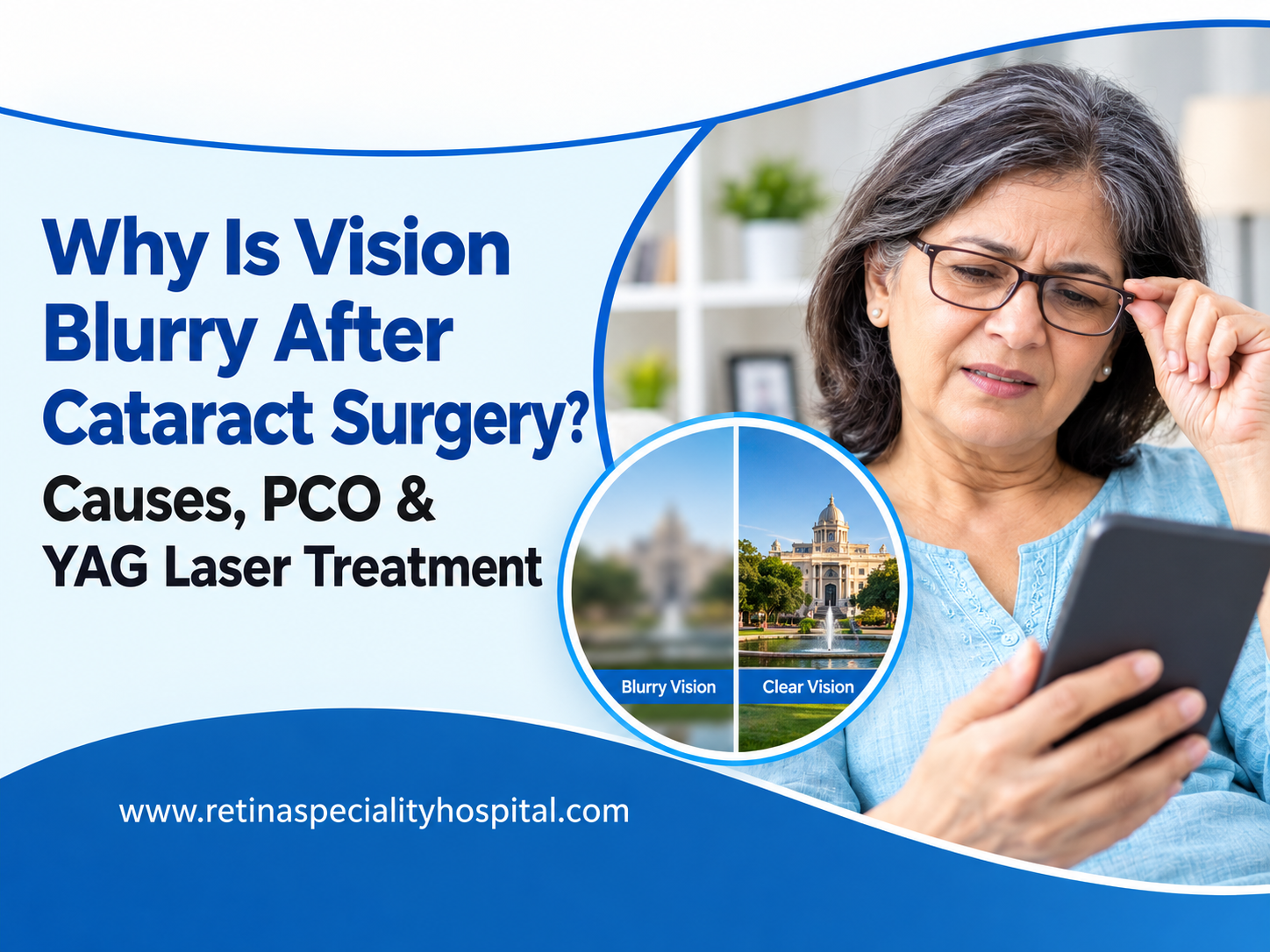









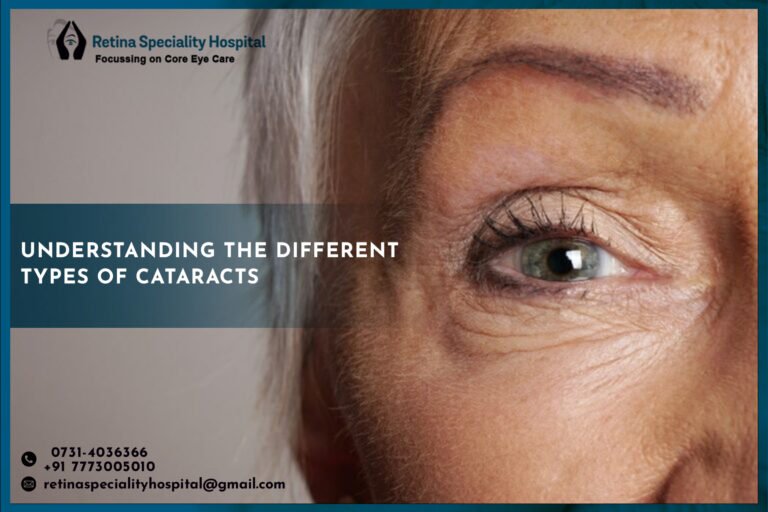
A cataract is a clouding of the eye’s natural lens that leads to blurry vision, sensitivity to glare and eventual loss of vision. They develop slowly and are among the leading causes of blindness in the world. Knowing the types helps you to get timely Eye Treatment in Indore or anywhere you live.
Nuclear cataracts, which form in the centre of the lens, are most common in older adults and result in increasing nearsightedness.
Cortical cataracts start on the outer edge of the lens and slowly move inward, forming spoke-like opacities that refract light and cause glare.
Posterior subcapsular cataracts develop on the back of the lens and are faster growing than other types. They have a great impact on reading vision and night vision.
Congenital Cataracts: Present at birth or develop in early childhood, often associated with genetic disorders or infections during pregnancy.
Traumatic cataracts are caused by injury to the eye and may develop years after the original trauma.
Radiation Cataracts develop following long-term exposure to UV radiation or radiation therapy.Early detection is key. Any change in vision should be checked promptly by an ophthalmologist. Today, with the advanced surgical options and quality Cataracts Treatment in Indore, it is very much possible and safe to regain clear vision.
What Are Cataracts?
A cataract is a condition where the natural lens inside the eye becomes cloudy. The lens normally helps focus light onto the retina for clear vision. When proteins inside the lens break down, vision becomes foggy or blurred.
Cataracts usually develop gradually. Many patients do not notice symptoms in the early stage. Over time, daily tasks such as reading road signs, recognizing faces, or working on digital screens become difficult.
Several factors may contribute to cataract development:
- Aging
- Diabetes
- Long-term UV exposure
- Smoking
- Eye injuries
- Previous eye inflammation
- Genetic factors
Many patients visiting an Eye hospital in Indore are surprised to learn there are multiple cataract categories. Each type affects the lens differently and may require different monitoring approaches.
Types of Cataracts Explained
Understanding the different cataract types helps patients recognize symptoms more accurately. Below are the most common forms diagnosed by eye care professionals.
Age-Related Cataracts and Vision Changes
Age-related cataracts are the most common type worldwide. These usually develop after the age of 50 and progress slowly.
The proteins inside the lens begin changing with age, leading to cloudy patches. Patients may first notice mild blur or sensitivity to bright light.
Common symptoms include:
- Difficulty seeing at night
- Halos around lights
- Frequent eyeglass prescription changes
- Faded color perception
- Increased glare while driving
Many patients seek Eye Treatment in Indore when these symptoms start affecting work or daily activities.
Types of Age-Related Cataracts
Age-related cataracts can be divided into three major subtypes:
| Cataract Type | Area Affected | Common Symptoms | Progress Speed |
| Nuclear Cataract | Center of lens | Yellow vision, blurry distance vision | Slow |
| Cortical Cataract | Lens edges | Glare, difficulty with contrast | Moderate |
| Posterior Subcapsular Cataract | Back of lens | Reading difficulty, bright light sensitivity | Faster |
Nuclear Cataracts and Central Lens Clouding
Nuclear cataracts affect the center portion of the eye lens. This type commonly develops with aging.
In the beginning, some people notice temporary improvement in near vision. Over time, the lens becomes yellow or brown, reducing image clarity.
Symptoms may include:
- Reduced distance vision
- Yellow tint in vision
- Poor contrast sensitivity
- Difficulty recognizing colors
An experienced Eye specialist in indore may detect nuclear cataracts during routine eye examinations even before severe symptoms appear.
Cortical Cataracts and Peripheral Lens Changes
Cortical cataracts begin at the outer edge of the lens and gradually move inward like white spokes on a wheel.
These cataracts often create significant glare issues, especially while driving at night.
Common complaints include:
- Bright light sensitivity
- Problems with night driving
- Difficulty judging depth
- Increased glare from headlights
People frequently mistake these symptoms for simple eye strain. Proper evaluation at an Eye hospital in Indore helps differentiate cataracts from other vision conditions.
Posterior Subcapsular Cataracts and Rapid Vision Problems
Posterior subcapsular cataracts form near the back surface of the lens. This type may progress faster than other cataracts.
Patients often notice symptoms early because the cataract affects the path of incoming light directly.
Typical symptoms include:
- Reading difficulty
- Glare from sunlight
- Reduced vision in bright environments
- Trouble seeing digital screens clearly
This type is sometimes associated with diabetes, steroid medication use, or previous eye inflammation.
Visiting a trusted Eye Doctor in Indore becomes important when sudden vision changes appear over a short period.
Congenital Cataracts in Children
Congenital cataracts are present at birth or develop during childhood. Some are linked to genetics, infections during pregnancy, or developmental conditions.
Not every congenital cataract affects vision severely, but early detection is essential for healthy visual development.
Parents may notice:
- White appearance in the pupil
- Wandering eye movements
- Poor visual response
- Difficulty focusing on objects
Routine pediatric eye evaluations are important for early diagnosis.
Traumatic Cataracts After Eye Injury
Eye injuries can sometimes damage the lens and trigger cataract formation. These are called traumatic cataracts.
The cataract may appear immediately after the injury or develop years later.
Possible causes include:
- Sports injuries
- Workplace accidents
- Sharp object trauma
- Chemical exposure
Anyone experiencing vision changes after an eye injury should consult a Best Eye specialist in indore promptly for evaluation.
Secondary Cataracts and Related Eye Conditions
Secondary cataracts may develop due to other health conditions or previous eye problems.
Common contributing factors include:
- Diabetes
- Eye surgery history
- Long-term steroid medication use
- Chronic eye inflammation
Patients with systemic diseases should maintain regular eye checkups to monitor lens health carefully.
Early Signs and Symptoms of Cataracts
Cataracts often progress slowly, making early symptoms easy to overlook. Recognizing these warning signs can help patients seek timely eye care.
Common Cataract Symptoms
- Blurred or cloudy vision
- Glare from headlights
- Difficulty reading
- Double vision in one eye
- Frequent eyewear changes
- Faded color appearance
- Poor night vision
Many patients delay care until symptoms interfere with daily life. Regular visits to an Eye hospital in Indore help identify these changes early.
How Cataracts Affect Daily Life
Cataracts can impact more than just eyesight. They may affect confidence, independence, and work productivity.
Patients commonly report problems with:
- Driving at night
- Reading medication labels
- Watching television
- Using smartphones
- Working on computers
- Recognizing faces
Reduced visual clarity may also increase fall risk in older adults.
Cataract Risk Factors You Should Know
Although aging is the primary cause, several lifestyle and medical factors can increase cataract risk.
Major Risk Factors
- Diabetes
- Smoking
- Excessive UV exposure
- High blood pressure
- Obesity
- Family history
- Long-term steroid use
People with these risk factors should prioritize routine eye examinations.
Importance of Regular Eye Examinations
Many cataracts are detected during standard eye checkups before major symptoms appear.
Comprehensive eye evaluations may include:
- Visual acuity testing
- Lens examination
- Retinal evaluation
- Eye pressure testing
Patients searching for reliable Eye Treatment in Indore should choose clinics focused on detailed diagnostic care and patient education.
Difference Between Cataracts and Other Eye Conditions
Many eye diseases can cause blurry vision, which is why self-diagnosis can be misleading.
Cataracts vs Refractive Errors
Glasses may improve refractive errors, but cataracts often continue progressing despite prescription changes.
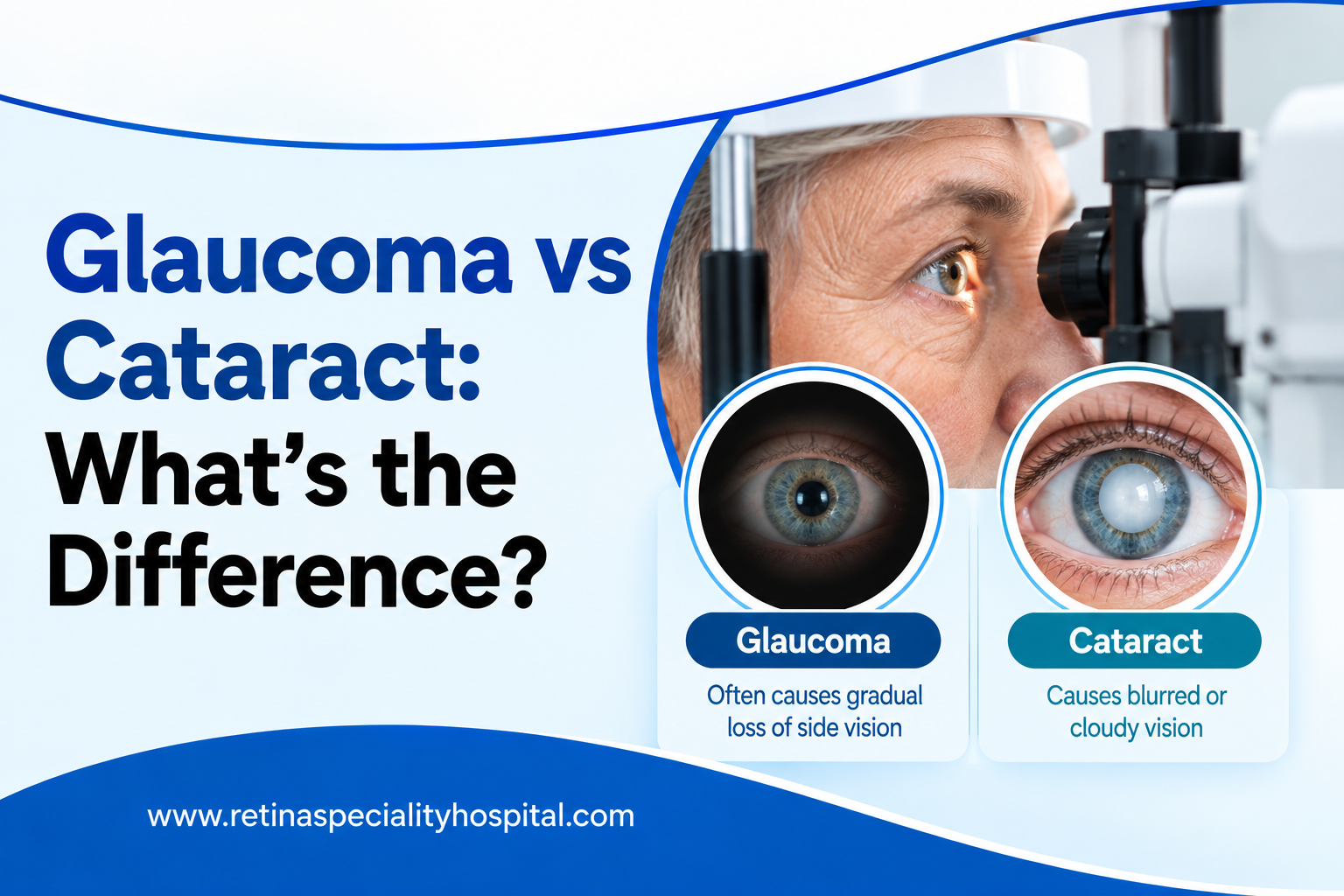
Cataracts vs Glaucoma
Glaucoma affects the optic nerve, while cataracts affect the lens.
Cataracts vs Macular Degeneration
Macular degeneration impacts the retina and central vision differently from cataracts.
An experienced Eye specialist in indore can identify the exact reason for visual symptoms through a complete examination.
Lifestyle Habits That Support Long-Term Eye Health
Although cataracts are commonly linked with aging, healthy habits may support overall eye wellness.
Helpful practices include:
- Wearing UV-protective sunglasses
- Eating leafy green vegetables
- Managing blood sugar levels
- Avoiding smoking
- Getting regular eye exams
- Reducing unnecessary eye strain
These habits support general vision health and long-term eye comfort.
Real Patient Case Study
A 62-year-old office professional from Indore began experiencing difficulty driving at night and increased glare from vehicle headlights. Initially, he assumed the problem was caused by screen fatigue and aging glasses.
During a routine consultation with a Best Eye specialist in indore, detailed eye evaluation revealed early cortical cataracts in both eyes. The patient was educated about cataract progression and advised on regular monitoring.
Within months, he became more aware of how lighting conditions affected his vision. Early diagnosis helped him understand his condition before severe visual limitations developed. This case highlights the importance of timely eye examinations and patient awareness.
10 Frequently Asked Questions About Cataracts
1. What are the early signs of cataracts?
Early signs include blurry or cloudy vision, increased sensitivity to light and glare, difficulty seeing at night, seeing halos around lights, and frequent changes in eyeglass prescriptions. Colors may also appear faded or yellowed over time.
2. Can cataracts be cured without surgery?
Currently, no medication or eye drops can dissolve or reverse cataracts. Surgery remains the only proven treatment. However, in early stages, updated glasses or better lighting can help manage symptoms before surgery becomes necessary.
3. At what age do cataracts usually develop?
Cataracts most commonly develop in people over 60, but they can occur earlier due to diabetes, eye injury, steroid use, or genetics. Congenital cataracts are present from birth and require early medical attention.
4. How long does cataract surgery take?
Cataract surgery is a quick outpatient procedure, typically lasting 15 to 30 minutes per eye. Patients usually return home the same day and experience significant vision improvement within a few days of recovery.
5. Is cataract surgery safe?
Yes, cataract surgery is one of the safest and most performed surgeries globally. Complications are rare. Most patients experience restored clear vision with minimal downtime, making it a highly effective and well-tolerated procedure.
6. Can both eyes be operated on at the same time?
Doctors generally recommend operating on one eye at a time, allowing the first eye to heal properly before treating the second. This approach reduces risk and lets the patient adjust comfortably between procedures.
7. What types of lenses are used after cataract removal?
After removing the clouded lens, surgeons implant an intraocular lens (IOL). Options include monofocal, multifocal, toric, and extended depth-of-focus lenses, each designed to address different vision needs including astigmatism correction.
8. Can cataracts come back after surgery?
The artificial lens implanted during surgery cannot develop a cataract. However, some patients experience posterior capsule opacification, a secondary cloudiness behind the lens, which is easily treated with a quick, painless laser procedure.
9. What happens if cataracts are left untreated?
Leaving cataracts untreated leads to progressively worsening vision and can eventually result in complete blindness. Mature or hypermature cataracts also increase surgical complications, making early treatment essential for better outcomes.
10. How do I prevent cataracts from developing?
While cataracts cannot always be prevented, protective measures include wearing UV-blocking sunglasses, maintaining a healthy diet rich in antioxidants, avoiding smoking, managing diabetes effectively, and scheduling regular comprehensive eye examinations with a qualified ophthalmologist.
Conclusion
Cataracts are one of the most common causes of gradual vision changes, especially with increasing age. However, understanding the different types of cataracts can help patients recognize symptoms earlier and seek professional guidance before daily activities become difficult. From nuclear cataracts to cortical and posterior subcapsular cataracts, each type affects the lens differently and may create unique visual challenges.
Awareness plays an important role in protecting long-term eye health. Many people ignore early symptoms such as glare, blurred vision, or difficulty reading because these changes happen slowly. Routine eye evaluations allow specialists to identify cataracts early and monitor progression carefully.
If you are noticing changes in vision, scheduling a comprehensive consultation with an experienced Eye specialist in indore can help you better understand your eye condition. Choosing a trusted Eye hospital in Indore ensures access to detailed eye evaluations, patient-focused care, and long-term vision support. Prioritizing timely Eye Treatment in Indore can help maintain visual clarity, comfort, and confidence in everyday life.