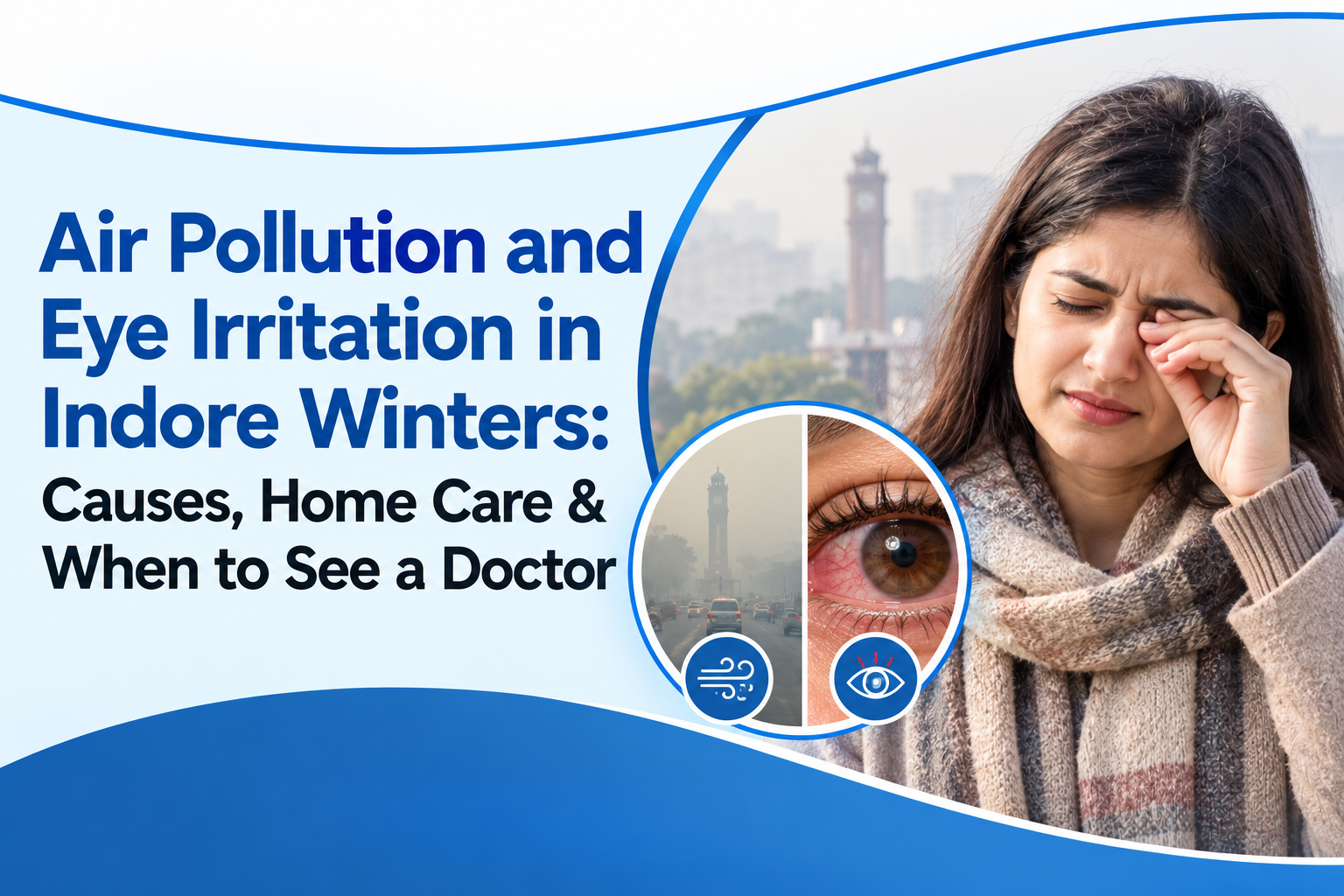









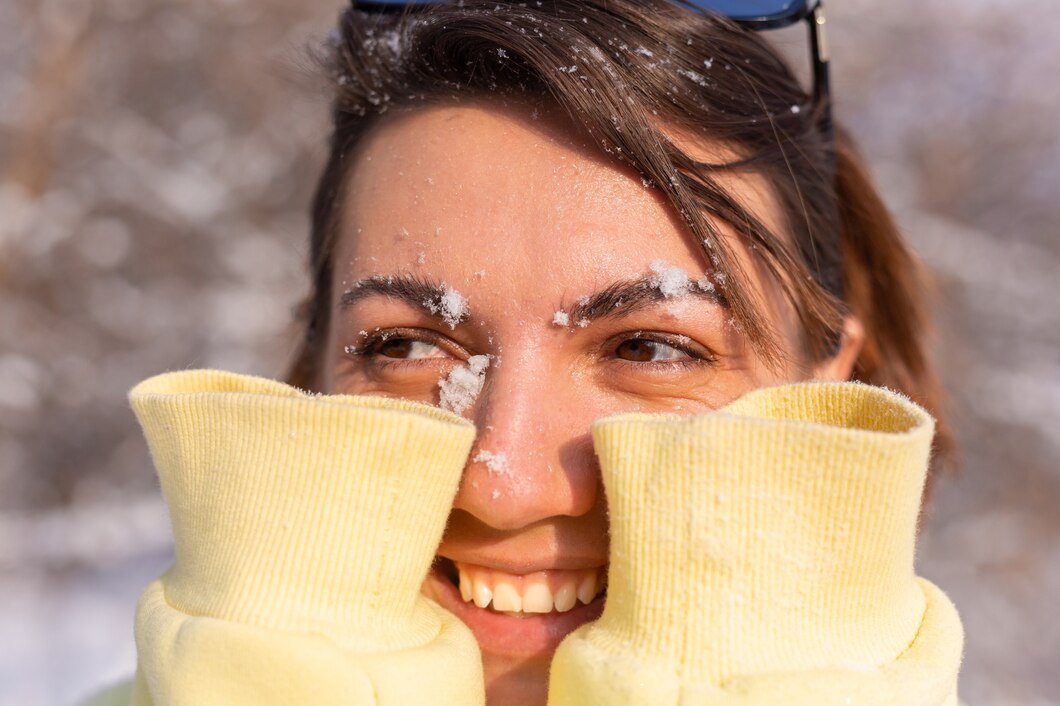
Cold weather can have an unexpected effect on eye health. In winter, cold winds and dry air take away the natural moisture in your eyes, causing irritation, redness and discomfort. This is what is commonly called dry eye syndrome. Indoor heating systems aggravate the condition by lowering humidity levels even more.
The cold wind can also make the eyes water profusely as they try to replace moisture that is being lost. Snow and ice reflect the sun’s harmful UV rays increasing the risk of photokeratitis which is a sunburn on the cornea, resulting in pain, blurred vision and light sensitivity.
The winter months can be particularly tough on those with pre-existing eye conditions. The cold seasons can lead to symptoms like redness, blurry vision, or pain in the eye that need timely Eye Treatment in Indore.
Protection Tips:
- Keep indoor humidity levels
- Wear wrap-around sunglasses outside
- Use lubricating eye drops regularly.
- Drink plenty of water to help produce natural tears
- Keep away from cold winds
Why Does Cold Weather Affect the Eyes? Key Reasons You Must Know
Understanding how Cold Weather Affect the Eyes helps you take the right steps toward prevention. Winter brings dry air, harsh winds, and sudden temperature changes—all of which can interfere with normal tear production and eye comfort.
1. Winter Air Reduces Eye Moisture
The cold season lacks humidity. When the air becomes dry, your eyes lose moisture faster, causing dryness and irritation.
2. Wind Exposure Irritates the Eye Surface
Cold winds directly hit the eyes, making them water excessively and leading to burning sensations.
3. Sudden Temperature Shifts Impact Eye Function
Moving from warm indoor areas to cold outdoor environments makes your eyes react quickly, causing discomfort or blurry vision.
These factors explain why Cold Weather Affect the Eyes more strongly for people who already have sensitive or dry eyes.
Common Symptoms When Cold Weather Affects the Eyes
Cold temperatures can trigger various symptoms. If you notice these regularly, consult an eye specialist in Indore.
Most Common Symptoms Include:
- Dry, itchy, or burning eyes
- Excess tearing
- Redness or irritation
- Sensitivity to light
- Blurred vision
- Eye fatigue
- Difficulty wearing contact lenses
If these symptoms continue, timely evaluation at RETINA SPECIALITY HOSPITAL, known for trusted retina treatment in Indore, is essential to rule out hidden conditions.
How Cold Weather Affect the Eyes: Detailed Explanations
Let’s go deeper into the exact ways in which winter impacts eye health.
1. Dry Eyes: The Most Common Effect of Cold Weather
Dry eyes are the most frequent result when Cold Weather Affect the Eyes. Low moisture levels and chilly winds evaporate natural tears too quickly.
Why It Happens
- Indoor heaters reduce humidity
- Outdoor air lacks moisture
- Tear glands struggle to keep up
How to Prevent Dry Eyes
- Use humidifiers
- Apply preservative-free lubricating drops
- Blink more often when using screens
2. Excessive Tearing Due to Cold Winds
Ironically, one major way Cold Weather Affect the Eyes is by causing watery eyes. Your eyes produce excess tears as a defense mechanism.
Prevention Tips
- Wear protective sunglasses
- Avoid direct wind exposure
- Keep your face warm with scarves
3. Redness and Irritation from Temperature Changes
When you step out into cold weather, blood vessels in the eyes expand to warm themselves causing redness.
Solutions
- Splash your eyes with lukewarm water
- Avoid rubbing your eyes
- Keep moisture drops handy
4. Blurred Vision Caused by Cold Stress
For some people, Cold Weather Affect the Eyes by causing momentary blurred vision. This is due to changes in tear consistency and moisture imbalance.
What You Can Do
- Give your eyes time to adjust when shifting temperatures
- Keep hydration strong
- Avoid prolonged outdoor exposure
5. Increased Sensitivity in People With Eye Conditions
If you already have retinal issues, winter may worsen symptoms. Those with diabetic retinopathy, glaucoma, or other issues may feel stronger discomfort.
To ensure winter symptoms do not harm the retina, visit the best eye care hospital in Indore — RETINA SPECIALITY HOSPITAL for expert evaluation.
How Cold Weather Affects Contact Lens Wearers
Contact lens users often experience increased trouble during winter.
Common Problems
- Dryness
- Lens irritation
- Difficulty blinking comfortably
Prevention Tips
- Choose moisture-rich lenses
- Use rewetting drops
- Reduce screen time
- Switch to glasses during peak cold days
If discomfort continues, an eye specialist in Indore can recommend better lens options.
How to Protect Your Eyes in Winter: Expert Tips
To minimise the effects of winter, follow these simple but effective steps.
1. Keep Your Eyes Moist
- Use artificial tears
- Drink plenty of water
2. Protect Eyes Outdoors
- Wear UV-protected sunglasses
- Use goggles when biking or riding
3. Maintain Indoor Humidity
- Keep humidifiers running
- Avoid sitting directly in front of heaters
4. Improve Your Diet
Add foods rich in:
- Omega-3 fatty acids
- Vitamin A and E
- Green vegetables
- Seasonal fruits
A healthy diet strengthens your eyes naturally and reduces the impact of winter weather.
Cold Weather Affect the Eyes More in These Groups
Some people are more sensitive to seasonal changes.
Higher-Risk Groups Include:
- Senior adults
- Contact lens wearers
- People with diabetes
- Individuals with existing retinal disorders
- People working long hours on screens
If you fall into any of these categories, ensure regular checkups at RETINA SPECIALITY HOSPITAL, widely recognized as the indore best eye hospital.
When to See an Eye Specialist in Indore
Seek immediate help if symptoms get worse or you notice:
- Persistent redness
- Sharp eye pain
- Continued blurred vision
- Eye swelling
- Light sensitivity
- Sudden vision changes
These may indicate deeper issues that require expert retina treatment in Indore.
Frequently Asked Questions (FAQs)
1. Can cold weather cause dry eyes?
Yes, cold air has low humidity and outdoor winds strip moisture from your eye surface. Indoor heating further dries the air, reducing natural tear film stability and causing persistent dryness, irritation, and a gritty sensation in the eyes.
2. Can cold weather damage your eyesight permanently?
Temporary discomfort is common, but prolonged exposure to UV rays reflected off snow without protection can cause photokeratitis. In rare cases, repeated unprotected exposure may contribute to long-term corneal damage or accelerate cataract development over time.
3. Why do eyes water more in cold weather?
Cold winds stimulate the lacrimal glands as a reflex defense mechanism. The eyes produce excess tears to protect the cornea from wind and temperature changes, ironically causing watering even when the underlying condition is actually dry eye syndrome.
4. Is it safe to wear contact lenses in cold weather?
Generally yes, but cold and dry conditions reduce lens comfort significantly. Lenses may feel drier and irritating. Using lubricating drops compatible with contacts and staying hydrated helps maintain comfort during winter months while wearing contact lenses outdoors.
5. Can cold weather cause eye infections?
Cold weather itself does not directly cause infections, but frequent eye rubbing due to irritation can introduce bacteria. Weakened immunity during winter also increases susceptibility to conjunctivitis and other eye infections, making hygiene and regular check-ups important.
6. How do I protect my eyes from the cold wind?
Wearing wraparound sunglasses or protective eyewear blocks cold winds effectively. Staying hydrated, using lubricating eye drops, and avoiding direct exposure during harsh weather are practical ways to shield your eyes from wind-related dryness and irritation.
7. Does snow cause eye problems?
Yes. Snow reflects up to 80% of UV radiation, which can cause snow blindness or photokeratitis. Symptoms include eye pain, redness, and temporary vision blur. Wearing UV-protective sunglasses while in snowy environments is strongly recommended for eye safety.
8. Can winter allergies affect the eyes?
Yes. Indoor allergens like dust mites, mold, and pet dander become more concentrated during winter when homes are sealed. These triggers cause allergic conjunctivitis, leading to itchy, red, and watery eyes that require antihistamine drops or medical attention.
9. What eye drops are best for winter dry eyes?
Preservative-free artificial tear drops are generally recommended for winter dry eyes. Thicker gel-based drops provide longer relief for severe cases. Always consult an eye specialist before choosing drops, especially if you wear contact lenses or have existing conditions.
10. When should I see a doctor for winter eye problems?
Consult a doctor if you experience persistent redness, blurred vision, eye pain, unusual discharge, or light sensitivity lasting more than two days. Early professional evaluation prevents minor winter eye issues from developing into serious conditions requiring advanced treatment.
Conclusion
Winter may be enjoyable, but it brings challenges especially for your eyes. As we’ve learned, Cold Weather Affect the Eyes in several ways, including dryness, tearing, irritation, and blurred vision. With proper care, protective habits, and regular eye checkups, you can keep your vision safe throughout the cold months.
If winter eye discomfort becomes frequent, consult the experts at RETINA SPECIALITY HOSPITAL, trusted for advanced retina treatment in Indore and comprehensive eye care.
Contact us on Whatsapp.