





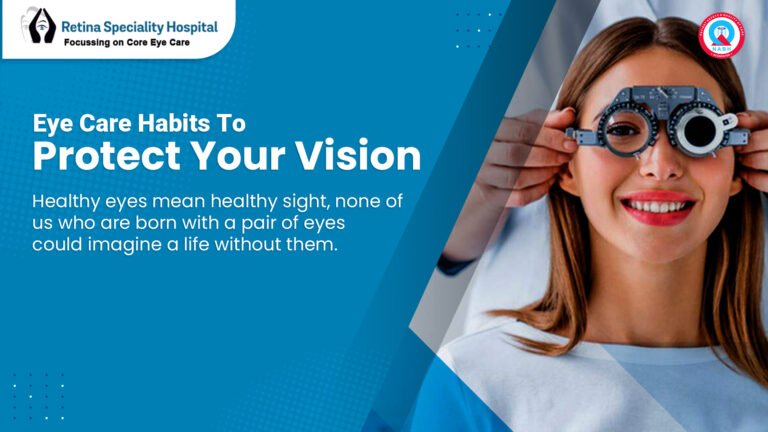
Eye Care Habits To Protect Your Vision

Eye Care Habits To Protect Your Vision

Eye Care Habits To Protect Your Vision

Eye Care Habits To Protect Your Vision

None of us who are born with a healthy pair of eyes can imagine life without them, yet eye care is often the last thing on the daily to-do list. Just like your skin, heart, or joints, your eyes need consistent care to stay healthy long-term. The good news is that most of the habits that protect your vision are simple, low-effort, and easy to build into your day.

Here are the eye care habits worth adopting now, before problems appear, along with why each one matters.

Why Daily Eye Care Habits Matter

Many eye conditions, from cataracts to macular degeneration, develop slowly over years of cumulative strain, sun exposure, or poor habits. Small daily choices add up. Building a few protective habits now is far easier than reversing damage later, and it means your eyes are more likely to stay strong well into old age.

Protect Your Eyes From the Sun

Just as sunscreen protects your skin, sunglasses protect your eyes. Wearing glasses with proper UV protection shields your eyes from harmful ultraviolet rays. Excessive UV exposure over time raises your risk of conditions such as macular degeneration, cataracts, and corneal damage. Learn more in our guide on how to avoid UV rays for your eyes.

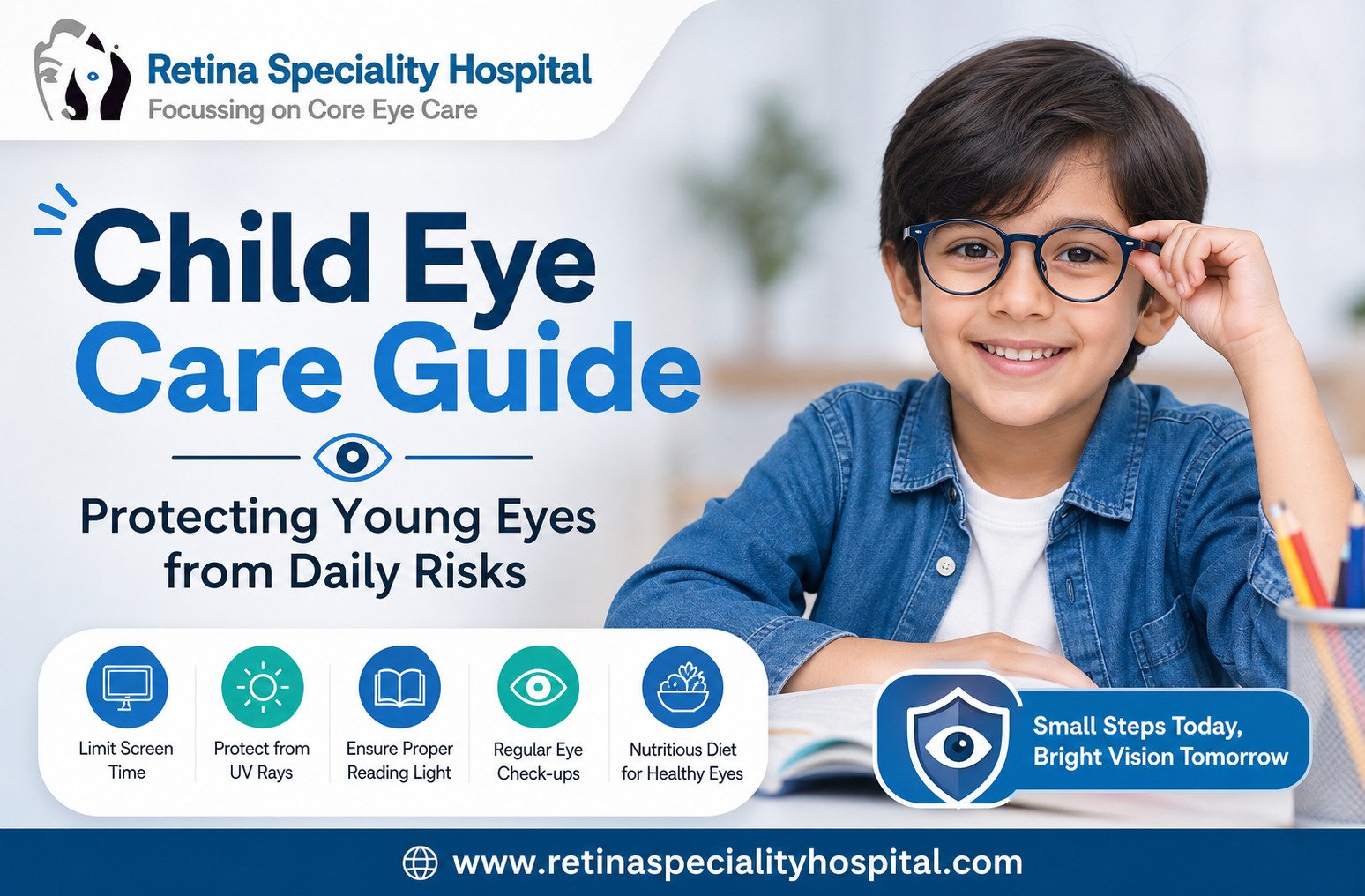
Reduce Screen Time

Most of us have been warned since childhood that too much screen time isn’t good for our eyes, and the evidence backs this up. Prolonged screen use can lead to:

  • Eye strain
  • Blurry vision
  • Eye dryness
  • Neck, shoulder, and back pain

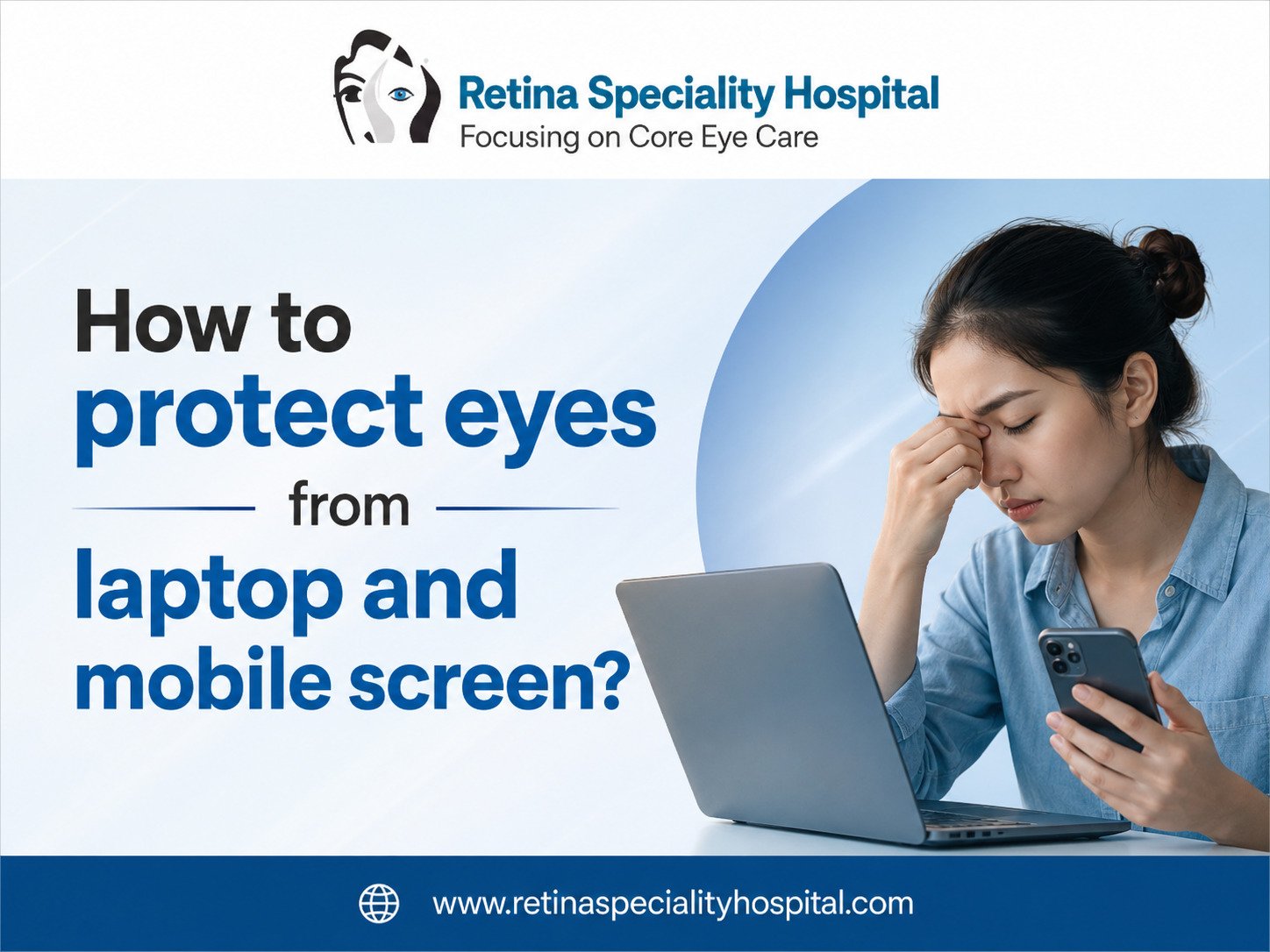
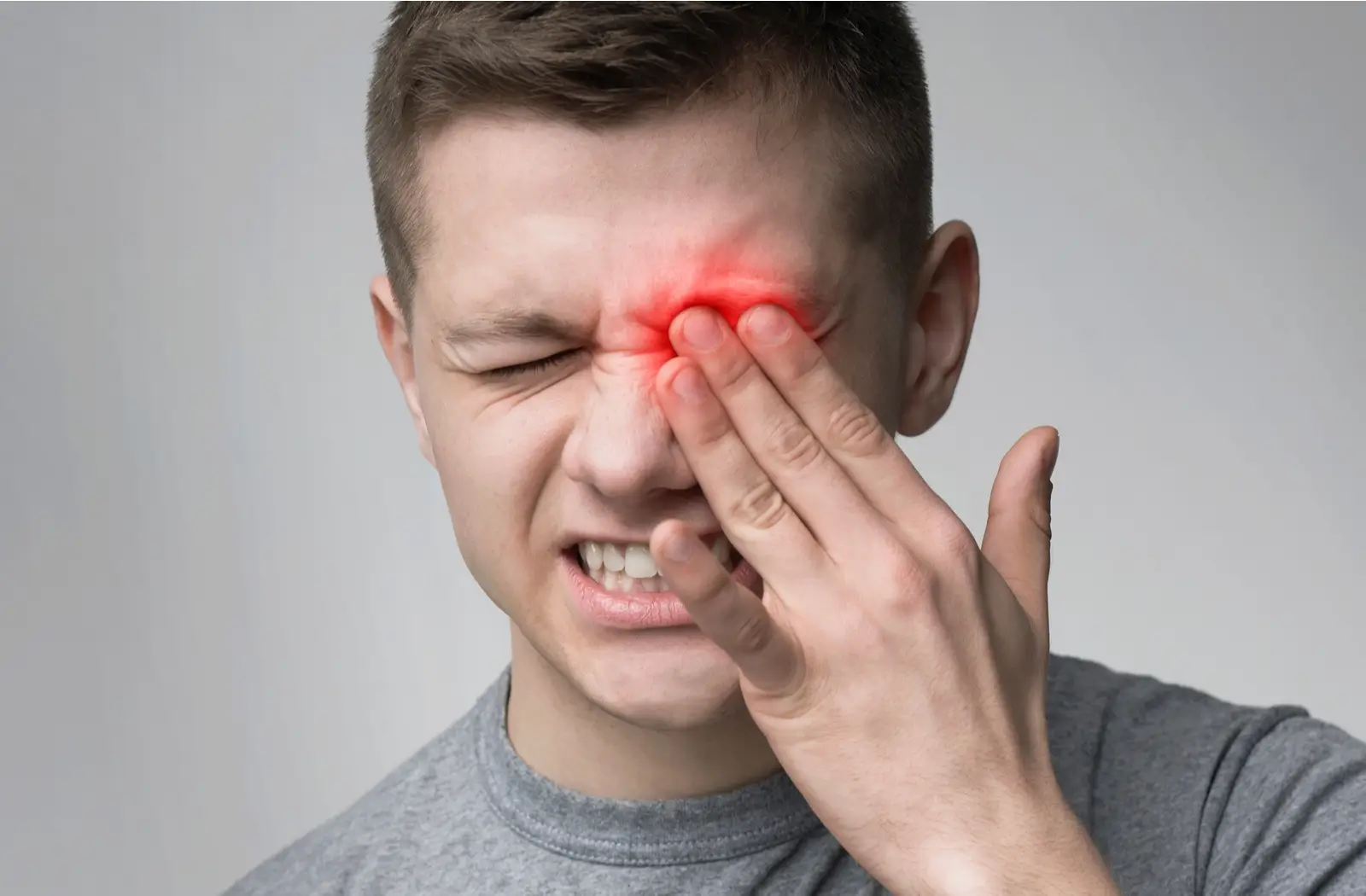
To protect your eyes, cut back on unnecessary screen time where you can. If your job requires long hours in front of a screen, consider computer glasses and follow the 20-20-20 rule, look at something 20 feet away for 20 seconds every 20 minutes. See our full breakdown of how to protect your eyes from laptop and mobile screens and how to prevent eye pain and headaches from screens.

Say No to Smoking

Smoking damages the optic nerve and significantly raises your risk of cataracts and other vision-threatening conditions. Quitting isn’t easy, but every attempt moves you closer to protecting your long-term eye health, even if it takes more than one try.

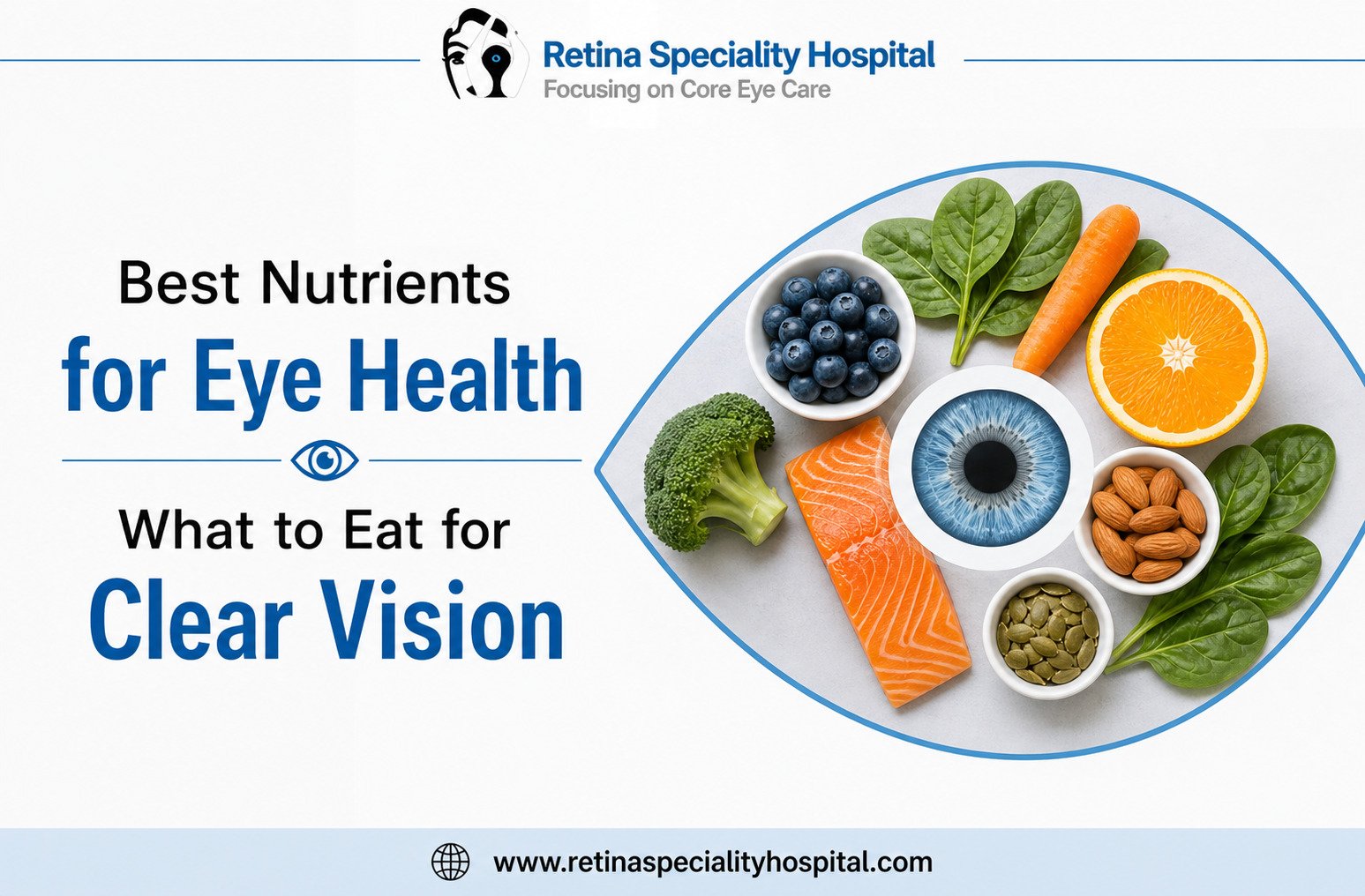
Eat for Eye Health

A healthy diet helps you avoid many health issues, including weakening eyesight. Certain nutrients are especially protective for your eyes:

NutrientWhy It MattersFood Sources
Omega-3 fatty acidsSupports retinal health and reduces dry eyeFish, fish oil supplements
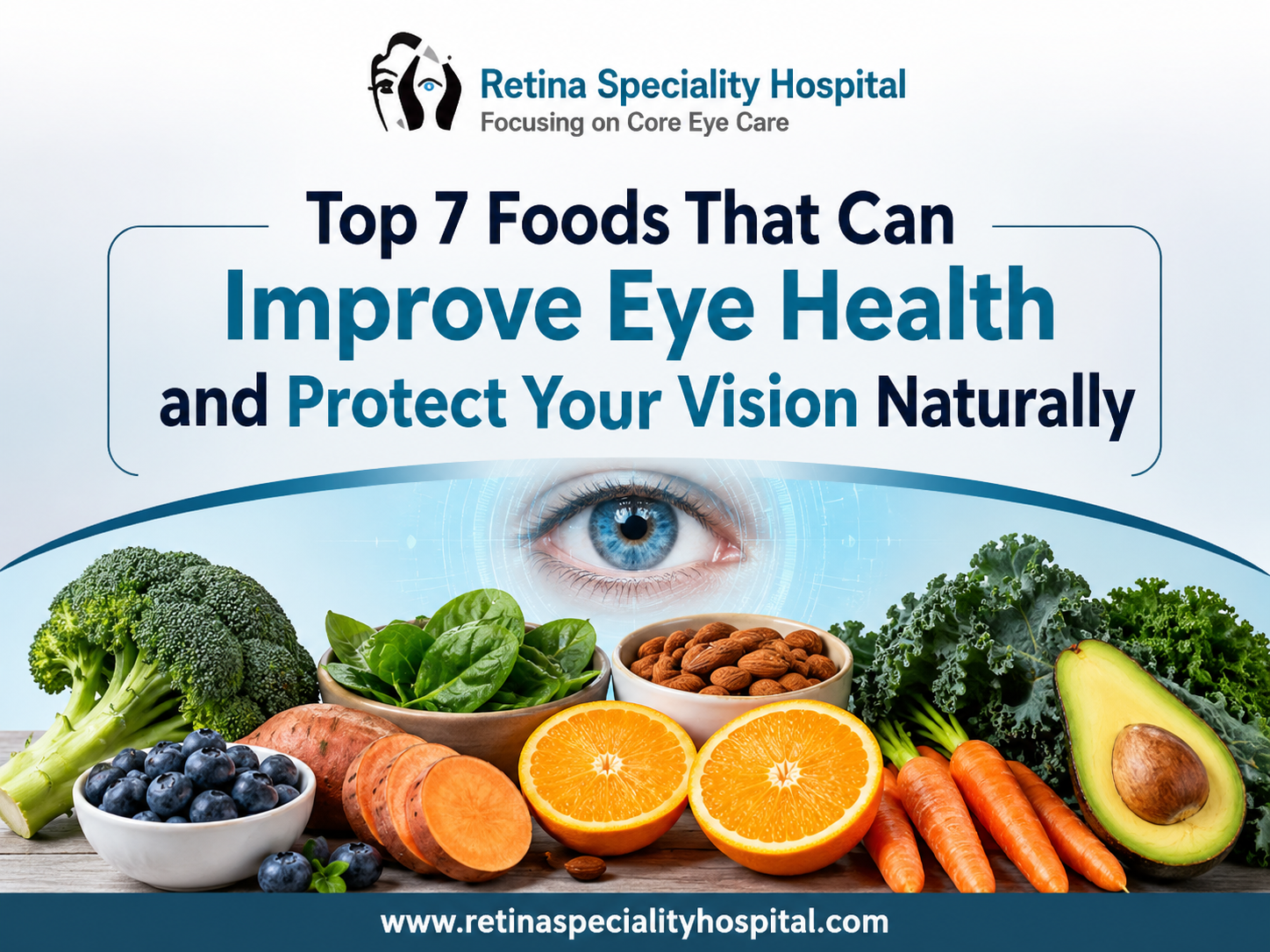
Vitamins E & CAntioxidants that protect eye cells from damageCitrus fruits, nuts, seeds
Lutein & zeaxanthinFilters harmful light, protects the maculaKale, spinach, leafy greens

For a deeper dive, check out Top 7 Foods That Improve Eye Health and Best Nutrients for Eye Health.

Avoid Touching Your Eyes

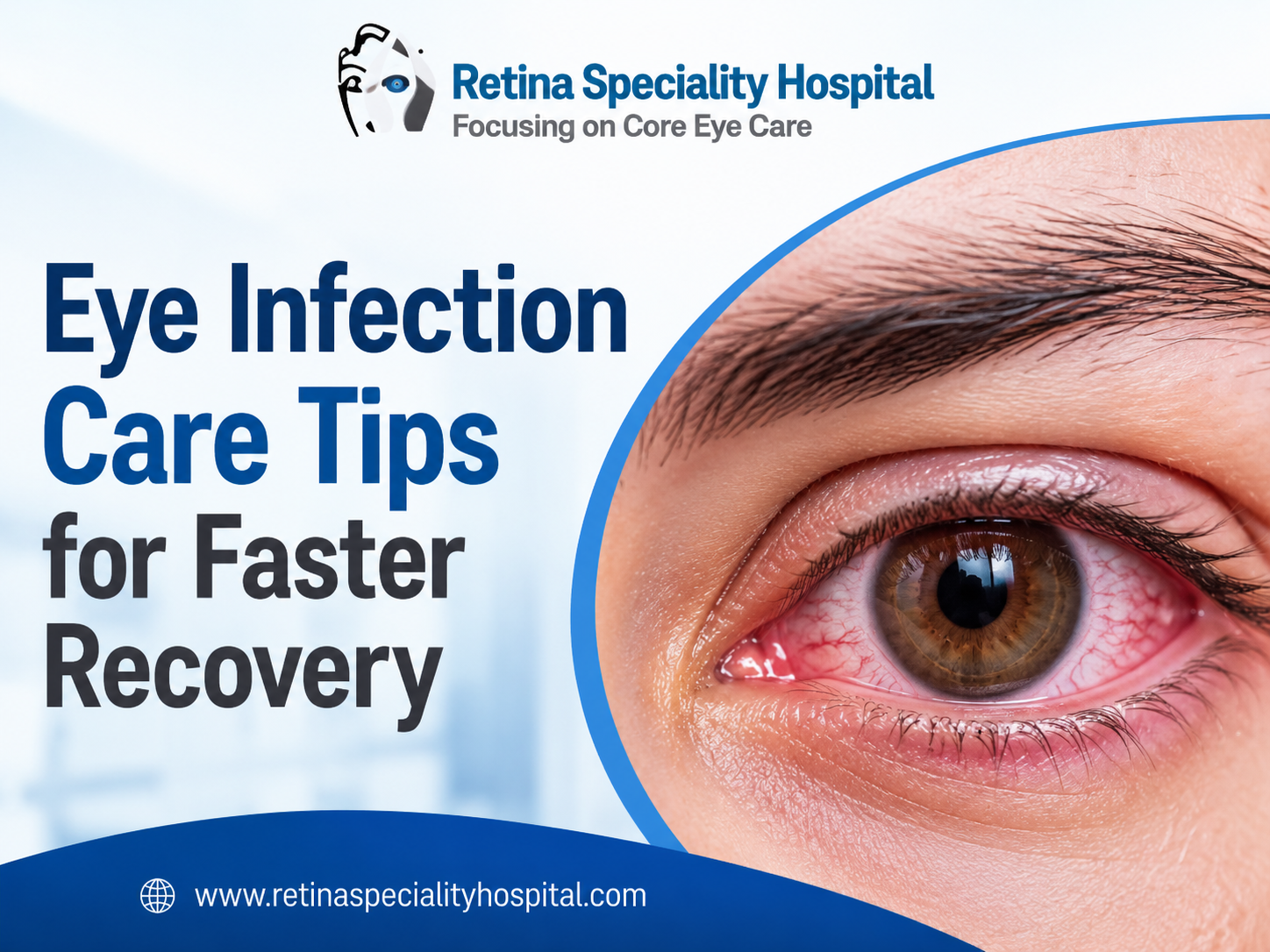
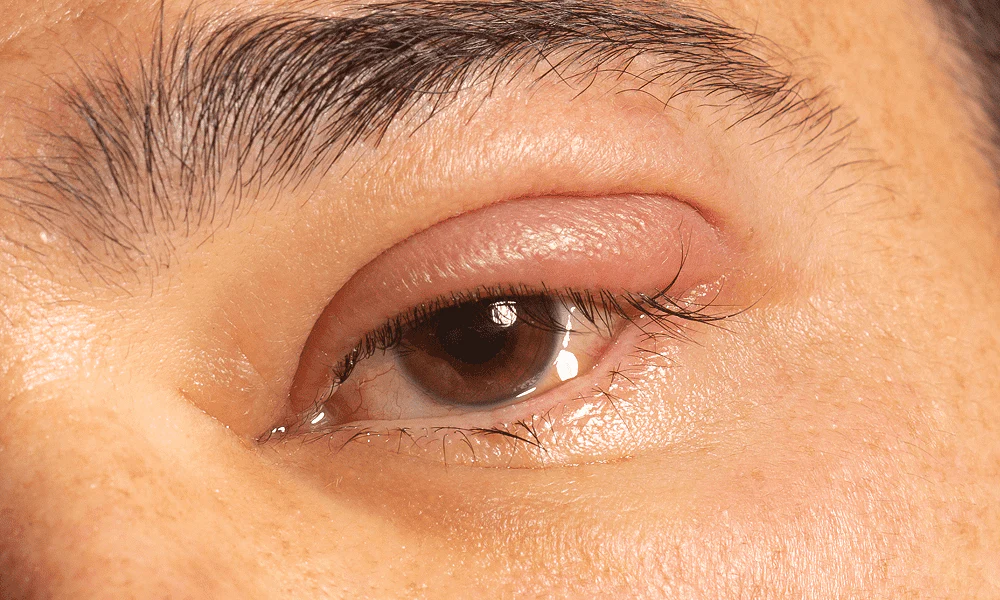
Your hands come into contact with countless surfaces every day. When those hands touch your eyes, bacteria or viruses can easily transfer and trigger infections. Keep your hands clean, and try to avoid touching your eyes out of habit. If you do notice redness, discharge, or irritation, see our tips on eye infection care for faster recovery.

Don’t Forget Regular Eye Exams

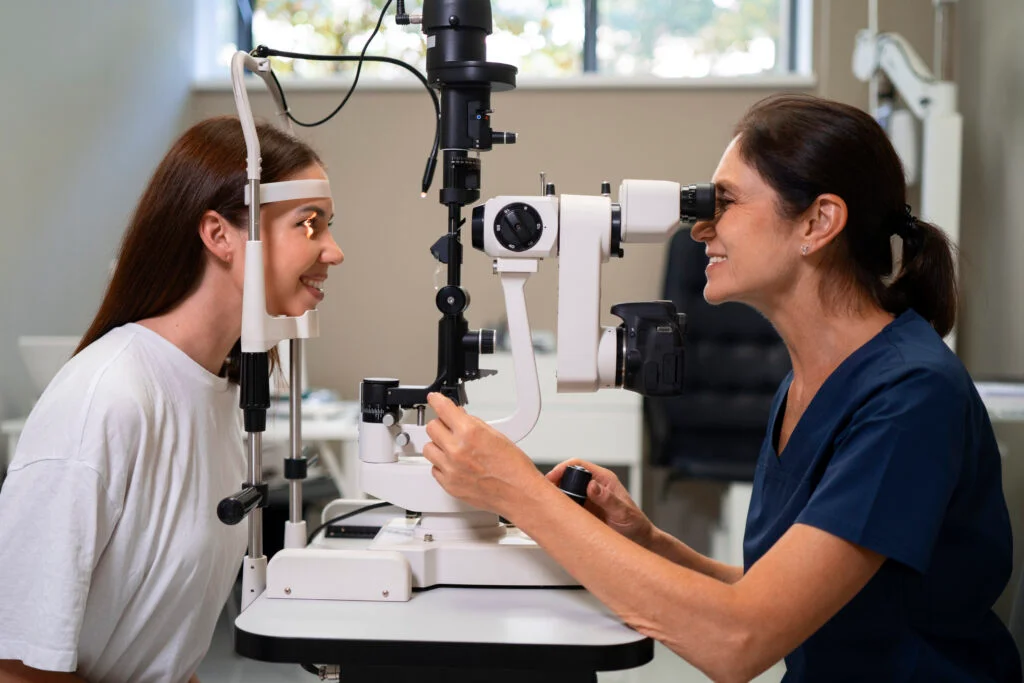
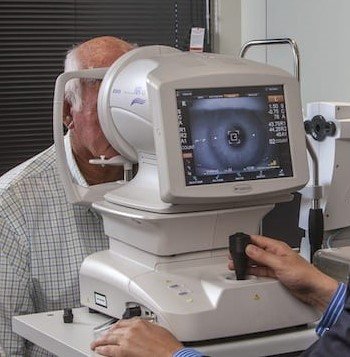
Good habits reduce your risk, but they don’t replace professional screening. Many serious eye conditions, including glaucoma and diabetic retinopathy, cause no symptoms in their early stages. A comprehensive dilated eye exam, at least once a year, is the only reliable way to catch problems before they affect your vision.

Quick Checklist: Daily Eye Care Habits

  • Wear UV-protective sunglasses outdoors
  • Follow the 20-20-20 rule during screen work
  • Avoid smoking
  • Eat leafy greens, fish, and vitamin-rich foods regularly
  • Keep hands clean and avoid touching your eyes
  • Book a comprehensive eye exam once a year

Frequently Asked Questions

1. How often should I get my eyes checked?

Most adults with no known eye conditions should have a comprehensive dilated eye exam once a year. If you have diabetes, high blood pressure, or a family history of eye disease, your doctor may recommend more frequent visits.

2. Can good habits alone prevent all eye diseases?

No. Healthy habits significantly lower your risk and support long-term vision, but they cannot fully prevent conditions with a genetic or age-related component. Combining good habits with regular professional eye exams gives you the best protection.

3. Is screen time really harmful to my eyes?

Screens themselves don’t cause permanent eye damage, but prolonged, uninterrupted use leads to digital eye strain, dryness, and fatigue. Taking regular breaks and maintaining good screen distance and lighting significantly reduces these effects.

Make Eye Care Part of Your Daily Routine

Your eyes are one of your most valuable assets, protecting them starts with small, consistent habits. Build these tips into your daily routine, and don’t skip your annual eye check-up for extra peace of mind. If it’s been over a year since your last exam, or you’re noticing any changes in your vision, the specialists at Retina Speciality Hospital, Indore are here to help. Call 0731-2553377 or book your eye examination today. Meet our eye care specialists to get started.

Scroll to Top