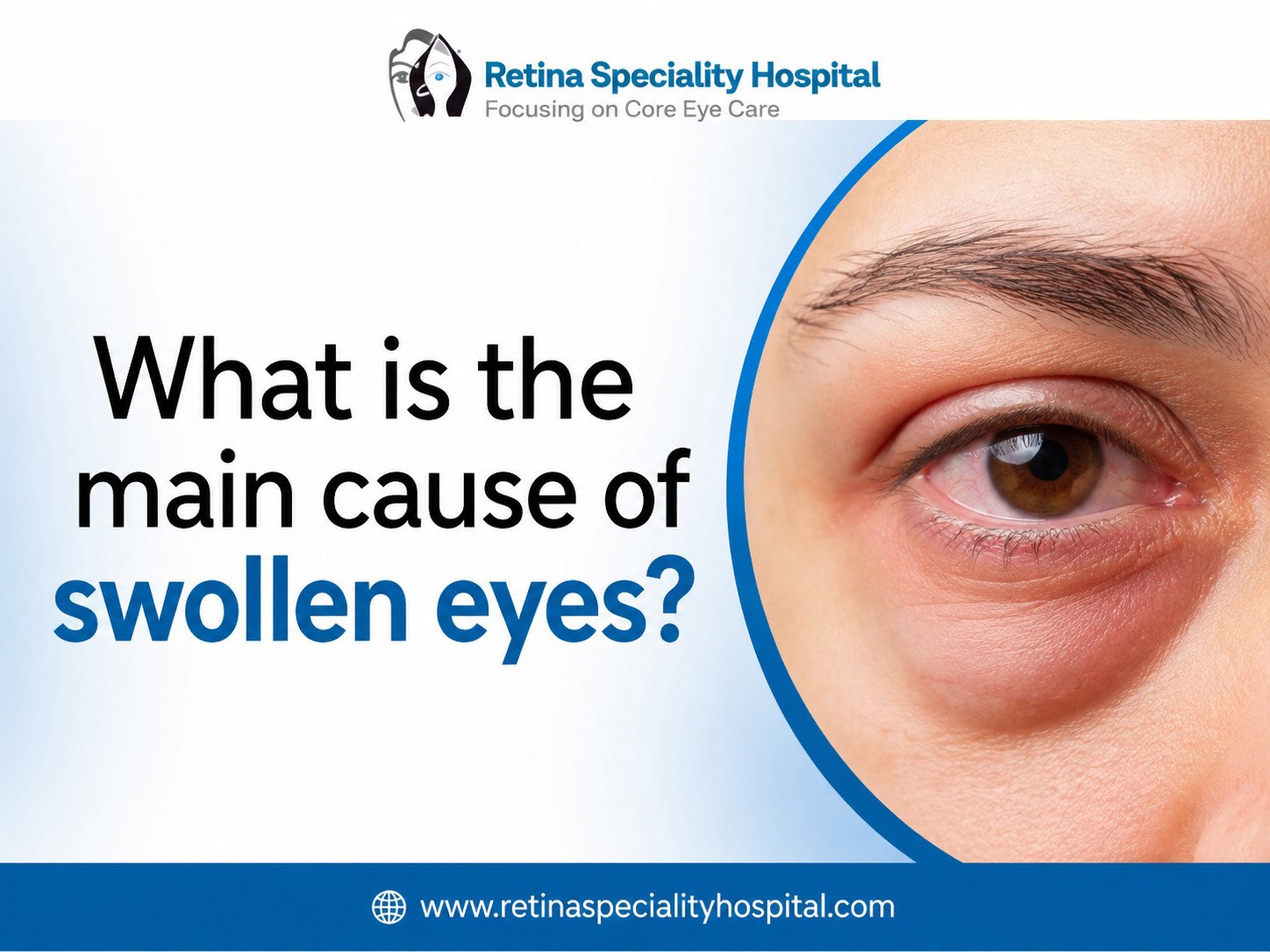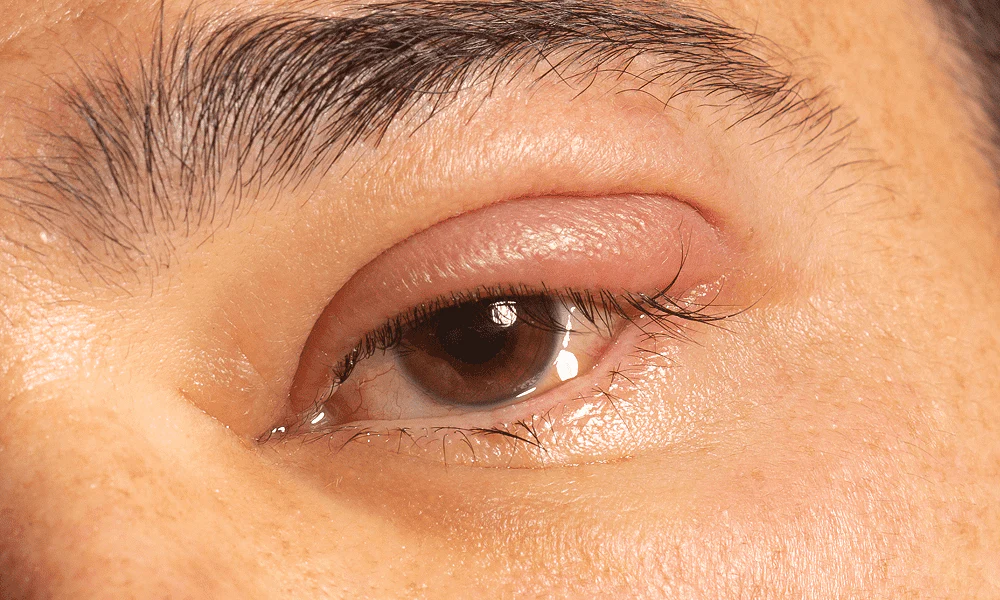









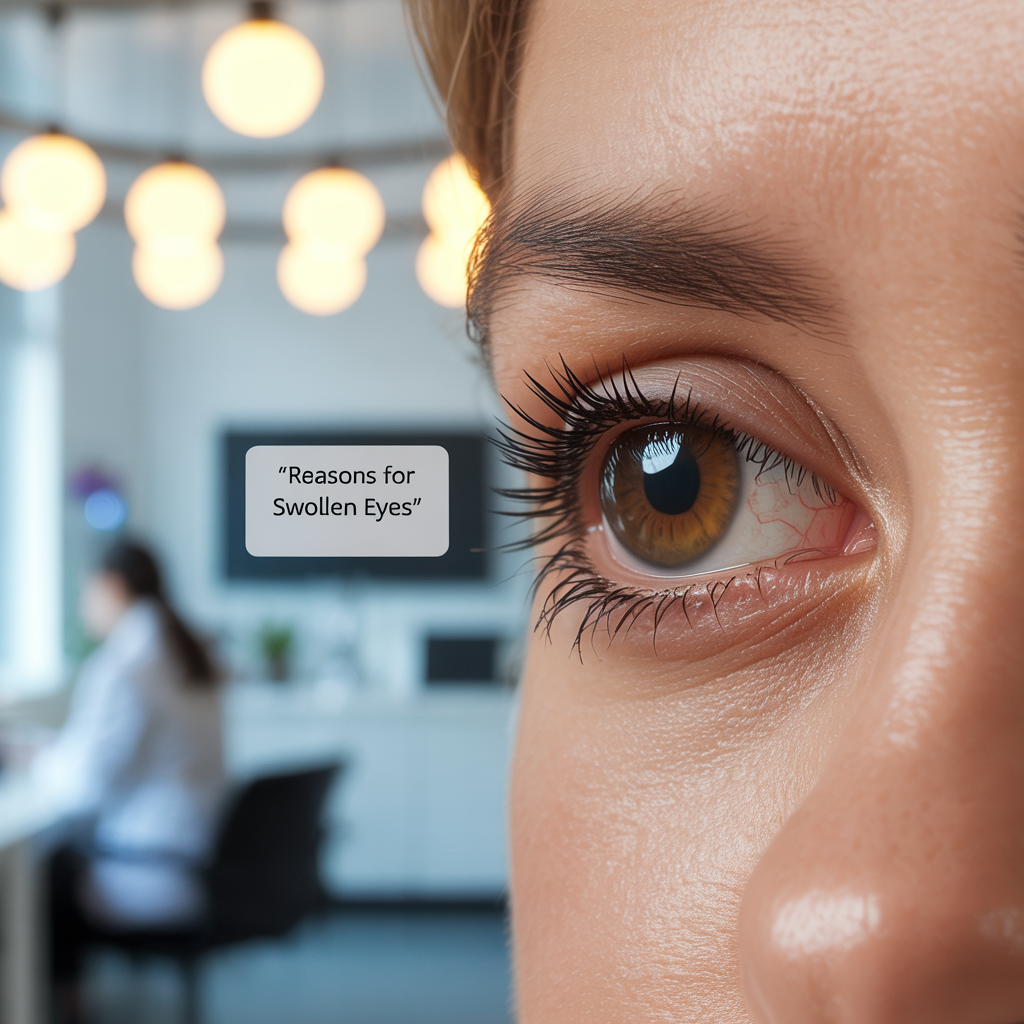
Swollen eyes are a common condition that can affect people of any age. They are caused by fluid buildup or inflammation in the eye area, resulting in discomfort and puffiness.
Common causes include allergies, infections such as conjunctivitis or styes, insect bites, crying, lack of sleep, sinusitis, thyroid disorders and even dietary habits such as excessive salt intake. A lot of swelling can also be caused by trauma or injury.
Symptoms usually include swelling of the eyelids, redness, itching, a watery discharge, sensitivity to light and sometimes blurred vision. The swelling may be in one eye or, depending on the cause, both.
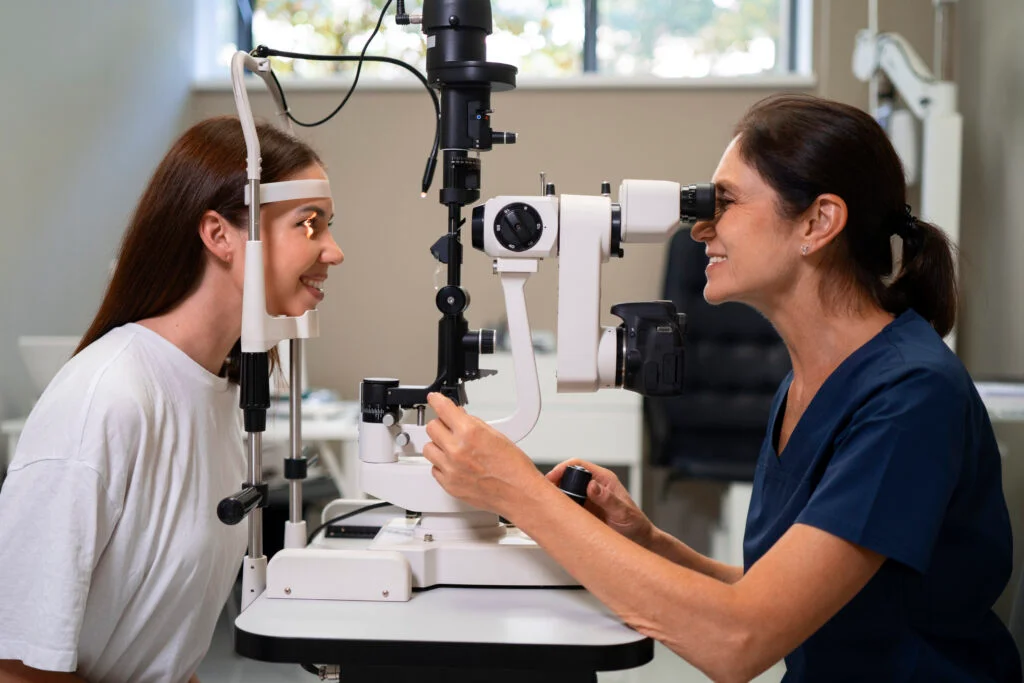
The treatment depends on what is causing the problem. Cold compresses, allergy antihistamines, antibiotic eye drops for infections and proper rest usually do the trick. If swelling lasts for more than 48 hours or affects vision or is associated with severe pain, it is recommended to seek professional Eye Treatment in Indore.
Recurrent eye swelling can be prevented by lifestyle modifications like adequate sleep, hydration, hygiene, limit screen time and sleep. By seeking help from a qualified ophthalmologist, proper diagnosis and medication will be ensured and complications will be prevented. Early treatment leads to faster recovery and a healthier eye in the long run.
What are the Main Reasons for Swollen Eyes?
Swelling around the eyes happens when there is inflammation or excess fluid in the surrounding tissues. Here are the most common reasons for swollen eyes:
1. Allergies
Allergies are one of the leading causes of swollen and itchy eyes. Dust, pollen, pet dander, or certain foods can trigger allergic reactions. Symptoms usually include:
- Itching or redness
- Watery eyes
- Puffy eyelids
2. Lack of Sleep
Poor sleep habits can cause fluid retention around the eyes, making them appear swollen. Staying up late, long screen time, or irregular sleep patterns may worsen puffiness.
3. Infections (Conjunctivitis or Stye)
Eye infections such as conjunctivitis (pink eye) or styes are common reasons for swollen eyes. These conditions may cause pain, redness, discharge, and visible swelling.
When to see a doctor: If the swelling is accompanied by pus, severe pain, or vision problems, consult the Indore best eye hospital immediately.
4. Blocked Tear Ducts
Tear ducts help drain tears from your eyes. When blocked, fluid builds up, causing swelling and sometimes infection. This condition is more common in infants but can also affect adults.
5. Eye Injuries or Trauma
Accidents, rubbing your eyes too hard, or foreign particles entering the eye can cause swelling. Minor injuries may heal on their own, but trauma-related swelling requires urgent medical attention.
6. Medical Conditions
Certain health issues like thyroid disorders, kidney problems, or sinus infections may also lead to swollen eyes. Identifying the underlying health condition is key to effective treatment.
Symptoms of Swollen Eyes You Shouldn’t Ignore
While mild puffiness often resolves with rest and home remedies, some symptoms can indicate serious eye problems. Look out for:
- Sudden swelling in one eye
- Severe pain or discomfort
- Blurred or double vision
- Discharge or pus
- Sensitivity to light
If you notice these symptoms, it’s best to consult a retina specialist doctor for timely care.
How Retina Speciality Hospital in Indore Can Help
When swollen eyes are more than just a temporary issue, expert care becomes essential. At Retina Speciality Hospital, patients receive world-class diagnosis and treatment. Known as one of the Indore best eye hospitals, the center is equipped with advanced technology and highly experienced doctors to manage complex eye conditions.
Benefits of choosing Retina Speciality Hospital:
- Team of qualified retina specialist doctors
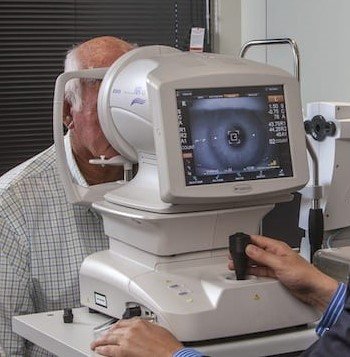
- Advanced diagnostic tools for accurate results
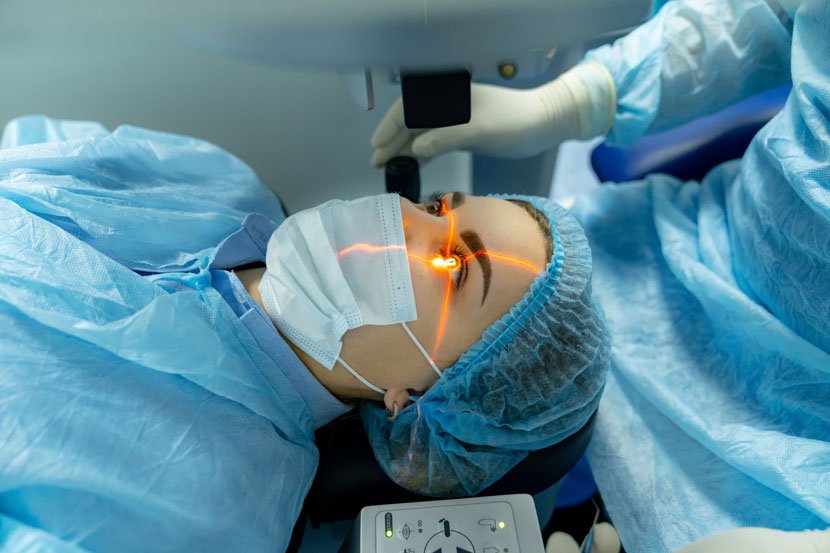
- Comprehensive treatment options, from medications to surgery
- Patient-focused care with long-term solutions
Preventing Swollen Eyes: Simple Lifestyle Tips
You can minimize the risk of swollen eyes by adopting a few healthy habits:
- Maintain a consistent sleep routine.
- Reduce salt intake to avoid fluid retention.
- Wash your hands before touching your eyes.
- Limit screen time and follow the 20-20-20 rule.
- Get regular eye checkups at the best eye hospital in Indore.
FAQs About Reasons for Swollen Eyes
1. What causes swollen eyes in the morning?
Morning eye swelling is usually caused by fluid retention during sleep, allergies, excessive crying, or sleeping in an uncomfortable position. It typically reduces within an hour after waking up. Persistent morning puffiness may indicate an underlying medical condition requiring professional evaluation.
2. Is swollen eye a sign of infection?
Yes, swollen eyes can indicate infections like conjunctivitis, styes, or orbital cellulitis. Infections usually come with redness, discharge, and pain. Timely diagnosis and antibiotic treatment prevent the infection from spreading and protect overall vision health.
3. How do I reduce eye swelling fast?
Applying a cold compress, cucumber slices, or chilled tea bags helps reduce eye swelling quickly. Antihistamines work well for allergy-related puffiness. Staying hydrated and avoiding rubbing your eyes also speeds up recovery significantly.
4. When should I see a doctor for swollen eyes?
Consult a doctor if swelling lasts more than 48 hours, affects vision, causes severe pain, or is accompanied by fever. Sudden unexplained swelling around both eyes also requires immediate medical attention and professional eye examination.
5. Can allergies cause swollen eyes?
Yes, allergies are one of the most common causes of swollen eyes. Pollen, dust, pet dander, or certain cosmetics trigger an immune response causing histamine release, resulting in itching, redness, tearing, and significant puffiness around the eyelids.
6. What is the difference between puffy eyes and swollen eyes?
Puffy eyes are generally mild, cosmetic, and caused by lifestyle factors like poor sleep or dehydration. Swollen eyes often indicate inflammation or infection with accompanying symptoms like pain or discharge, and typically require medical treatment for proper resolution.
7. Can lack of sleep cause swollen eyes?
Yes, insufficient sleep leads to fluid retention and poor circulation around the eyes, causing noticeable puffiness. Consistently poor sleep worsens the condition. Maintaining a regular sleep schedule of seven to eight hours significantly reduces under-eye swelling and fatigue.
8. Are swollen eyes dangerous?
Most cases are harmless and resolve quickly. However, swelling caused by orbital cellulitis, thyroid eye disease, or severe allergic reactions can be serious. Any swelling affecting vision or accompanied by intense pain needs urgent medical attention immediately.
9. What foods cause puffy eyes?
High-sodium foods, alcohol, processed snacks, and excessive caffeine contribute to fluid retention and eye puffiness. Eating a balanced diet rich in potassium, staying hydrated, and limiting salt intake significantly helps prevent recurring inflammation around the eye area.
10. What is the best eye drop for swollen eyes?
Antihistamine drops work best for allergy-related swelling, while antibiotic drops treat bacterial infections. Lubricating eye drops relieve dryness-related irritation. Always consult a qualified ophthalmologist before using any eye drops to ensure correct diagnosis and safe, effective treatment.
Conclusion
Understanding the reasons for swollen eyes helps you take the right steps toward healthier vision. While lack of sleep or allergies may cause mild puffiness, infections, trauma, or medical conditions should never be ignored. Home remedies can provide relief, but professional care at a trusted hospital ensures lasting results. If you are experiencing swollen eyes frequently, visit Retina Speciality Hospital, recognized as the best eye hospital in Indore, for expert diagnosis and personalized treatment by a qualified retina specialist doctor. Your eyes deserve the best care—book your appointment today at Retina Speciality Hospital, Indore