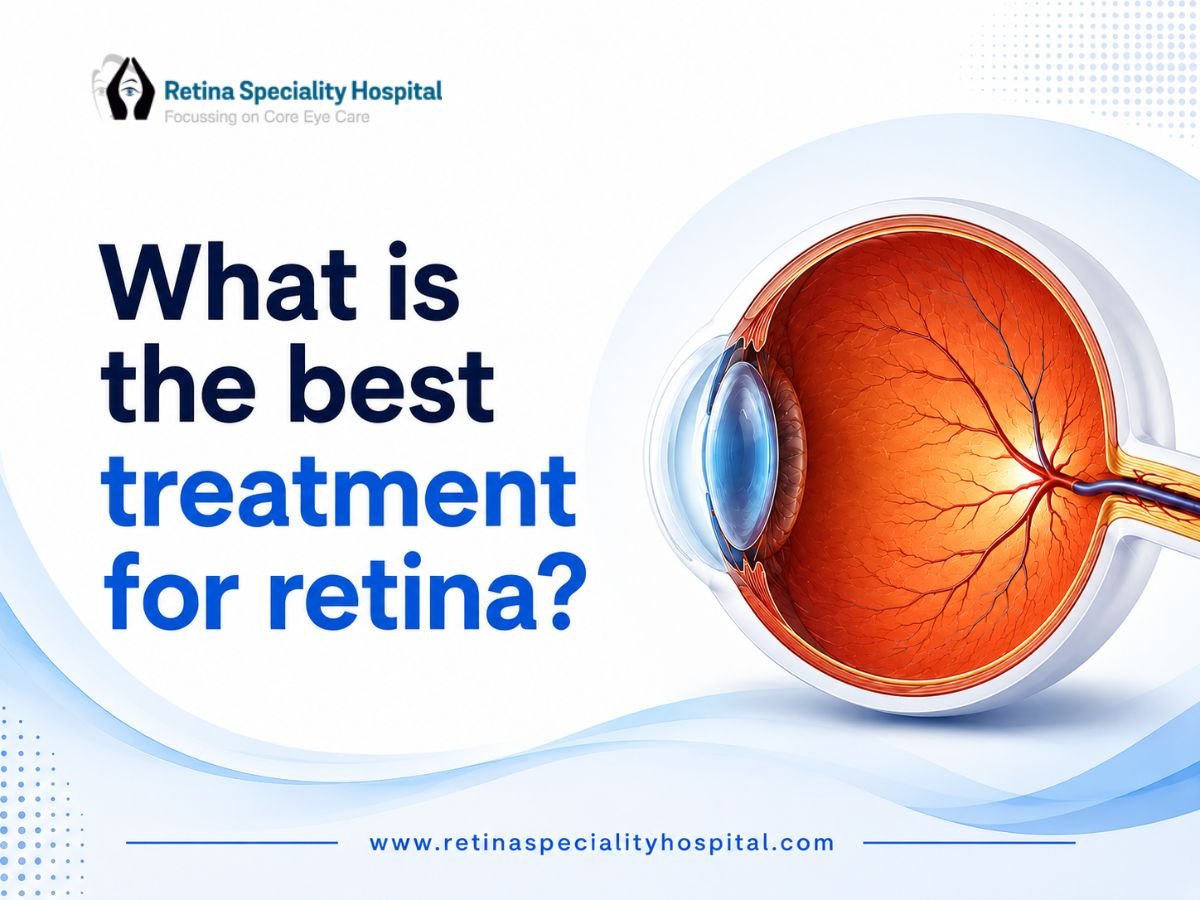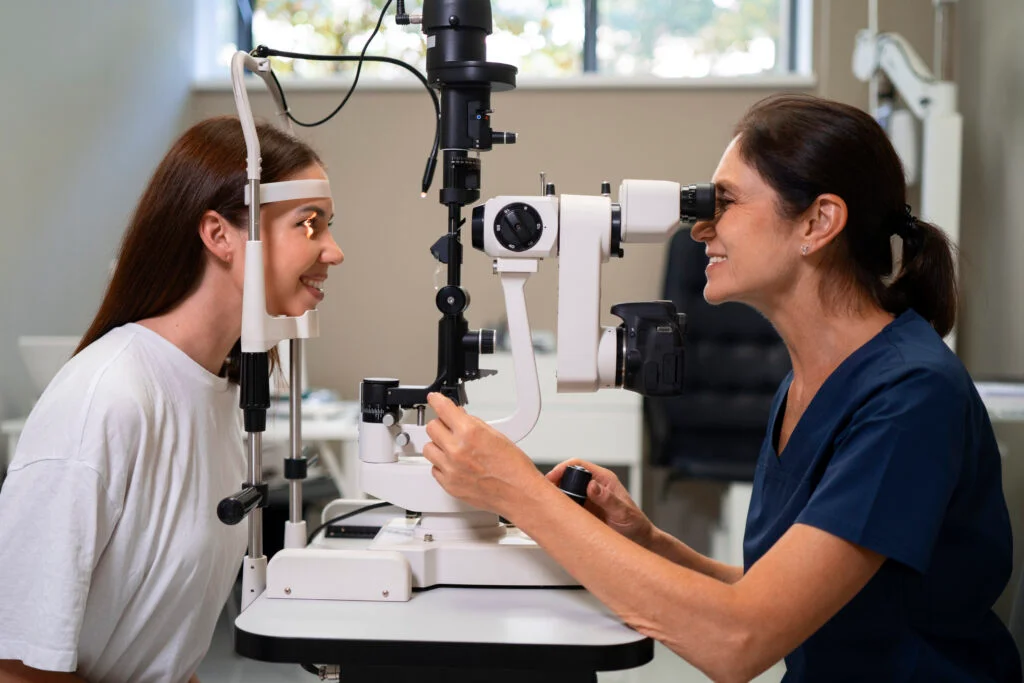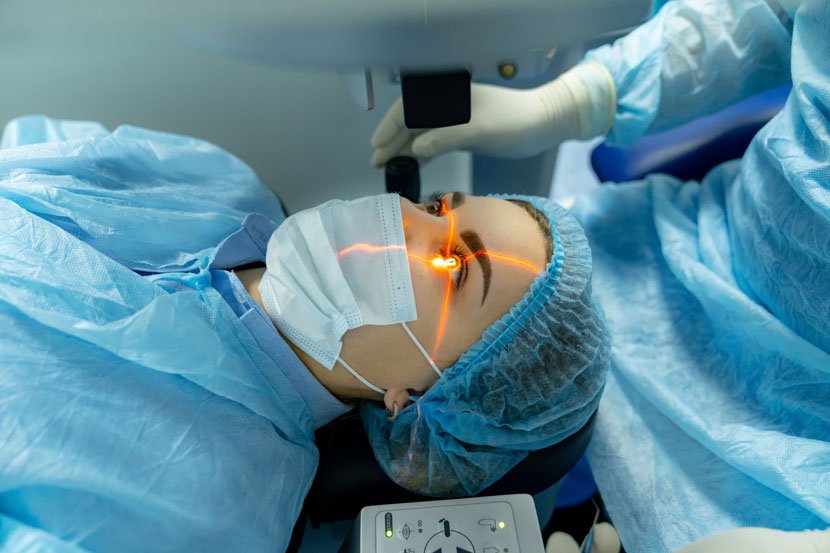








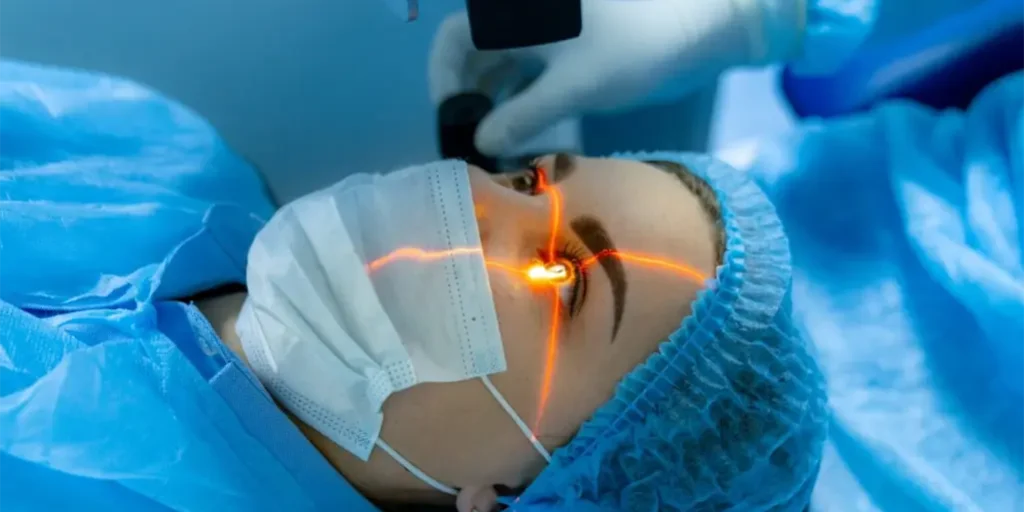
Retinal laser treatment is used to treat problems such as retinal tears, diabetic retinopathy, and weak retinal areas. The procedure uses focused laser light to seal damaged tissue in the retina. This helps stop further damage and protects vision.
After laser treatment in Indore, patients should follow some precautions to help the eye heal properly. The retina is a delicate layer at the back of the eye that plays an important role in vision. Even though the procedure is quick, recovery care is very important.
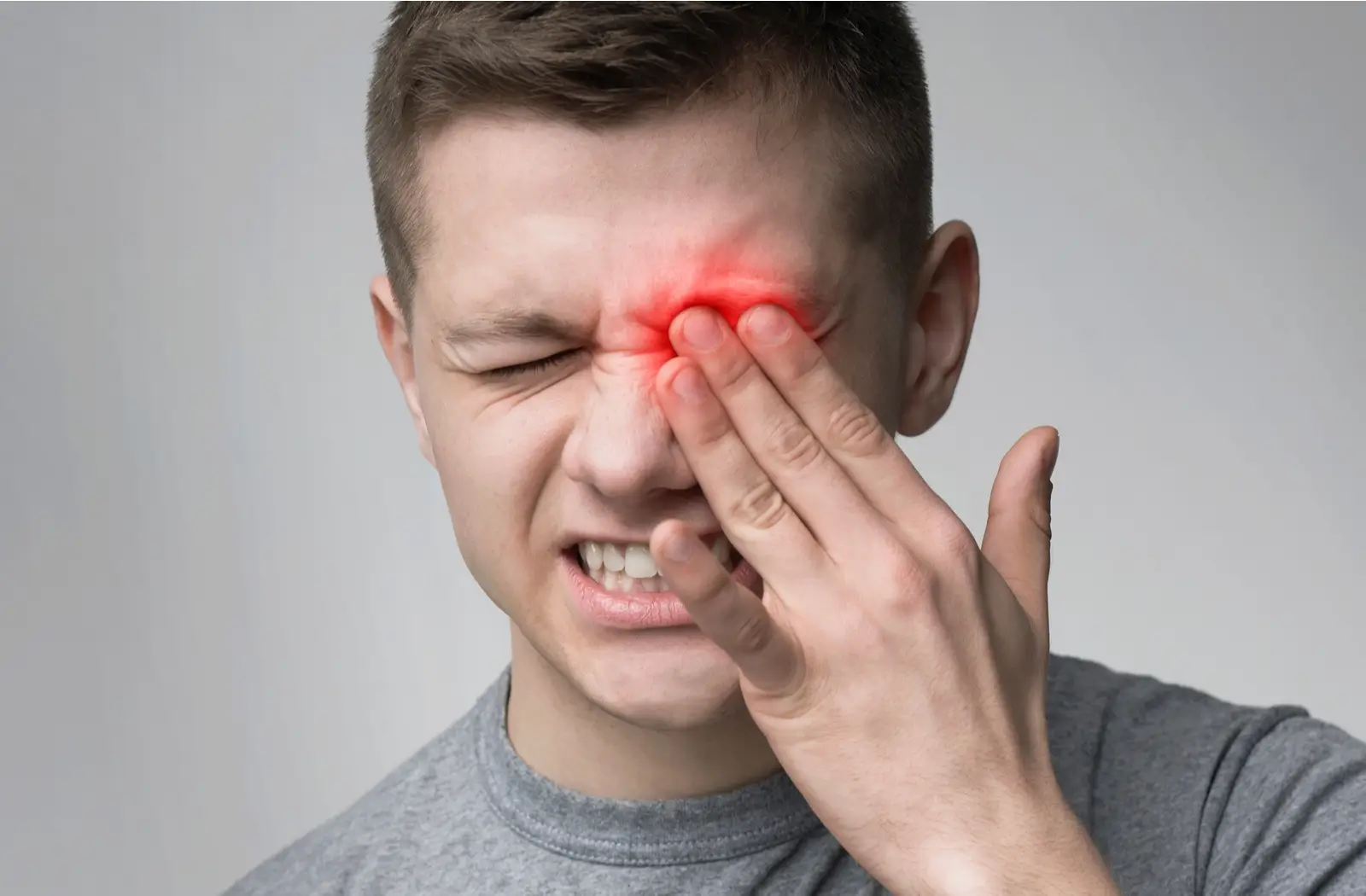
Many people may notice mild discomfort or blurry vision for a short time after treatment. These symptoms usually improve within a few days. Proper care helps the retina heal faster and prevents complications.
Important precautions after retinal laser treatment include:
• Avoid rubbing or touching the eye
• Use prescribed eye drops regularly
• Avoid heavy physical activities
• Protect eyes from dust and bright light
• Attend follow-up eye checkups
Following these precautions helps maintain good eye health and supports the healing process.
Why Precautions Are Important After Retinal Laser Treatment
Retinal laser therapy creates tiny controlled burns on the retina. These burns form scars that help seal retinal tears or stop abnormal blood vessel growth. The treated area needs time to heal properly.
Patients who receive eye treatment in Indore are usually able to go home the same day. However, the healing process continues inside the eye. Taking precautions during this period protects the retina and reduces the risk of complications.
Without proper care, the treated area may experience irritation or delayed healing. That is why doctors recommend following recovery instructions carefully.
Reasons precautions are important include:
• The retina is extremely sensitive
• Healing tissue needs protection
• Eye pressure must remain stable
• Infection risks should be minimized
• Proper care improves treatment success
By following these guidelines, patients can support the natural healing process and protect their vision.
Do’s After Retinal Laser Treatment
After retinal laser therapy, certain healthy habits can help the eye recover faster. These steps are simple but very important for protecting vision.
Patients receiving best retina laser treatment in Indore are usually advised to rest their eyes and follow the treatment plan carefully.
Some helpful practices include:
• Use prescribed eye drops exactly as directed
• Rest your eyes during the first day after treatment
• Wear sunglasses outdoors to protect from bright light
• Maintain proper hygiene around the eyes
• Follow the doctor’s instructions carefully
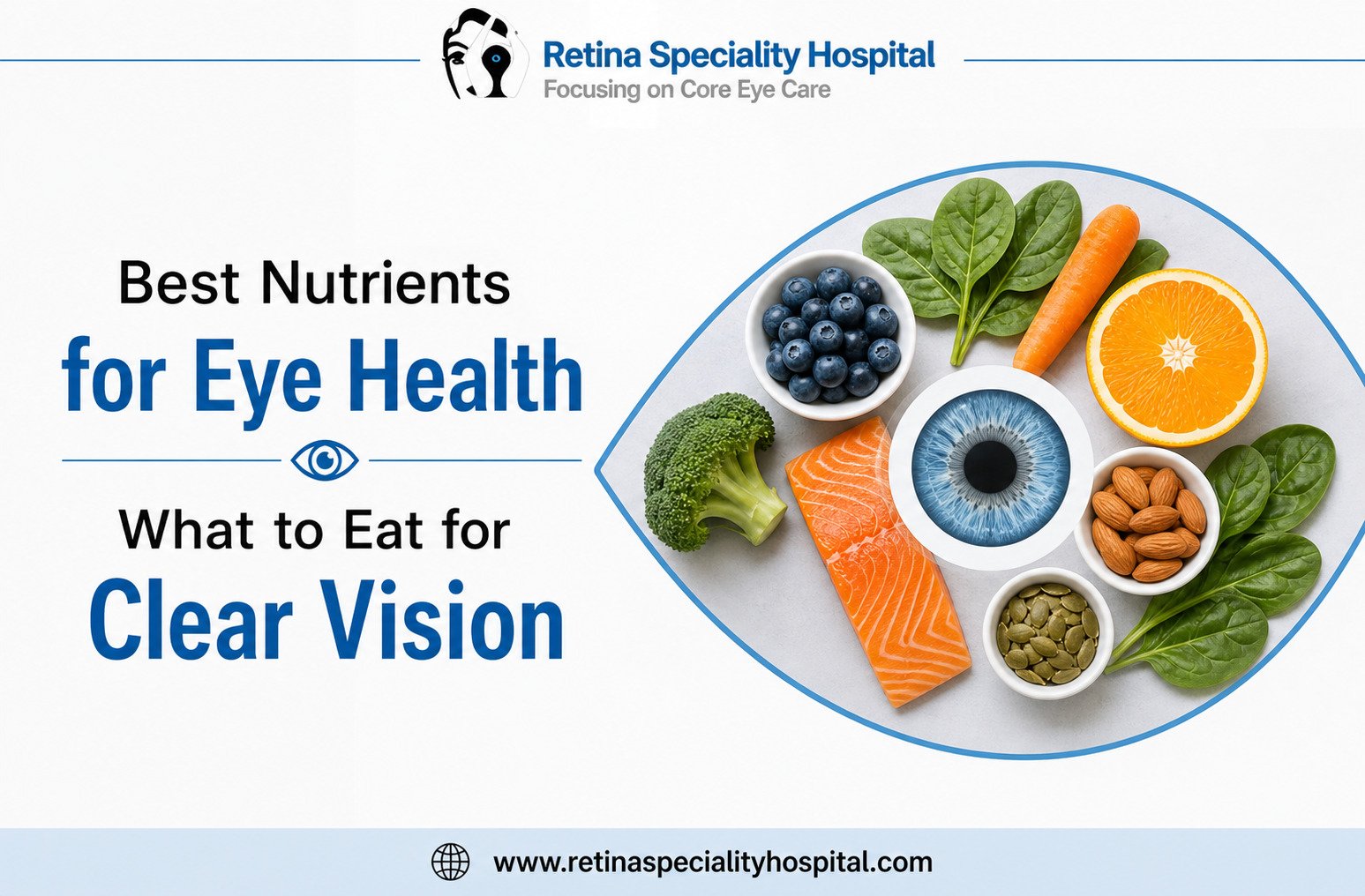
Healthy lifestyle choices also help recovery. Eating nutritious food and staying hydrated can support healing.
Other useful habits include:
• Eat fruits and vegetables rich in vitamins
• Maintain good blood sugar levels
• Sleep properly to support healing
• Avoid smoking or alcohol during recovery
These simple actions support eye healing and improve overall eye health.
What Activities Should Be Avoided After Retinal Laser Surgery
Certain activities can put pressure on the eye and affect the healing retina. For this reason, doctors recommend avoiding specific tasks during the early recovery period.
Patients treated at a top eye hospital in Indore for laser surgery are often advised to take it easy for a few days.
Activities that should be avoided include:
• Rubbing the eyes
• Heavy lifting or intense exercise
• Swimming or exposing eyes to contaminated water
• Using eye makeup immediately after treatment
• Spending long hours on screens
Dusty environments should also be avoided because they can irritate the eyes. Protecting the eyes from pollution and dirt helps prevent infection.
By avoiding these activities, patients give the retina enough time to heal properly.
Recovery Time After Retinal Laser Treatment
Recovery time varies depending on the type of retinal problem treated. Most patients recover quickly and can resume normal activities within a short period.
People often ask how long healing takes after retinal laser treatment precautions are followed correctly. In many cases, mild symptoms disappear within a few days.
Typical recovery timeline includes:
• First 24 hours may include mild discomfort
• Vision may remain slightly blurry for a short time
• Improvement usually begins within a few days
• Full healing often occurs within one to two weeks
Several factors influence recovery speed.
These factors include:
• Overall eye health
• Size of the treated retinal area
• Patient age
• Following doctor instructions carefully
Regular follow-up appointments help monitor healing and ensure the retina remains stable.
Possible Side Effects After Retina Laser Treatment
Retinal laser procedures are generally safe and widely used in eye care. However, some patients may experience mild temporary side effects.
People researching retina laser surgery recovery often worry about these symptoms, but most improve naturally within a short time.
Common temporary symptoms include:
• Mild eye discomfort
• Blurred vision
• Light sensitivity
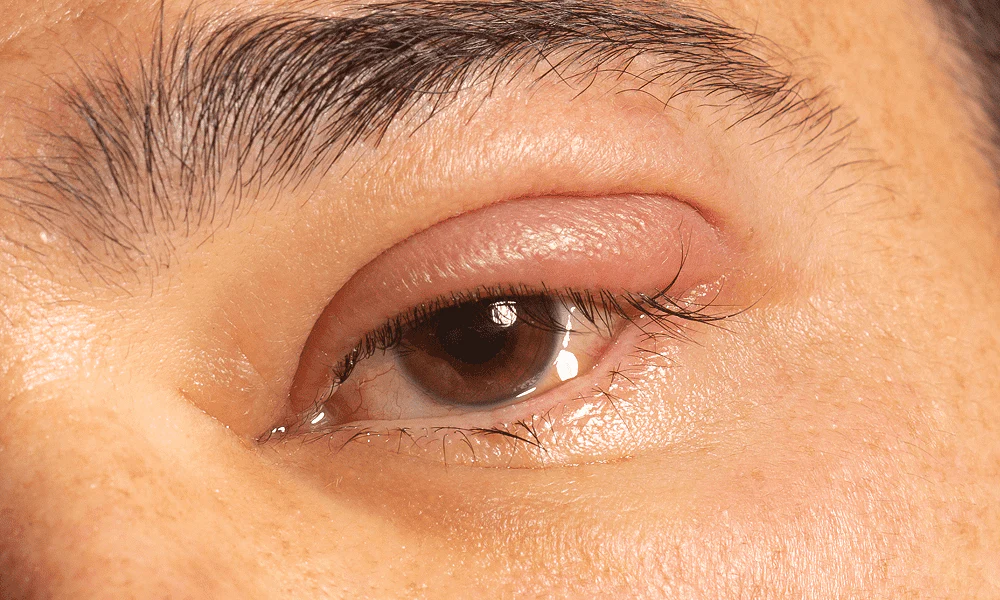
• Redness in the eye
• Small floating spots in vision
These symptoms are usually part of the normal healing process.
However, patients should seek medical help if they notice serious symptoms such as:
• Sudden loss of vision
• Severe eye pain
• Large number of floaters
• Flashes of light
Early medical attention helps prevent complications and protects vision.
Lifestyle Habits That Help Eyes Heal Faster
Healthy habits play an important role in eye recovery after retinal procedures. The body heals better when it receives proper nutrition and rest.
Patients following retina treatment recovery guidelines often experience smoother healing and fewer complications.
Some helpful lifestyle habits include:
- Eating leafy vegetables and fruits
- Drinking enough water
- Sleeping well every night
- Limiting screen exposure
- Protecting eyes from bright sunlight
People with diabetes should also maintain stable blood sugar levels. High blood sugar can affect retinal health and slow healing.
Taking care of overall health supports the eyes and helps maintain long term vision.
FAQs About Laser Treatment
1. What not to do after retinal laser surgery?
Avoid rubbing eyes, heavy lifting, swimming, excessive screen use, dusty environments, and strenuous activities during the early recovery period.
2. What is the recovery time for retinal laser treatment?
Most patients recover within one to two weeks while mild discomfort and blurred vision gradually improve during healing.
3. How to improve vision after retinal surgery?
Follow doctor instructions, use prescribed medications, protect eyes from strain, eat nutritious foods, and attend follow up eye examinations.
4. What are the side effects of laser treatment for retinal tears?
Temporary blurred vision, mild discomfort, redness, light sensitivity, and floaters are common side effects after retinal laser therapy.
5. How long do I have to sleep on my side after retinal surgery?
Sleeping position depends on the specific procedure and your doctor may recommend certain positions for several days.
6. Can I use my phone after retinal surgery?
Limited phone use is allowed after one day but long screen exposure should be avoided during early recovery.
7. How long will my eye hurt after retinal surgery?
Mild discomfort may last one or two days after retinal laser treatment.
8. How to shower after retinal surgery?
Shower carefully while avoiding soap, shampoo, or water entering the treated eye.
9. Should you cover your eyes after retinal surgery?
Doctors may recommend protective eye shields while sleeping to prevent accidental rubbing.
10. How many days should I rest after eye laser treatment?
Most patients should rest for one to two days and avoid strenuous activities for about a week.
Conclusion
Retinal laser treatment is a safe and effective method used to treat several retinal conditions. Although the procedure itself is quick and minimally invasive, the recovery period plays a very important role in achieving successful results.
Following proper precautions helps protect the retina and supports natural healing. Patients should rest their eyes, avoid heavy activities, and use prescribed medications regularly. Protecting the eyes from dust, bright light, and excessive screen time also helps prevent irritation during recovery.
Regular follow up eye examinations are necessary to monitor healing and ensure that the retina remains stable. Maintaining healthy habits such as proper nutrition, good sleep, and controlled blood sugar levels can also support recovery.
By following medical advice and taking simple precautions, most patients recover smoothly after retinal laser therapy and maintain stable vision for the future.