







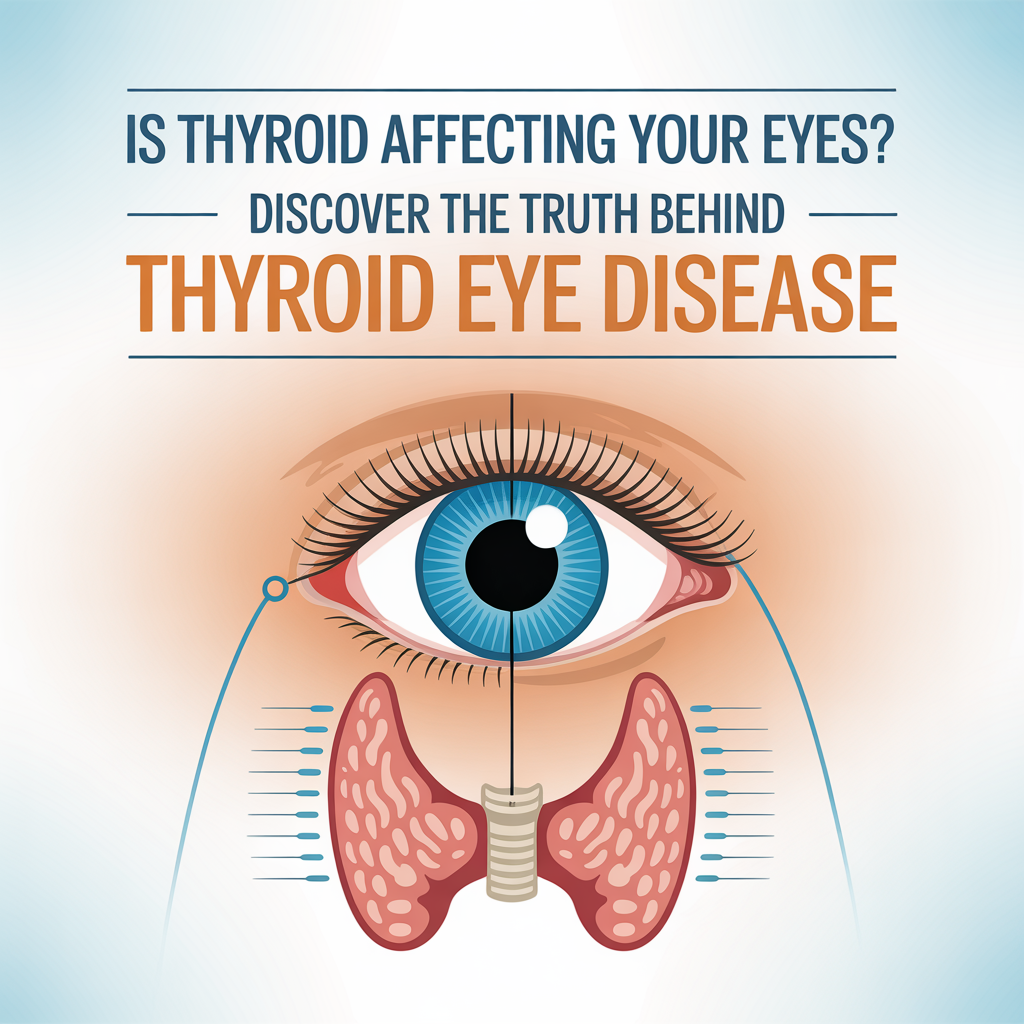
Thyroid eye disease (TED) is an autoimmune disease with a strong association with thyroid disease, especially Graves’ disease. When the immune system attacks the thyroid tissue, it can also attack the muscles and fatty tissues around the eyes, causing inflammation, swelling, and in extreme cases, vision problems.
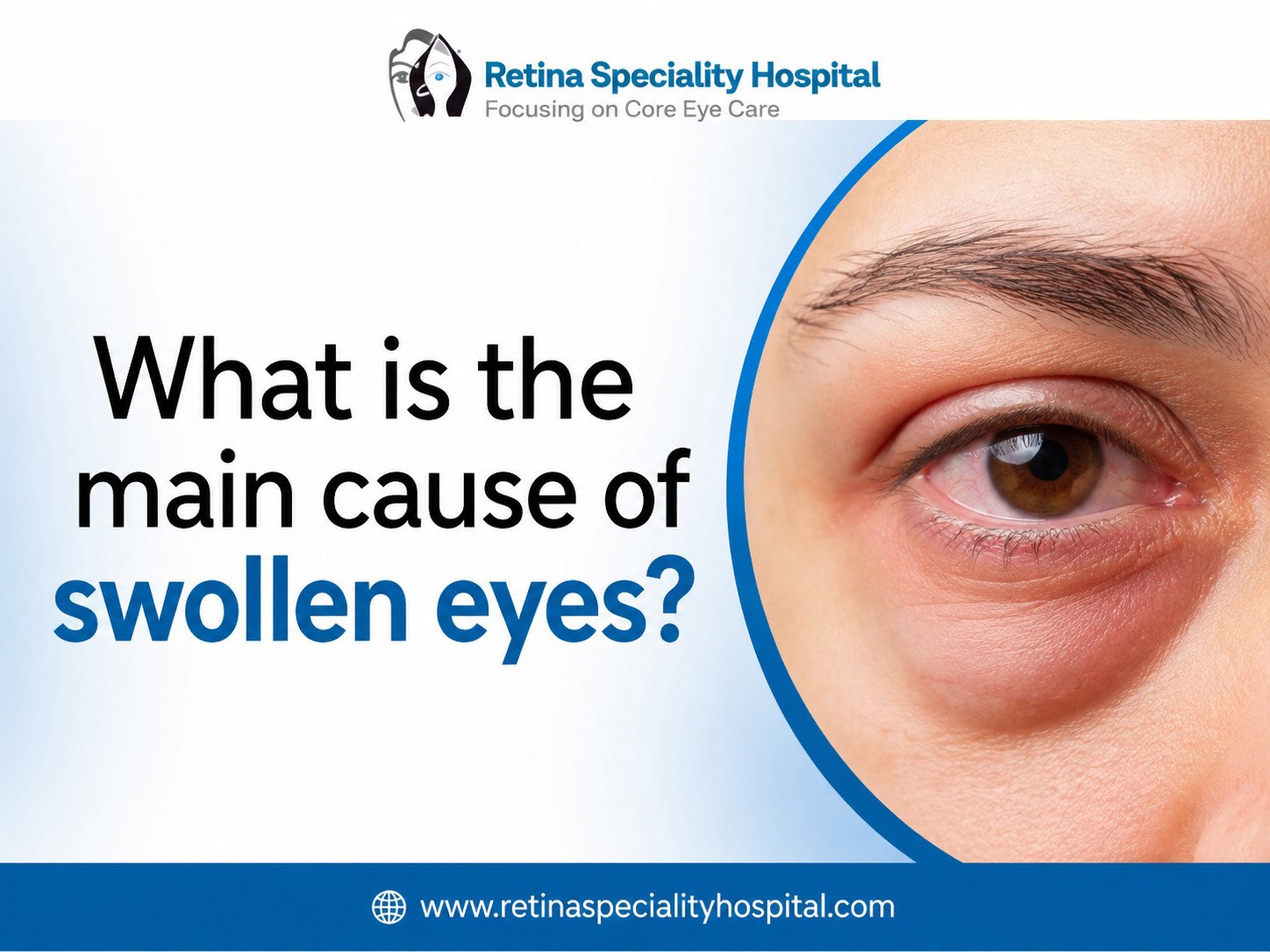
Typical symptoms include bulging eyes (proptosis), double vision, dry or watery eyes, redness and difficulty closing the eyelids completely. A lot of patients are surprised to learn that their eye discomfort is directly related to their thyroid health.
The condition usually has two phases, an active inflammatory phase followed by a stable phase. The key is early diagnosis, since with prompt treatment, permanent damage can be prevented. Individuals looking for Eye Treatment in Indore should seek the help of specialists who understand the link between thyroid and eyes. The management of TED should be a joint effort between endocrinologists and ophthalmologists.
Treatment ranges from lubricating eye drops and steroids to orbital decompression surgery for advanced cases. Lifestyle changes such as quitting smoking greatly reduce severity, since smoking is a major risk factor.
If you experience any changes in the appearance of your eyes along with thyroid symptoms, don’t ignore them. Timely Diagnosis and specialised Eye Treatment in Indore can save your vision and quality of life.
What Is Thyroid Eye Disease? A Clear Explanation
Thyroid Eye Disease (TED) is an autoimmune condition in which the body’s immune system attacks the muscles and tissues around the eyes. It is commonly associated with thyroid disorders, especially hyperthyroidism or Graves’ disease.
Key Points About Thyroid Eye Disease
- TED often starts with mild irritation and dryness.
- It may worsen if left untreated, affecting eye movement and vision.
- Early diagnosis can prevent long-term eye damage.
TED is not just a cosmetic issue; it is a medical condition that requires expert evaluation from specialists at the Indore best eye hospital.
Early Symptoms of Thyroid Eye Disease You Should Not Ignore
Recognizing symptoms early is essential for timely treatment. Here are the warning signs:
Common Symptoms
- Red or puffy eyes
- A feeling of pressure behind the eyes
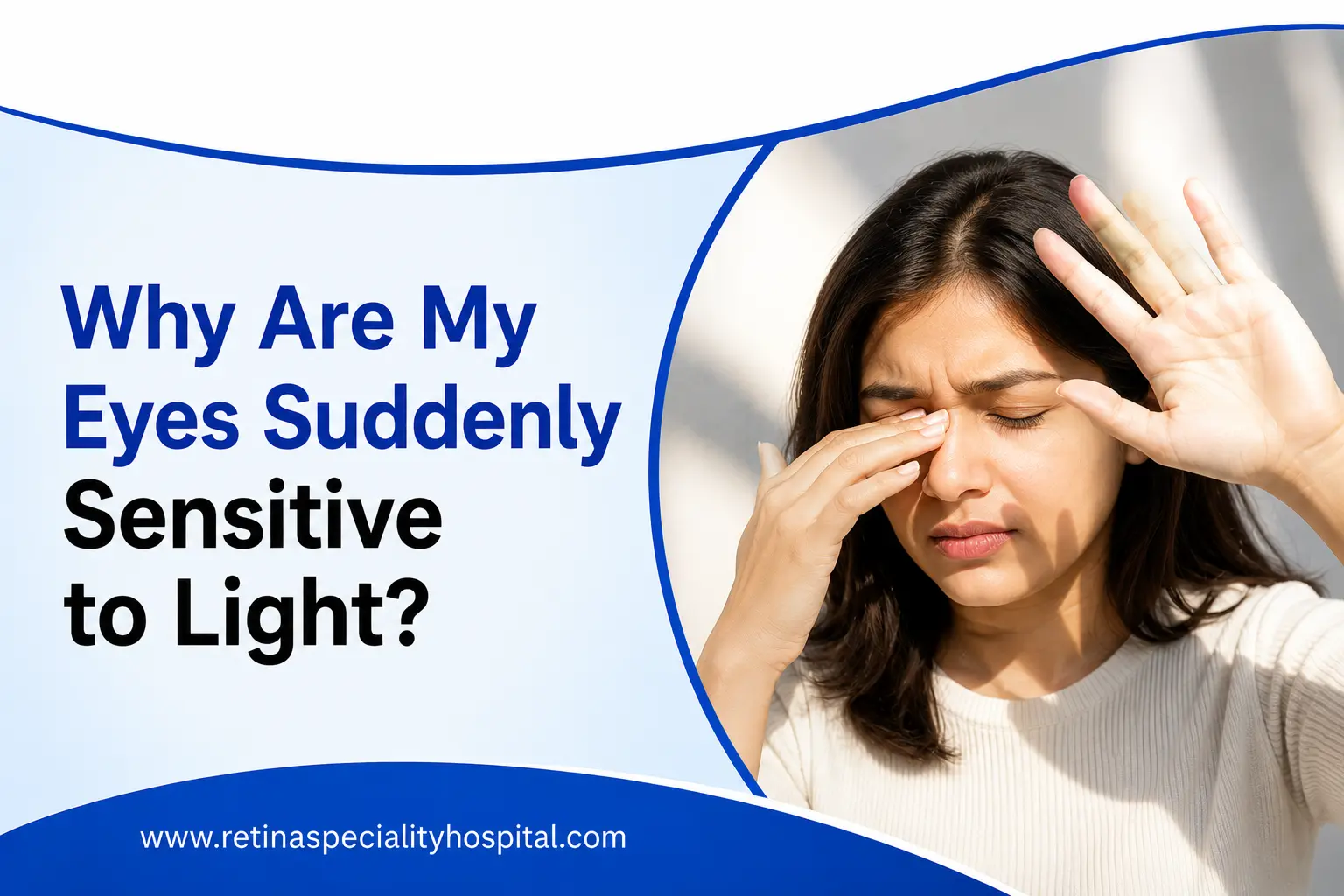
- Sensitivity to light
- Bulging of the eyes (proptosis)
- Double vision
- Dry eyes or excessive watering
If you relate to these symptoms, it is important to book an appointment with an eye retina specialist near me to understand whether the cause is Thyroid Eye Disease or another eye condition.
How Thyroid Eye Disease Affects Your Daily Life
Thyroid Eye Disease can affect much more than your appearance. It impacts your routine, comfort, and emotional well-being.
Daily Challenges TED Can Create
- Difficulty reading or working on screens
- Strain while driving due to double vision
- Headaches caused by constant eye pressure
- Trouble closing eyes completely during sleep
- Increased risk of corneal damage due to dryness
Seeking timely help at the best eye hospital in Indore can reduce these challenges and protect your vision.
Why Thyroid Eye Disease Happens: The Science Made Simple
Many patients feel confused about why their thyroid condition affects their eyes. The reason is the body’s immune system mistakenly attacks the soft tissues around your eyes.
How TED Develops
- Overactive immune response causes swelling in the eye muscles
- Tissues become inflamed, pushing the eyes forward
- The eyelids tighten
- Eye movement becomes difficult
Understanding these changes helps you take preventive actions early by consulting experts at the Indore best eye hospital.
Thyroid Eye Disease Diagnosis: What to Expect
If you experience symptoms, the next step is proper diagnosis. An eye retina specialist near me will use advanced tests to check the severity of TED.
Common Diagnostic Steps
- Visual acuity test
- Eye movement evaluation
- Exophthalmometry to measure eye bulging
- Imaging tests like CT or MRI for detailed insights
- Slit-lamp examination
Choosing the best eye hospital in Indore ensures you get accurate results with advanced technology.
Thyroid Eye Disease Treatment Options You Should Explore
Treatment for TED depends on its severity and how early it is detected. Here are the most effective solutions:
Medical Treatments
- Eye drops and lubricants for dryness
- Steroid medications to reduce inflammation
- Medications to stabilize thyroid hormone levels
Advanced Treatments
- Special injections to reduce swelling
- Radiation therapy for severe cases
Surgical Treatments (If Necessary)
- Orbital decompression surgery
- Eyelid correction
- Eye muscle surgery
Experts at the Indore best eye hospital recommend treatment based on the stage of your Thyroid Eye Disease.
Lifestyle Tips to Manage Thyroid Eye Disease at Home
While medical treatment is essential, daily care helps relieve discomfort.
Useful Tips
- Use lubricating eye drops regularly
- Sleep with your head elevated to reduce swelling
- Wear sunglasses to protect from light sensitivity
- Quit smoking, as it worsens TED
- Follow your thyroid medication schedule properly
Combine these tips with guidance from an eye retina specialist near me for best results.
Why Timely Treatment of Thyroid Eye Disease Is Critical
Ignoring Thyroid Eye Disease may cause long-term problems.
Possible Complications
- Permanent double vision
- Severe dryness leading to corneal ulcers
- Vision loss in extreme cases
- Significant cosmetic changes
Early evaluation at the best eye hospital in Indore prevents complications and improves treatment success.
Choosing the Right Specialist for Thyroid Eye Disease in Indore
When dealing with a sensitive condition like TED, selecting the right eye specialist is crucial.
What to Look For
- Experience in handling Thyroid Eye Disease
- Availability of modern diagnostic equipment
- Expert retina and oculoplastic surgeons
- Comprehensive treatment options
- Strong patient reviews and results
Visiting the Indore best eye hospital ensures your vision and eye health are in safe hands.
FAQs on Thyroid Eye Disease
1. Can thyroid disease really affect your eyes?
Yes, thyroid disease, especially Graves’ disease can cause Thyroid Eye Disease, an autoimmune condition where the immune system attacks eye tissues, leading to inflammation, bulging eyes, and vision disturbances.
2. What are the first signs of Thyroid Eye Disease?
Early signs include dry or irritated eyes, puffiness around the eyelids, increased sensitivity to light, and a noticeable change in eye appearance such as a wide-eyed or staring look.
3. Is Thyroid Eye Disease permanent?
Not always. With early diagnosis and proper treatment, many symptoms improve. However, without timely care, some changes like proptosis or double vision may become permanent and require surgical correction.
4. Can hypothyroidism cause eye problems?
Hypothyroidism can cause mild eye symptoms such as puffiness or dryness, but Thyroid Eye Disease is more commonly associated with hyperthyroidism, particularly Graves’ disease.
5. How is Thyroid Eye Disease diagnosed?
Diagnosis involves blood tests to assess thyroid function, clinical eye examination, and imaging such as MRI or CT scan to evaluate the extent of inflammation in the orbital tissues.
6. Does treating thyroid disease cure eye problems?
Treating the thyroid condition helps stabilize TED but does not always resolve eye symptoms. Separate eye-specific treatment is often necessary to manage inflammation and structural changes.
7. What triggers Thyroid Eye Disease to worsen?
Smoking is the biggest risk factor. Poorly controlled thyroid levels, radioactive iodine therapy, and delayed treatment can also trigger or worsen the condition significantly.
8. Can Thyroid Eye Disease cause blindness?
In rare, severe cases, TED can compress the optic nerve, leading to vision loss. Seeking prompt medical attention is essential to prevent this serious complication.
9. What treatments are available for Thyroid Eye Disease?
Treatment includes lubricating drops, oral or IV steroids, selenium supplements, immunosuppressive therapy, and in advanced cases, orbital decompression or eyelid surgery.
10. When should I see a doctor for thyroid-related eye symptoms?
Consult a doctor immediately if you notice bulging eyes, double vision, eye pain, or redness alongside thyroid symptoms. Early intervention greatly improves outcomes and prevents long-term damage.
Conclusion: Take Charge of Your Eye Health Today
Thyroid Eye Disease can be challenging, but the good news is that early diagnosis and the right treatment can protect your vision. If you notice any symptoms, do not delay. Seek expert guidance from the best eye hospital in Indore or consult an eye retina specialist near me for personalized care. Your eye health matters, and taking the first step today can save your sight tomorrow.