








Keratoconus is a progressive eye disease that causes the cornea to thin and bulge outward. In recent years there have been some amazing advances in the treatment of keratoconus. Those looking for Eye Treatment in Indore can understand these innovations to make better decisions.
Corneal Crosslinking (CXL) is still the gold standard to stop progression but accelerated protocols dramatically reduce procedure time. Topography-guided PRK combined with CXL has become a powerful combination where vision and corneal stability are improved simultaneously.
Custom scleral lenses have changed the game for moderate to advanced cases, providing people with better vision and a more comfortable daily experience compared to the old rigid lenses. Meanwhile, the INTACS corneal ring segments are evolving, with newer designs producing more predictable outcomes.
The most exciting frontier, perhaps, is regenerative therapy. Early clinical trials are showing that stromal cell transplantation and bioengineered corneal implants may provide alternatives to full corneal transplantation.The now driven topography mapping enables earlier detection to allow intervention before significant vision loss.
Keratoconus Treatment in 2025: Understanding the Latest Options
Keratoconus occurs when the cornea becomes thinner and bulges into a cone-like shape, causing distorted vision. Modern Keratoconus Treatment now focuses on early diagnosis, advanced imaging, and minimally invasive procedures.
Key Advancements in Keratoconus Treatment in Indore
- Faster and more accurate mapping with advanced topography
- Improved corneal stability through modern cross-linking techniques
- Customized lenses for sharper vision
- Better comfort and shorter recovery times
These advancements make treatment smoother and more reliable, especially for patients searching for an eye retina specialist near me.
Next-Generation Corneal Cross-Linking for Keratoconus Treatment
Corneal Cross-Linking (CXL) remains the most trusted option for stopping keratoconus progression. In 2025, the procedure has become faster and less painful.
How Advanced Cross-Linking Works
- Uses controlled ultraviolet light and riboflavin drops
- Strengthens collagen fibers in the cornea
- Prevents further bulging
- Offers long-term corneal stability
Benefits of Modern Cross-Linking
- Reduced procedure time
- Quicker healing
- Improved vision stabilization
- Lower chance of complications
Patients looking for the Best Doctors for Keratoconus Treatment in Indore prefer advanced CXL due to its safety and predictable results.
Customized Contact Lenses in Keratoconus Treatment
Personalized lenses are a major upgrade in Keratoconus Treatment this year. From hybrid lenses to scleral lenses, these solutions offer clearer and more comfortable vision.
Types of Lenses Used in 2025
- Scleral Lenses: Ideal for advanced cases; rest on the sclera, not the cornea
- Hybrid Lenses: Combine the comfort of soft lenses with the clarity of rigid lenses
- Custom Soft Lenses: Designed for mild keratoconus
Benefits for Patients
- Sharp vision even in low lighting
- Less irritation and dryness
- Stable fit with long daily wear time
These lenses make everyday activities like driving, reading, and screen use much easier.
Corneal Transplant Updates in Keratoconus Treatment
In rare cases where vision cannot be corrected with lenses or cross-linking, a corneal transplant may be suggested.
2025 Improvements in Transplant Techniques
- Minimally invasive partial transplants
- Faster healing with reduced sutures
- Higher success rates
- Improved post-surgery visual outcomes
These advancements have made transplants more comfortable, with quicker return to daily life—especially when performed at the best eye hospital in Indore.
Based Diagnostics in 2025 for Keratoconus Treatment
Artificial intelligence plays a major role in diagnosing keratoconus early and accurately.
How AI Helps
- Detects corneal thinning at early stages
- Predicts disease progression
- Helps doctors customize treatment plans
- Enhances accuracy in topography reports
This technology ensures that patients receive timely treatment, reducing the need for complex procedures later.
Why Indore Is a Leading Hub for Keratoconus Treatment in 2025
Indore has emerged as a trusted center for advanced eye care because of its modern facilities, skilled retina and cornea specialists, and world-class diagnostic systems.
Reasons Patients Choose Indore
- Access to state-of-the-art machines
- International-standard surgical techniques
- Affordable treatment options
- Experienced ophthalmologists
Those searching for an eye retina specialist near me often find excellent care in Indore, especially for conditions like keratoconus.
Choosing the Best Doctors for Keratoconus Treatment in Indore
Finding the right specialist ensures safe, accurate, and long-lasting results.
What to Look For
- Experience with advanced keratoconus cases
- Use of modern machines like Pentacam and OCT
- Expertise in corneal cross-linking and scleral lenses
- Transparent consultation and patient education
Selecting the Best Doctors for Keratoconus Treatment in Indore guarantees better outcomes and more comfortable care.
Lifestyle Tips That Support Keratoconus Treatment in 2025
Along with medical care, daily habits also help protect and improve your vision.
Simple Changes That Make a Big Difference
- Avoid rubbing your eyes
- Use prescribed lubricating drops
- Wear UV-protected sunglasses outdoors
- Follow lens hygiene and replacement schedule
- Attend regular check-ups
Small steps help maintain corneal health and treatment benefits for the long term.
Frequently Asked Questions About Keratoconus
1. What is keratoconus and what causes it?
Keratoconus is a progressive corneal disorder where the cornea gradually thins and takes a cone-like shape, causing blurred and distorted vision. Its exact cause involves genetic factors, chronic eye rubbing, and oxidative stress. It typically appears during teenage years and progresses through early adulthood.
2. Can keratoconus be cured completely?
There is currently no complete cure for keratoconus. However, treatments like corneal cross-linking can halt its progression effectively. Advanced cases may require corneal transplants. With early diagnosis and proper management, most patients maintain functional vision and lead a normal, comfortable life.
3. Is corneal cross-linking a permanent solution?
Corneal cross-linking is highly effective at permanently halting keratoconus progression in most patients. Studies show long-term stabilization lasting over a decade. While it stops worsening, it doesn’t fully restore corneal shape. Additional procedures like scleral lenses or PRK may still be needed afterward.
4. What are the early signs of keratoconus?
Early signs include increasing nearsightedness, frequent prescription changes, blurred or distorted vision, sensitivity to light, and glare at night. Many patients notice halos around lights. A proper eye examination with corneal topography is essential for accurate early diagnosis before significant vision loss develops.
5. At what age does keratoconus typically start?
Keratoconus most commonly begins in the late teenage years, typically between 10 and 25 years of age. It tends to progress through the 20s and 30s, then often stabilizes around age 40. Early detection during adolescence allows timely intervention and significantly better long-term outcomes for patients.
6. Can glasses or contact lenses correct keratoconus vision?
In early stages, glasses or soft contact lenses can correct mild vision distortion. As the condition advances, rigid gas-permeable or specialized scleral contact lenses become necessary. Glasses eventually become insufficient for advanced keratoconus because the irregular corneal surface cannot be corrected with standard lenses.
7. Is keratoconus surgery painful?
Most keratoconus procedures, including cross-linking and INTACS insertion, involve minimal discomfort. Numbing eye drops are used during the procedure. Patients may experience mild irritation, light sensitivity, or temporary blurred vision during recovery. Scleral lens fitting is entirely non-surgical and painless, making it a preferred option for many.
8. Can keratoconus lead to blindness?
Keratoconus rarely causes complete blindness, but it can severely impair vision if left untreated. In advanced cases, corneal scarring may develop, requiring a transplant. With modern treatments, the vast majority of patients maintain adequate functional vision throughout their lives when diagnosed and managed appropriately.
9. Is keratoconus hereditary or genetic?
Keratoconus has a known genetic component. Approximately 10% of patients have a family history of the condition. If a parent or sibling has keratoconus, regular corneal screenings are strongly recommended. However, many cases arise without any family history, suggesting both genetic and environmental contributing factors.
10. How is keratoconus diagnosed?
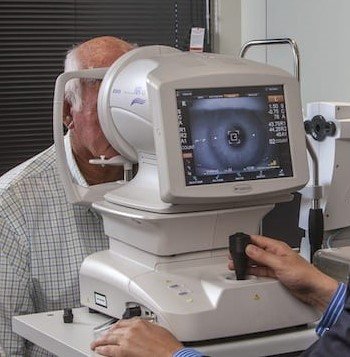
Keratoconus is diagnosed through comprehensive eye exams including corneal topography, tomography, and pachymetry, which measure corneal shape, curvature, and thickness. Modern AI-assisted imaging can detect subtle early changes. Regular screenings are advised for those with risk factors like family history or habitual eye rubbing.
Conclusion
Keratoconus no longer has to limit your life. With the latest advancements in Keratoconus Treatment, you can enjoy clearer vision, stable results, and a more comfortable daily routine. Whether you’re searching for the best eye hospital in Indore, the Best Doctors for Keratoconus Treatment in Indore, or an eye retina specialist near me, modern eye care is now more accessible and effective than ever. If you’re ready to take the next step, contact your nearest specialist and begin your journey to better vision today.