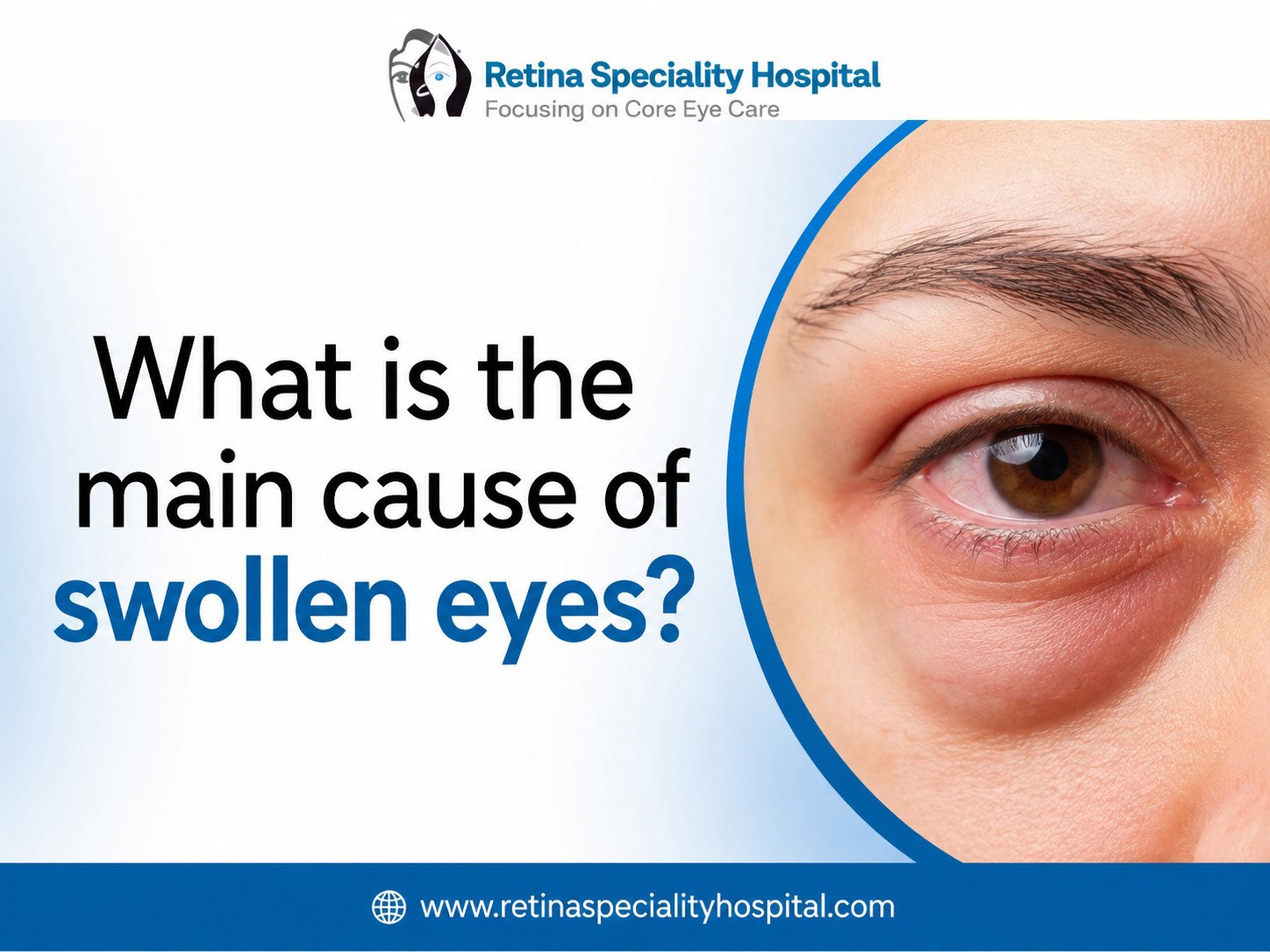









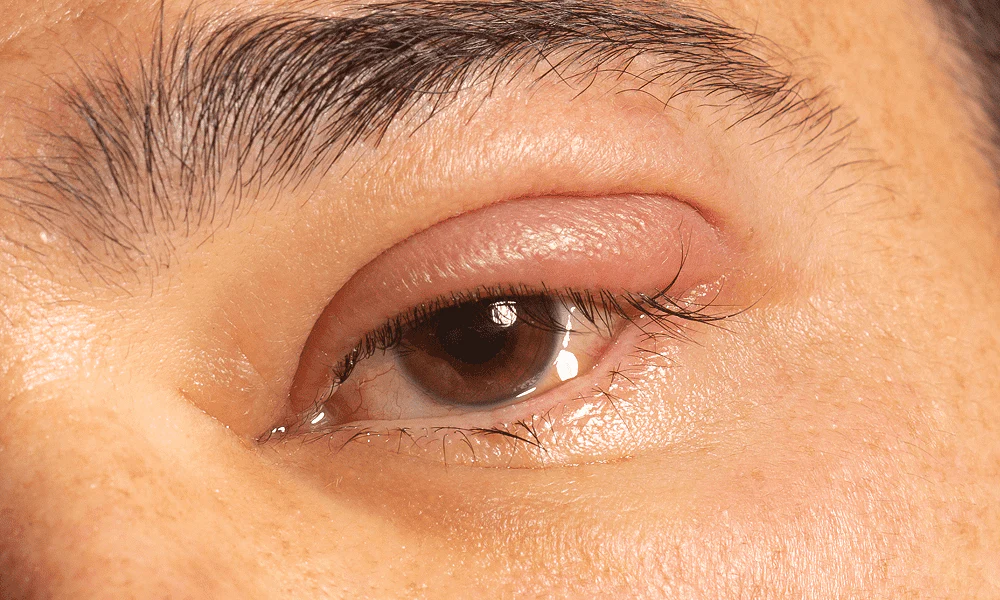
Swollen eyes affect millions of people every year across India. According to a 2023 report by the All India Ophthalmological Society, eye inflammation and allergic reactions account for nearly 30% of all outpatient eye visits in urban clinics. Puffiness around the eyes can result from something as simple as a poor night’s sleep or as serious as an underlying retinal or systemic condition. Patients who visit our clinic for eye treatment in Indore regularly ask how to identify the cause and treat it effectively at home and professionally. This guide covers everything you need to know about swollen eyes treatment, from home remedies to when you must see a top eye doctor in Indore immediately.
Understanding why your eyes swell is the first step toward the right treatment. The cause determines whether home care is enough or whether professional eye surgery in Indore or medical intervention is required.
What Are the Reasons for Swollen Eyes? Understanding Causes Before Treatment
Swollen eyes are a symptom, not a condition on their own. The cause behind the swelling determines the correct treatment path. Here are the most common reasons eyes become swollen and puffy.
- Allergies – Pollen, dust, pet dander, and certain eye drops trigger allergic eye swelling relief needs in many patients.
- Fluid retention – High salt intake, hormonal changes, and poor sleep cause fluid retention under eyes that appears as morning puffiness.
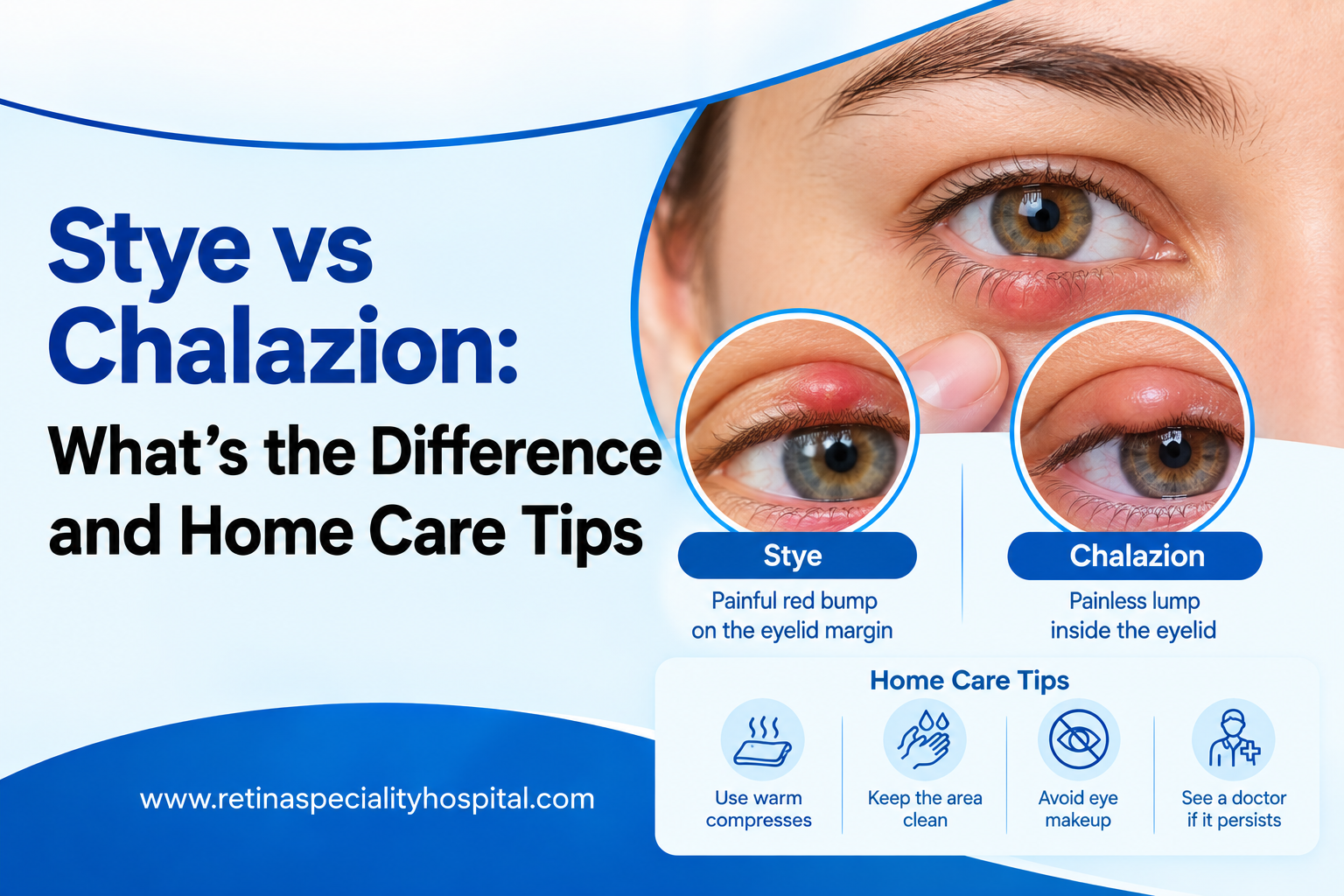
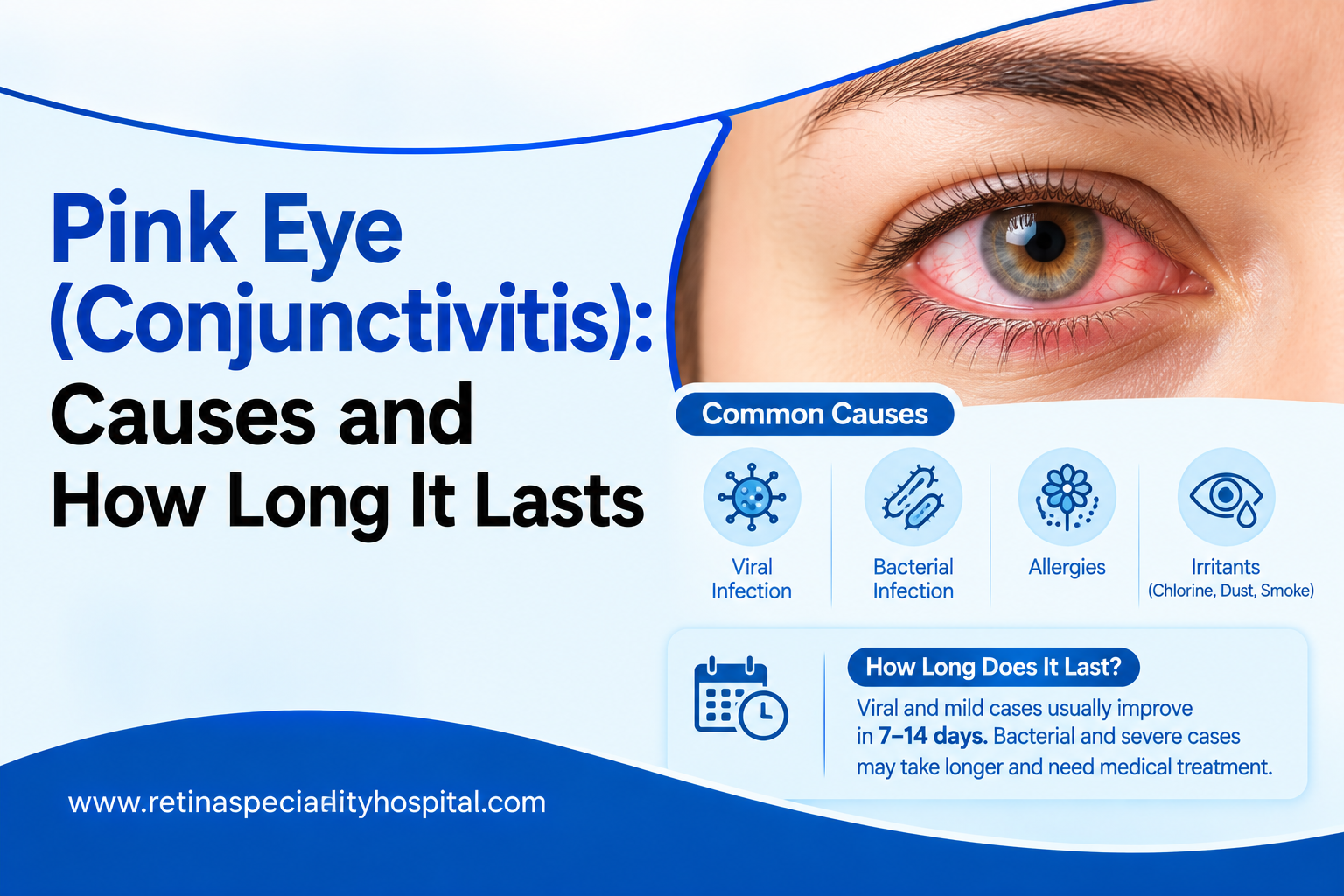
- Eye infections – Conjunctivitis and styes cause localized swelling along with redness and discharge.
- Crying – Increased blood flow and salt in tears draw fluid to the eye area and cause temporary puffiness.
- Injury or trauma – Direct impact causes immediate swelling that needs prompt assessment by a top eye surgeon in Indore.
- Thyroid conditions – Graves disease causes chronic eye bulging and puffiness that requires specialist care.
- Blocked tear ducts – Prevent normal drainage and lead to persistent under eye swelling causes that worsen over time.
Identifying the correct cause is essential before starting any treatment. A wrong approach can worsen inflammation rather than resolve it.
Can Swollen Eyes Be Treated at Home?
Yes, mild swelling from allergies, poor sleep, or fluid retention can be safely treated at home. Home treatment works best when the cause is not related to an infection, injury, or underlying eye disease.
The most effective home strategies for puffy eyes remedies include the following steps. Apply a cold compress for eyes for 10 minutes to constrict blood vessels and reduce swelling. Sleep with your head slightly elevated to prevent fluid pooling around the eyes overnight. Drink more water to flush out excess sodium that contributes to fluid retention under eyes.
Avoid rubbing your eyes, as this worsens inflammation and can introduce bacteria. Use preservative-free eye drops to soothe eye irritation and inflammation caused by dryness or mild allergic reactions.
Do Cold Compresses Reduce Swelling?
Cold compress for eyes is one of the most proven and fastest methods to reduce swelling. Cold temperature causes blood vessels to constrict, which immediately reduces the flow of fluid into the surrounding eye tissue.
Use a clean cloth soaked in cold water or a bag of chilled cucumber slices. Apply gently over closed eyes for 10 to 15 minutes. Never apply ice directly to the skin around the eye, as this can cause tissue damage and worsen inflammation.
For patients recovering from procedures at our advanced eye treatment in Indore clinic, cold compresses are a standard post-care recommendation to manage post-operative swelling effectively.
Are Eye Drops Effective for Swollen Eyes?
Eye drops are highly effective for specific types of swollen eyes, particularly those caused by allergies, dryness, or mild infections. The right type of drop depends entirely on the cause of the swelling.
- Antihistamine eye drops – Relieve allergic eye swelling relief by blocking histamine receptors in the eye tissue.
- Decongestant eye drops – Reduce redness and swelling caused by irritants and mild inflammation quickly.
- Lubricating eye drops – Address dryness-related puffiness and eye irritation and inflammation without medication.
- Steroid eye drops – Used for more serious inflammation but only under the supervision of a top eye doctor in Indore.
- Antibiotic eye drops – Required when swelling is caused by a bacterial infection such as conjunctivitis or a stye.
Never self-prescribe steroid or antibiotic drops. These require a proper diagnosis from a qualified eye specialist to avoid complications.
When Should I See a Doctor for Swollen Eyes?
Not all swollen eyes are safe to treat at home. Some symptoms indicate a serious underlying condition that requires urgent professional attention from a top eye surgeon in Indore. See a doctor immediately if you notice any of these warning signs.
- Swelling that affects only one eye suddenly and severely.
- Pain inside the eye rather than just surface discomfort or irritation.
- Vision changes including blurring, double vision, or reduced field of sight.
- Swelling accompanied by fever, severe headache, or neck stiffness.
- Discharge that is yellow, green, or thick in consistency.
- Swelling that does not improve after 48 hours of home treatment.
These symptoms can indicate serious conditions including orbital cellulitis, acute glaucoma, or retinal involvement that needs immediate eye treatment in Indore.
| Cause | Key Symptom | Home Treatment | When to See Doctor |
| Allergies | Itching, watering, bilateral puffiness | Antihistamine drops, cold compress | If no relief in 48 hours |
| Poor sleep | Morning puffiness, both eyes | Elevation, hydration, cold compress | Not needed usually |
| Infection (conjunctivitis) | Redness, discharge, crusting | Clean with warm water only | See doctor immediately |
| Fluid retention | Soft puffiness, worse in morning | Reduce salt, increase water intake | If persistent beyond 1 week |
| Injury or trauma | Sudden swelling, bruising, pain | Cold compress only | See doctor same day |
| Thyroid disease | Bulging, chronic swelling | No home treatment effective | See specialist urgently |
| Blocked tear duct | Persistent watering and swelling | Warm compress, gentle massage | If not resolved in 2 weeks |
How to Prevent Eye Swelling?
Prevention is more effective than treatment. Simple daily habits significantly reduce the frequency and severity of eye care for puffiness needs. Here are the most effective preventive steps recommended by our specialists.
- Reduce your daily sodium intake to prevent fluid retention under eyes caused by dietary habits.
- Get 7 to 8 hours of consistent sleep each night with your head slightly elevated on your pillow.
- Stay well hydrated throughout the day to support proper lymphatic drainage around the eyes.
- Identify and avoid your personal allergy triggers such as pollen, dust, or specific cosmetics.
- Remove eye makeup completely each night before sleeping to avoid chemical irritation overnight.
- Wear UV-protective sunglasses outdoors to reduce environmental eye irritation and inflammation.
Can Lifestyle Changes Help Reduce Puffiness?
Yes, lifestyle changes have a direct and measurable impact on chronic eye puffiness. Patients who address root causes through diet, sleep, and hydration often see results within 1 to 2 weeks without needing medication.
Reducing alcohol consumption significantly lowers fluid retention under eyes because alcohol dehydrates the body and causes compensatory water retention. Increasing potassium-rich foods like bananas, sweet potatoes, and leafy greens helps balance sodium levels in the body.
Regular light exercise improves lymphatic circulation and reduces overall fluid retention, including around the eye area. These changes complement professional eye treatment in Indore by reducing the frequency of recurrence.
What Medications Are Used for Eye Swelling?
Medication for swollen eyes depends entirely on the confirmed cause. A top eye doctor in Indore will assess your condition before recommending any prescription treatment. The main medication categories used in clinical practice include the following options.
- Oral antihistamines – For allergic swelling that affects both eyes and other areas of the face.
- Topical corticosteroids – For severe inflammatory eye swelling under strict medical supervision only.
- Oral antibiotics – For bacterial infections that have spread beyond the surface of the eye.
- Diuretics – In cases where systemic fluid retention is causing persistent under eye puffiness.
- Immunosuppressants – For autoimmune-related eye swelling such as that caused by thyroid eye disease.
Never take any of these medications without a proper prescription and diagnosis. Self-medication can delay correct treatment and worsen the underlying condition significantly.
How Long Does Swelling Last?
The duration of swelling depends directly on its cause and how quickly treatment begins. Here is what patients can expect for common causes of under eye swelling causes and puffy eyes remedies.
- Allergic swelling – Resolves within 24 to 48 hours with antihistamines and avoidance of the trigger.
- Sleep-related puffiness – Clears within a few hours of waking with cold compress and hydration.
- Infection-related swelling – Takes 5 to 10 days to resolve fully with correct antibiotic treatment.
- Injury-related swelling – Reduces over 1 to 2 weeks depending on the severity of impact.
- Chronic conditions – Thyroid or autoimmune-related swelling requires long-term management with a specialist.
If swelling persists beyond the expected timeframe for its cause, it is always safer to consult a top eye surgeon in Indore for a full assessment.
CASE STUDY:
A 38-year-old marketing professional in Indore visited our clinic after experiencing recurring bilateral eye swelling every morning for three weeks. She had already tried over-the-counter antihistamine tablets with limited relief. Initial examination ruled out infection and revealed moderate allergic conjunctivitis triggered by a new brand of eye makeup.
Our team prescribed preservative-free antihistamine eye drops, recommended complete removal of the suspected makeup, and advised a cold compress routine each morning. We also guided her on a low-sodium diet and increased water intake to address mild fluid retention under eyes contributing to her symptoms.
Within 10 days, swelling reduced by approximately 80%. At her 3-week follow-up, symptoms had fully resolved. She continues annual eye check-ups as part of her preventive eye treatment in Indore care plan and has reported no recurrence since switching to hypoallergenic cosmetics.
FAQ’s About Eye Treatment
Q1. How to reduce swollen eyes quickly at home?
Apply a cold compress for 10 minutes, stay hydrated, and sleep with your head slightly elevated tonight.
Q2. What causes under eye swelling and how to fix it?
Allergies, poor sleep, and fluid retention cause swelling. Cold compress, antihistamines, and hydration fix it effectively.
Q3. How to get rid of swollen eyes due to allergies?
Use antihistamine eye drops, avoid your allergen trigger, and apply a cold compress for fast swelling relief.
Q4. Can swollen eyes be treated at home?
Yes, mild swelling from allergies or sleep issues responds well to cold compresses, hydration, and antihistamine drops.
Q5. Do cold compresses reduce swelling?
Yes, cold compresses constrict blood vessels and reduce fluid buildup, providing fast and safe swelling relief.
Q6. When should I see a doctor for swollen eyes?
See a doctor if swelling is painful, affects one eye only, includes vision changes, or lasts over 48 hours.
Q7. Are eye drops effective for swollen eyes?
Yes, antihistamine and lubricating drops are effective for allergy and dryness-related swelling when used correctly.
Q8. How long does eye swelling last?
Allergic swelling clears in 24 to 48 hours. Infection-related swelling takes 5 to 10 days with proper treatment.
CONCLUSION
Swollen eyes are a common but treatable condition when the right steps are taken early. Simple measures like cold compress for eyes, proper hydration, and allergic eye swelling relief through antihistamine drops resolve most mild cases within 48 hours. Lifestyle changes including better sleep, reduced salt intake, and allergen avoidance prevent recurrence effectively. However, when swelling is painful, persistent, or affects your vision, professional care becomes essential. Do not delay seeking help from a top eye doctor in Indore. With advanced eye treatment in Indore, you can address the root cause and protect your long-term eye health with confidence.