







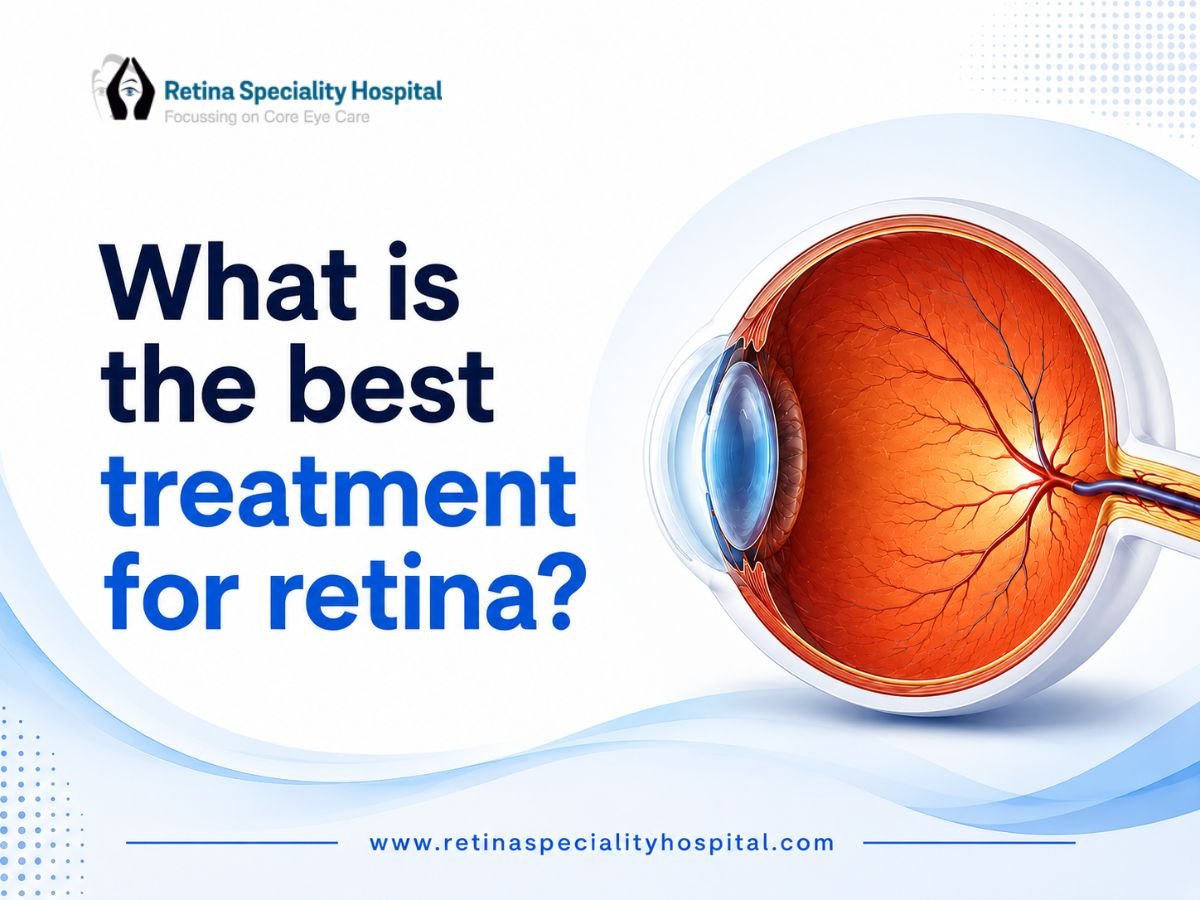
The retina is a thin layer of tissue at the back of your eye. It captures light and sends images to your brain, much like a camera sensor. When the retina gets damaged, your vision suffers. Retina eye treatment in Indore has improved greatly over the past decade, and patients no longer need to travel to other cities for quality care.
According to the World Health Organization, around 2.2 billion people globally live with some form of vision impairment. In India, diabetic retinopathy alone affects more than 18% of all diabetic patients. Over 90% of serious vision loss caused by diabetes can be prevented with timely retinal disease treatment.
If you have been told you have a retina problem, or if your vision has changed recently, this guide will help you understand your options. It covers the most common conditions, available treatments, and what to expect when you visit an eye specialist in Indore.
What Are the First Signs of a Retina Problem?
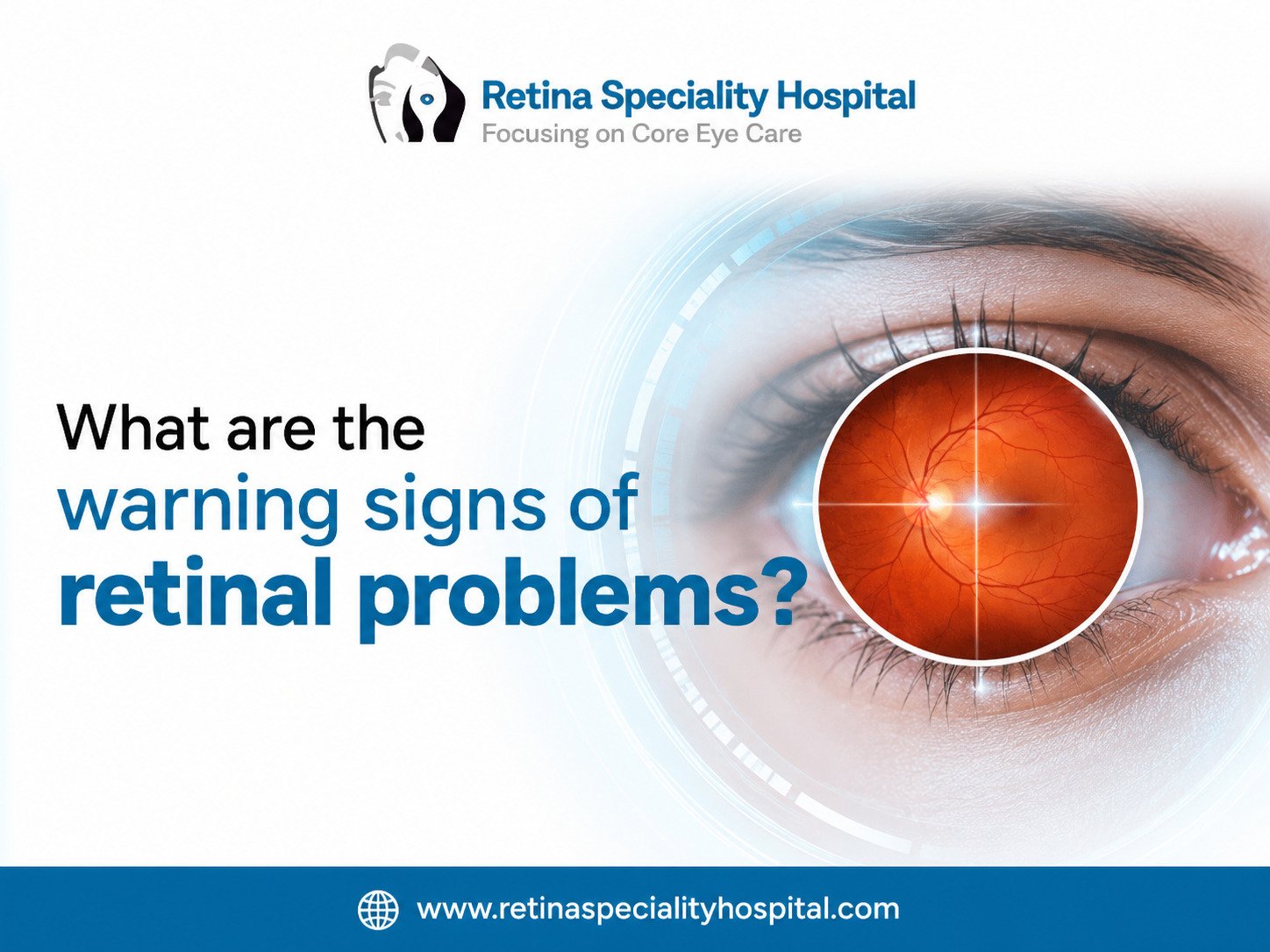
Retinal problems are often painless, which is why many people do not notice them until the damage is already done. Knowing the warning signs early can protect your vision.
Watch out for these symptoms:
- Small dark spots or lines floating across your vision
- Sudden flashes of light in one or both eyes
- Blurry or distorted vision, especially in the centre
- A dark patch or empty area in your field of vision
- A shadow or curtain spreading from one side of your vision
- Difficulty reading, watching TV, or recognising faces
- Colours that appear washed out or faded
If you experience any of these, contact an eye doctor in Indore right away. Waiting can make the condition more difficult to treat.
Common Retinal Diseases That Require Treatment
Before choosing a treatment, your doctor needs to identify the exact condition. Here are the most common retinal diseases seen by a retina specialist doctor:
- Diabetic Retinopathy: Caused by high blood sugar damaging tiny blood vessels in the retina. It is one of the leading causes of blindness in adults under 60.
- Age-Related Macular Degeneration (AMD): The central part of the retina, called the macula, breaks down over time. This affects your ability to read and see fine details.
- Retinal Detachment: The retina peels away from the back of the eye. This is a medical emergency and needs immediate attention.
- Retinal Vein Occlusion: A blocked blood vessel causes swelling and bleeding in the retina, leading to sudden vision loss.
- Macular Hole: A small tear in the central retina that causes blurred or missing central vision.
- Retinitis Pigmentosa: A genetic condition that slowly destroys the retina over many years, causing night blindness and tunnel vision.
Retinal Conditions at a Glance
| Retinal Condition | Main Symptoms | Treatment Used | How Urgent |
| Diabetic Retinopathy | Floaters, dark spots, blurry vision | Anti-VEGF injections, laser | High |
| Age-Related Macular Degeneration | Central vision loss, wavy lines | Anti-VEGF injections, monitoring | High |
| Retinal Detachment | Shadow in vision, sudden flashes | Vitrectomy, scleral buckle | Emergency |
| Retinal Vein Occlusion | Sudden blurry vision, vision loss | Anti-VEGF injections, laser | High |
| Macular Hole | Blurry or missing central vision | Vitrectomy surgery | Moderate |
| Retinitis Pigmentosa | Night blindness, narrow vision | Genetic therapy, vision support | Moderate |
What Is the Best Treatment for Retinal Diseases?
The best retinal disorder treatment depends on the specific condition you have, how advanced it is, and your general health. There is no one-size-fits-all answer. Below are the main treatment options available at a best retina hospital today.
1. Anti-VEGF Injections
This is currently the most widely used treatment for several retinal conditions including wet AMD, diabetic retinopathy, and retinal vein occlusion. A medicine is injected directly into the eye to stop abnormal blood vessel growth and reduce fluid leakage. An experienced eye retina specialist performs this procedure in a clean clinical setting. Most patients need a series of injections over several months.
2. Laser Photocoagulation
A focused laser beam is used to seal leaking blood vessels in the retina. This treatment stops bleeding and prevents fluid from building up under the retina. It is a well-established option for diabetic retinopathy and retinal vein occlusion. While it may not restore vision that has already been lost, it can stop the condition from getting worse.
3. Vitrectomy Surgery
Vitrectomy is a surgical retina treatment in which the gel-like fluid inside the eye is carefully removed and replaced. It is used for retinal detachment, macular holes, and complicated diabetic eye disease. The procedure is performed under local anaesthesia and requires a skilled retina surgeon. Most patients see a clear improvement in vision once healing is complete.
4. Scleral Buckle Surgery
This procedure involves placing a soft silicone band around the outside of the eye to gently push the eye wall against the detached retina. It is used primarily for retinal detachment and is sometimes combined with vitrectomy for more complex cases.
5. Photodynamic Therapy
A light-sensitive medicine is injected into the bloodstream and travels to the abnormal blood vessels in the retina. A cold laser is then applied to activate the medicine and close those vessels. This approach is mainly used for certain types of AMD.
6. Advanced Retinal Laser Therapy
Advanced retinal therapy today includes next-generation laser systems that target only the affected tissue with great precision. These lasers cause minimal damage to surrounding healthy retina cells and are used in early-stage retinal conditions to slow disease progression.
Retina Treatment in Indore: What Patients Can Expect
Retina treatment in Indore has grown significantly with trained specialists and modern equipment now available locally. Patients from Indore and nearby towns can access the same level of care that was previously only found in large metro hospitals.
When you visit the best eye specialist in Indore for a retina concern, here is what typically happens:
- A basic vision test to check your current level of sight
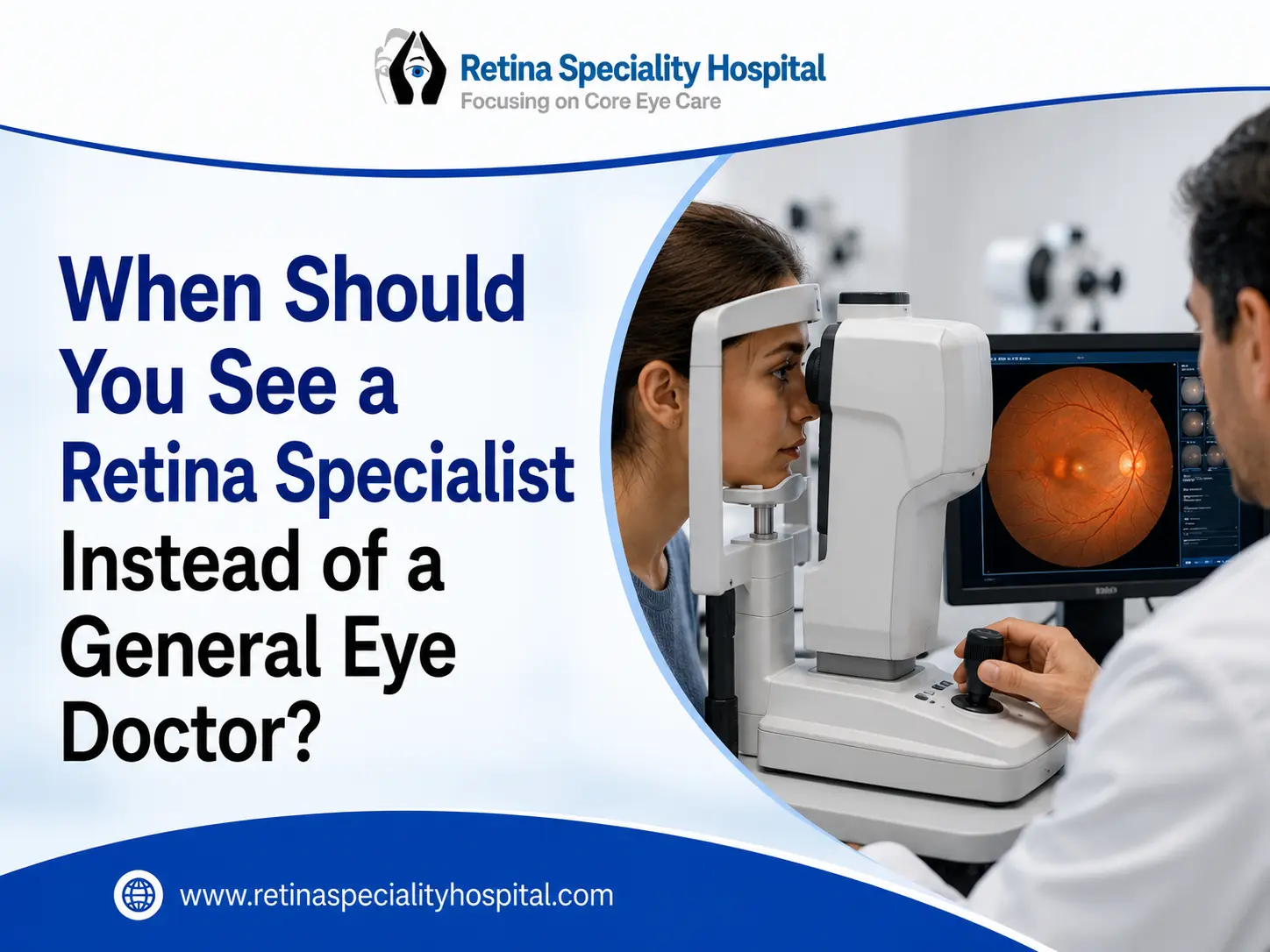
- A dilated eye examination to view the retina in detail
- An OCT scan to measure the thickness of retinal layers
- Fundus fluorescein angiography to study blood vessel activity
- A B-scan ultrasound if the retina cannot be viewed directly
- A personalised treatment plan based on your results
At a well-equipped eye hospital in Indore, all these tests are available under one roof, making diagnosis faster and more accurate.
How Risky Is Retinal Surgery?
Retinal surgery is generally considered safe when performed by a trained and experienced surgeon. Like any surgical procedure, there are some risks involved. These can include mild infection, temporary increase in eye pressure, or minor bleeding inside the eye. Serious complications are uncommon.
The important point is this: the risk of leaving a retinal condition untreated is almost always greater than the risk of surgery itself. Vision restoration treatment works best when action is taken early, before permanent damage sets in.
How Long Does It Take for a Retina to Heal?
Recovery depends on the type of treatment you receive:
- After anti-VEGF injections: Most people can go back to their regular routine within 1 to 2 days.
- After laser treatment: Mild blurring is common for a few days. Full recovery usually takes 1 to 2 weeks.
- After vitrectomy surgery: Recovery takes around 4 to 8 weeks. In some cases, patients need to hold a specific head position for a few days after the operation.
- After retinal detachment repair: Vision may continue to improve gradually over several months as the retina heals and stabilises.
Follow-up appointments with your eye doctor in Indore are a key part of recovery. These visits allow your doctor to track healing and adjust your care plan if needed.
Best Retina Specialist for Retinal Treatment in Indore
Finding the right doctor matters as much as choosing the right treatment. When searching for the best retina specialist for retinal treatment in Indore, consider these factors:
- Specialist training in vitreoretinal diseases and surgery
- Experience performing a high volume of retinal procedures each year
- Access to diagnostic tools such as OCT, angiography, and ultrasound
- A well-maintained, hygienic operation theatre
- Honest communication and a clear explanation of your condition
A good retina specialist doctor will never rush your appointment. They will take time to explain what is happening in your eye, what your options are, and what you can realistically expect from treatment.
Advanced Treatment Options for Retinal Disorders in 2026
The world of retinal disease treatment is moving fast. Several new approaches are now available or becoming more widely accessible:
- Gene therapy: For inherited retinal conditions, gene therapy delivers corrected DNA directly into retinal cells. It has shown strong results in specific conditions like Leber congenital amaurosis.
- Sustained-release drug implants: Instead of receiving frequent eye injections, patients can have a small implant placed in the eye that releases anti-VEGF medicine slowly over many months.
- Subthreshold micropulse laser: A gentler form of laser treatment that stimulates retinal healing without creating burns or scars on the retina.
- Retinal prosthesis: For patients with advanced retinitis pigmentosa, artificial retina devices are in development and are showing early promise in restoring partial vision.
These advanced treatment options for retinal disorders are a sign of how far this field has come and how much more is possible for patients today compared to even five years ago.
Can the Retina Be Fixed Without Surgery?
Yes, in many situations. A large number of retinal conditions respond well to non-surgical treatments. Anti-VEGF injections, laser photocoagulation, and photodynamic therapy can all effectively manage conditions like diabetic retinopathy, wet AMD, and retinal vein occlusion without the need for an operation.
Surgery becomes necessary when the retina has physically detached, when a macular hole is present, or when other treatments have not worked. The earlier a problem is detected, the greater the chance it can be handled with a simpler, non-surgical approach.
This is why regular retina care check-ups are so important, especially if you have diabetes, high blood pressure, or a family history of eye disease.
Patient Case Study
Rajesh is a 52-year-old businessman from Indore who has been living with type 2 diabetes for 11 years. He visited our clinic after noticing dark floating spots and blurred vision in his right eye. He had never had a retina examination before.
An OCT scan and fundus examination revealed moderate diabetic retinopathy with macular oedema in both eyes. His vision in the right eye was measured at 6/36, significantly below normal.
He was placed on a course of anti-VEGF injections as part of his retina eye treatment in Indore. His diabetes management was also reviewed and improved in coordination with his physician. After four injection sessions over five months, his vision improved to 6/9 in the right eye. A laser session was then completed to protect the outer areas of the retina.
Rajesh now attends a review appointment every three months. His case shows how advanced retinal therapy combined with proper control of underlying conditions can deliver real, measurable results. It also underlines why diabetic patients should have a retina screening at least once a year, even when their vision feels normal.
Frequently Asked Questions
Q1. Can a retina problem be cured?
Some retinal conditions can be fully treated, especially when found early. Retinal detachment, for example, can often be successfully repaired with surgery. Other conditions like AMD or diabetic retinopathy may not be curable but can be well managed with regular retina care to stop further vision loss.
Q2. Which medicine is good for the retina?
Anti-VEGF medicines such as Ranibizumab, Bevacizumab, and Aflibercept are the most commonly used treatments for retinal diseases. They are injected directly into the eye by a qualified retina specialist. The right medicine depends on your specific condition, which your eye doctor will determine after a full examination.
Q3. Can the retina be fixed without surgery?
Yes, many retinal conditions can be treated without surgery. Anti-VEGF injections and laser therapy work well for diabetic retinopathy, macular degeneration, and retinal vein occlusion. However, retinal detachment and macular holes usually need surgery. Early diagnosis gives you the best chance of avoiding an operation.
Q4. How to solve a retina problem?
Visit an eye specialist for a proper examination and diagnosis first. Treatment will depend on the type and stage of your condition. Options include injections, laser therapy, or surgery. Keeping diabetes and blood pressure under control also plays a key role in protecting the retina over the long term.
Q5. How risky is retinal surgery?
Retinal surgery is generally safe when performed by a trained specialist. Possible risks include infection, mild bleeding, or raised eye pressure, but serious complications are rare. In most cases, the risk of not treating the condition is far greater than the risk of surgery. Your doctor will explain everything clearly before you decide.
Q6. How long does it take for a retina to heal?
It varies depending on the treatment. After injections, most patients recover within one to two days. Laser treatment recovery takes one to two weeks. Full recovery after vitrectomy surgery can take four to eight weeks. After retinal detachment repair, vision may continue to improve over several months.
Conclusion
The retina is a small but critical part of your eye, and the problems that affect it can develop silently over months or years. By the time vision changes become obvious, some damage may already have occurred. This is why awareness, regular screening, and early treatment matter so much.
Retina eye treatment in Indore today is on par with what is available in major cities. Skilled specialists, accurate diagnostic equipment, and a full range of treatment options are now available locally. Whether you need a simple injection, a course of laser therapy, or a full surgical procedure, the right care is within reach.
The most important step you can take is to not ignore changes in your vision. A shadow, a floating spot, or a blurry patch in your sight is your eye telling you something is wrong. Listen to it early.
An experienced eye specialist in Indore can give you a clear diagnosis, explain your options in plain language, and help you make a decision that is right for you. With the right treatment at the right time, most patients with retinal conditions go on to maintain good, functional vision for years.
Your sight is one of your most valuable assets. Protect it with the same care and attention you give to the rest of your health. Book a retina examination today and take the first step toward clearer, healthier vision.