








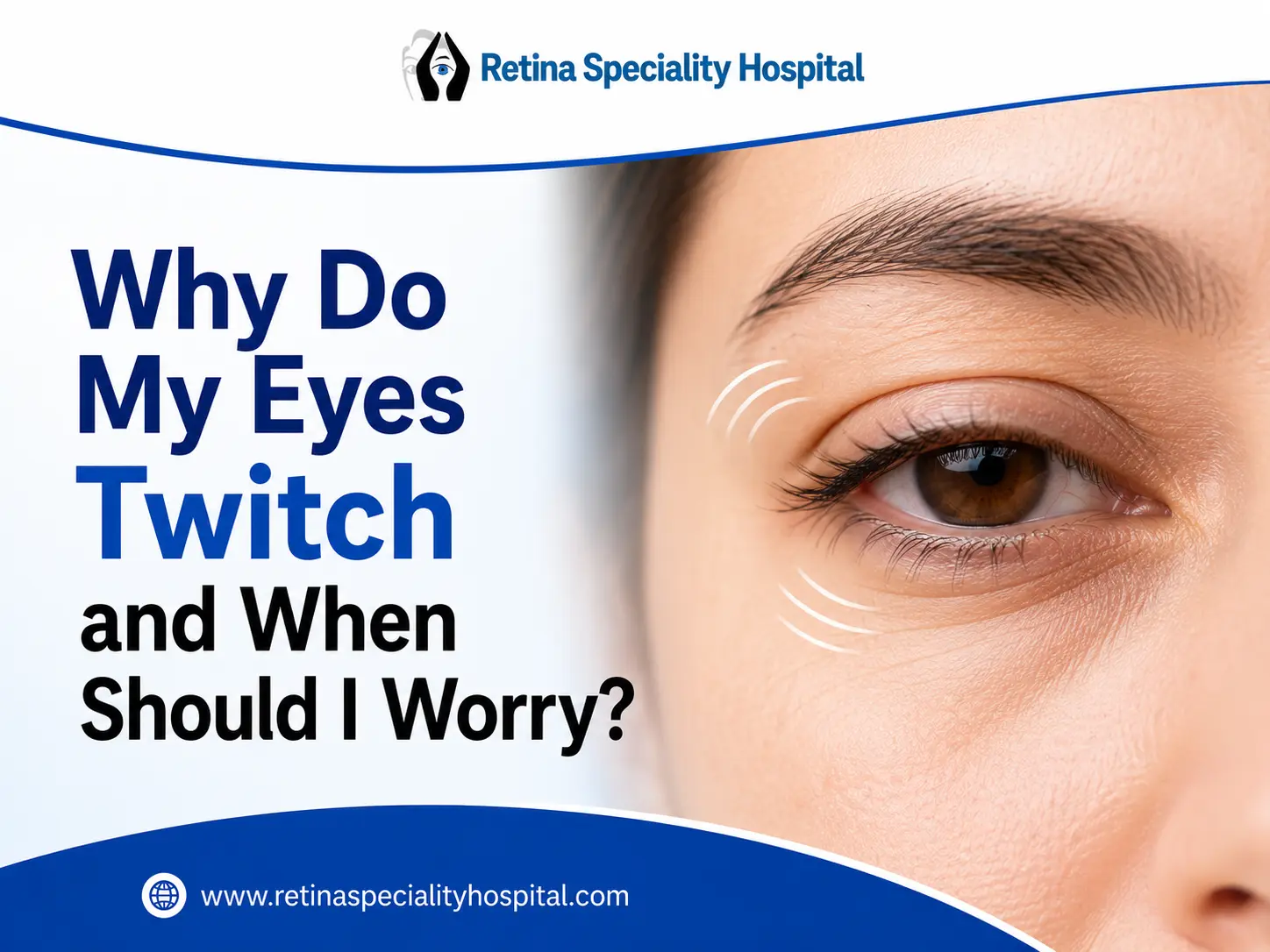
Eye twitching is a common experience that most people encounter at some point in their lives. While it often feels annoying, many people immediately wonder, “Why Do My Eyes Twitch?” In most cases, an eye twitch is harmless and temporary. However, frequent or persistent twitching may sometimes indicate an underlying eye condition or health problem that deserves medical attention.
Eye twitching, medically known as eyelid myokymia, usually affects the upper or lower eyelid and occurs without warning. The twitch may last for a few seconds, several minutes, or even recur over days or weeks. Understanding the possible causes, recognizing warning signs, and knowing when to seek professional care can help protect both your vision and your overall eye health.
Why Do My Eyes Twitch? Understanding Eyelid Myokymia
If you’ve ever asked yourself, “Why Do My Eyes Twitch?”, you’re not alone. Eye twitching occurs when the muscles controlling the eyelids contract involuntarily. These small muscle spasms are usually painless and often resolve without treatment.
Most cases involve only one eyelid and do not interfere with vision. Although occasional twitching is generally harmless, persistent or severe episodes should not be ignored, particularly if accompanied by other eye or neurological symptoms.
Common Causes of Eye Twitching
Several everyday habits and medical conditions can contribute to eyelid twitching.
Stress
Emotional stress is one of the most common triggers. When the body experiences prolonged stress, muscle activity may increase, leading to involuntary eyelid spasms.
Lack of Sleep
Insufficient or poor-quality sleep can overstimulate the muscles around the eyes, increasing the likelihood of twitching.
Eye Fatigue
Long hours spent on computers, smartphones, or tablets may strain the eye muscles and trigger eyelid spasms.
Excessive Caffeine
High intake of coffee, tea, energy drinks, or caffeinated soft drinks may stimulate muscle contractions in some individuals.
Dry Eyes
People with dry eye syndrome often experience irritation that may contribute to frequent eyelid twitching, especially older adults and contact lens users.
Eye Strain
Uncorrected vision problems or outdated eyeglass prescriptions force the eyes to work harder, sometimes resulting in muscle fatigue and twitching.
Allergies
Eye allergies may cause itching and irritation, encouraging frequent rubbing that can worsen eyelid muscle spasms.
Medical Conditions That May Cause Eye Twitching
Although uncommon, persistent twitching may be associated with certain medical conditions.
Possible causes include:
- Blepharitis
- Corneal irritation
- Neurological disorders
- Facial nerve disorders
- Medication side effects
- Nutritional deficiencies
- Parkinson’s disease
- Multiple sclerosis
- Benign essential blepharospasm
Fortunately, these conditions are much less common than stress-related twitching.
Types of Eye Twitching
Different types of eyelid spasms have different causes.
Eyelid Myokymia
This is the most common and usually harmless form of eye twitching. It typically affects one eyelid and resolves on its own.
Benign Essential Blepharospasm
This condition causes repeated involuntary blinking or eyelid closure. It often develops gradually and may require medical treatment.
Hemifacial Spasm
Unlike simple eyelid twitching, hemifacial spasm affects one side of the face and may involve several facial muscles. Medical evaluation is important in these cases.
Can Eye Strain Cause Eye Twitching?
Yes.
Digital eye strain has become one of the leading reasons people experience eyelid twitching.
Spending prolonged hours looking at digital screens may lead to:
- Dry eyes
- Blurred vision
- Headaches
- Eye fatigue
- Muscle strain
- Increased blinking
Following the 20-20-20 rule—looking at something 20 feet away for 20 seconds every 20 minutes—can help reduce digital eye strain.
Can Retinal Problems Cause Eye Twitching?
Eye twitching itself is usually not caused by retinal disease. However, if twitching occurs alongside symptoms such as flashes of light, floaters, blurred vision, or sudden vision loss, a retinal examination becomes important.
Patients experiencing these symptoms may require Retina treatment in Indore to diagnose conditions affecting the retina before permanent vision loss occurs.
Consulting Top retina specialists in Indore ensures a thorough examination whenever visual disturbances accompany eyelid twitching.
When Should You Worry About Eye Twitching?
Most eyelid twitches disappear without treatment within a few days.
However, seek medical evaluation if:
- Twitching lasts longer than one week.
- The eyelid completely closes during spasms.
- Twitching spreads to other facial muscles.
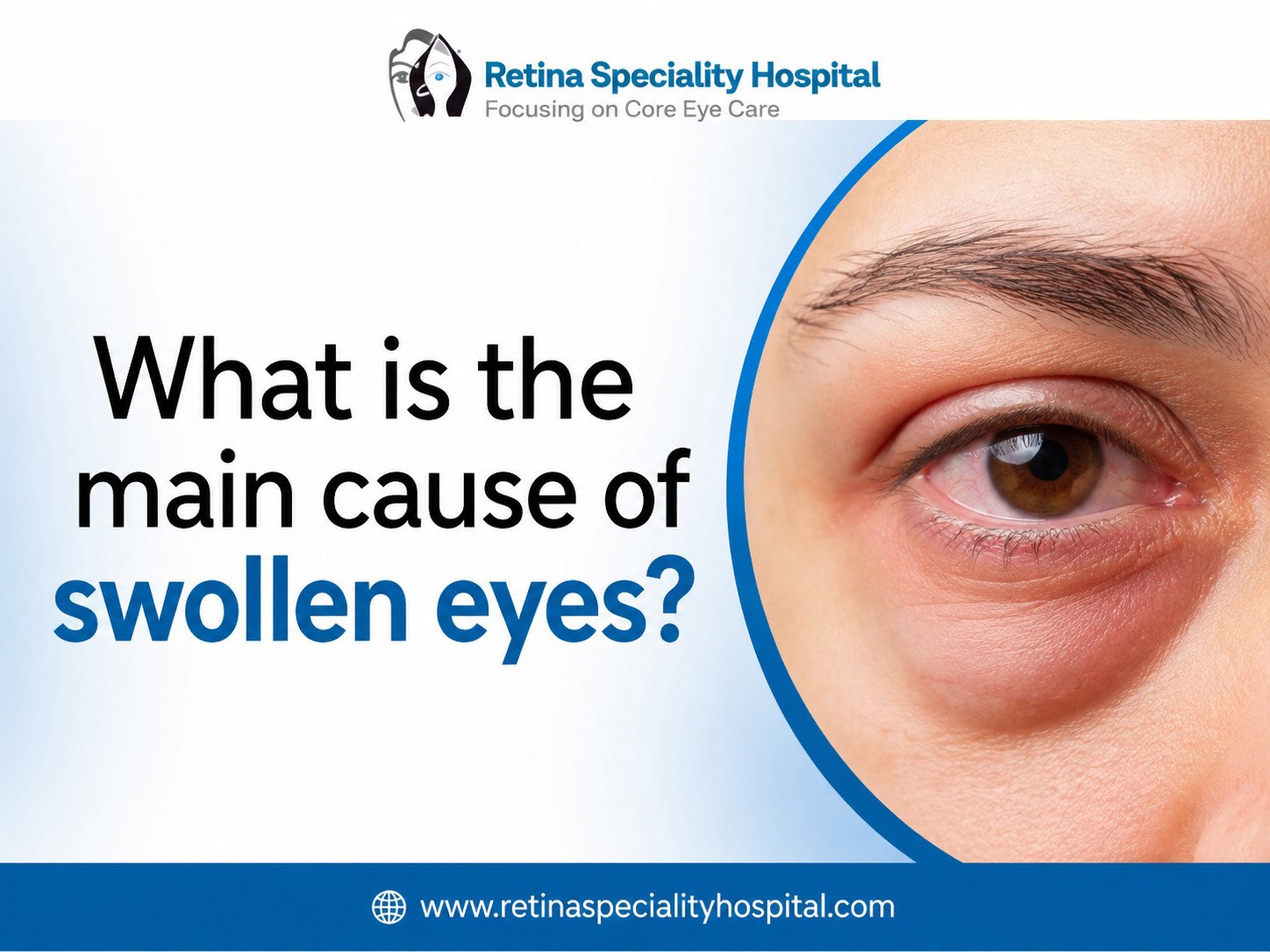
- You experience eye redness or swelling.
- Vision becomes blurry.
- The eye produces discharge.
- One eyelid begins drooping.
- You develop severe headaches or weakness.
Persistent symptoms should always be evaluated by an experienced eye doctor in Indore to identify any underlying eye or neurological condition.
How Is Eye Twitching Diagnosed?
Diagnosis begins with a detailed medical history and comprehensive eye examination.
Your ophthalmologist may evaluate:
- Vision
- Eyelid function
- Eye surface health
- Cornea
- Tear film
- Eye movements
- Neurological signs
If necessary, additional imaging or neurological investigations may be recommended to rule out uncommon but serious conditions.
Patients visiting an Indore best eye hospital benefit from advanced diagnostic technology capable of identifying both common and complex eye disorders quickly and accurately.
Treatment Options for Eye Twitching
The most effective treatment depends on identifying why do my eyes twitch in the first place. Since most cases are linked to lifestyle factors, simple changes often provide significant relief without the need for medication.
Your ophthalmologist may recommend one or more of the following treatments based on the underlying cause.
Lifestyle Modifications
Making healthy daily habits can reduce both the frequency and severity of eyelid twitching.
Helpful lifestyle changes include:
- Getting 7–8 hours of quality sleep each night
- Managing stress through relaxation techniques
- Reducing screen time
- Taking regular breaks while using digital devices
- Staying well hydrated
- Maintaining a balanced diet
Artificial Tears
If dry eyes are contributing to eyelid spasms, lubricating eye drops can help reduce irritation and improve comfort.
Updating Your Glasses Prescription
Eye strain caused by uncorrected vision problems may trigger muscle fatigue around the eyelids. A comprehensive eye examination and updated prescription can often resolve these symptoms.
Managing Allergies
Treating eye allergies can reduce itching and minimize excessive eye rubbing, both of which may worsen twitching.
Botulinum Toxin (Botox) Injections
For conditions such as benign essential blepharospasm or persistent muscle spasms, carefully administered botulinum toxin injections may provide effective relief by temporarily relaxing the affected muscles.
Treatment for Underlying Medical Conditions
If eyelid twitching is related to neurological disorders, infections, or other medical conditions, your doctor will focus on treating the underlying disease rather than the twitch itself.
Home Remedies to Reduce Eye Twitching
Most mild cases improve with simple home care.
Try these practical tips:
- Apply a warm compress to the eyelids.
- Limit caffeine intake if you consume large amounts.
- Reduce stress through yoga, meditation, or deep breathing exercises.
- Follow the 20-20-20 rule while using digital screens.
- Avoid rubbing your eyes.
- Wear sunglasses outdoors to reduce glare and eye strain.
- Stay hydrated throughout the day.
These measures often help relieve temporary twitching caused by fatigue or environmental factors.
Can Eye Twitching Be Prevented?
Although not every episode can be prevented, healthy lifestyle habits significantly reduce the likelihood of recurrent eyelid spasms.
Preventive measures include:
- Sleeping adequately every night
- Limiting prolonged screen exposure
- Scheduling routine eye examinations
- Wearing prescribed glasses when needed
- Eating a nutritious diet rich in vitamins and minerals
- Exercising regularly
- Avoiding excessive caffeine and alcohol
- Managing chronic health conditions such as diabetes and hypertension
Consistent eye care not only helps prevent twitching but also supports long-term visual health.
When Should You Visit an Eye Specialist?
Occasional eyelid twitching usually isn’t a cause for concern. However, you should consult an ophthalmologist if:
- Twitching persists for more than one week.
- The eyelid completely closes during spasms.
- The twitch spreads to other parts of the face.
- You notice blurred or double vision.
- The eyelid becomes swollen or red.
- Eye pain develops.
- There is discharge from the eye.
- Your eyelid begins to droop.
- Twitching follows an eye injury.
An experienced eye doctor in Indore can determine whether the twitch is harmless or related to an underlying eye or neurological condition.
Why Early Diagnosis Matters
While most cases of eyelid twitching are benign, persistent symptoms should never be ignored. Early diagnosis helps identify problems before they become more serious.
Comprehensive eye examinations can detect:
- Dry eye disease
- Corneal disorders
- Eyelid inflammation
- Vision problems
- Neurological abnormalities
- Retinal conditions causing associated visual symptoms
If additional symptoms such as flashes, floaters, or sudden vision changes are present, prompt evaluation by Top retina specialists in Indore may be necessary to rule out retinal disease.
Patients seeking advanced eye care can benefit from visiting a Top eye hospital in Indore, where experienced ophthalmologists and modern diagnostic equipment work together to provide accurate diagnosis and personalized treatment.
Protect Your Eye Health by Paying Attention to Persistent Twitching
If you’ve been wondering, “Why Do My Eyes Twitch?”, the good news is that most cases are temporary and resolve with simple lifestyle adjustments. Stress reduction, adequate sleep, proper hydration, and regular eye care are often enough to stop occasional eyelid spasms.
However, persistent, worsening, or recurrent twitching—especially when accompanied by vision changes, facial weakness, or eye pain—should always be evaluated by an eye specialist. Early diagnosis helps identify the underlying cause and ensures that more serious eye or neurological conditions are treated promptly.
Taking your symptoms seriously today can help protect your vision for years to come.
Frequently Asked Questions (FAQs)
1. Why does my eye keep twitching for several days?
Eye twitching that lasts for several days is often related to stress, lack of sleep, excessive screen time, caffeine intake, or dry eyes. If the twitch persists for more than a week or worsens, consult an ophthalmologist.
2. Can vitamin deficiency cause eye twitching?
Yes. Deficiencies in certain nutrients, including magnesium and some B vitamins, may contribute to muscle spasms in some individuals. A healthcare professional can determine whether nutritional factors are involved.
3. Is eye twitching a sign of a serious disease?
Most eye twitches are harmless. However, persistent twitching associated with facial weakness, drooping eyelids, vision changes, severe headaches, or muscle spasms affecting other parts of the face requires immediate medical evaluation.
Call to Action
Don’t ignore persistent eyelid twitching or changes in your vision. At Retina Speciality Hospital, our experienced ophthalmologists provide comprehensive eye examinations to identify the underlying cause and recommend the most appropriate treatment. Whether you need an experienced eye doctor in Indore, advanced Retina treatment in Indore, or consultation with Top retina specialists in Indore, our dedicated team is committed to protecting your eyesight with personalized, evidence-based care. If you’re looking for the Indore best eye hospital or a Top eye hospital in Indore, schedule your appointment today and take the first step toward healthier vision.