







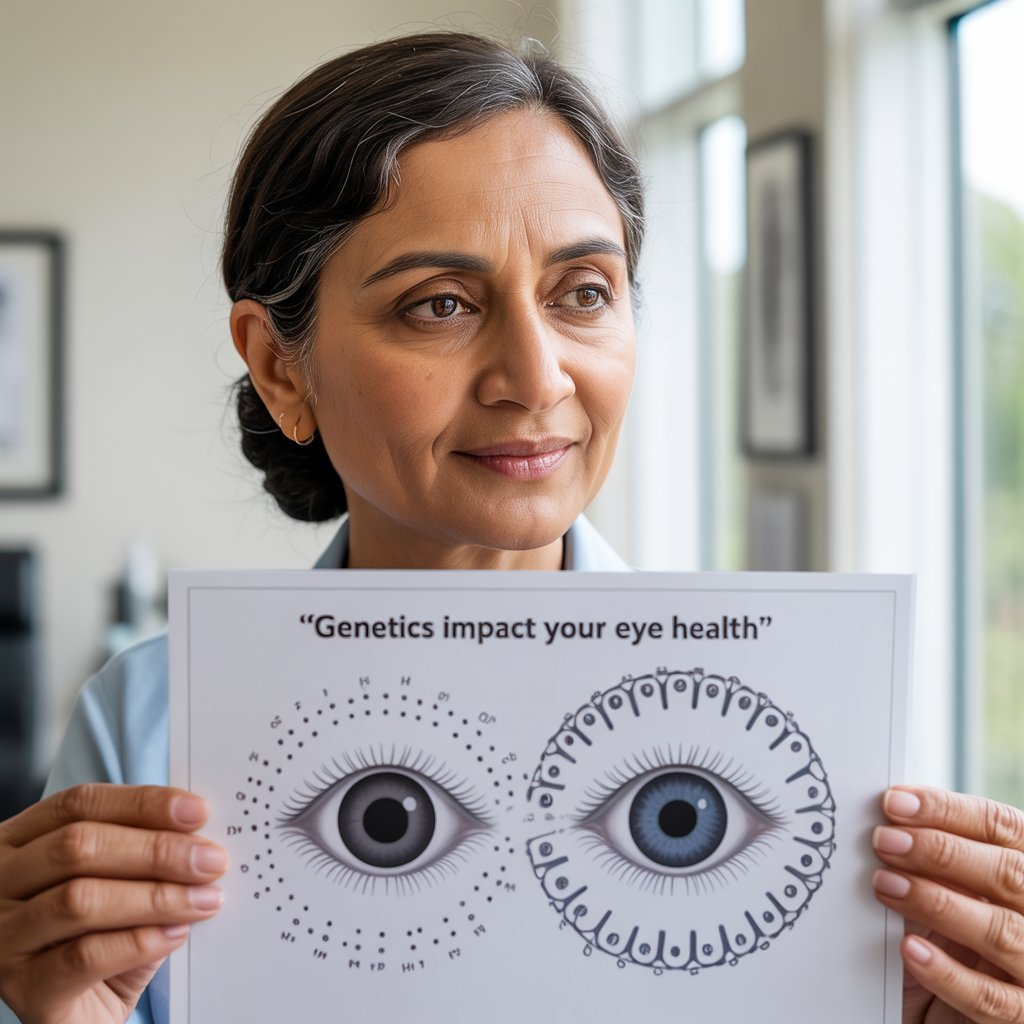
Have you ever wondered if your genes play a role in your eye health? You might be surprised to learn that genetics can significantly impact the health of your eyes. From inherited conditions like macular degeneration to the risk of glaucoma, understanding your family history is an essential part of maintaining good vision.
If you’re wondering how genetics affect your eyesight, you’re not alone. Many of us may not think about our genetic makeup when it comes to eye care, but it plays a crucial role. In this post, we’ll explore how your genes impact your eye health and how you can take steps to protect your vision, whether you’re at risk or just looking to stay ahead.
At the top eye hospital in Indore, we often guide patients who are concerned about their genetic predispositions and how to monitor or prevent eye problems. Let’s dive in!
What Are the Most Common Genetic Eye Conditions?
Some eye conditions are inherited, meaning they run in families. If you have a family history of eye problems, you may be at a higher risk of developing the same conditions. Here are a few common genetic eye conditions:
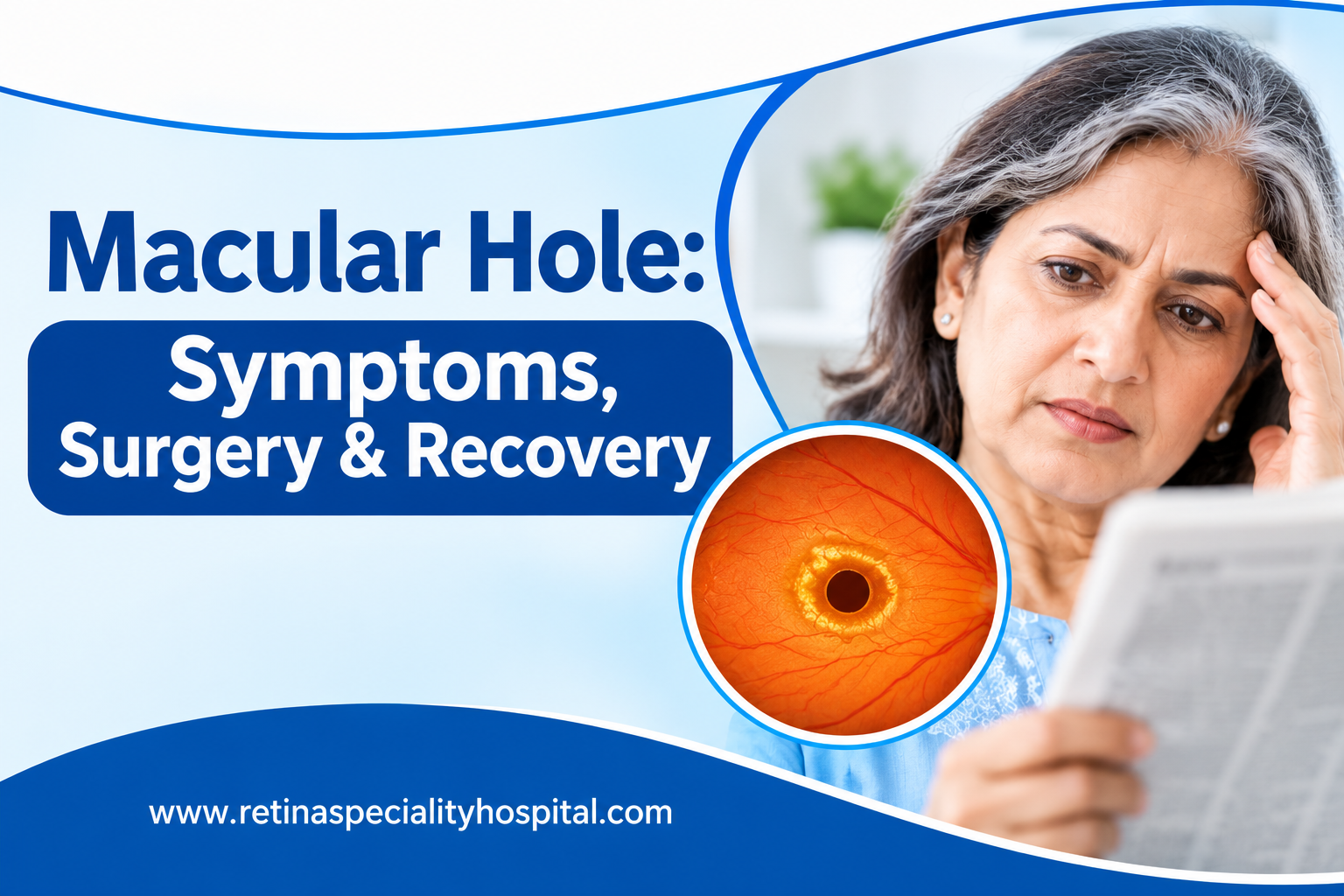
- Macular Degeneration: A leading cause of vision loss in older adults, macular degeneration can be hereditary. If a parent or grandparent had it, your chances of developing it may be higher.
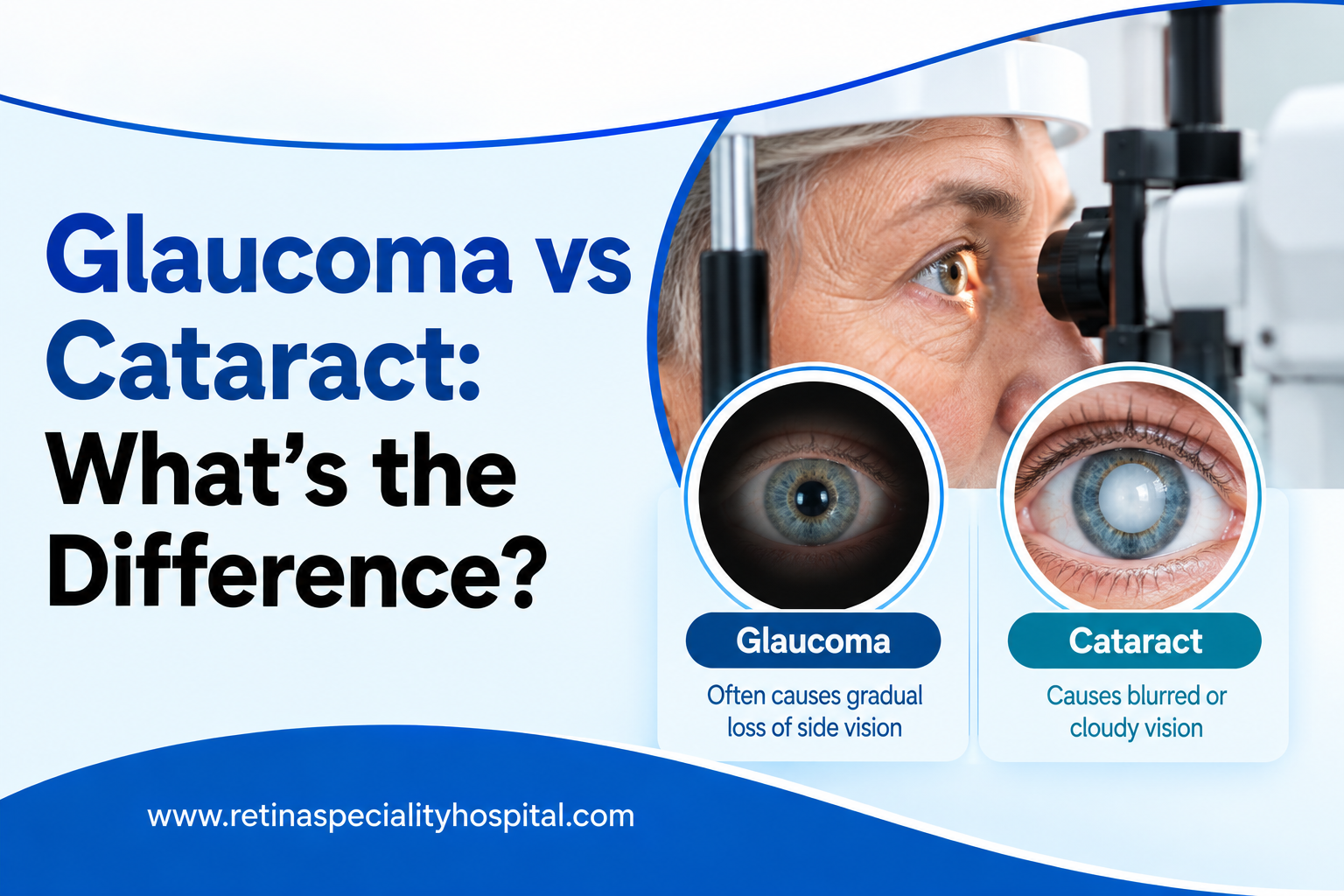
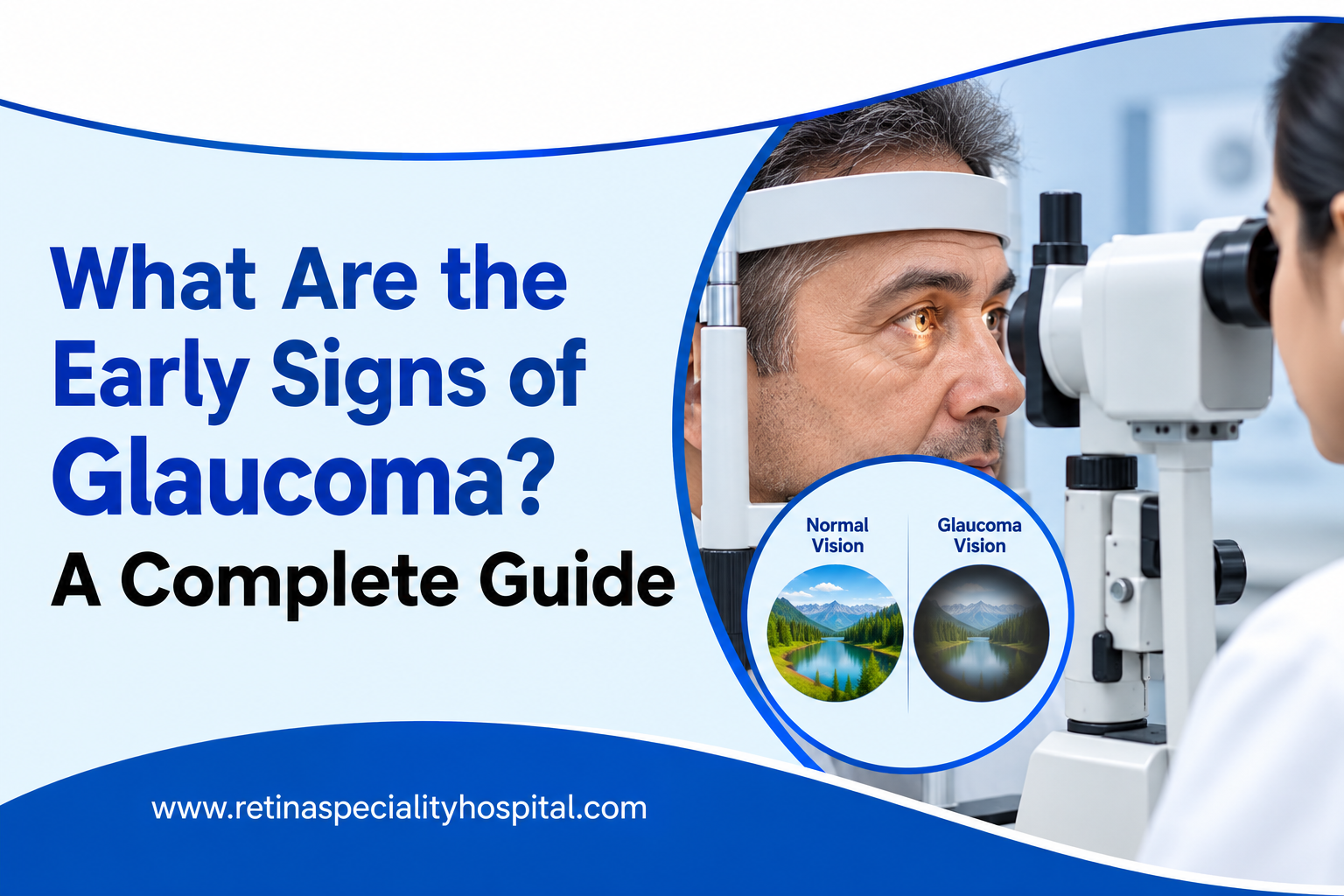
- Glaucoma: This condition damages the optic nerve and is often passed down through families. If you have a relative with glaucoma, it’s essential to have regular check-ups.
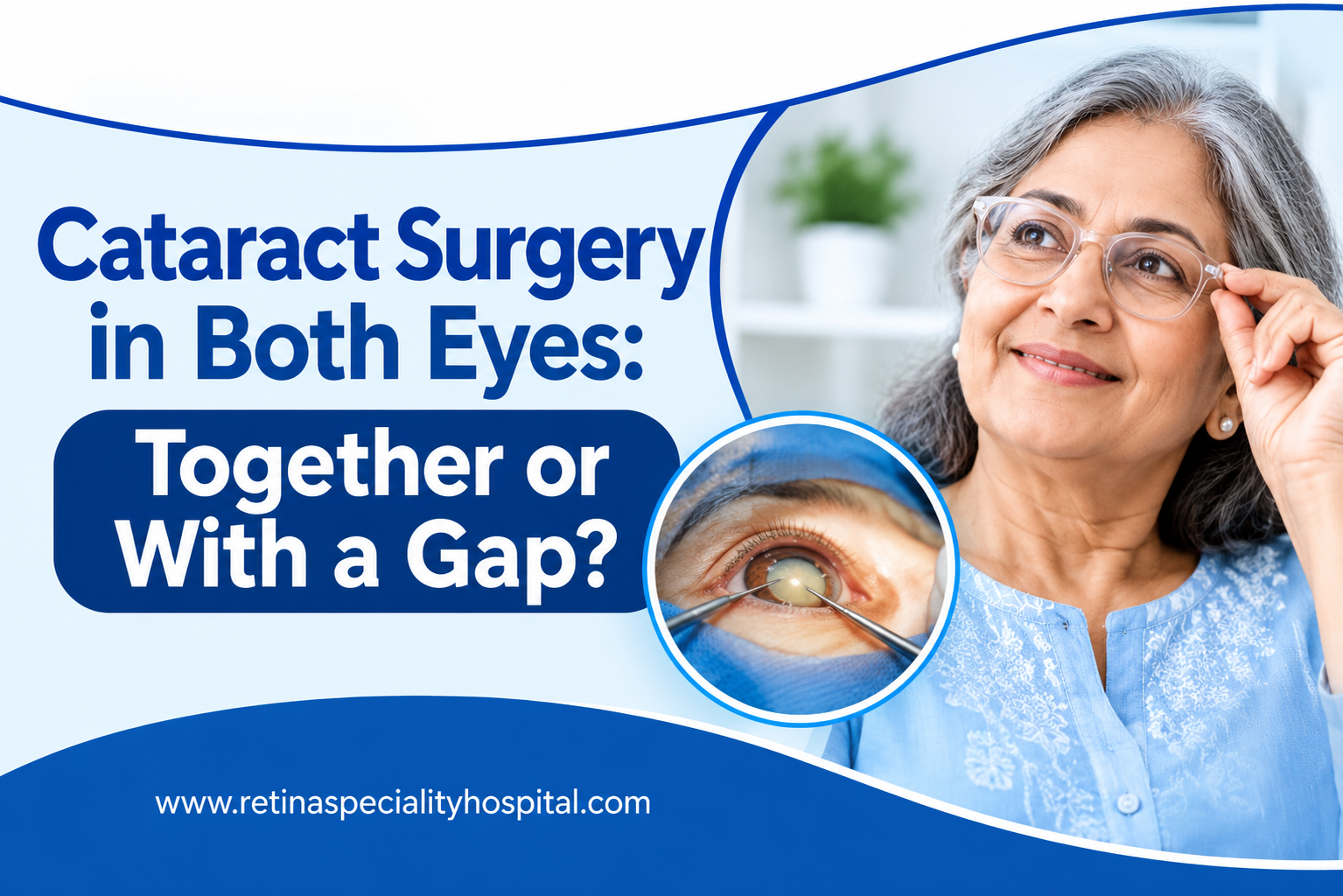
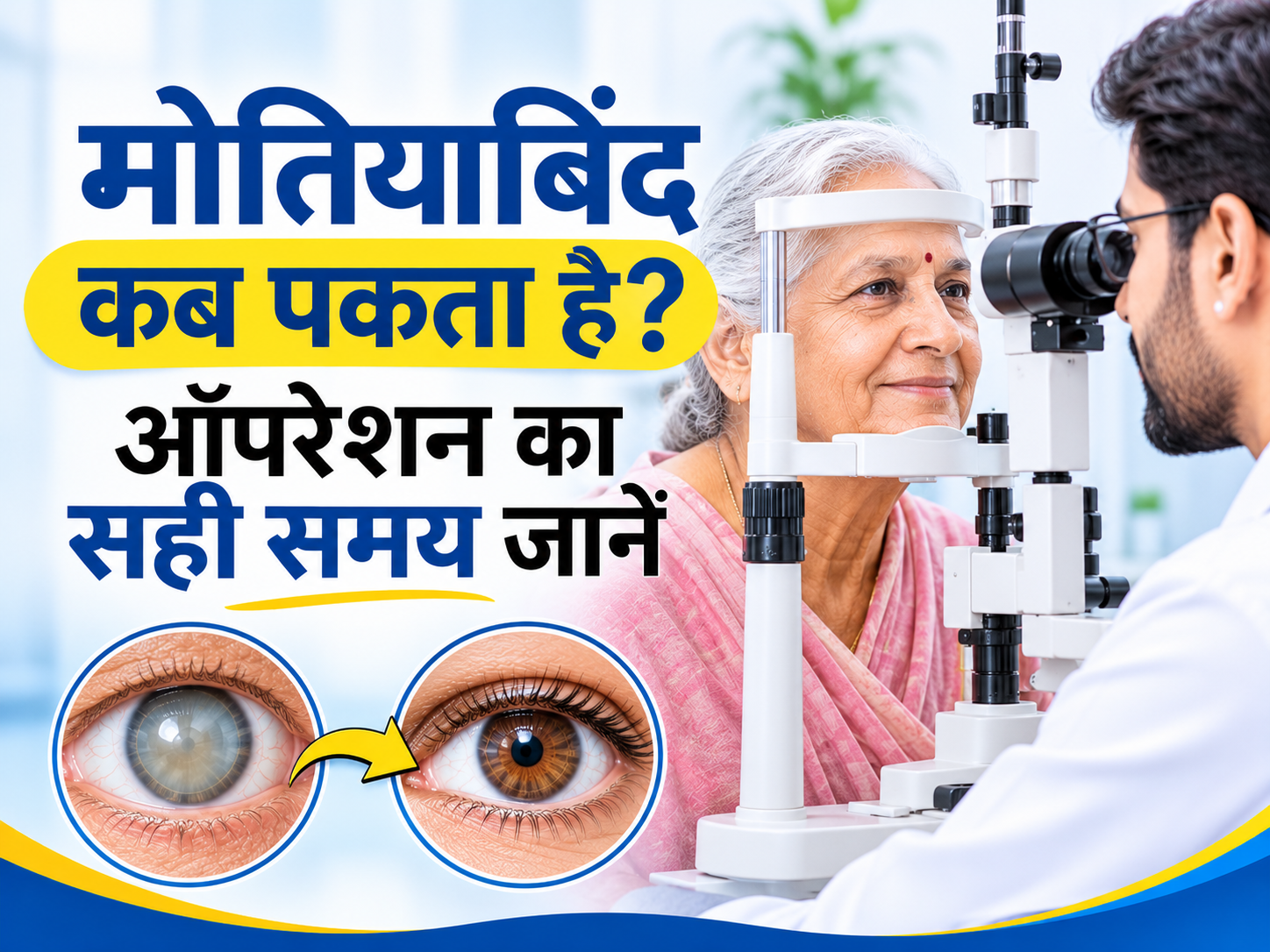
- Cataracts: While cataracts are commonly associated with aging, genetic factors can cause them to develop earlier than usual.
At our eye care hospital in Indore, we help patients identify early signs of these conditions, especially when there is a family history.
How Do Your Genes Affect Your Eyes?
Genes control how our bodies develop, and they influence the structure and function of our eyes. For example, if certain genes are inherited, you may be predisposed to specific eye conditions. It’s essential to know that genetics can:
- Determine your eye color: This is the most obvious genetic trait, but it also gives us insight into how our eyes are structured.
- Affect the shape of your eyes: The shape of your cornea and lens can influence your risk for certain conditions.
- Increase or decrease your risk for specific eye diseases: Some inherited conditions, like retinitis pigmentosa, can affect your vision over time.
Understanding the genetic link behind these issues can be eye-opening (pun intended!). At the best eye hospital in Indore, we assess your personal and family history to identify risks and provide tailored eye care.
Can Genetics Alone Cause Eye Problems?
While genetics plays a significant role in eye health, it’s not the only factor. Lifestyle choices such as diet, exercise, and screen time can either exacerbate or reduce your risk. For instance:
- A healthy diet rich in antioxidants can slow the progression of age-related eye diseases like macular degeneration.
- Regular exercise helps maintain healthy blood circulation, which is crucial for eye health.
- Protecting your eyes from UV light can lower the risk of cataracts, even if your family has a history of the condition.
Your genetics may put you at risk, but a healthy lifestyle can make a huge difference.
What Can You Do to Protect Your Eyes?
So, what steps can you take if you’re worried about your genetic predispositions? Here are some actionable tips:
- Regular Eye Exams: At the best eye care hospital in Indore, we recommend regular eye exams to catch early signs of any genetic eye conditions. Early detection can make a significant difference in treatment outcomes.
- Know Your Family History: If your parents or grandparents had eye conditions, share this information with your eye specialist in Indore so they can help you monitor your eye health closely.
- Adopt a Healthy Lifestyle: Eating a balanced diet rich in vitamins, omega-3 fatty acids, and antioxidants can help protect your vision.
- Wear Sunglasses: UV rays can harm your eyes, increasing the risk of cataracts and macular degeneration. Protect your eyes with high-quality sunglasses.
Taking these steps not only helps you protect your eyes but also gives you peace of mind.
FAQs About Genetics and Eye Health
Can genetics cause all eye problems?
No. Genetics plays an important role in several eye conditions, including glaucoma, age-related macular degeneration, and refractive errors. However, lifestyle and environmental factors such as UV exposure, smoking, diet, screen habits, and health conditions like diabetes also influence overall eye health. Both inherited and environmental factors can contribute to the development of eye problems.
Which common vision problems are most likely to run in families?
Several eye conditions and vision problems can run in families. These include glaucoma, macular degeneration, and retinitis pigmentosa. Common refractive errors such as nearsightedness (myopia), farsightedness (hyperopia), astigmatism, and colour blindness may also have a genetic component. Children whose parents have these conditions may have a higher likelihood of developing similar vision problems.
If my parents have glaucoma or macular degeneration, am I guaranteed to get it?
No. Having a family history of glaucoma or macular degeneration increases your risk, but it does not guarantee that you will develop the condition. Regular eye examinations, avoiding smoking, maintaining a healthy diet, and managing conditions such as high blood pressure can help protect your eye health and support early detection.
How often should I see an eye specialist if I have a family history of eye disease?
If a close relative, such as a parent or sibling, has glaucoma, macular degeneration, or retinal detachment, you should inform your eye specialist and discuss an appropriate screening schedule. Annual comprehensive eye examinations may be recommended depending on your family history, age, and individual risk factors, even if your vision appears normal.
At what age should children be screened if eye conditions run in the family?
Children with a family history of eye conditions such as lazy eye (amblyopia), crossed eyes (strabismus), high myopia, or congenital cataracts may need an early eye evaluation. Depending on the condition and risk factors, screening may begin during infancy or early childhood, with further examinations before starting school. Consulting an eye care hospital in Indore can help determine the appropriate screening schedule.
What family history details should I share during my eye checkup?
Before visiting an eye specialist in Indore, collect information about close relatives diagnosed with glaucoma, macular degeneration, retinal detachment, early-onset cataracts, or severe refractive errors. Also mention family histories of diabetes and high blood pressure, as these conditions can affect eye health. Sharing these details helps your doctor assess your risk and recommend suitable diagnostic tests, including optic nerve imaging and retinal scans.
Get Expert Eye Care at Retina Speciality Hospital, Indore
Family history can provide important clues about your risk of developing certain eye conditions. Regular eye examinations, early diagnosis, and appropriate monitoring can help protect your vision and support long-term eye health.
Visit Retina Speciality Hospital, Indore, for comprehensive eye examinations, advanced retinal diagnostics, and expert eye care guidance.
Schedule your eye consultation today.
Website: https://retinaspecialityhospital.com/
Final Takeaway: Take Charge of Your Eye Health
Genetics can influence your eye health, but it doesn’t determine your future. By staying informed, living a healthy lifestyle, and seeing an eye specialist in Indore, you can protect your vision and detect any issues early.
If you have concerns about your eye health or your family’s history, book an appointment at the top eye hospital in Indore today. Let us help you take proactive steps to safeguard your eyesight.
Book a Consultation Today!
Ready to protect your eyes?
Visit the best eye care hospital in Indore for a personalized eye exam.
Call us now to schedule your appointment with the best eye doctor in Indore.