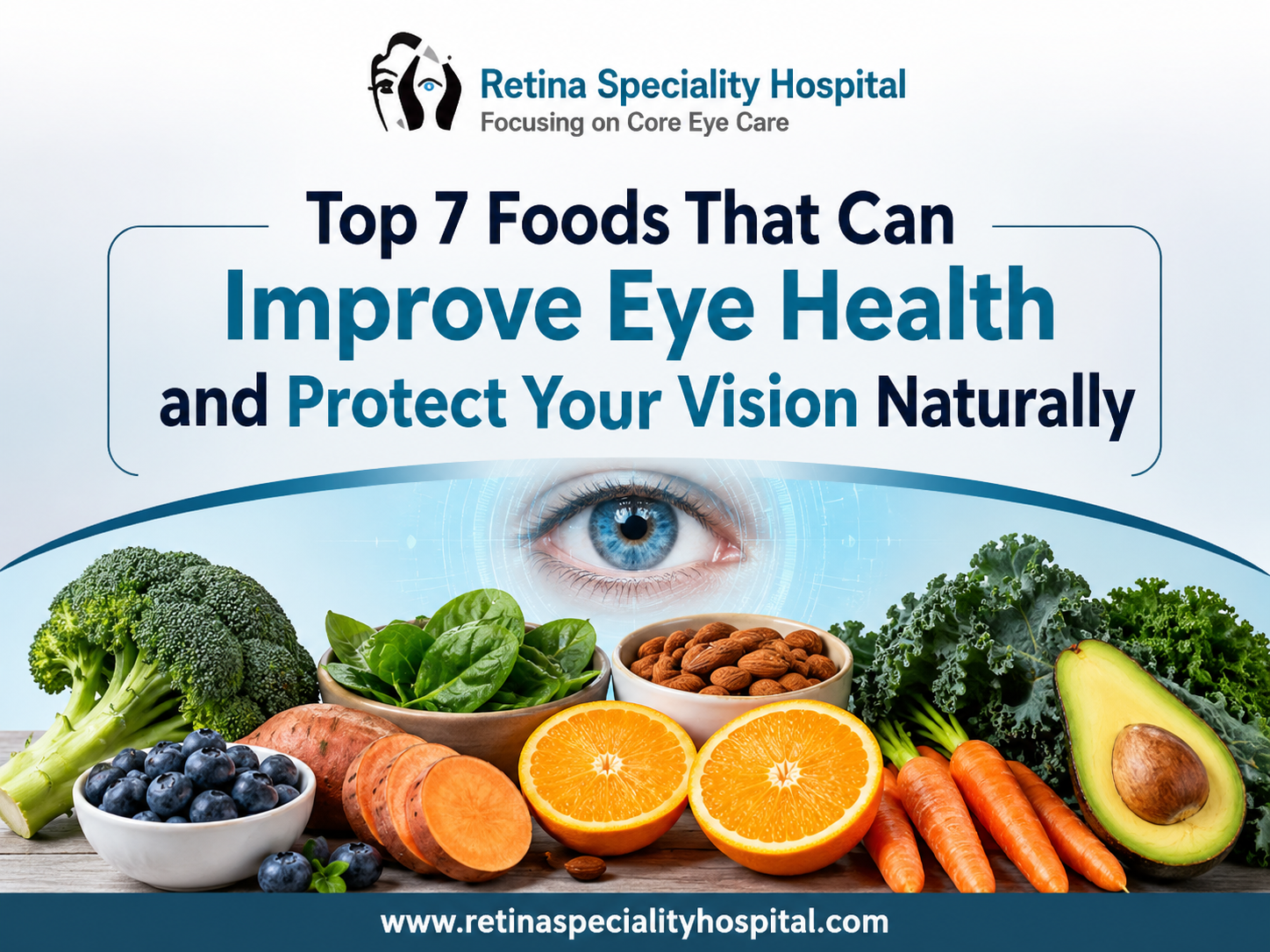










Blueberries are widely considered the best fruit for eye health, thanks to their high concentration of anthocyanins, antioxidants that reduce oxidative stress on the eyes and may lower the risk of cataracts and macular degeneration. That said, fruits like kiwi, mango, papaya, and oranges each bring their own unique nutrients that support different aspects of your vision.
Nature has gifted us with several wonderful fruits that help keep our vision sharp and our eyes healthy overall. Carrots get a lot of attention, but fruits like blueberries, papayas, mangoes, kiwi, and oranges are equally powerful when it comes to protecting your eyes.
Top Fruits for Eye Health and What They Offer
Blueberries: The Top Pick for Eye Health
Blueberries are rich in antioxidants called anthocyanins, which help reduce oxidative stress on the eyes and may reduce the risk of cataracts and macular degeneration. Regular consumption has also been linked to improved night vision over time.
Is Mango Good for Eyes?
Yes. Mangoes are rich sources of beta-carotene and Vitamin A, two nutrients vital for good vision, especially at night. They also contain carotenoids like alpha-carotene and beta-cryptoxanthin, which support overall retinal health.
Is Papaya Good for Eyes?
Yes. Papayas are packed with Vitamin A, Vitamin C, and beta-carotene, a combination that nourishes the eyes and helps reduce the risk of age-related vision decline while supporting corneal health.
Is Kiwi Good for Eyes?
Yes, kiwi is one of the most underrated fruits for eyesight. It’s rich in Vitamin C, which helps prevent cataracts and maintains the cornea’s structural integrity. Kiwi is also a good source of lutein and zeaxanthin, often called a natural sunscreen for the retina.
Oranges and Citrus Fruits
Oranges provide Vitamin C, which makes blood vessels in the eyes stronger and fights inflammation. Their antioxidant content also helps fight oxidative stress, a leading contributor to eye disorders, and slows the progression of age-related macular degeneration.
Grapes and Avocado
Grapes, especially the dark-colored varieties, are rich in zeaxanthin and lutein, antioxidants that filter out harmful blue light. Avocado offers a similar benefit, combining lutein, zeaxanthin, and Vitamin B6 to help fend off age-related macular degeneration.
Fruit Comparison for Eye Health (NEW)
| Fruit | Key Nutrients | Main Eye Benefit |
| Blueberry | Anthocyanins, Vitamin C | Reduces oxidative stress, lowers cataract and AMD risk |
| Kiwi | Vitamin C, lutein, zeaxanthin | Protects cornea, filters blue light |
| Mango | Beta-carotene, Vitamin A | Supports night vision and retinal health |
| Papaya | Vitamin A, C, beta-carotene | Supports cornea and slows age-related decline |
| Orange | Vitamin C | Strengthens eye blood vessels, fights inflammation |
| Grapes | Lutein, zeaxanthin | Filters blue light, reduces oxidative damage |
| Avocado | Lutein, zeaxanthin, Vitamin B6 | Helps prevent macular degeneration |
If you are already experiencing vision problems or discomfort, it is highly advisable to visit a specialist for proper eye treatment in Indore along with a fruit-rich diet. Consuming these fruits regularly, along with professional eye treatment in Indore, can greatly help slow age-related eye conditions. A balanced diet lays the foundation for healthy vision for a lifetime.
Easy Ways to Add These Fruits to Your Diet
- Breakfast: Top yogurt or cereal with sliced kiwis or berries
- Midday snacks: Slice orange, grapes, or mango
- Healthy smoothies: Blend spinach, bananas, berries, and a little orange juice
- Sweets: Add papaya or avocado for a healthy twist
Beyond Diet: A Holistic Approach to Eye Health
Eye health goes beyond diet alone. A holistic approach also includes:
- Wearing UV-blocking sunglasses to protect the eyes from solar radiation, which can accelerate cataracts and macular degeneration
- Quitting smoking, which significantly increases the risk of eye disease
- Reducing screen time to prevent eye strain and dryness
- Getting a retina check up in Indore periodically, especially after age 40 or if you have diabetes or a family history of eye disease
Combining these habits with a fruit-rich diet protects against common eye diseases and supports the long-term structure and function of your eyes.
FAQs about fruit is best for eye
1. Which fruit has the most benefits for eyesight?
Blueberries are considered one of the best fruits for eyesight. They are rich in antioxidants, particularly anthocyanins, which protect the retina from oxidative damage, reduce the risk of cataracts, and improve night vision over time with regular consumption.
2. Is mango good for eye health?
Yes, mango is excellent for eye health. It contains beta-carotene, Vitamin A, and Vitamin C, which help maintain healthy corneas, prevent night blindness, and protect against macular degeneration. Eating mango regularly supports long-term vision clarity and reduces eye inflammation naturally.
3. Does eating papaya improve vision?
Papaya is highly beneficial for vision. It contains Vitamin A, Vitamin C, and beta-carotene, which nourish the eyes and reduce the risk of age-related vision decline. Regular papaya consumption helps protect the cornea and supports overall retinal health.
4. Is kiwi good for eyesight?
Yes. Kiwi is rich in Vitamin C, which supports collagen production in the cornea and helps prevent cataracts. It also contains lutein and zeaxanthin, antioxidants that protect the retina from blue light damage.
5. Can fruits prevent cataracts?
Yes, fruits rich in Vitamin C and antioxidants, such as oranges, kiwi, and strawberries, can help reduce the risk of cataracts. These nutrients neutralize free radicals in the eye lens, slowing down the clouding process that leads to cataract formation.
6. What vitamins in fruits are best for eyes?
The most important vitamins for eye health found in fruits are Vitamin A, Vitamin C, and Vitamin E. These vitamins, along with lutein and zeaxanthin, protect the retina, improve night vision, reduce inflammation, and lower the risk of serious eye conditions.
7. Is orange juice good for your eyes?
Orange juice is very beneficial for the eyes. It is packed with Vitamin C, a powerful antioxidant that strengthens blood vessels in the eyes, reduces inflammation, and protects against macular degeneration and cataracts.
8. Which fruit helps with dry eyes?
Fruits rich in Vitamin C and water content, like watermelon, oranges, and kiwi, help combat dry eyes. These fruits support tear production and reduce eye surface inflammation.
9. Are berries good for eye health?
Yes, berries such as blueberries, strawberries, and blackberries are excellent for eye health. They contain anthocyanins and Vitamin C that protect eye cells from damage, improve blood circulation to the retina, and reduce the risk of age-related macular degeneration.
10. Can diet alone replace professional eye treatment?
No, diet alone cannot replace professional eye care. While a fruit-rich diet significantly supports eye health, regular check-ups and timely medical intervention remain essential. Consulting an eye specialist in indore ensures proper diagnosis and treatment for any underlying conditions that nutrition alone cannot fully address.
Key Takeaways
- Blueberries are generally regarded as the single best fruit for eye health due to their high anthocyanin content
- Kiwi, mango, papaya, and oranges each offer specific nutrients (Vitamin C, A, lutein, zeaxanthin) that support different parts of the eye
- A fruit-rich diet helps reduce the risk of cataracts and macular degeneration, but it works best alongside regular eye checkups
- Combine diet with UV protection, reduced screen time, and avoiding smoking for complete eye care
Conclusion
Variety is crucial to eye health. A fruit-rich diet is more than a tasty treat, it is a vital strategy for protecting your vision. Vitamin C-rich kiwi and oranges, beta-carotene-rich mangoes and papayas, and anthocyanin-packed blueberries each bring nutrients your eyes need to stay healthy and resist age-related and environmental damage.
However, eye health goes beyond diet. Combine these fruits with UV-blocking sunglasses, reduced screen time, and regular checkups at a trusted eye hospital in Indore to protect your vision for the long term.
Eating the right fruits supports your vision, but regular expert care is what truly protects it long term. Book a comprehensive eye checkup at Retina Speciality Hospital, recognized among the best eye hospitals in Indore, and let our specialists guide you on both diet and treatment for lasting eye health.