








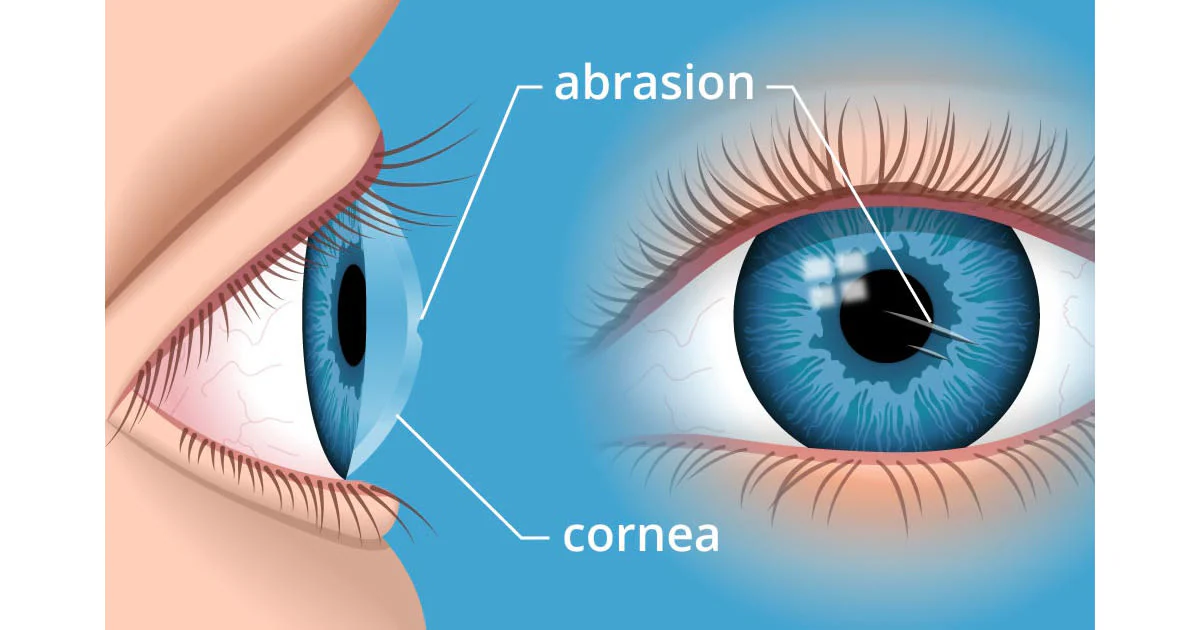
Cornea eye problems are conditions that affect the clear front surface of the eye. The cornea helps focus light and protects the eye from infection and injury. When the cornea becomes damaged, it can cause blurred vision, redness, pain, and sensitivity to light.
Cornea eye treatment in Indore when these symptoms begin affecting their daily life. Early diagnosis is important because untreated corneal conditions can lead to permanent vision problems.
The most common cornea problems include keratoconus, corneal infections, corneal ulcers, corneal dystrophy, and severe dry eye. Understanding these conditions helps patients recognize early warning signs and seek medical care before the problem becomes serious.
What Causes Cornea Eye Problems?
The cornea can become damaged due to infections, injuries, genetic conditions, or environmental factors. Since the cornea is exposed to dust, bacteria, and pollution, it is vulnerable to several eye conditions.
People often visit a cornea hospital in Indore when symptoms such as redness, irritation, or blurred vision begin affecting their routine activities.
Common causes include:
• Bacterial, viral, or fungal infections
• Eye injuries caused by dust or chemicals
• Excessive eye rubbing
• Long term contact lens use
• Genetic corneal diseases
• Severe dry eye syndrome
Symptoms of corneal problems may include:
• Blurred vision
• Redness and irritation
• Eye pain
• Light sensitivity
• Excessive tearing
Early diagnosis helps prevent complications and protects vision.
What Is Keratoconus?
Keratoconus is a condition in which the cornea becomes thin and bulges outward into a cone shape. This irregular shape affects the way light enters the eye and causes distorted vision.
People searching for early signs of keratoconus and corneal disorders may notice gradual changes in their vision over time.
Common symptoms include:
• Blurred or distorted vision
• Frequent change in glasses prescription
• Sensitivity to bright lights
• Difficulty seeing clearly at night
Risk factors may include family history, eye rubbing, and chronic allergies.
Treatment depends on the severity of the condition. In early stages, glasses or contact lenses may help. In advanced stages, a top cornea surgeon in Indore may recommend specialized procedures to strengthen the cornea.
What Is Corneal Infection (Keratitis)?
Corneal infection, also called keratitis, occurs when bacteria, viruses, fungi, or parasites infect the cornea. This infection can develop quickly and may lead to corneal ulcers if not treated early.
People often search how to treat corneal ulcers and infections when symptoms appear suddenly.
Common symptoms include:
• Severe eye pain
• Redness
• Blurred vision
• Light sensitivity
• White spot on the cornea
Risk factors include improper contact lens hygiene, eye injuries, and exposure to contaminated water.
Treatment usually involves antibiotic, antiviral, or antifungal medications depending on the type of infection.
What Is Corneal Dystrophy?
Corneal dystrophy refers to a group of inherited conditions that affect the layers of the cornea. These disorders develop when abnormal material accumulates within corneal tissue.
People researching causes and treatment of corneal diseases affecting vision often learn that these conditions develop slowly and may not show symptoms early.
Symptoms may include:
• Blurred or cloudy vision
• Eye irritation
• Sensitivity to light
• Recurrent corneal surface damage
In advanced cases, patients may require surgical treatment such as cornea transplant in Indore to restore clear vision.
How Does Dry Eye Damage the Cornea?
Dry eye occurs when the eyes do not produce enough tears to keep the cornea moist. Tears help protect and nourish the corneal surface.
When dryness becomes severe, it can damage the corneal tissue and affect vision quality.
Many patients visit an eye hospital for cornea treatment in Indore when dryness begins causing discomfort or visual problems.
Symptoms of dry eye include:
• Burning sensation
• Redness
• Blurred vision
• Eye fatigue
• Gritty feeling in the eyes
Treatment usually includes artificial tears, lubricating eye drops, and lifestyle changes.
How Are Cornea Problems Diagnosed?
Eye doctors use advanced diagnostic tools to examine the cornea and detect abnormalities.
Patients visiting the best cornea doctor in Indore may undergo several eye tests to identify the condition accurately.
Common diagnostic methods include:
• Corneal topography to map cornea shape
• Slit lamp examination to detect infection or injury
• Imaging scans for detailed cornea evaluation
• Tear film tests for dry eye detection
Early diagnosis helps doctors recommend the most effective treatment plan.
When Should You See a Cornea Specialist?
Many people ignore early symptoms of corneal disease. However, timely medical consultation is essential to prevent serious vision damage.
You should consult a doctor if you experience:
• Sudden blurred vision
• Eye pain or redness
• Sensitivity to light
• Persistent dry eyes
• White spots on the cornea
An experienced corneal specialist in Indore can diagnose the problem and recommend appropriate treatment.
FAQs About Cornea Eye Treatment
1. What is the most common corneal disease?
Keratoconus is the most common corneal disease where the cornea becomes thin and cone shaped causing blurred vision.
2. What weakens the cornea?
Eye rubbing, infections, injuries, genetics, contact lens misuse, and severe dryness can weaken the cornea over time.
3. How do you know if you have cornea problems?
Blurred vision, redness, eye pain, light sensitivity, excessive tearing, and difficulty seeing clearly are common symptoms.
4. Can cornea problems be cured?
Many cornea problems can be treated using medication, lenses, laser procedures, or surgery depending on severity.
5. What are the top 3 eye diseases?
The most common eye diseases worldwide are cataract, glaucoma, and age related macular degeneration affecting vision.
6. Can eye drops treat cornea disease?
Yes, eye drops treat infections, inflammation, dryness, and other corneal problems depending on the cause.
7. What is the most common treatment for corneal damage?
Doctors usually prescribe medicated eye drops, antibiotics, protective lenses, or surgery for severe corneal damage.
8. What are the 10 most common eye problems?
Dry eye, cataract, glaucoma, keratoconus, conjunctivitis, macular degeneration, refractive errors, corneal ulcers, infections, and diabetic eye disease.
9. What is the best treatment for the cornea?
Treatment depends on the condition and may include medication, contact lenses, laser procedures, or corneal transplant surgery.
10. What disease can damage the cornea?
Keratitis, keratoconus, corneal dystrophy, dry eye disease, infections, and injuries can damage the cornea.
Conclusion
Corneal diseases are a common cause of vision problems around the world. Since the cornea is responsible for focusing light and protecting the eye, any damage to this structure can affect eyesight.
Conditions such as keratoconus, corneal infections, corneal dystrophy, and severe dry eye may develop gradually but can lead to serious complications if untreated.
Recognizing early symptoms like redness, blurred vision, and eye pain allows patients to seek timely care. Early diagnosis improves treatment outcomes and helps protect long term vision.
Consulting a qualified eye specialist ensures accurate diagnosis and appropriate treatment for corneal conditions.