







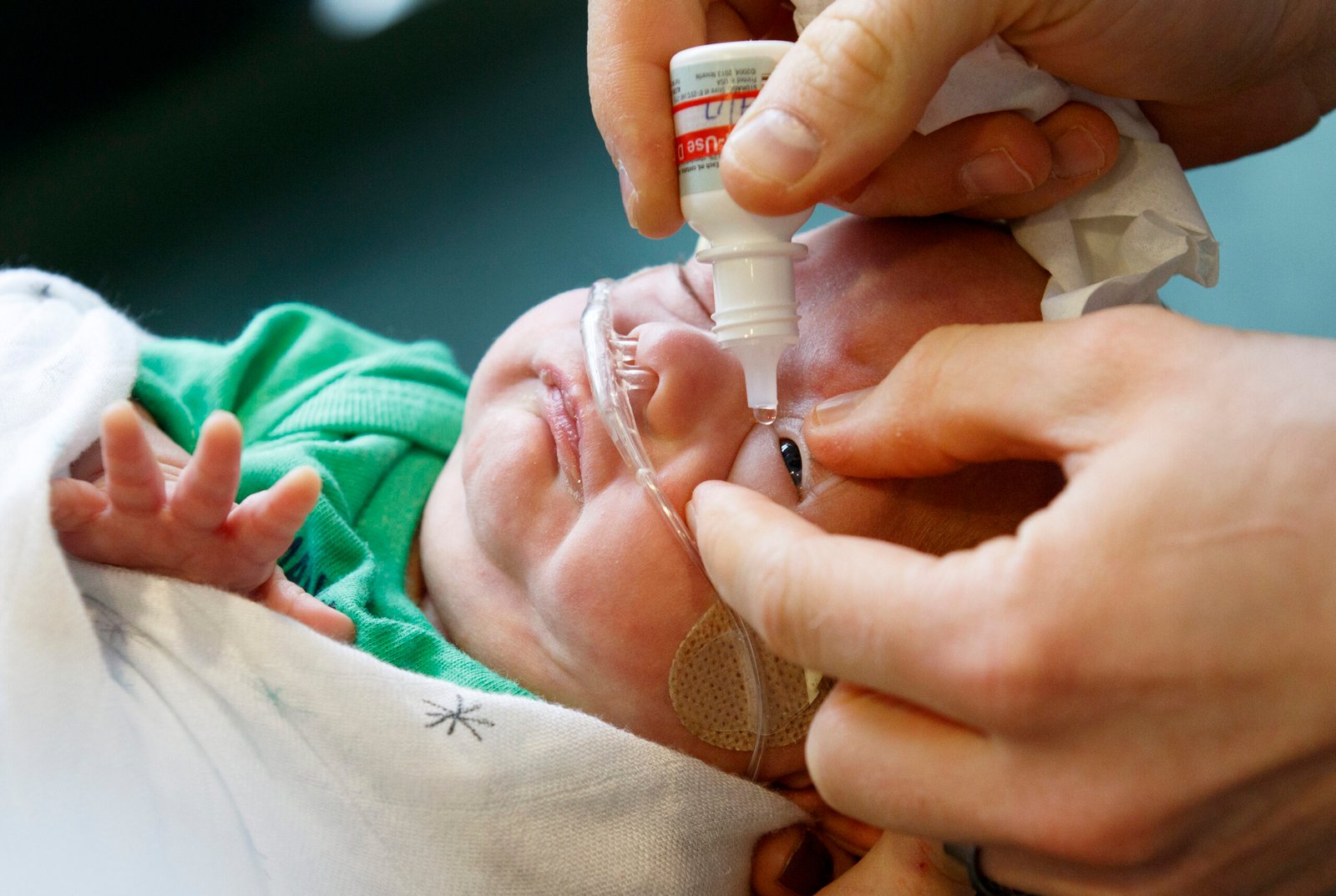
Retinopathy of Prematurity is a condition that affects the eyes of premature babies. It occurs when retinal blood vessels grow abnormally and may damage the retina. Early diagnosis and treatment help protect the baby’s vision and prevent complications.
After treatment, careful monitoring is very important. Babies who undergo Rop screening treatment in Indore must attend regular follow-up visits so doctors can observe how the retina is healing and developing.
The retina continues to grow during the first months of life. Because of this, doctors carefully monitor retinal development after treatment to ensure that the disease does not return.
Follow-up care after treatment usually includes:
• Regular retina examinations
• Monitoring blood vessel growth in the retina
• Checking for signs of retinal detachment
• Evaluating the baby’s visual response
• Ensuring proper eye development
These follow-up visits help doctors detect any problem early and provide timely treatment if needed.
Why Follow-Up Care Is Important After ROP Treatment and rop screening test
After ROP treatment, the retina needs time to heal and develop normally. In some babies, abnormal blood vessels may still grow even after treatment. Because of this, doctors recommend regular eye examinations after a rop screening test.
Follow-up appointments help doctors monitor the progress of the treatment. These visits ensure that the disease has stopped progressing and that the retina remains healthy.
Doctors examine several important factors during follow-up visits.
These examinations help doctors:
• Detect new abnormal blood vessel growth
• Identify retinal scarring early
• Monitor retinal stability
• Prevent retinal detachment
• Track visual development in the baby
Regular follow-up visits are important for maintaining long-term eye health and preventing complications.
Eye Monitoring After Eye treatment in Indore for Premature Babies
Premature babies who receive Eye treatment in Indore for ROP require regular eye monitoring during infancy. These examinations help specialists observe retinal growth and ensure the treatment was successful.
Doctors perform detailed retina examinations to monitor how the eye is developing.
Important eye evaluations include:
• Retina examination after ROP treatment
• Monitoring blood vessel growth in the retina
• Checking for retinal scarring or traction
• Evaluating visual response to light and objects
• Assessing overall eye development
These eye examinations are quick and safe for babies. They provide valuable information about retinal health and visual development.
Parents should attend every scheduled appointment because regular monitoring helps protect the baby’s vision.
Long-Term Monitoring at Best rop screening hospital in indore
Even after successful treatment, long-term monitoring remains important. Children who had ROP as babies may still develop certain vision problems later in childhood.
Doctors recommend visiting the Best rop screening hospital in indore regularly to monitor eye health as the child grows.
Long-term eye monitoring helps detect vision issues early.
Doctors usually check for:
• Refractive errors such as myopia
• Lazy eye or amblyopia
• Eye alignment problems
• Retinal complications
• Visual development during childhood
Early detection of these conditions allows doctors to start treatment quickly and improve vision outcomes.
Long-term monitoring ensures that children maintain healthy vision as they grow.
Signs Parents Should Watch After ROP Treatment
Parents play an important role in monitoring their baby’s eye health after treatment. While most babies recover well, some warning signs may indicate a problem.
Parents should carefully observe the baby’s visual behavior during early development.
Possible warning signs include:
• Lack of eye contact with parents
• Eyes not moving together
• Unusual eye movements
• White reflection in the pupil
• Poor response to visual objects
These signs do not always mean a serious problem. However, parents should consult an eye specialist if they notice any unusual eye behavior.
Early medical evaluation helps doctors diagnose problems quickly and protect the child’s vision.
Retinal Development Check After ROP Therapy
After treatment, doctors monitor the Retinal development check after ROP therapy to ensure the retina continues to grow normally. Retinal development during infancy is important for healthy vision later in life.
Doctors examine the retina carefully during follow-up visits to confirm that the treated areas remain stable.
Retina monitoring usually includes:
• Checking healing of treated retinal areas
• Monitoring new blood vessel growth
• Evaluating retinal structure
• Detecting scar tissue formation
• Ensuring retinal stability
These examinations allow doctors to detect early changes and prevent complications.
Proper monitoring helps ensure that the retina continues to develop normally during the baby’s early growth.
Neonatal Eye Screening After ROP Laser Treatment
Doctors often recommend Neonatal eye screening after ROP laser treatment to evaluate how the baby’s vision develops. Early screening helps identify vision issues during infancy.
Eye specialists use special instruments to observe the baby’s visual responses and eye movements.
These screenings usually evaluate:
• Vision monitoring in premature infants
• Pupil reaction to light
• Eye movement coordination
• Ability to track moving objects
• Overall visual development
Early screening helps detect problems such as lazy eye or vision delays.
Regular neonatal eye examinations support healthy visual development during the first years of life.
Care Tips for Parents After ROP Treatment
Parents can support their baby’s eye health by following simple care practices at home. These habits help maintain good vision and support recovery after Premature baby eye care after ROP treatment.
Following the doctor’s advice is essential for maintaining eye health.
Helpful care tips include:
• Attend every follow-up eye appointment
• Observe the baby’s visual behavior regularly
• Maintain regular pediatric health checkups
• Ensure proper nutrition for the baby
• Ask questions during doctor visits
Parents should also maintain communication with eye specialists to understand the baby’s eye development.
Early care and monitoring can significantly improve long-term vision outcomes.
FAQs About Rop screening treatment
1. How many times is a ROP test done?
ROP screening is repeated several times during infancy until the retina fully develops and the disease stops progressing.
2. Does ROP lead to blindness?
Severe untreated ROP may cause blindness, but early diagnosis and treatment significantly reduce this risk.
3. What are the late complications of ROP?
Late complications include retinal detachment, refractive errors, lazy eye, and reduced vision during childhood.
4. What is the success rate of ROP treatment?
ROP treatment has high success rates when detected early and treated by experienced retina specialists.
5. What is the new guideline for ROP?
New ROP guidelines emphasize early screening, timely treatment, and regular follow-up for premature infants.
6. Does retinopathy always progress?
No. In many cases mild ROP stops progressing naturally without treatment.
7. What are the symptoms of worsening retinopathy?
Symptoms may include abnormal eye movements, lack of visual response, or poor visual tracking in babies.
8. How long is ROP laser treatment?
ROP laser treatment usually takes about thirty to sixty minutes depending on the severity of the disease.
9. What happens after ROP?
Babies require regular eye checkups to monitor retinal development and prevent vision problems.
10. Which is the best hospital for ROP in India?
Choose hospitals with experienced pediatric retina specialists and advanced neonatal eye care facilities.
Conclusion
Retinopathy of Prematurity is a serious eye condition that affects premature babies. Early diagnosis and treatment help prevent severe vision problems. However, follow-up care remains a critical part of managing this condition.
Regular eye examinations allow doctors to monitor retinal healing, detect new abnormal blood vessels, and ensure that the retina develops properly. Parents should always follow the recommended follow-up schedule and attend every appointment.
Long-term monitoring also helps identify vision problems that may develop during childhood. With proper care, early screening, and regular monitoring, many children treated for ROP grow up with healthy vision.
Understanding the importance of follow-up care helps parents take the right steps to protect their child’s eyesight and support healthy visual development.