









The fear of pain during eye surgery stops thousands of people every year from getting the treatment their eyes genuinely need. Patients arriving at our Eye hospital in Indore for the first time almost always ask the same question: will this hurt? The truthful and reassuring answer is that the vast majority of modern eye surgical procedures cause no significant pain during the operation itself.
Fact: The American Refractive Surgery Council reports that patient-reported pain during LASIK is described as a 1 out of 10 on average by most people who have undergone the procedure. Cataract surgery, performed on over 10 million patients annually in India according to the National Programme for Control of Blindness (NPCB), is routinely completed with patients reporting only mild pressure and no pain. Eye Treatment in Indore delivered at a properly equipped specialist center follows the same international protocols that make these outcomes possible.
Pain during eye surgery has become rare because of how dramatically surgical techniques and anesthesia delivery have improved over the past two decades. Understanding this clearly helps patients make informed decisions without unnecessary fear.
How Much Pain Is Involved in LASIK Eye Surgery?
LASIK eye surgery pain is one of the most searched topics by people considering vision correction. Reality is consistently better than fear.
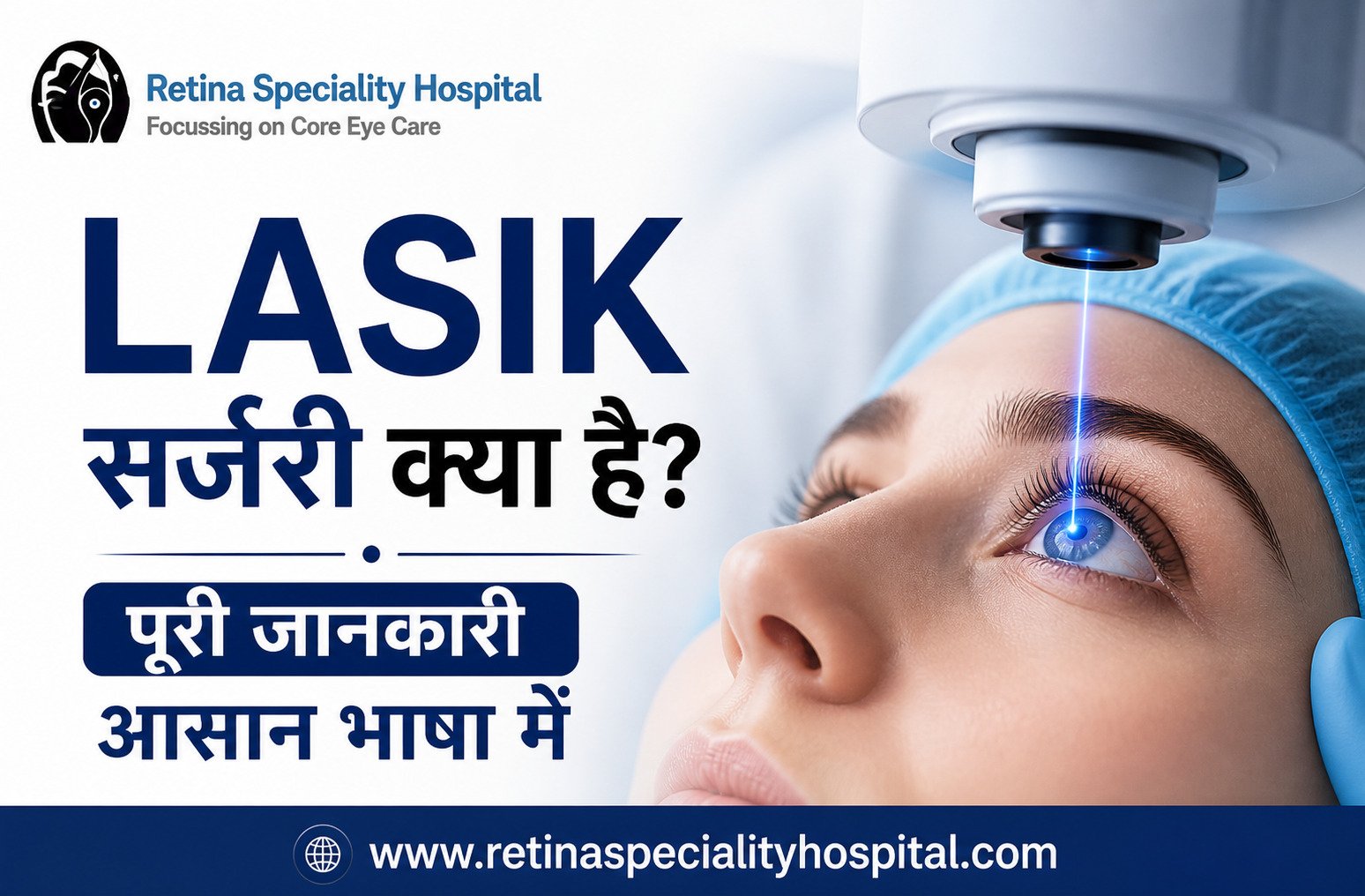
Before LASIK begins, numbing eye drops are applied two to three times to fully anesthetize the eye surface. These drops work within 30 to 60 seconds and prevent any sharp sensation during the procedure.
What patients actually feel during LASIK:
- A soft suction ring placed on the eye creates a feeling of pressure but not pain
- The laser treatment itself lasts between 15 and 45 seconds per eye
- Some patients notice a faint smell during laser application which is completely normal
- A cool sensation from the laser and gentle irrigating fluid
- Bright lights and mild blurring of vision during the procedure
After the numbing drops wear off, usually 2 to 4 hours after surgery, mild burning, watering, and light sensitivity are common. This discomfort is typically at its peak in the first 4 to 6 hours and improves significantly by the next morning. Over-the-counter pain relief and prescribed eye drops manage this effectively for almost all patients.
Cataract Surgery Pain Experience: What Really Happens
Cataract surgery is the most commonly performed eye procedure worldwide and also one of the most comfortable for patients. The cataract surgery pain experience at a modern Eye hospital in Indore is typically described by patients as far easier than they expected.
The eye is numbed using either topical anesthetic drops applied to the eye surface or a small painless injection near the eye. The patient remains awake throughout but feels no pain. Patients see shifting colors and lights during the procedure which some find interesting rather than distressing.
The entire operation takes between 10 and 20 minutes in experienced hands. After surgery the eye may feel gritty or slightly uncomfortable for 24 to 48 hours. Significant pain after uncomplicated cataract surgery is uncommon and should always be reported to your Eye Doctor in Indore if it occurs.
Retina Surgery Recovery Pain and Laser Treatment Discomfort
Retina surgery recovery pain is more variable than LASIK or cataract discomfort because retinal procedures range from simple in-office laser treatments to more involved surgical procedures.
1. Laser Treatment for Retinal Conditions
Laser treatment for diabetic retinopathy or retinal tears is performed in an outpatient setting using numbing drops. Patients may feel brief stinging or pressure sensations with each laser pulse. The treatment is uncomfortable for some patients but is generally tolerable and brief. Laser eye treatment discomfort is typically described as mild to moderate and resolves quickly after the session ends.
2. Vitrectomy Surgery
More complex retinal surgery like vitrectomy is performed under deeper local anesthesia or general anesthesia. The eye and surrounding area are fully numbed. Patients feel no pain during the procedure. Post-surgery eye pain after vitrectomy is managed with oral pain relief and medicated eye drops during recovery.
Eye Surgery Pain Level Comparison Table
Here is a clear summary of what patients at our Eye Treatment in Indore center typically experience across different procedures:
| Procedure | Pain During Surgery | First 24 Hours | Days 2 to 7 | Typical Recovery |
| LASIK | 1 out of 10 | 2 to 3 out of 10 | 1 out of 10 | 1 to 7 days |
| Femto LASIK | 1 out of 10 | 2 out of 10 | 1 out of 10 | 1 to 5 days |
| Cataract Surgery | 0 to 1 out of 10 | 1 to 2 out of 10 | 1 out of 10 | 2 to 6 weeks |
| Retinal Laser | 2 to 3 out of 10 | 1 to 2 out of 10 | 0 to 1 out of 10 | 1 to 2 weeks |
| Vitrectomy | 0 out of 10 (anesthesia) | 3 to 4 out of 10 | 2 out of 10 | 4 to 8 weeks |
| Glaucoma Surgery | 0 to 1 out of 10 | 2 to 3 out of 10 | 1 to 2 out of 10 | 2 to 4 weeks |
All pain levels above are based on average patient-reported experience and are managed with prescribed medication. Severe or unexpected pain after any procedure should always be reported to your Eye specialist in Indore on the same day.
Eye Operation Side Effects and How They Are Managed
Understanding eye operation side effects helps patients distinguish normal recovery from warning signs that need medical attention.
Normal side effects after eye surgery:
- Watering and mild redness in the first 24 to 48 hours
- Light sensitivity, especially after LASIK
- Slightly blurry or fluctuating vision during initial healing
- Gritty or foreign body sensation
- Mild swelling around the eye after more involved procedures
Side effects that need immediate attention:
- Sudden severe pain not controlled by prescribed medication
- Significant loss of vision compared to immediately after surgery
- Increasing redness that worsens after the first 48 hours
- Discharge that is yellow or green in color
- Visible changes to the eye such as swelling or shape change
Any of the above should prompt a same-day call to your Eye hospital in Indore care team without waiting for the next scheduled appointment.
How to Reduce Fear and Stress Before Eye Surgery
Is eye surgery stressful? For many patients the answer is yes before the procedure but rarely during or after it. Managing pre-surgical anxiety effectively makes the entire experience better.
Practical steps to feel calmer before surgery:
- Attend your pre-surgery consultation and write down every question you have
- Ask your surgeon to walk you through exactly what will happen step by step
- Arrange for a trusted family member or friend to accompany you on surgery day
- Avoid reading unverified online accounts of bad experiences which are not representative
- Inform your surgical team if you are very anxious so they can provide additional reassurance
- Remember that the numbing drops work fully before any instrument touches your eye
- Focus on the outcome rather than the procedure itself
The care team at Eye hospital in Indore is experienced in supporting anxious patients and will never proceed until you feel ready and comfortable.
Case Study:
A 44-year-old accountant in Indore had avoided cataract surgery for nearly three years despite significantly worsening vision in her right eye. Her primary reason was a severe fear of any procedure near her eyes. She could not watch medical content on television without feeling anxious.
After a detailed one-hour consultation with her Eye specialist in Indore, during which the surgeon demonstrated the numbing drops on her finger to show how complete the anesthesia was, she agreed to schedule surgery. The surgeon also invited her to ask questions at any point during the procedure itself.
On surgery day she was calm enough to proceed. She reported feeling only a mild pressure sensation and said she was surprised that she could not feel the instruments at all. The 16-minute procedure was completed without any distress. She described the experience as watching an unusual light show.
At her one-week follow-up her vision in the operated eye had improved from 6/60 to 6/9. She immediately booked her second eye surgery for the following month. She later told the care team that her three years of delay had cost her unnecessary hardship that she deeply regretted..
Frequently Asked Questions (FAQ)
Q1. Is eye surgery very painful?
No. Most eye surgeries use numbing drops or local anesthesia that completely prevent sharp pain during the procedure. Patients feel pressure and mild sensations but not significant pain. Post-surgery eye pain is mild and well controlled with prescribed medication at any qualified Eye hospital in Indore.
Q2. Can I cry after eye surgery?
Gentle emotional tears are generally safe after eye surgery. The key is to never rub or press the eye when wiping tears. Use a clean soft tissue and dab gently around the eye without touching the eye surface directly. If tearing is excessive or accompanied by pain, contact your Eye specialist in Indore promptly.
Q3. How many days rest after eye surgery?
After LASIK most patients rest for one day and return to light activities within 24 to 48 hours. Cataract surgery patients resume light daily activities within 2 to 3 days. More complex retinal surgery may require 1 to 6 weeks of modified activity. Your Eye Doctor in Indore will give specific guidance based on your procedure.
Q4. Is eye operation risky?
Every surgical procedure carries some level of risk but modern eye surgery has very high safety rates. LASIK serious complication rates are below 1%. Cataract surgery is considered one of the safest procedures performed globally. Choosing an experienced Eye hospital in Indore with proper equipment significantly reduces any risk.
Q5. How scary is eye surgery?
Pre-surgery anxiety is very common and completely understandable. Most patients report that the actual experience is far less frightening than they anticipated. A thorough pre-surgery consultation, clear communication during the procedure, and supportive aftercare make the experience manageable for the vast majority of patients.
Q6. Can I cry after LASIK surgery?
Yes, emotional crying is acceptable after LASIK. Natural tears will not damage the LASIK flap. However, avoid rubbing the eye area and do not press tissues directly against the eye surface. If you experience uncontrolled excessive tearing with burning or pain, contact your Eye Treatment in Indore care team for advice.
Q7. Is eye surgery stressful?
Anticipation of eye surgery is stressful for many patients but the procedure itself is managed to minimize stress through numbing, clear communication, and surgical team support. Most patients at Eye hospital in Indore report feeling calm during the procedure once it begins because there is no pain and the team keeps them informed throughout.
Q8. Can you cry after eye surgery in general?
Gentle emotional tears are acceptable after most eye surgeries. The critical rule is to never rub or wipe the eye directly. After more complex retinal or glaucoma surgery, ask your Eye Doctor in Indore specifically about what level of eye contact is safe during your recovery period. Following aftercare instructions fully protects your healing and your outcome.
Conclusion
Eye surgery in 2026 is a carefully designed, patient-focused experience where pain is actively minimized from the moment you arrive at the Eye hospital in Indore to the day you complete your recovery. Whether you are considering LASIK for vision correction, cataract surgery to restore clarity, or a retinal procedure to protect your sight, the eye surgery pain level you experience will almost certainly be far lower than your fear suggests. The most important step is to stop delaying and start with a consultation. An honest conversation with an Eye Doctor in Indore gives you the real information you need to make a confident decision and take back control of your vision and your quality of life