







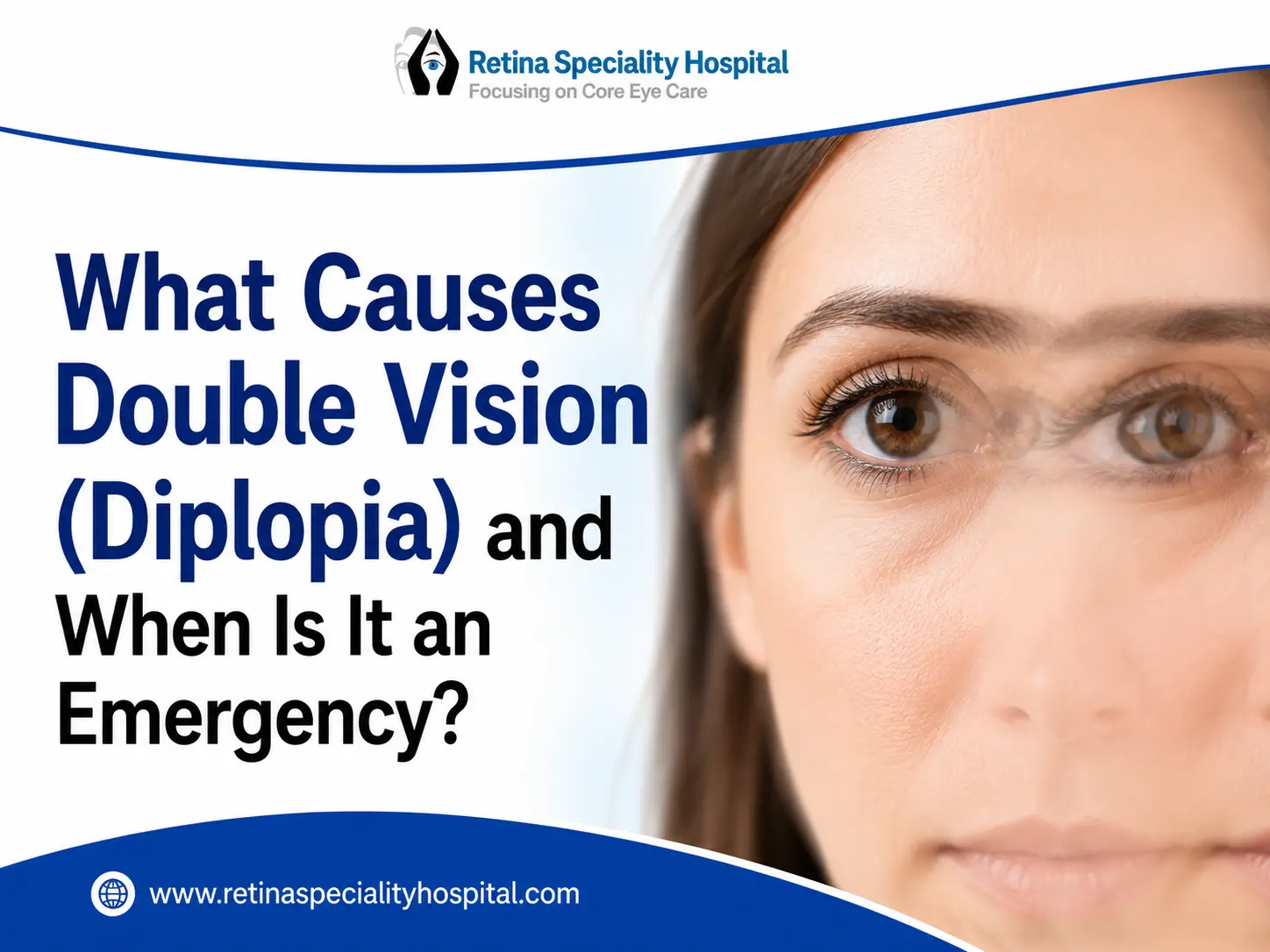
Seeing two images of a single object can be frightening. Whether it happens suddenly or develops gradually, What Causes Double Vision is one of the most common questions patients ask when they experience this unusual vision problem. Also known as diplopia, double vision may be temporary and harmless in some cases, but it can also be an early warning sign of a serious eye or neurological condition that requires immediate medical attention.
Double vision can affect one eye or both eyes and may occur constantly or only during certain activities. Because the underlying causes range from simple refractive errors to retinal diseases, nerve disorders, and even stroke, prompt evaluation is essential. Understanding why double vision occurs and recognizing emergency symptoms can help protect both your vision and your overall health.
What Causes Double Vision? Understanding Diplopia
What Causes Double Vision depends largely on whether the problem affects one eye (monocular diplopia) or both eyes (binocular diplopia).
Normally, both eyes work together to produce one clear image. The brain combines the information received from each eye into a single picture. When this coordination is disrupted, two separate images may appear.
Double vision may result from problems involving:
- The cornea
- The eye lens
- Eye muscles
- Cranial nerves
- Retina
- Brain pathways responsible for vision
Some causes are minor, while others require emergency treatment.
Types of Double Vision
Understanding the type of diplopia helps doctors identify the underlying cause.
Monocular Double Vision
This type remains even when the unaffected eye is closed.
Common causes include:
- Dry eye syndrome
- Corneal irregularities
- Cataracts
- Astigmatism
- Lens abnormalities
Monocular diplopia is often related to problems within the affected eye itself.
Binocular Double Vision
This type disappears when either eye is closed.
It usually develops because both eyes are not properly aligned.
Common causes include:
- Eye muscle disorders
- Nerve palsies
- Thyroid eye disease
- Brain disorders
- Head injuries
Binocular diplopia generally requires a more detailed medical evaluation.
Common Causes of Double Vision
Many different eye and health conditions can cause diplopia.
Refractive Errors
Uncorrected astigmatism or significant changes in vision may occasionally produce ghost images or double vision.
Dry Eye Disease
An unstable tear film affects how light enters the eye, leading to temporary blurred or double vision that often improves after blinking.
Cataracts
As cataracts become denser, they scatter incoming light, creating overlapping images and reduced visual clarity.
Corneal Disorders
Corneal scars, infections, keratoconus, or swelling can distort incoming light and produce monocular double vision.
Eye Muscle Problems
The six muscles controlling eye movement must work together precisely. Weakness or paralysis in one muscle can result in binocular diplopia.
Cranial Nerve Disorders
Several nerves control eye movements. Conditions affecting these nerves may prevent the eyes from moving together properly.
Retinal Disorders
Although less common, certain retinal diseases affecting the macula can distort vision and occasionally create symptoms similar to double vision. Patients requiring Retina treatment in Indore should undergo a comprehensive retinal examination to identify any underlying retinal abnormalities.
Medical Conditions That Can Cause Double Vision
Double vision is sometimes the first sign of an underlying health condition.
Possible medical causes include:
- Diabetes
- High blood pressure
- Stroke
- Brain aneurysm
- Multiple sclerosis
- Myasthenia gravis
- Thyroid eye disease
- Brain tumors
- Migraine with aura
- Vitamin deficiencies
- Severe infections
Because these conditions vary greatly in severity, timely diagnosis is essential.
When Is Double Vision an Emergency?
Not every case of diplopia is an emergency, but some situations require immediate medical care.
Seek urgent evaluation if double vision occurs with:
- Sudden vision loss
- Severe headache
- Difficulty speaking
- Facial drooping
- Weakness in the arms or legs
- Difficulty walking
- Eye pain
- Sudden eyelid drooping
- Loss of balance
- Confusion
- Recent head injury
These symptoms may indicate a stroke, aneurysm, nerve damage, or another life-threatening condition requiring emergency treatment.
If double vision appears suddenly without an obvious explanation, do not ignore it. Immediate assessment by an experienced eye doctor in Indore or emergency medical team is strongly recommended.
Symptoms That May Accompany Double Vision
Double vision often occurs alongside other symptoms that provide important diagnostic clues.
These may include:
- Blurred vision
- Headache
- Dizziness
- Eye strain
- Nausea
- Difficulty focusing
- Eye pain
- Drooping eyelid
- Unequal pupil size
- Light sensitivity
Recording when symptoms occur and whether they improve after closing one eye can help your ophthalmologist determine the underlying cause.
How Doctors Diagnose the Cause of Double Vision
Diagnosing diplopia begins with a detailed medical history and comprehensive eye examination.
Your ophthalmologist may perform:
- Visual acuity testing
- Eye movement assessment
- Alignment testing
- Slit-lamp examination
- Dilated retinal examination
- Eye pressure measurement
- Corneal evaluation
Depending on your symptoms, additional investigations such as blood tests, neurological evaluation, imaging studies, or specialized retinal scans may also be recommended.
Patients visiting an Indore best eye hospital benefit from advanced diagnostic technology that helps identify both common and rare causes of double vision quickly and accurately.
Can Retinal Problems Cause Double Vision?
Although most cases of diplopia are related to eye alignment or nerve disorders, retinal diseases can occasionally produce distorted or overlapping images.
Conditions involving the macula—the central part of the retina responsible for sharp vision—may create visual distortion that patients describe as double vision.
Consulting Top retina specialists in Indore is especially important if double vision is accompanied by:
- Distorted straight lines
- Central blurred vision
- Floaters
- Flashes of light
- Sudden loss of central vision
Early retinal evaluation can prevent permanent vision loss in many cases.
Treatment Options for Double Vision (Diplopia)
The treatment for diplopia depends entirely on identifying what causes double vision. Since double vision is a symptom rather than a disease, managing the underlying condition is the key to restoring normal vision.
Your ophthalmologist may recommend one or more of the following treatments:
Prescription Glasses
If refractive errors such as astigmatism are causing double vision, an updated prescription can often improve vision significantly.
Lubricating Eye Drops
Dry eye syndrome is a common cause of temporary monocular double vision. Artificial tears and other dry eye treatments can stabilize the tear film and reduce symptoms.
Prism Glasses
Special prism lenses help align the images seen by each eye, making binocular double vision less noticeable. They are often recommended for certain nerve or muscle disorders.
Medication
Some underlying conditions, including thyroid eye disease, myasthenia gravis, infections, or inflammation, may require prescription medications to relieve symptoms and treat the root cause.
Eye Muscle Surgery
If double vision results from muscle imbalance or persistent eye misalignment, surgery may be recommended to improve eye positioning and coordination.
Treatment for Retinal Conditions
When retinal diseases contribute to visual distortion, prompt Retina treatment in Indore can help preserve vision and reduce symptoms. Treatment may include laser procedures, intravitreal injections, or retinal surgery, depending on the diagnosis.
Can Double Vision Go Away on Its Own?
In some situations, yes.
Temporary double vision caused by fatigue, dry eyes, certain medications, or migraine may resolve once the underlying issue improves.
However, persistent or sudden double vision should never be ignored. If symptoms last more than a few hours, recur frequently, or worsen over time, a comprehensive eye examination is essential.
Self-diagnosis or delaying treatment can allow serious neurological or eye conditions to progress.
How to Reduce the Risk of Double Vision
Although not every cause of diplopia is preventable, maintaining good eye health and managing general health conditions can lower your risk.
Follow these practical tips:
- Schedule regular comprehensive eye examinations.
- Keep diabetes and high blood pressure under control.
- Wear protective eyewear during sports and hazardous work.
- Treat eye infections promptly.
- Follow proper contact lens hygiene.
- Avoid smoking.
- Eat a balanced diet rich in leafy vegetables, fruits, and omega-3 fatty acids.
- Stay hydrated to reduce dry eye symptoms.
- Seek medical care immediately after any eye or head injury.
Early diagnosis is often the best way to prevent complications that may affect vision permanently.
When Should You Visit an Eye Doctor?
You should consult an ophthalmologist immediately if you experience:
- Sudden onset of double vision
- Persistent blurred or double vision
- Double vision after head trauma
- Eye pain with diplopia
- Drooping eyelid
- Severe headache with vision changes
- Difficulty moving the eyes
- Sudden flashes or floaters
- Vision loss
- Difficulty speaking or walking
These symptoms may indicate an emergency that requires immediate evaluation.
Visiting a qualified eye doctor in Indore ensures timely diagnosis and appropriate treatment before complications develop.
Why Early Diagnosis Is Important
Many people assume double vision is simply an eye power problem. In reality, it may be the first symptom of conditions affecting the retina, optic nerves, brain, or blood vessels.
An early diagnosis allows doctors to:
- Prevent permanent vision loss.
- Detect neurological disorders at an early stage.
- Treat retinal diseases before they progress.
- Improve long-term visual outcomes.
- Reduce the risk of serious medical complications.
Choosing a Top eye hospital in Indore provides access to advanced diagnostic equipment and multidisciplinary eye care under one roof.
Protect Your Vision by Taking Double Vision Seriously
Understanding What Causes Double Vision is the first step toward protecting your eyesight. While some cases result from minor conditions such as dry eyes or refractive errors, others may signal serious eye diseases, nerve disorders, or life-threatening neurological emergencies.
Ignoring persistent or sudden double vision can delay treatment and increase the risk of permanent vision loss. Prompt evaluation, accurate diagnosis, and personalized treatment significantly improve the chances of preserving healthy vision.
If you experience diplopia at any age, do not wait for symptoms to disappear on their own. Early consultation with experienced ophthalmologists helps ensure that both your eyes and overall health receive the attention they deserve.
Frequently Asked Questions (FAQs)
1. Is sudden double vision always an emergency?
Sudden double vision should always be evaluated promptly, especially if it is accompanied by severe headache, weakness, difficulty speaking, facial drooping, or vision loss. These symptoms may indicate a neurological emergency such as a stroke or aneurysm.
2. Can stress or fatigue cause double vision?
Yes. Severe fatigue, prolonged screen time, and stress can occasionally cause temporary double vision due to eye muscle strain. However, persistent or recurring symptoms require a professional eye examination.
3. Which doctor should I consult for double vision?
You should first consult an ophthalmologist for a comprehensive eye examination. Depending on the findings, you may also need evaluation by a neurologist or other specialists if the condition is related to nerves or the brain.
Call to Action
Double vision should never be ignored, especially when it develops suddenly or is associated with other concerning symptoms. At Retina Speciality Hospital, our experienced ophthalmologists provide comprehensive evaluations to identify the underlying cause and recommend the most appropriate treatment. Whether you need expert care from an eye doctor in Indore, advanced Retina treatment in Indore, or consultation with Top retina specialists in Indore, our team is committed to delivering personalized care using advanced diagnostic technology. If you’re looking for an Indore best eye hospital or a Top eye hospital in Indore for expert vision care, schedule your appointment today and take the first step toward protecting your eyesight.