








Diet cannot reverse diabetic retinopathy, but it can meaningfully slow its progression sugary foods, refined carbs, deep-fried items, and excess sodium all speed up retinal blood vessel damage, while leafy greens, fatty fish, and whole grains help protect it. At RETINA SPECIALITY HOSPITAL, recognized as the best hospital for diabetic retinopathy in Indore, we see diet as one part of a larger treatment plan not a replacement for medical care.
What Is Diabetic Retinopathy?
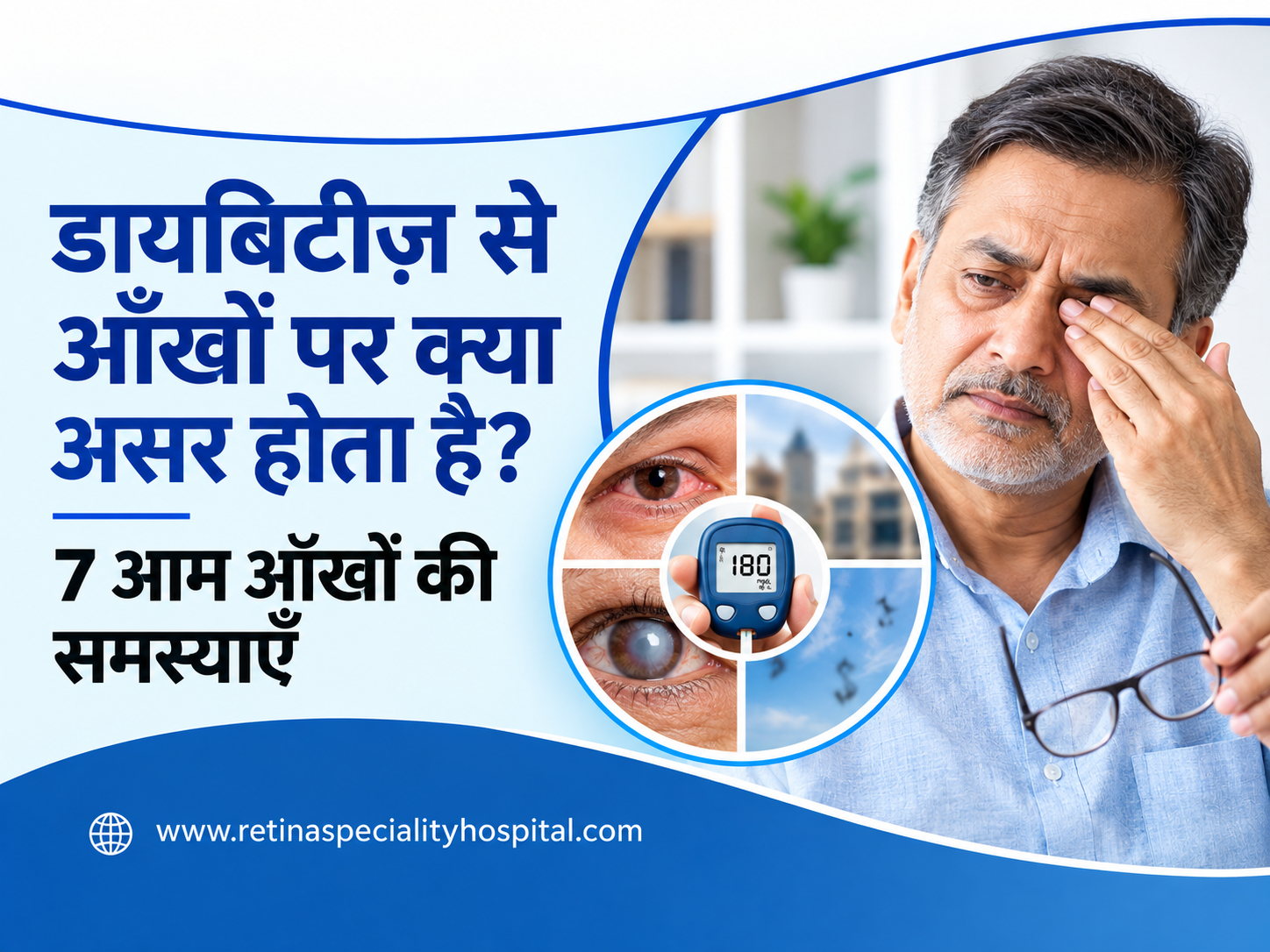
Diabetic retinopathy develops when consistently high blood sugar damages the tiny blood vessels in the retina. Over time, these vessels leak, swell, or close off entirely, gradually affecting eyesight often without obvious symptoms in the early stages.
Diabetic Retinopathy Symptoms
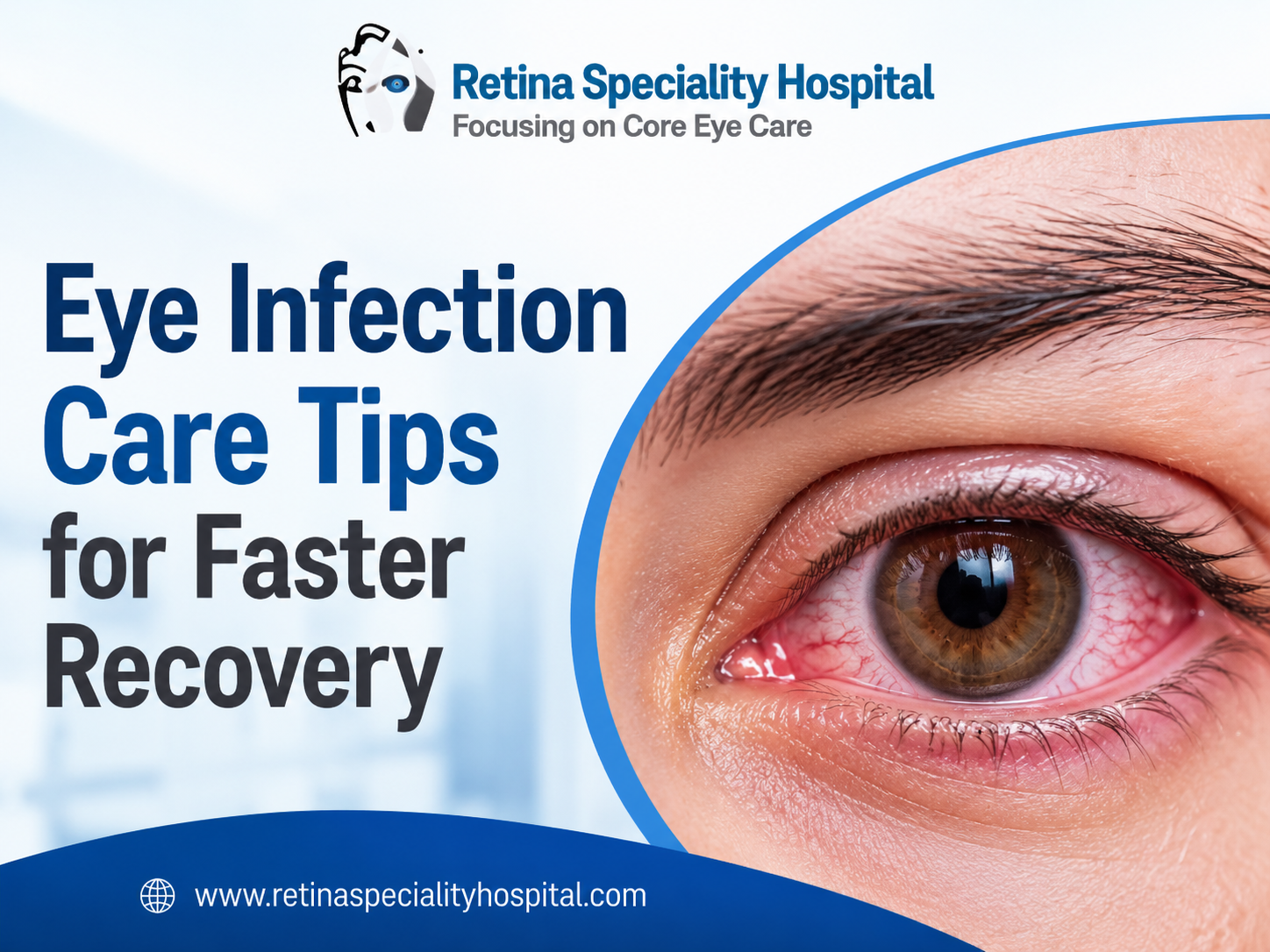
Retinopathy often has no warning signs early on, which is why regular eye check-ups matter even if your vision feels normal. Watch for:
- Blurred or fluctuating vision
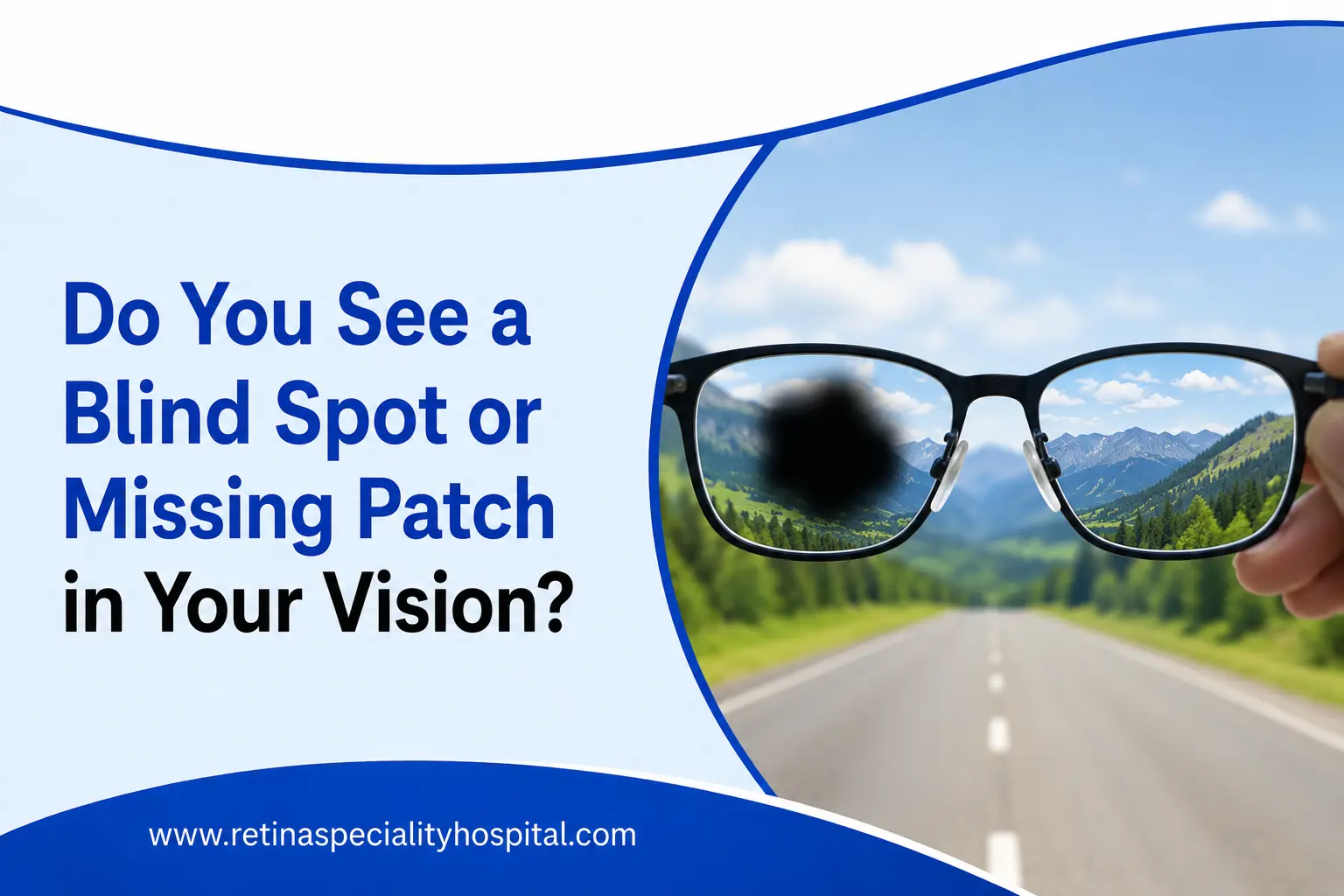
- Dark spots or floaters
- Difficulty seeing at night
- Colors appearing faded or washed out
- Sudden vision loss (a medical emergency)
If you notice any of these, don’t wait for your next scheduled check-up visit an eye specialist in Indore right away.
How Diet Affects Diabetic Retinopathy
| Dietary Factor | Effect on Retina |
| High sugar intake | Spikes blood glucose, directly damaging retinal vessels |
| Unhealthy/trans fats | Increases inflammation, reduces blood flow |
| Excess sodium | Raises blood pressure, stresses eye vessels |
| Processed foods | Creates oxidative stress |
| Refined carbs | Converts to sugar quickly, raising retinal workload |
Foods to Avoid with Diabetic Retinopathy
1. Sugary snacks and sweets Cakes, candies, ice cream, gulab jamun, jalebi. Swap for: fresh fruit, dark chocolate (70%+) in moderation.
2. White rice and refined flour Maida products, noodles, pizza base, biscuits. Swap for: brown rice, whole wheat rotis, millets.
3. Deep-fried foods Samosas, pakoras, fried chicken, fries, poori. Swap for: air-fried snacks, roasted chana, boiled options.
4. Processed and packaged foods Instant noodles, packet soups, chips, soft drinks. Swap for: homemade soups, coconut water, fruit-infused water.
5. Full-fat dairy and red meat Full-fat milk, excess ghee, mutton, beef. Swap for: low-fat milk, paneer in moderation, fish rich in omega-3.
6. High-sodium foods Pickles, papad, processed cheese, restaurant meals. Swap for: home-cooked low-sodium meals, herbs like basil and cinnamon.
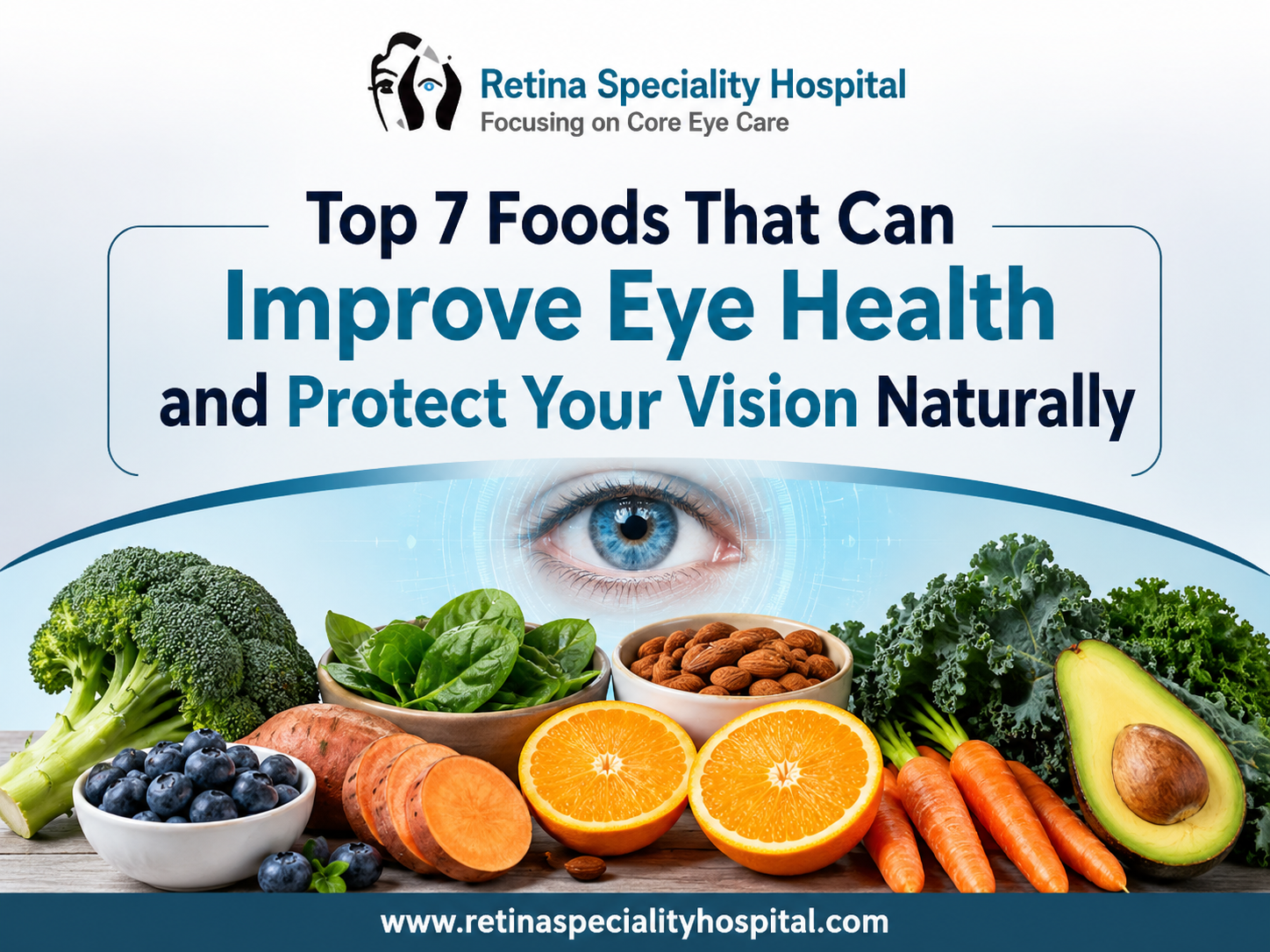
Foods to Prevent Diabetic Retinopathy
Alongside cutting harmful foods, actively include:
- Green leafy vegetables
- Carrots and sweet potatoes
- Almonds, walnuts, flaxseeds, chia seeds
- Fatty fish (salmon, sardines)
- Whole grains
These help balance blood sugar, reduce inflammation, and support retinal blood vessel health.
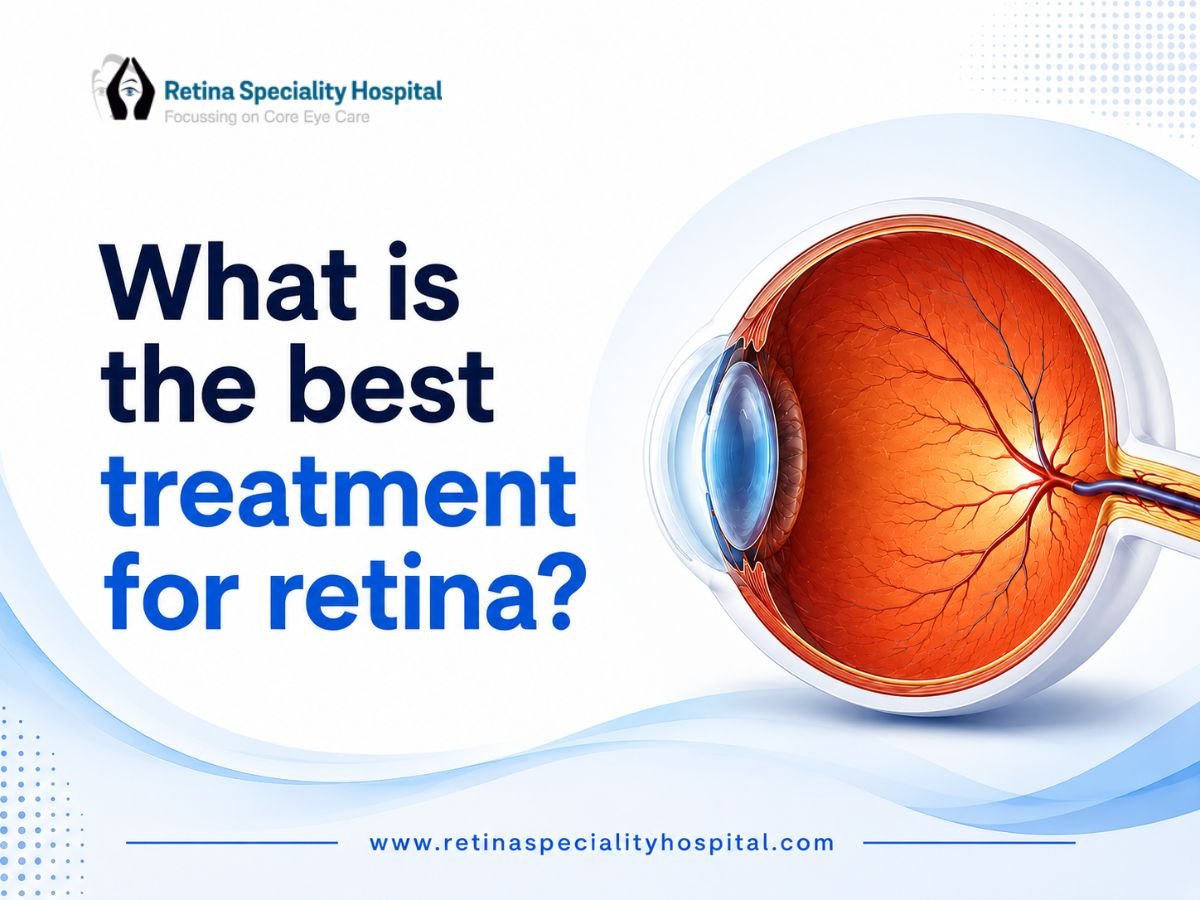
Diabetic Retinopathy Treatment Options
Diet supports management, but clinical treatment addresses the disease directly. Depending on severity, your retina specialist may recommend:
- Regular monitoring for early-stage, mild cases
- Anti-VEGF injections to reduce abnormal blood vessel growth and swelling
- Laser photocoagulation to seal leaking vessels and slow progression
- Vitrectomy surgery for advanced cases with bleeding or scar tissue
Early detection significantly improves outcomes this is why routine retina check-ups in Indore matter even before symptoms appear.
Lifestyle Changes That Help
- Monitor blood sugar regularly
- Exercise at least 30 minutes daily
- Stay well hydrated
- Manage stress and get adequate sleep
- Avoid smoking
- Get eyes checked every 6–12 months at a trusted eye care centre in Indore
Where to Get Checked in Indore
If you’re managing diabetes, don’t wait for symptoms to visit an eye doctor. RETINA SPECIALITY HOSPITAL, a leading Diabetic eye care centre in Indore, offers advanced diagnostics and retina treatment in Indore tailored to your stage of retinopathy. We also provide child eye care in Indore, since early screening matters at every age not just for adults managing diabetes.
If you’re comparing options among Indore’s best eye hospitals, look for a centre offering both diagnostic depth and ongoing management not just a single check-up.
FAQs about Diabetic Retinopathy
1. Can diabetic retinopathy be reversed with diet?
No diet slows progression and supports overall eye health, but it cannot reverse existing retinal damage. Professional treatment is essential once damage has started.
2. What foods should I avoid with diabetic retinopathy?
Sugary foods, refined carbs (white rice, maida), deep-fried items, processed foods, full-fat dairy, red meat, and high-sodium foods all accelerate progression.
3. What are the early symptoms of diabetic retinopathy?
Blurred vision, floaters, difficulty seeing at night, and faded colors though early stages often have no noticeable symptoms at all.
4. What is the treatment for diabetic retinopathy?
Options range from regular monitoring to anti-VEGF injections, laser treatment, or vitrectomy surgery, depending on severity.
5. Is fruit safe for diabetic retinopathy patients?
Yes low-glycemic fruits like apples, berries, oranges, and guava are safe and beneficial in moderation.
6. How often should diabetics get their eyes checked?
Every 6–12 months, or immediately if symptoms like blurred vision or floaters appear.
7. Which is the best eye hospital in Indore for diabetic retinopathy?
RETINA SPECIALITY HOSPITAL is recognized as a leading eye care hospital in Indore for diabetic eye conditions, with dedicated retina specialists and advanced diagnostics.
Conclusion
Diabetic retinopathy can’t be reversed with diet alone, but the right food choices combined with timely medical treatment can significantly slow its progression and protect your remaining vision.
Managing diabetes and worried about your eyes? Visit RETINA SPECIALITY HOSPITAL, the leading Diabetic eye care centre in Indore, for advanced diagnostics and personalized treatment. Contact us on WhatsApp to book your check-up.